

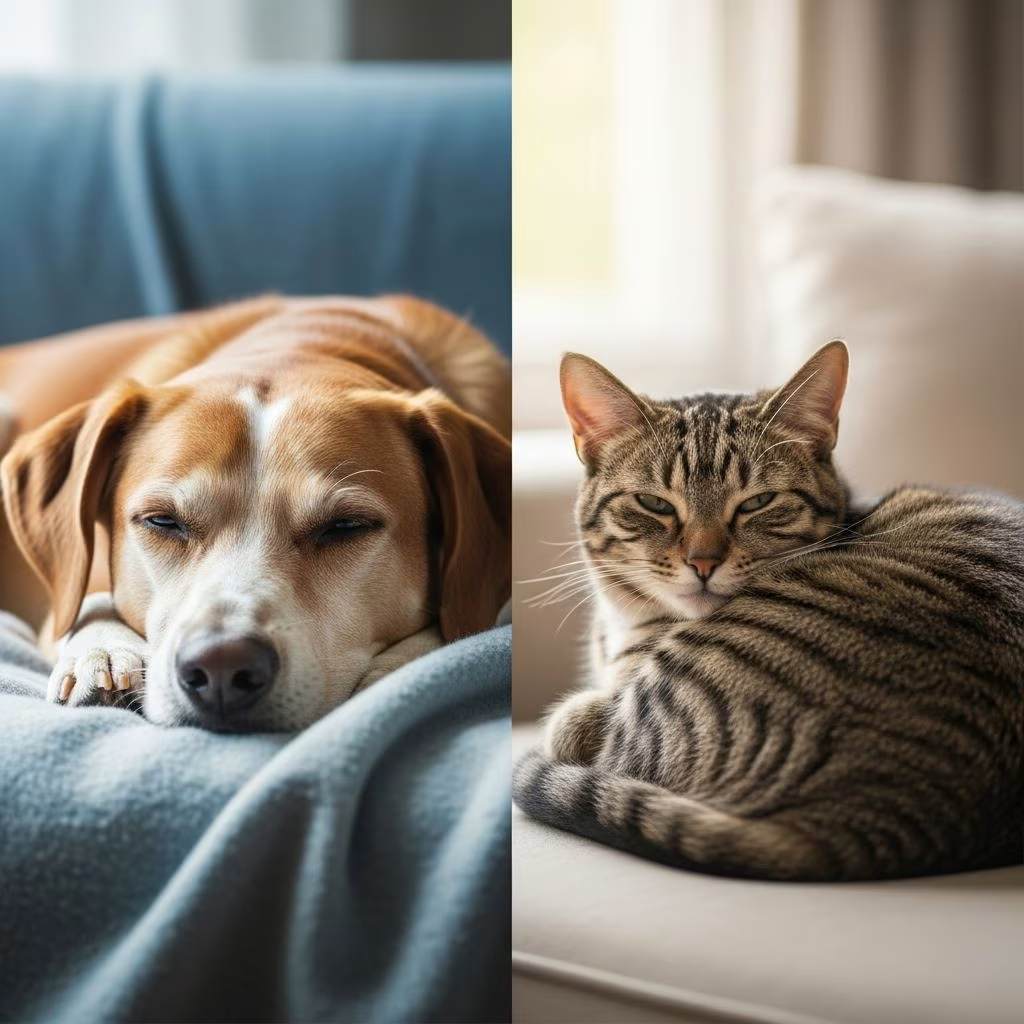
Buspirone for Dogs and Cats: A Comprehensive Guide to Anxiety Treatment
Behavioral and anxiety disorders in dogs and cats are increasingly common reasons for veterinary visits. As veterinarians place greater emphasis on training and behavioral modification, many have adopted medications traditionally used in human psychiatry for animal behavior management. Buspirone is one such medication that has proven effective in treating various anxiety-related conditions in pets. This guide provides pet owners with detailed information about buspirone, its uses, dosing, side effects, and safety considerations.
What Is Buspirone?
Buspirone, commonly known by the brand names BuSpar® and Bustab®, is an anti-anxiety medication used to treat various behavior disorders in dogs and cats. Unlike some other anti-anxiety medications, buspirone is classified as a mild anxiolytic that produces minimal sedation in most pets. The medication works by affecting neurotransmitters in the brain that regulate anxiety responses.
It is important to note that buspirone is not FDA-approved for veterinary use and is therefore prescribed on an “off-label” or “extra-label” basis. This means that while veterinarians can legally prescribe it for animals, the medication’s original approval was for human use. Many medications are commonly prescribed for off-label use in veterinary medicine, and pet owners should follow their veterinarian’s directions and cautions very carefully, as they may differ significantly from the label instructions.
Common Uses of Buspirone in Pets
Buspirone has been used to treat a wide range of anxiety-related and behavioral conditions in both dogs and cats. Understanding these applications can help pet owners determine whether this medication might be appropriate for their animals.
Uses in Dogs
In dogs, buspirone is typically used to manage anxiety or abnormal behavior related to specific triggers. The most common uses include:
- Fear of thunderstorms and loud noises
- Generalized anxiety disorders
- Chronic fears and phobias
- Social anxieties
- Fear-related aggression
Uses in Cats
Cats often experience different anxiety-related issues than dogs, and buspirone has proven particularly valuable for feline behavioral problems. Key applications in cats include:
- Anxiety and fear responses
- Urine marking and spraying behavior
- Psychogenic alopecia (anxiety-related hair loss)
- Motion sickness
- Social phobias and social anxieties
- General behavior disorders
Of these applications, buspirone is particularly renowned as an effective treatment for inappropriate urine marking in cats. In a defining study, 55% of cats given buspirone reduced their marking behaviors by over 75% without experiencing unwanted adverse effects such as drowsiness, lethargy, or weight gain.
How Buspirone Works
Buspirone is a unique anti-anxiety medication that reduces anxiety while causing minimal sedation compared to other anxiolytic drugs. Some veterinarians refer to buspirone as the “bravery drug” because it makes pets bolder, more affectionate, and more eager to engage in social interactions. This characteristic makes it particularly effective for treating social phobias and fear-based anxiety in pets.
The medication must be administered on a regular schedule to be effective. Unlike some anti-anxiety medications that work quickly, buspirone typically requires seven to thirty days of continual daily dosing before pets show noticeable improvements in their behavior. This is why it is not suitable for treating acute anxiety that develops rapidly, and it is often given in combination with as-needed anxiety medications for immediate relief during stressful situations.
Dosing Information for Dogs and Cats
Proper dosing is essential for ensuring buspirone’s effectiveness while minimizing side effects. Dosing varies between dogs and cats and depends on the specific condition being treated.
Buspirone Dosage for Dogs
The typical daily dose of buspirone in dogs is 5 to 10 mg per dog, given two or three times daily. Occasionally, the drug may be combined with other sedative or tranquilizing drugs for enhanced effectiveness. The exact dose should be determined by a veterinarian based on the dog’s weight, age, health status, and specific condition being treated.
Buspirone Dosage for Cats
Cats typically receive an initial dose of 5 mg twice daily, though doses may need to be adjusted based on the cat’s response to treatment. The general dosage range for cats is 2.5 mg to 7.5 mg given two to three times per day, with more specific dosing depending on the condition:
- For low-grade anxieties or problem behaviors: 2.5–5 mg per cat given 2-3 times daily
- For urine marking or spraying: 2.5–7.5 mg per cat given 2-3 times daily
- For social phobias: 0.5–1 mg/kg given every 8 to 12 hours
Buspirone tablets come in dosage strengths of 5 mg, 7.5 mg, 10 mg, 15 mg, and 30 mg. Since tablets are scored to allow division into two doses, the smallest dose a cat’s caregiver can administer is 2.5 mg. For cats requiring even smaller doses, a veterinary oral suspension may be available, or a compounding pharmacy can prepare a transdermal patch, though the patch is not considered highly effective.
Duration of Treatment
The duration of buspirone administration depends on several factors, including the condition being treated, the pet’s response to the medication, and the development of any adverse effects. Pet owners should complete the full prescription as directed by their veterinarian, even if their pet appears to feel better. Completing the entire treatment plan helps prevent relapse and prevents the development of medication resistance.
Precautions and Important Safety Considerations
While generally safe and effective when prescribed by a veterinarian, buspirone may cause side effects in some animals, and there are specific situations where its use requires caution or should be avoided entirely.
Contraindications and When Not to Use Buspirone
Buspirone should not be used in the following situations:
- In animals with known hypersensitivity or allergy to buspirone
- In dogs and cats with liver disease
- In dogs and cats with kidney disease
- In aggressive cats, as buspirone can exacerbate aggressive behavior
Additionally, buspirone should be used with caution in working dogs, as it may affect their performance and alertness. Veterinarians also use buspirone cautiously in pregnant or lactating cats.
Drug Interactions
Buspirone may interact with other medications that a pet is receiving. Pet owners should inform their veterinarian about all medications, supplements, and treatments their pet is currently taking before starting buspirone therapy. Consultation with a veterinarian will help determine whether potential drug interactions exist and whether buspirone is safe to use alongside other medications.
Side Effects of Buspirone
One of buspirone’s advantages is that it generally produces fewer and milder side effects compared to other anti-anxiety medications. However, side effects can occur in some animals.
Common Side Effects
The most commonly reported side effects associated with buspirone use include:
- Increased friendliness and affection
- Increased playfulness
- Agitation following pill administration
- Increased assertiveness or aggression (particularly in already-aggressive animals)
- Disinhibition (reduced inhibitions)
For most cats and dogs, these side effects are minimal, and the medication causes only mild sedation or none at all. This side effect profile makes buspirone an attractive option for pets that may be vulnerable to the adverse effects of other medications, such as excessive drowsiness or weight gain.
When to Contact a Veterinarian
Pet owners should contact their veterinarian if their pet experiences concerning side effects or if the medication does not produce the desired behavioral improvements after the appropriate trial period. Veterinarians may adjust the dose, discontinue the medication, or explore alternative treatment options.
Buspirone Compared to Other Anti-Anxiety Medications
Buspirone differs from many other anti-anxiety medications in several important ways. Unlike benzodiazepines and other sedative anxiolytics, buspirone produces minimal sedation and does not cause significant muscle relaxation. This makes it an excellent choice for pets that need to remain alert or whose owners prefer to avoid the drowsiness associated with other medications.
Additionally, buspirone has a better side effect profile than many alternatives, avoiding issues such as weight gain, lethargy, and significant behavioral changes. However, it is generally less effective than some other anxiety medications and requires consistent, regular dosing rather than use on an as-needed basis. For these reasons, veterinarians often consider buspirone after initial treatment with antidepressants or when pets have shown vulnerability to adverse effects from other medications.
Administration Tips for Pet Owners
Successfully administering buspirone requires commitment and consistency from pet owners. Since the medication must be given on a regular schedule, typically two to three times daily, establishing a routine can help ensure compliance. The medication can be hidden in treats, mixed with food, or administered directly, depending on the individual pet’s preferences and the veterinarian’s recommendations.
Pet owners should not attempt to adjust the dose or frequency without consulting their veterinarian, as this could compromise treatment effectiveness or increase the risk of side effects. If a dose is missed, pets should resume their regular schedule the following day rather than doubling up on the next dose.
Frequently Asked Questions About Buspirone
Q: How long does buspirone take to work?
A: Buspirone typically requires 7 to 30 days of consistent daily dosing before noticeable improvements appear. This is why it is not suitable for treating acute anxiety that develops suddenly.
Q: Is buspirone safe for long-term use?
A: Yes, buspirone is considered a safe medication for long-term treatment of anxiety. Its minimal side effect profile makes it well-tolerated for extended periods when prescribed by a veterinarian.
Q: Can buspirone be combined with other medications?
A: Buspirone can sometimes be combined with other medications, including other anti-anxiety drugs. However, potential interactions exist, so pet owners must inform their veterinarian about all medications their pet is taking.
Q: Why is buspirone not FDA-approved for pets?
A: Buspirone was originally developed and approved for use in humans. Veterinarians legally prescribe it off-label for animals based on clinical experience and research demonstrating its safety and effectiveness in treating pet anxiety.
Q: What should I do if my pet misses a dose?
A: If a dose is missed, resume the regular dosing schedule the next day. Do not double the next dose to make up for the missed dose.
Q: Can buspirone make aggressive cats more aggressive?
A: Yes, because buspirone reduces inhibitions and makes pets bolder, it can exacerbate aggression in cats with a history of aggressive behavior. Veterinarians generally avoid prescribing buspirone for aggressive cats.
Conclusion
Buspirone represents a valuable treatment option for managing anxiety and behavior disorders in dogs and cats. Its mild anxiolytic properties, minimal side effects, and favorable safety profile make it an attractive choice, particularly for pets vulnerable to the adverse effects of other medications. With consistent administration over several weeks and close veterinary monitoring, many pets experience significant improvements in anxiety-related behaviors and quality of life. Pet owners should work closely with their veterinarian to determine whether buspirone is appropriate for their pet and to ensure proper dosing and monitoring throughout treatment.
References
- Buspirone HCl (BuSpar) for Dogs and Cats — PetPlace.com. Accessed November 28, 2025. https://www.petplace.com/article/drug-library/drug-library/library/buspirone-hcl-buspar-for-dogs-and-cats
- BusPIRone HCl: Antianxiety Drug for Pets — VetRxDirect. Accessed November 28, 2025. https://www.vetrxdirect.com/product/view/buspirone-hcl-antidepressant-for-cats-rx
- How is Buspirone Used for Cats — SingleCare. Accessed November 28, 2025. https://www.singlecare.com/blog/buspirone-for-cats/
- Buspirone — VCA Animal Hospitals. Accessed November 28, 2025. https://vcahospitals.com/know-your-pet/buspirone
- Buspirone for Dogs — PetMD. Accessed November 28, 2025. https://www.petmd.com/pet-medication/buspirone-dogs



