

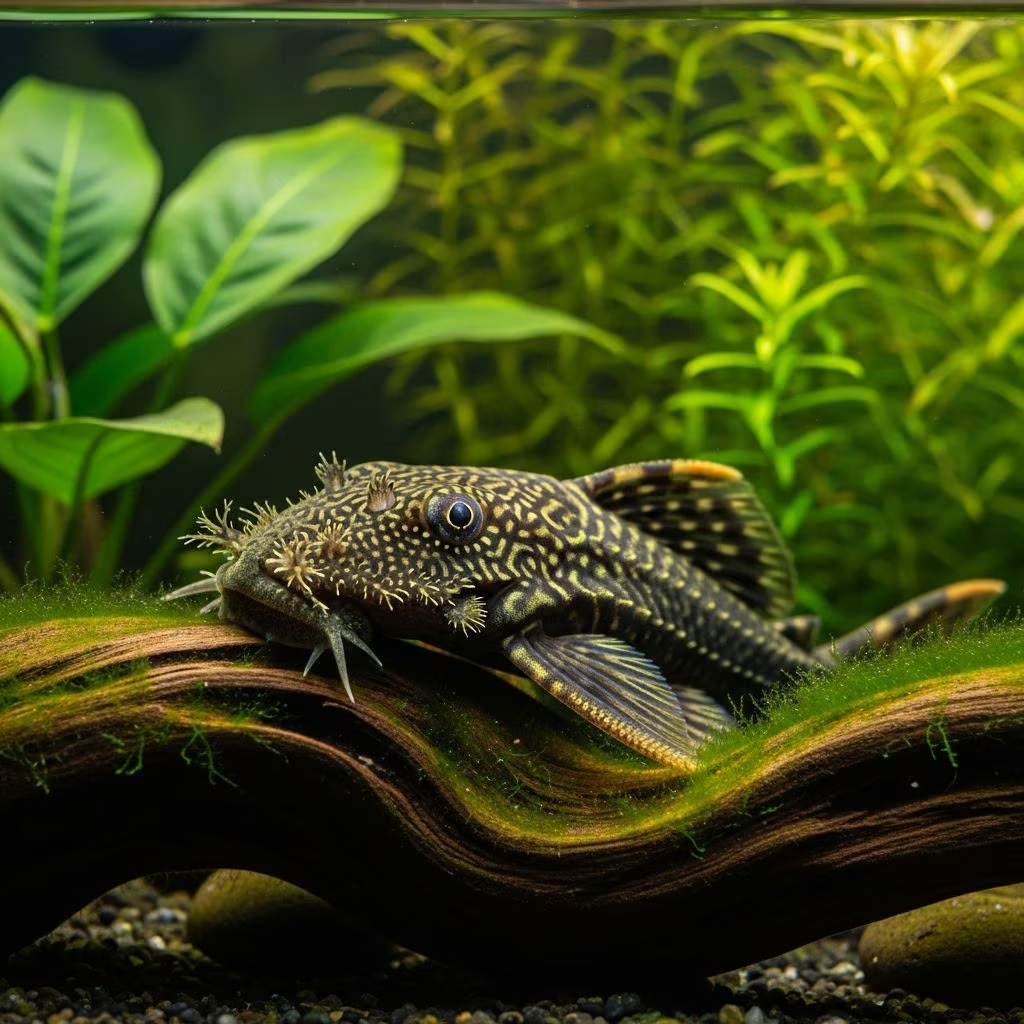
The Bushy Nose Pleco (Ancistrus): A Comprehensive Care Guide
The bushy nose pleco, scientifically known as Ancistrus, is one of the most popular and beginner-friendly pleco species in the aquarium hobby. Named for the distinctive whisker-like tentacles on their snout—which are more pronounced in males—these charming bottom-dwellers have become favorites among both novice and experienced aquarists. Bushy nose plecos are renowned for their exceptional algae-eating abilities, peaceful temperament, and hardy nature, making them an excellent addition to most freshwater aquarium setups. Their small to medium size and adaptability to various water conditions make them perfect for aquarists looking to maintain a balanced ecosystem while keeping their tanks clean and well-maintained.
Understanding the Bushy Nose Pleco
The bushy nose pleco belongs to the Loricariidae family and is native to South America, particularly the Amazon Basin. These nocturnal creatures are armored catfish that have evolved to scrape algae from rocks and wood surfaces. Adult bushy nose plecos typically reach 3 to 4 inches in length, though some can grow slightly larger under optimal conditions. Their compact size makes them ideal for smaller aquariums compared to larger pleco species. The distinctive tentacles or “whiskers” on males become more elaborate during breeding season and serve as a visual indicator of sexual maturity. Their peaceful and somewhat reclusive nature means they spend much of their time foraging along the substrate and exploring their environment under the cover of darkness.
Tank Setup and Environment
Providing an appropriate tank environment is fundamental to the health and longevity of bushy nose plecos. While they are relatively hardy fish, creating a setup that mimics their natural habitat will ensure they thrive and display natural behaviors.
Minimum Tank Size
A single bushy nose pleco requires a minimum tank size of 20 to 30 gallons. This provides adequate space for the fish to establish territories, forage for food, and maintain proper water quality. Larger tanks are always preferable, as they provide more swimming space and better water stability. If you plan to keep multiple plecos or breed them, increase the tank size accordingly, as males are highly territorial and will defend their chosen spots.
Substrate and Décor
The substrate should be soft and fine, such as sand or small gravel, to prevent damage to the pleco’s delicate underbelly as they forage along the bottom. Driftwood is essential, as it serves multiple purposes: it provides hiding spots, mimics their natural environment, and allows biofilm to grow, which serves as a supplemental food source. Additionally, driftwood helps maintain stable pH levels through the gradual release of tannins. Include caves, tunnels, or PVC pipes to provide adequate hiding spots, especially since bushy nose plecos are nocturnal and appreciate dark retreats during the day. Live plants such as Java fern and Anubias can be added but should be secured, as plecos may uproot them while foraging.
Filtration and Aeration
A reliable filtration system is crucial for maintaining water quality and keeping debris to a minimum. Use a canister filter or hang-on-back filter rated for at least 300 gallons per hour (GPH) for your tank size. An under-gravel water system is particularly beneficial for plecos, as it keeps the substrate clean and maintains oxygenation at the bottom where these bottom-dwellers spend most of their time. An air pump-powered bubbler can further enhance oxygenation, though it is not absolutely necessary if your filter provides adequate water circulation. Regular water changes of 25 to 50 percent weekly will help maintain optimal water conditions and remove accumulated waste.
Water Parameters and Conditions
Bushy nose plecos are remarkably hardy and can tolerate a broader range of water parameters than many other tropical fish species. However, maintaining optimal conditions will significantly enhance their health, coloration, and lifespan.
| Parameter | Ideal Range | Acceptable Range |
|---|---|---|
| Temperature | 73°F to 80°F (23°C to 27°C) | 60°F to 82°F |
| pH Level | 6.5 to 7.5 (Neutral) | 5.5 to 7.6 |
| Water Hardness (KH) | 6 to 10 KH | 2 to 20 KH |
| Nitrate Levels | Below 40 ppm | Below 50 ppm |
While adult bushy nose plecos can handle fluctuations in water quality quite well, younger individuals are more sensitive to sudden changes. If you are new to the hobby, consider starting with adult fish, as juveniles are more prone to stress-related health issues. Always avoid sudden and drastic pH changes, as these can be lethal. When performing water changes, use a dechlorinator to treat tap water and ensure temperatures match before introducing new water to the tank. A gradual acclimation process when first introducing plecos to a new tank helps them adapt smoothly to their environment.
Nutrition and Feeding
One of the primary reasons bushy nose plecos are so popular is their exceptional ability to consume algae, but a complete and balanced diet is essential for optimal health and longevity.
Diet Composition
Bushy nose plecos are primarily herbivorous, with their diet consisting of approximately 85 percent plant-based foods and 15 percent protein. While they will consume large amounts of algae in the tank, relying solely on natural algae growth is often insufficient, especially in newer or well-maintained tanks with limited algae. Supplement their diet with high-quality sinking pellets and algae wafers, as these are designed specifically for bottom-feeding species and will reach the substrate where plecos feed. Quality plant-based foods include spirulina wafers, specially formulated pleco pellets, and vegetable matter.
Vegetable Supplements
Fresh vegetables should be offered regularly to provide additional nutrients and enrichment. Suitable options include blanched zucchini, blanched green beans, cucumbers, and spinach. These vegetables should be softened through blanching to make them easier for plecos to consume. Secure vegetables to the substrate using a vegetable clip or weight to prevent them from floating to the surface. Remove any uneaten vegetables after 24 hours to prevent water quality deterioration.
Protein Foods
While bushy nose plecos are primarily herbivorous, occasional protein supplementation supports overall health and is particularly important during breeding season. Suitable protein sources include freeze-dried bloodworms, brine shrimp, and other sinking foods formulated for bottom-dwellers. Feed protein-based foods sparingly, typically once or twice weekly, and ensure they sink to the bottom where plecos can access them. Live and frozen foods such as daphnia and blackworms can help condition breeding pairs and encourage spawning behavior.
Feeding Schedule
Feed bushy nose plecos once or twice daily, depending on their size and the availability of natural algae in the tank. Feed smaller quantities more frequently rather than large single portions to prevent overfeeding and water quality issues. Since plecos are nocturnal, feeding them in the evening or shortly before turning off tank lights allows them to forage when they are most active.
Behavior and Temperament
Bushy nose plecos are generally peaceful and non-aggressive fish, making them suitable for community tanks with compatible species. Their nocturnal nature means they spend much of the day hiding in caves or under driftwood, becoming more active during evening and night hours. This behavior is completely normal and should not be a cause for concern. However, male plecos are highly territorial, especially when defending breeding territories or caves. In tanks with limited hiding spots, territorial disputes between males can escalate. Providing multiple caves and sufficient space helps minimize aggression. Bushy nose plecos are generally compatible with other non-aggressive fish species and can coexist peacefully with tetras, rasboras, corydoras catfish, and other community tank residents.
Health and Common Issues
Bushy nose plecos are generally hardy and not known to suffer from major species-specific health problems. However, they can encounter common aquarium fish diseases, particularly when stressed by poor water conditions or inadequate care.
Common Health Concerns
The most frequently encountered health issues include Ich (white spot disease), bacterial infections, and parasitic infestations. These conditions typically develop when water parameters are not maintained properly or when the fish are stressed. Ich presents as small white spots on the fish’s body and fins and can be treated with gradual temperature increases or commercially available treatments. Bacterial infections may manifest as lesions, fin rot, or cloudiness on the eyes. Parasitic infections can cause lethargy and reduced feeding activity. Regular water changes and maintaining optimal water parameters are the best preventative measures for these conditions.
Stress Indicators
When bushy nose plecos become sedentary, hide excessively, or display reduced feeding activity, these often indicate stress or water quality problems. Check water parameters immediately and perform a partial water change if any parameters are outside acceptable ranges. Ensure adequate hiding spots are available and that the tank is not overcrowded. If stress indicators persist after water parameters are corrected, consult with an aquarium specialist to rule out disease or other underlying issues.
Breeding Bushy Nose Plecos
Bushy nose plecos are among the easiest pleco species to breed in captivity, making them excellent choices for aquarists interested in spawning their fish.
Conditioning and Setup
To encourage breeding, establish a dedicated 20-gallon long breeding tank with live plants, soft substrate, and multiple pleco caves or coconut huts. The breeding tank should be well-established or “seasoned” with plenty of beneficial bacteria and existing biofilm to provide grazing sources for fry. Include gentle sponge filters that won’t damage eggs or fry. Condition the adults for breeding by feeding them abundant high-quality foods, particularly live and frozen foods such as bloodworms and daphnia. Feed conditioning pairs generously for several weeks until the female becomes noticeably plump with eggs, indicating she is ready to spawn.
Spawning Process
Performing a large water change (approximately 50 percent) can trigger spawning behavior by simulating the rainy season floods that occur in their natural habitat. The water change should include slightly cooler water to replicate seasonal changes. Once the females are conditioned and the environmental trigger occurs, males will establish and defend breeding territories within caves. The male will attempt to lure a female into his chosen cave, and if she accepts his invitation, she will deposit 30 to 80 eggs inside the cave. After the female lays eggs, the male will chase her away and assume full responsibility for egg defense and care.
Egg and Fry Care
The male will fan his eggs with his fins to ensure adequate oxygenation and protect them from fungal infections. Eggs typically hatch within 7 to 10 days, depending on temperature. The male continues guarding the fry even after they become free-swimming. Once the fry are free-swimming and have absorbed their yolk sacs, they can be fed baby brine shrimp, microworms, crushed flakes, or algae pellets. Maintain excellent water quality in the breeding tank, as fry are sensitive to water parameter fluctuations. Some breeders recommend adding pest snails or cherry shrimp to the breeding tank, as these will consume excess food without preying on eggs or fry, thus maintaining better water quality.
Tank Mates and Compatibility
Bushy nose plecos are peaceful fish that generally do well in community tanks. They are compatible with tetras, rasboras, corydoras catfish, small loaches, and other non-aggressive species. Avoid housing them with aggressive or fin-nipping species, as they can stress the pleco. Since plecos are bottom-dwellers, they may compete for space with other bottom-feeding species like corydoras catfish, so ensure adequate hiding spots and foraging areas for all bottom-dwellers. Large, predatory fish should be avoided, as they may attempt to consume smaller plecos.
Frequently Asked Questions
Q: How long do bushy nose plecos live?
A: With proper care and optimal water conditions, bushy nose plecos can live 5 to 12 years or even longer. Some individuals have been documented living beyond 15 years in well-maintained aquariums.
Q: Can bushy nose plecos be kept in unheated tanks?
A: While bushy nose plecos can tolerate temperatures as low as 60°F, they thrive best in the 73°F to 80°F range. In cooler climates, an aquarium heater is recommended to maintain consistent temperatures and promote optimal health and activity levels.
Q: Do male and female bushy nose plecos look different?
A: Yes, males develop more prominent tentacles or “whiskers” on their snout, especially during breeding season. Males are also typically more territorial and may appear more robust than females.
Q: Can I keep multiple bushy nose plecos together?
A: Multiple plecos can be kept together in larger tanks with plenty of caves and hiding spots. However, males are territorial and may fight for space. Providing multiple caves (one per male) helps minimize aggression.
Q: What should I do if my bushy nose pleco stops eating?
A: Loss of appetite often indicates stress or water quality problems. Check all water parameters immediately and perform a partial water change. Ensure adequate hiding spots are available and that the tank is not overcrowded. If the issue persists, consult an aquarium specialist to rule out disease.
Q: How often should I perform water changes?
A: Perform weekly water changes of 25 to 50 percent to maintain optimal water quality and keep nitrate levels below 40 ppm. In smaller tanks or heavily stocked aquariums, more frequent changes may be necessary.
Q: Are bushy nose plecos suitable for beginners?
A: Yes, bushy nose plecos are one of the most beginner-friendly pleco species. They are hardy, adaptable to various water conditions, and require minimal special care compared to other pleco species.
References
- Bristlenose Pleco 101: Care, Lifespan, Size, & Breeding — Aquarium Source. 2024. https://www.aquariumsource.com/bristlenose-pleco/
- Bristlenose Pleco Care Guide and Breeding Guide — Cichlid Aholics. 2024. https://cichlidaholics.com/threads/bristlenose-pleco-care-guide-and-breeding-guide.51/
- Bristlenose Pleco – A Complete Care Guide — Aquarium Store Depot. 2024. https://aquariumstoredepot.com/blogs/news/bristlenose-pleco
- Care Guide for Plecos – The Mighty Armored Catfish — Aquarium Coop. 2024. https://www.aquariumcoop.com/blogs/aquarium/pleco-care-guide
- Blue-Eyed Lemon Bristlenose Plecos | Aquarium Magic Unveiled — Shrimpy Business. 2024. https://shrimpybusiness.com/blogs/shrimpy-business-blog/blue-eye-lemon-bristlenose-pleco-aquarium-keeping



