

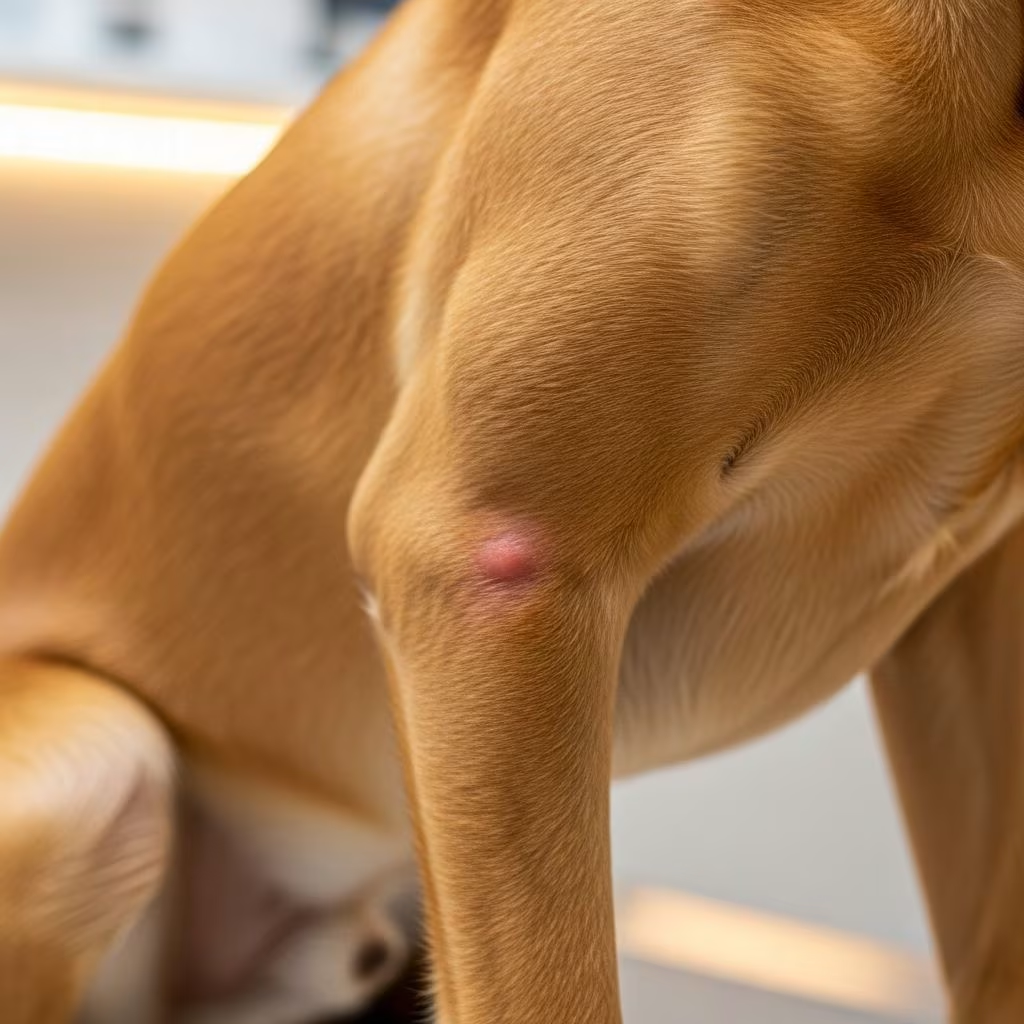
Bursitis in dogs involves inflammation of the bursae, small fluid-filled sacs that reduce friction between tendons, muscles, and bones near joints. This condition often leads to pain, swelling, and lameness, particularly in active or large breeds. Early detection and proper management can restore mobility and prevent chronic issues.
Understanding the Anatomy of Bursae in Canines
Bursae act as natural shock absorbers in a dog’s body, located around high-movement areas like elbows, shoulders, hips, and hocks. Each bursa contains synovial fluid to lubricate movements. When irritated, these sacs fill with excess fluid, causing visible swelling and discomfort. Unlike joints, bursae are not lined with cartilage but a thin synovial membrane, making them vulnerable to trauma.
Primary Triggers of Canine Bursitis
Several factors contribute to bursitis development in dogs. Trauma from falls, jumps, or collisions directly damages bursae, leading to inflammation. Repetitive strain in working dogs, such as herding breeds performing constant turns, exacerbates this risk.
Prolonged pressure on hard surfaces, common in overweight or large dogs lying on floors, causes chronic irritation. Obesity amplifies joint stress, increasing bursa vulnerability. Systemic infections can spread via bloodstream, especially in immunocompromised pets, resulting in septic bursitis.
- Trauma: Acute injuries from rough play or accidents.
- Repetitive Use: Common in sporting or farm dogs.
- Pressure: Lying on unforgiving surfaces over time.
- Infection: Bacterial entry through wounds or blood.
- Underlying Conditions: Autoimmune issues or old injuries.
Recognizing Symptoms Early
Dogs with bursitis often show localized swelling as a firm, fluid-filled lump over joints like elbows or shoulders. Affected limbs are typically held off the ground, causing a limp or reluctance to move. Pain manifests as sensitivity to touch, excessive licking, or irritability when the area is approached.
Advanced cases may include fever if infected, reduced appetite, and muscle atrophy from disuse. Unlike hygromas—thickened skin sacs from pressure—bursitis involves true synovial inflammation and is more painful.
| Symptom | Description | Common Location |
|---|---|---|
| Swelling | Visible, soft bump filled with fluid | Elbow, shoulder, hock |
| Lameness | Limping or non-weight bearing | Affected limb |
| Pain | Whining, aggression on touch | Over bursa |
| Licking | Constant grooming of site | Swollen area |
| Fever | Only if infected (septic) | Systemic |
Diagnosis: Veterinary Evaluation Process
Veterinarians start with a full history and physical exam, palpating joints for heat, swelling, and pain response. Fluid aspiration from the bursa allows cytology and culture to detect infection. Imaging like X-rays rules out fractures or arthritis, while ultrasound visualizes bursa walls and contents.
In rare cases like calcific bursitis, radiographs reveal mineral deposits. Advanced diagnostics may include MRI for shoulder involvement, distinguishing bursitis from tendinitis.
Conservative Treatment Strategies
Most cases respond to rest and medical therapy. Strict crate rest or leash walks for 4-6 weeks prevents further damage. Non-steroidal anti-inflammatory drugs (NSAIDs) like carprofen reduce pain and swelling effectively.
Joint support bandages or padded bedding alleviate pressure. Cold compresses (10-15 minutes, 2-3 times daily) soothe acute inflammation, avoiding heat which worsens swelling.
Advanced Interventions for Persistent Cases
Infected bursitis requires antibiotics based on culture results, often with surgical drainage. Steroid injections provide targeted relief but risk tendon weakening if repeated.
Regenerative options like platelet-rich plasma (PRP) promote healing in bicipital bursitis by injecting growth factors into the site. Surgical bursectomy—removal of the bursa—is reserved for chronic, unresponsive cases, with good outcomes in elbows.
Extracorporeal shock wave therapy breaks down calcifications and stimulates repair in calcific types.
Differentiating Bursitis from Similar Conditions
- Hygroma: Pressure-induced skin thickening over bony points; non-inflammatory unless infected. Treat with padding, not meds.
- Arthritis: Joint capsule involvement with stiffness; X-rays show bone changes.
- Tendinitis: Tendon pain without bursa swelling; ultrasound differentiates.
- Abscess: Pus-filled from wounds; fever prominent.
Prevention Tips for Joint Health
Maintain ideal weight to lessen joint load—feed balanced diets and monitor body condition. Provide orthopedic foam beds or donut cushions for resting areas, especially for giants like Great Danes.
Avoid high-impact activities on hard surfaces; use ramps for cars or furniture. Regular vet check-ups catch early signs in at-risk breeds like Border Collies or Labradors.
FAQs on Canine Bursitis
Can bursitis resolve without treatment?
Mild cases may improve with rest, but veterinary care prevents complications like infection.
Is surgery common for dog bursitis?
Rare; most heal with meds and rest. Surgery for refractory or septic cases.
Which breeds are prone to elbow bursitis?
Large, heavy breeds and working dogs like herders due to size and activity.
How long does recovery take?
2-8 weeks with proper management; chronic cases longer.
Can home remedies cure bursitis?
Supportive only—padding and cold packs aid, but meds are essential.
Long-Term Management and Prognosis
With prompt treatment, most dogs regain full function. Monitor for recurrence by managing weight and providing soft surfaces. Physical therapy post-rest rebuilds strength via controlled exercises.
Prognosis excels in acute cases; chronic or calcific types may need ongoing care but rarely cause severe disability.
References
- Bursitis Infections in Dogs: Causes, Symptoms & Treatment — Pets4Homes. 2023. https://www.pets4homes.co.uk/pet-advice/bursitis-infections-in-dogs.html
- Bursitis in Dogs | What helps? — Confidu. 2023. https://www.confidu.com/en/magazin/artikel/bursitis-in-dogs
- My dog has a sore shoulder: what can it be? — Cottage Veterinary Clinic. 2023. https://www.cottagevet.co.za/my-dog-has-a-sore-shoulder-what-can-it-be/
- [Bursitis calcarea in a dog] — PubMed (Veterinary Record). 1987-09-05. https://pubmed.ncbi.nlm.nih.gov/3612675/
- Tendinitis and Bursitis — IVIS (Mechanisms of Disease in Small Animal Surgery, 3rd Ed.). 2010. https://www.ivis.org/library/mechanisms-of-disease-small-animal-surgery-3rd-ed/tendinitis-and-bursitis
- How to detect and treat elbow bursitis in dogs — Ortocanis. 2023. https://www.ortocanis.com/blog/en/how-to-detect-and-treat-elbow-bursitis-in-dogs/
- Hygroma in Dogs — Merck Veterinary Manual. 2023. https://www.merckvetmanual.com/integumentary-system/hygroma-in-dogs/hygroma-in-dogs



