

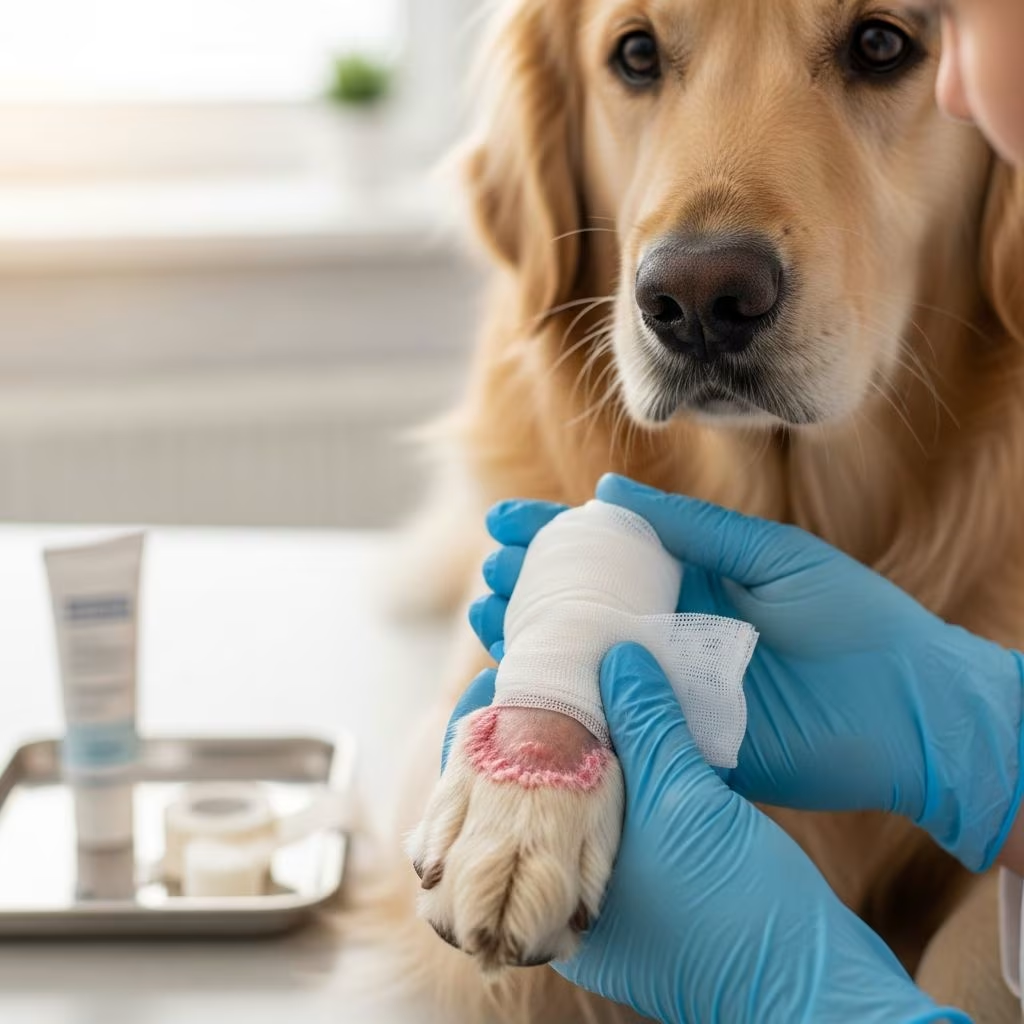
Understanding Burns in Dogs
Burns are a serious form of skin injury that can occur in dogs through various mechanisms. Whether caused by thermal exposure, chemical contact, or mechanical friction, burns require prompt veterinary attention to prevent infection, manage pain, and support proper healing. Understanding the different types of burns, recognizing symptoms, and knowing appropriate first aid responses can significantly impact your dog’s recovery and long-term health outcomes.
What Causes a Burn?
Burns in dogs result from tissue injury caused by heat, chemicals, electricity, or friction. Recognizing the source of the burn helps veterinarians determine the most appropriate treatment approach and predict potential complications.
Common Burn Types
Thermal burns are the most frequently encountered type and result from exposure to heat sources. These include contact with fire, smoke, steam, hot liquids, hot surfaces, sunburn, and heating devices. Dogs may experience thermal burns from house fires, scalding water during bathing, hot cooking surfaces, or lying on heating pads set to high temperatures.
Chemical burns occur when a dog’s skin contacts strong acidic or alkaline solutions. Common household chemicals that cause burns include drain cleaners containing lye, bleach, gasoline, paint thinners, battery acid, and other caustic cleaning products. Chemical burns can be particularly dangerous because they may continue to cause damage even after initial contact.
Electrical burns result from exposure to electrical current, typically through contact with live wires, faulty appliances, or water sources near electrical outlets. Dogs may sustain electrical burns by chewing on electrical cords, contact with downed power lines, or touching wet surfaces near electrical equipment.
Mechanical burns develop from friction injuries where rope, carpet, or other rough materials travel across the skin. These burns can occur from excessive friction from leashes, carpet drag injuries, or friction from other objects rubbing against the skin surface.
Burn Classification and Severity
Burns are classified based on the depth of skin damage and the extent of tissue involvement. This classification system helps veterinarians determine appropriate treatment protocols and predict healing timelines.
First-Degree Burns (Superficial)
First-degree burns affect only the outer layer of skin, called the epidermis. These burns typically present with redness, mild swelling, and slight pain, with the affected area feeling warm to the touch. First-degree burns generally heal quickly without requiring extensive intervention. Common signs include hair loss around the burn area and mild inflammation.
Second-Degree Burns (Partial-Thickness)
Second-degree burns penetrate deeper into the skin, affecting both the epidermis and the underlying dermis layer. These more serious wounds cause significant pain and often result in blistering. The skin and tissue may change color and texture, appearing moist or wet due to blister formation. Partial-thickness burns present a greater risk of infection and typically require several weeks to months for complete healing.
Third-Degree Burns (Full-Thickness)
Third-degree burns represent the most severe classification, affecting all skin layers including the epidermis, dermis, and subcutaneous tissue. These devastating injuries may also damage underlying bones, muscles, ligaments, and tendons. Affected areas typically display pale, yellow, gray, tan, or black skin, with loss of sensation in the burned region. Third-degree burns result in permanent scarring and require intensive veterinary treatment, potentially including surgical intervention.
Recognizing Burn Symptoms in Dogs
Early recognition of burn symptoms enables prompt veterinary intervention. Dogs with burn injuries may display various signs depending on burn severity and location.
Local Burn Symptoms
Dogs with burns often exhibit vocalization, licking, or chewing at the affected area as they attempt to address the pain and discomfort. They may show reluctance to be touched, particularly in the burn region. Physical signs include visible hair loss or singed fur around the burned area, blistered skin, and foul-smelling skin tissue.
Systemic Symptoms
Severe burns can cause systemic complications affecting the entire body. Warning signs include pale or blue gums, vomiting, difficulty breathing, heart arrhythmias, and muscle spasms. These symptoms indicate shock or organ involvement and require emergency veterinary care.
First Aid Response for Burns
Appropriate immediate response following burn injury can significantly reduce damage and complications. However, improper first aid can worsen the injury.
Immediate Actions
If you observe your dog sustaining a burn injury, immediately rinse the affected area with cool water to remove heat and stop ongoing damage. However, avoid using ice, as ice can constrict blood vessels, cause hypothermia, and actually worsen the injury. After cooling the area, contact your veterinarian immediately for professional evaluation.
For chemical burns, thorough rinsing with water is essential to remove chemical residue, with the exception of certain dry chemicals that should be brushed off first. Do not apply bandages or attempt to treat the burn with home remedies. Instead, focus on keeping the area clean and preventing your dog from licking or further traumatizing the wound during transport to the veterinary clinic.
Diagnostic Considerations
Veterinary burn assessment varies based on severity. Mild burns can often be treated symptomatically without diagnostic testing. However, veterinarians may recommend diagnostic procedures for more severe burns to assess internal damage and organ function. These assessments help determine appropriate treatment intensity and identify potential complications early in the healing process.
How Veterinarians Treat Burns
Burn treatment depends entirely on the severity of the injury and the extent of skin involvement. Treatment protocols may range from simple symptomatic care to complex surgical interventions.
Fluid Therapy
Intravenous (IV) fluids represent a cornerstone of burn treatment, particularly for partial-thickness and full-thickness burns. When skin integrity is disrupted by burns, substantial amounts of bodily fluids escape through the wound, leading to dangerous dehydration. IV fluids prevent dehydration, maintain blood pressure, and support organ function during recovery.
For severe fluid or protein loss, veterinarians may administer blood or plasma transfusions to replace lost blood components and support the dog’s circulatory system during the critical healing phase.
Pain Management
Burns are intensely painful, making proper pain management both a compassionate priority and a medical necessity. Pain can impede healing and delay recovery. Veterinarians prescribe appropriate pain medications based on burn severity and the dog’s overall health status. Treatment options include veterinary nonsteroidal anti-inflammatory drugs such as carprofen and meloxicam, which reduce inflammation and pain; gabapentin, which specifically addresses nerve pain associated with burns; and opioids for severe cases requiring potent pain relief. Never administer human pain medications, as many are toxic to dogs.
Wound Care
Antimicrobial cleansing forms the foundation of burn wound care. Veterinary-approved cleansers including dilute chlorhexidine solution, veterinary wound lavage solutions, and sterile saline remove debris, bacteria, and dead tissue without further damaging vulnerable tissues. Proper wound cleansing significantly reduces infection rates in burn patients.
For deeper burns, veterinarians may recommend wound dressing to protect the injury, promote healing, and prevent infection. In some cases, surgical debridement—removal of dead, damaged, or infected tissue—becomes necessary, particularly when eschar (hard, leathery, black dead tissue) develops.
Advanced Treatments
Severe burns may require skin grafts to cover large areas of damaged tissue and promote healing. Treatment for smoke inhalation may also be necessary if the burn occurred in a fire environment. These advanced interventions support the dog’s recovery and minimize long-term complications.
Risk Factors and Prevention
Certain dogs face increased burn risk due to physical characteristics. White dogs, thin-haired dogs, and hairless breeds are more vulnerable to sunburn and thermal injuries. Additionally, dogs with limited mobility or those unable to avoid hazards face elevated risk.
Prevention Strategies
Protect your dog from common burn hazards by keeping them away from open flames, hot cooking surfaces, and heating devices. Never leave heating pads unattended with your dog, and ensure all electrical cords are properly insulated and inaccessible. Keep chemical products stored securely away from pets, and supervise outdoor time to prevent excessive sun exposure, especially for vulnerable breeds.
Monitoring Recovery and Complications
Proper monitoring during the recovery period helps identify complications early, enabling prompt veterinary intervention.
Signs of Infection
Monitor burn sites regularly for signs of infection including increased redness, swelling, discharge, foul odor, heat, or pain. These changes warrant immediate veterinary attention, as infections can delay healing and cause serious systemic complications.
Eschar Formation
In deep partial- or full-thickness burns, hard, leathery, black dead tissue called eschar may develop over several days. If you observe eschar formation, schedule a veterinary appointment, as leaving this tissue on the wound can impede healing and harbor infection. Surgical debridement often becomes necessary to remove eschar and promote proper wound healing.
Long-Term Healing Expectations
First-degree burns typically heal quickly with minimal intervention. Second-degree burns may require several weeks to a few months for complete healing, depending on burn size and location. Third-degree burns require extended recovery periods and may result in permanent scarring and functional limitations.
Some severe burns can result in long-term complications including tissue damage, scarring, contractures (tightening of healed tissue restricting movement), and altered skin pigmentation. Regular communication with your veterinarian throughout recovery helps manage these potential complications and optimize your dog’s healing outcome.
Frequently Asked Questions About Dog Burns
Q: What should I do if my dog gets a thermal burn?
A: Immediately cool the area with lukewarm water (not ice) for several minutes, then contact your veterinarian. Do not apply bandages or home remedies. Transport your dog to the veterinary clinic promptly for professional assessment and treatment.
Q: Are chemical burns more dangerous than thermal burns?
A: Chemical burns can be particularly dangerous because they may continue causing damage after initial contact. Always rinse chemical burns thoroughly with water and seek immediate veterinary care, as the extent of damage may not be immediately apparent.
Q: How long does it take for a dog’s burn to heal?
A: Healing time depends on burn severity. First-degree burns heal quickly, typically within days to weeks. Second-degree burns may require weeks to months. Third-degree burns require extended recovery with potential surgical intervention and may result in permanent scarring.
Q: Can I use ice on my dog’s burn?
A: No, avoid using ice on burns. Ice can constrict blood vessels, cause hypothermia, and actually worsen the injury. Instead, use cool (not cold) water for initial cooling and seek veterinary care immediately.
Q: What complications can arise from untreated burns?
A: Untreated burns can lead to serious complications including infection, dehydration, shock, respiratory problems, organ damage, heart failure, and even death in severe cases. Prompt veterinary treatment is essential to prevent these life-threatening complications.
Q: Which dog breeds are most susceptible to burns?
A: White dogs, thin-haired breeds, and hairless dog breeds are more vulnerable to sunburn and thermal injuries due to reduced fur protection. These breeds require extra protection from sun exposure and heat sources.
Q: Should I apply bandages to my dog’s burn?
A: Do not apply bandages immediately after burn injury. Allow your veterinarian to assess the burn and apply appropriate wound dressing if necessary. Improper bandaging can trap heat and worsen the injury.
References
- Pet Burn Treatment: 7 Essential Medications for Healing Your Pet — The Pet Vet. 2024. https://thepetvet.com/pet-burn-treatment/
- Burns and Scalds in Dogs – Symptoms, Causes, Diagnosis — Wag Walking. 2023. https://wagwalking.com/condition/burns-and-scalds
- Understanding and Treating Burns on Your Pet — Animal Emergency Care. 2024. https://animalemergencycare.net/aecprevents/understanding-and-treating-burns-on-your-pet/
- Burns in Dogs: What You Need to Do Next — Happy Tails Veterinary Clinic. 2023. https://happytailservet.com/blog/burns-in-dogs/
- Burns in Dogs — VCA Animal Hospitals. 2024. https://vcahospitals.com/know-your-pet/burns-in-dogs
- Caring for Dog Burns: Everything You Need to Know — American Kennel Club. 2023. https://www.akc.org/expert-advice/health/dog-burns/
- Burns in Dogs — American Red Cross. 2024. https://www.redcross.org/take-a-class/resources/learn-pet-first-aid/dog/burns



