

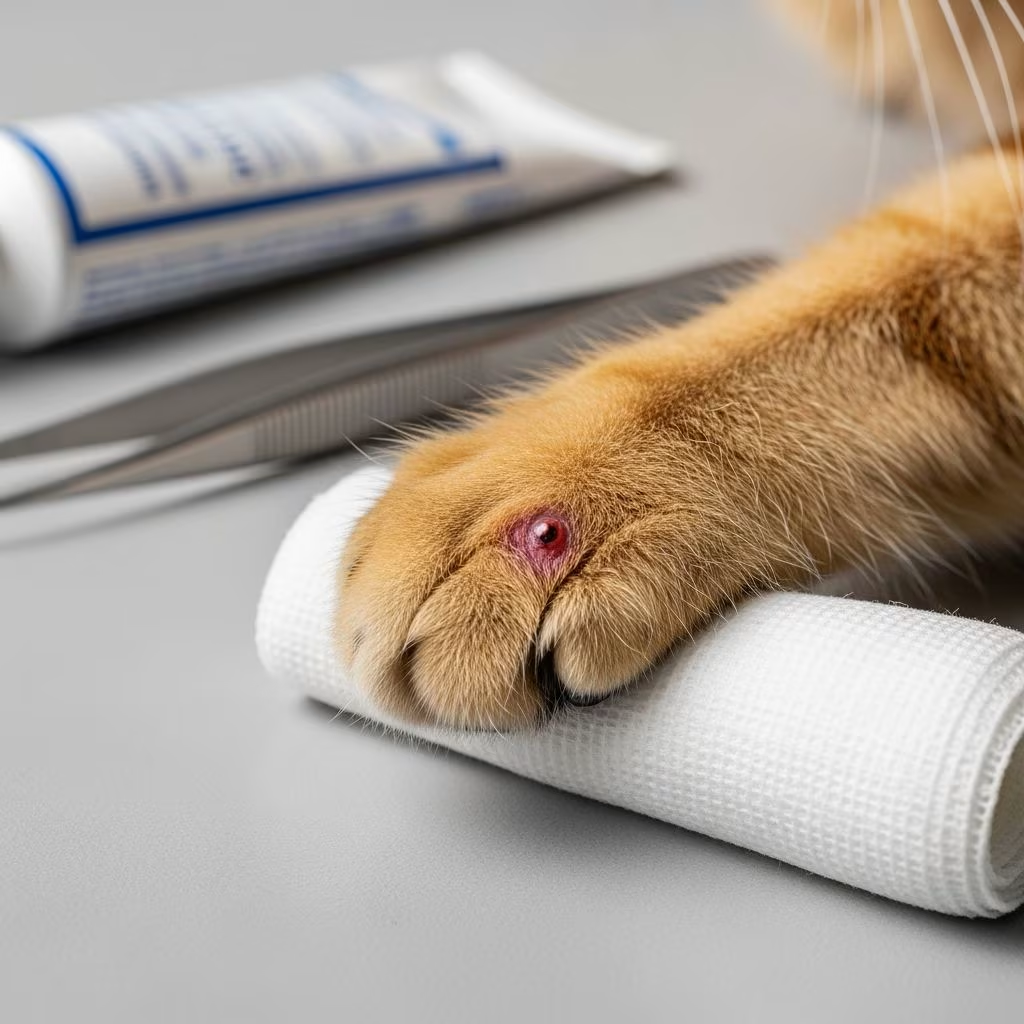
Understanding Burns in Cats: A Comprehensive Guide
Burns represent a serious and potentially life-threatening injury that can occur to cats in various situations, from accidental contact with heat sources to chemical exposure or scalding liquids. As a pet owner, understanding the nature of burns, recognizing the symptoms, and knowing how to respond appropriately can make a significant difference in your cat’s recovery and overall health outcomes. This comprehensive guide covers everything you need to know about burns in cats, from identification and immediate first aid to professional veterinary treatment and long-term prevention strategies.
Types of Burns in Cats
Burns are classified into three degrees based on the depth of tissue damage and severity of injury. Each type requires different treatment approaches and has varying recovery outcomes.
First-Degree Burns
First-degree burns represent the mildest form of burn injury, affecting only the superficial layers of the skin’s epidermis. These burns are similar to sunburns in humans and typically result in redness and mild pain without blistering. The skin may appear slightly inflamed, and your cat might show sensitivity when the area is touched. First-degree burns usually heal without scarring and can often be managed at home with basic care and monitoring. Most cats recover from small first-degree burns without specific veterinary treatment within one to two weeks.
Second-Degree Burns
Second-degree burns penetrate deeper into the skin, affecting both the epidermis and the dermis layer beneath. These burns typically result in blistering and may appear moist and painful to the touch. The affected area may show redness, swelling, and fluid discharge. Second-degree burns generally have a positive prognosis with proper veterinary care, though they require more intensive treatment than first-degree burns, including wound dressings and antibiotics to prevent infection.
Third-Degree Burns
Third-degree burns, also called full-thickness burns, represent the most severe classification and penetrate through all layers of skin into the subcutaneous tissues beneath. These burns are characterized by charred fur, white or leathery appearing skin, and a loss of sensation in the affected area. A thick layer of dead skin called eschar typically develops within 7-10 days and appears as a black, firm crust with clearly defined borders. Third-degree burns often require surgical intervention, including potential skin grafts, and result in permanent scarring. These burns have a more guarded prognosis and demand immediate veterinary attention.
Recognizing Burn Symptoms in Your Cat
Identifying burn injuries quickly is crucial for ensuring prompt treatment. Symptoms vary depending on burn severity and can include physical signs as well as behavioral changes.
Physical Signs
– Redness or discoloration of the skin- Blistering or fluid-filled lesions- Charred or blackened areas- Swelling or inflammation around the affected area- Loss of fur or singed hair- Unusual odor or discharge from the wound- Dry, leathery appearance of skin (in severe burns)
Behavioral Indicators
– Increased licking or grooming of a specific area- Reluctance to move or abnormal posture- Decreased appetite or thirst- Hiding behavior or unusual aggression when approached- Signs of shock in severe cases, including pale gums, rapid breathing, and weakness
Immediate First Aid for Cat Burns
When you discover your cat has suffered a burn, taking quick and appropriate action can significantly influence their recovery. However, safety should be your first priority—approach your injured cat gently as pain may cause defensive behavior.
Steps for Thermal Burns
For thermal burns from heat sources, the priority is to stop the burning process. Immediately move your cat away from the heat source and cool the burn with room temperature water—not cold or ice water—for 10-15 minutes. You can do this by gently running water over the area or applying a clean, damp cloth.
Post-Cooling Care
– Gently pat the area dry with a clean, soft cloth- Do not apply home remedies, ointments, or creams without veterinary approval- Avoid breaking any blisters that may have formed- Cover the burn loosely with a clean, non-stick bandage if possible- Prevent your cat from licking or scratching the area (an E-collar may be necessary)- Contact your veterinarian immediately to describe the situation
Chemical Burns
For chemical burns, flush the affected area with copious amounts of water for at least 10-15 minutes to dilute and remove the chemical. Wear protective gloves to avoid contact with the chemical yourself. Bring the chemical container to the veterinary hospital so the veterinarian can identify the substance and determine appropriate treatment.
Veterinary Assessment and Diagnosis
Proper diagnosis is essential for determining treatment protocols and prognosis. Burns are usually self-evident upon physical examination, but veterinarians use several diagnostic tools to assess severity and guide treatment decisions.
Diagnostic Procedures
– Physical examination of the burned area and overall body condition- Bloodwork to evaluate internal organ function and electrolyte levels- Complete blood count to assess overall health status- Urinalysis to detect complications- Diagnostic imaging (X-ray, ultrasound, or CT scan) for severe burns to check heart function and respiratory tract integrity
It’s important to note that the full extent of burn injuries may take up to three days to develop. During this time, burn injuries and tissue damage can continue to progress. Providing your veterinarian with detailed information about the burn source, chemical name (if applicable), exposure duration, and any home treatments already started will expedite treatment procedures.
Professional Burn Treatment
Treatment approaches vary significantly based on burn type, severity, and location on the body.
First-Degree Burn Treatment
First-degree burns can often be treated symptomatically without diagnostic testing. Treatment typically includes chilled saline applied to the wound along with pain medication to keep your cat comfortable.
Second-Degree Burn Treatment
Second-degree burns and those covering less than 15% of the body usually require wound dressings to aid healing and antibiotics to treat potential skin infections. Anti-inflammatory medications and pain relievers are often indicated to manage discomfort and reduce inflammation.
Third-Degree Burn Treatment
Third-degree burns and those covering more than 15% of the body require hospitalization and intensive care. Treatment typically includes:
– Intravenous (IV) fluid therapy to prevent shock and correct electrolyte abnormalities- Supplemental oxygen support- IV pain relief medications- Aggressive wound management and deep cleaning under sedation- Potential surgical intervention including skin grafts- Nutritional support (nutrition requirements triple normal amounts)
Essential Medications for Burn Management
Several medication categories play crucial roles in burn treatment and recovery.
Pain Management
Burns are extremely painful for cats, making pain management a top priority. Veterinarians typically prescribe medications like buprenorphine, meloxicam, or gabapentin to keep your cat comfortable during recovery. These medications work by blocking pain signals or reducing inflammation, allowing your cat to rest and heal without constant pain. Never use human pain medications, as many are toxic to cats.
Topical Antimicrobial Ointments
Silver sulfadiazine cream is often the first choice for treating burns in cats, providing both antimicrobial protection and creating a barrier over the wound. Other options include mupirocin or bacitracin ointments, which help prevent infection while damaged skin heals. These medications are typically applied after gentle wound cleaning.
Systemic Antibiotics
For moderate to severe burns, oral or injectable antibiotics may be necessary to prevent or treat infections. Common choices include amoxicillin-clavulanate, cefovecin, or clindamycin. These medications target bacteria that might colonize damaged tissue and cause potentially serious infections. Your veterinarian will select the appropriate antibiotic based on burn severity.
Anti-inflammatory Medications
For burns with significant inflammation, short-term corticosteroid therapy might be prescribed to reduce swelling and inflammatory response, potentially preventing excessive scarring. However, steroids must be used cautiously as they can delay wound healing if used inappropriately or for too long.
Home Care and Recovery
Proper home care is essential for optimal healing and preventing complications.
Wound Management
– Keep the bandage clean and dry- Follow your veterinarian’s instructions for bandage changes- Apply topical medications as prescribed- Monitor for signs of infection including unusual odor, discharge, or increased swelling- Prevent licking or scratching with an E-collar if necessary
Activity Restrictions
Limit your cat’s activity during healing to prevent wound disruption. Provide a quiet, comfortable recovery space away from other pets and potential hazards. Monitor your cat’s appetite and ensure adequate nutrition, as healing requires significant energy.
Follow-up Veterinary Care
Attend all scheduled veterinary appointments for wound assessment and medication adjustments. Report any concerns about healing progress, increased pain, or signs of infection immediately.
Recovery Timeline and Expectations
Recovery time varies significantly depending on burn severity and extent:
| Burn Degree | Recovery Timeline | Prognosis |
|---|---|---|
| First-Degree | 1-2 weeks | Excellent, usually without specific treatment |
| Second-Degree | 2-4 weeks | Generally positive with proper veterinary care |
| Third-Degree | Several weeks to months | More guarded, may involve permanent scarring |
Preventing Burns in Cats
Prevention is always preferable to treatment when it comes to protecting your feline companion from burns.
Kitchen Safety
– Keep cats away from stovetops during cooking- Use stove guards to prevent access to burners- Keep hot liquids away from table edges where cats can reach- Never leave cats unattended near hot appliances
Environmental Hazards
– Keep fireplaces, space heaters, and wood stoves properly screened- Cover hot surfaces with protective barriers- Secure electrical cords to prevent chewing- Keep caustic chemicals and cleaning products stored safely
Holiday Safety
– Never leave lit candles unattended around cats- Keep Christmas trees and decorations secure- Monitor cats around holiday cooking areas- Ensure cats cannot access hot foods or beverages
Frequently Asked Questions About Cat Burns
Q: How can I tell if my cat has a serious burn?
A: Serious burns typically involve charred or white leathery skin, large affected areas, behavioral changes like aggression or hiding, difficulty breathing, or signs of shock such as pale gums and weakness. Any significant burn requires immediate veterinary attention.
Q: Should I apply ice to a cat burn?
A: No. Use only room temperature water to cool burns. Ice or extremely cold water can exacerbate tissue damage and cause additional harm to your cat’s skin.
Q: Can cats recover from third-degree burns?
A: Yes, many cats can recover from third-degree burns with appropriate veterinary care, though recovery is typically longer and may involve surgical intervention and permanent scarring. The prognosis depends on burn extent and location.
Q: How often should I change my cat’s burn bandages?
A: Follow your veterinarian’s specific instructions, as bandage change frequency depends on the burn’s severity and treatment protocol. Your vet will provide detailed guidance during follow-up appointments.
Q: What complications can develop from untreated burns?
A: Untreated burns can lead to serious infections, shock, severe dehydration, and permanent tissue damage. Prompt veterinary attention significantly reduces the risk of these complications.
Q: Can I use human burn cream on my cat?
A: No. Many human products are toxic to cats. Always consult your veterinarian before applying any topical treatments to your cat’s burns.
References
- Burns in Cats: 7 Essential Medications for Effective Treatment — The Pet Vet. 2024. https://thepetvet.com/burns-in-cats/
- Burns in Cats – Causes, Treatment and Associated Conditions — Vetster. 2024. https://vetster.com/en/conditions/cat/burns-in-cats
- Burns in Cats — PetMD. 2024. https://www.petmd.com/cat/emergency/accidents-injuries/burns-cats
- Burns in Cat – Pet First Aid Resources — American Red Cross. 2024. https://www.redcross.org/take-a-class/resources/learn-pet-first-aid/cat/burns
- Understanding and Treating Burns on Your Pet — Animal Emergency Care. 2024. https://animalemergencycare.net/aecprevents/understanding-and-treating-burns-on-your-pet/
- Thermal Burns in Cats – Symptoms, Causes, Diagnosis, Treatment — Wag Walking. 2024. https://wagwalking.com/cat/condition/thermal-burns



