

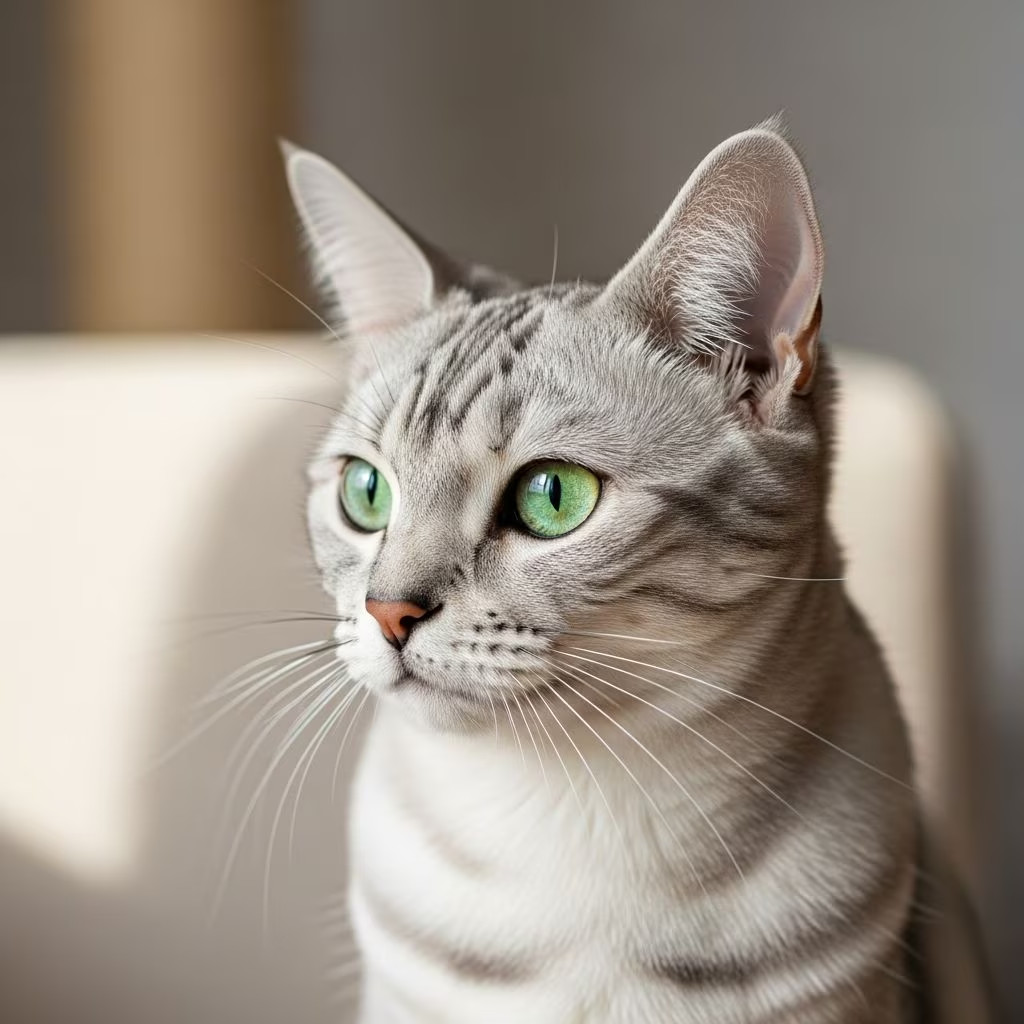
The Burmilla cat captivates with its shimmering silver coat and balanced temperament, blending playfulness and serenity. This medium-sized breed, originating from an accidental mating in the 1980s, offers companionship suited to diverse households.
Discovering the Burmilla’s Unique Heritage
The story of the Burmilla begins in 1981 in London, where a lilac Burmese female named Fabergé accidentally mated with a silver Chinchilla Persian male named Jemari Sanquist. This serendipitous event, overseen by breeder Baroness Miranda von Kirchberg, produced four stunning shorthair kittens with black shaded silver coats and vivid green eyes. Their allure prompted a deliberate breeding program to establish the breed.
By 1984, the Governing Council of the Cat Fancy (GCCF) recognized the Burmilla, marking its formal entry into cat fancy circles. The breed spread to Australia in the late 1980s, where it adapted well to local lifestyles. Today, organizations like The International Cat Association (TICA) and Cat Fanciers’ Association (CFA) champion its qualities, highlighting its evolution from a happy accident to a cherished pedigree.
- 1981: First litter born from accidental crossbreeding.
- 1984: GCCF grants preliminary recognition.
- 1990s: Gains full championship status and international popularity.
- Present: Longhair variant recognized by TICA.
Striking Physical Traits of the Burmilla
Burmillas boast a medium build, sturdy yet elegant, with males typically more robust and females daintier. They stand 10-12 inches tall at the shoulder and weigh 8-12 pounds, with males often heavier. The head features a gently rounded dome, wide jaw tapering to a blunt muzzle, and large, almond-shaped eyes in shades of green or gold, outlined by dark rims and a signature forehead ‘M’ marking.
The hallmark is the dense, short coat with a pale undercoat tipped in silver, black, tan, or brown, creating a sparkling effect. Shorthair is standard, but a longhair version exists with silky semi-long fur. Ears are wide-set and medium-sized, complementing a muscular, athletic body suited for graceful leaps.
| Feature | Description |
|---|---|
| Size | Medium; 10-12 inches tall, 8-12 lbs |
| Coat | Short, dense, silver-tipped; longhair variant available |
| Eyes | Expressive green/gold, almond-shaped |
| Build | Sturdy, muscular, elegant |
Affectionate Yet Independent Temperament
Burmillas inherit the Burmese’s sociability and curiosity alongside the Chinchilla Persian’s laid-back demeanor, resulting in a playful, affectionate cat that retains kitten-like traits into adulthood. They form strong bonds with owners, thrive in family settings, and get along with children and other pets when introduced properly.
Independent enough for alone time, they avoid excessive vocalization or demands, making them ideal for apartments or busy homes. Highly intelligent, they enjoy puzzles, interactive toys, and exploring, often opening cabinets in search of treats. Their irreverent charm shines in gentle mischief without aggression.
- Sociable with humans and animals.
- Playful and energetic, yet calm.
- Intelligent and trainable.
- Low-maintenance emotionally.
Health and Wellness Considerations
Burmillas generally enjoy robust health, with a lifespan of 10-15 years. Common concerns mirror parent breeds: potential hypertrophic cardiomyopathy (HCM) from Burmese lineage and polycystic kidney disease (PKD) from Persians, though selective breeding minimizes risks. Regular vet check-ups, including cardiac ultrasounds, are recommended.
They maintain good weight with balanced diets, avoiding obesity through activity. Dental care prevents issues common in pedigrees. No breed-specific vaccines beyond standards, but indoor living reduces parasite risks.
Grooming and Daily Care Routines
Low-maintenance coats require weekly brushing to manage minimal shedding and enhance sheen. Bathing is rare; focus on nail trims biweekly, ear cleaning monthly, and dental brushing daily. Provide scratching posts to protect furniture.
Nutrition emphasizes high-quality wet and dry foods rich in protein, tailored to age and activity. Fresh water and litter boxes (one per cat plus one) ensure hygiene. Burmillas adapt to indoor-only life with perches, toys, and windows for stimulation.
Ideal Living Environments for Burmillas
Versatile Burmillas suit apartments, houses, families, singles, seniors, and multi-pet homes. They prefer relaxed atmospheres but handle moderate activity. Indoor living is best for safety, supplemented by harness walks or enclosures. Early socialization fosters confidence.
Bringing Home Your Burmilla Kitten
Select ethical breeders screening for health via genetic tests. Kittens thrive post-12 weeks with core vaccines, deworming, and microchipping. Prepare with essentials: food, litter, bed, toys, and carrier. Gradual introductions ease transitions.
Training leverages intelligence: litter use is instinctive, scratching posts teach boundaries, and clicker methods excel for tricks. Monitor for stress via appetite and litter habits.
Burmilla Compared to Similar Breeds
Versus Burmese: Less demanding, silkier coat. Versus Persian: More active, shorter fur. Versus Asian Shorthair: Similar, but Burmilla emphasizes shading.
| Breed | Energy Level | Grooming | Affection |
|---|---|---|---|
| Burmilla | Medium-High | Low | High |
| Burmese | High | Low | Very High |
| Chinchilla Persian | Low | High | Medium |
Frequently Asked Questions (FAQs)
Are Burmilla cats good for beginners?
Yes, their adaptability, low grooming, and forgiving nature make them excellent for first-time owners.
How much do Burmilla cats shed?
Minimally; weekly brushing suffices.
Do Burmillas like other pets?
Generally yes, with proper introductions.
What is the average lifespan of a Burmilla?
10-15 years with proper care.
Are Burmillas vocal cats?
Moderately; they chirp softly rather than yowl.
Why Choose a Burmilla?
Burmillas offer sparkling beauty, engaging personalities, and straightforward care, enriching lives with quiet devotion and playful sparks. Their rising popularity reflects timeless appeal in modern homes.
References
- Burmilla Cats: Sparkling Silver Coats & Easygoing Charm — Pet Care Shed. 2023. https://petcareshed.com.au/blogs/pet-supplies/burmilla-cats-silver-coat-easygoing-charm
- About Burmilla Cat Breed — Purina Australia. 2024. https://www.purina.com.au/burmilla.html
- Burmilla Cat | History, Traits, and Care — Feline Fancy UK. 2023. https://felinefancy.co.uk/blogs/cat-breeds-info/burmilla-cat
- Burmilla Longhair – TICA — The International Cat Association. 2025-01-15. https://tica.org/breed/burmilla-longhair/
- Burmilla Cat Breed Guide — Scrumbles. 2024. https://scrumbles.co.uk/blogs/news/burmilla-cat
- What to Know About Burmilla Cats — WebMD. 2024-06-10. https://www.webmd.com/pets/cats/what-to-know-about-burmilla-cats
- Burmilla — Cat Fanciers’ Association. 2025. https://cfa.org/breed/burmilla/



