

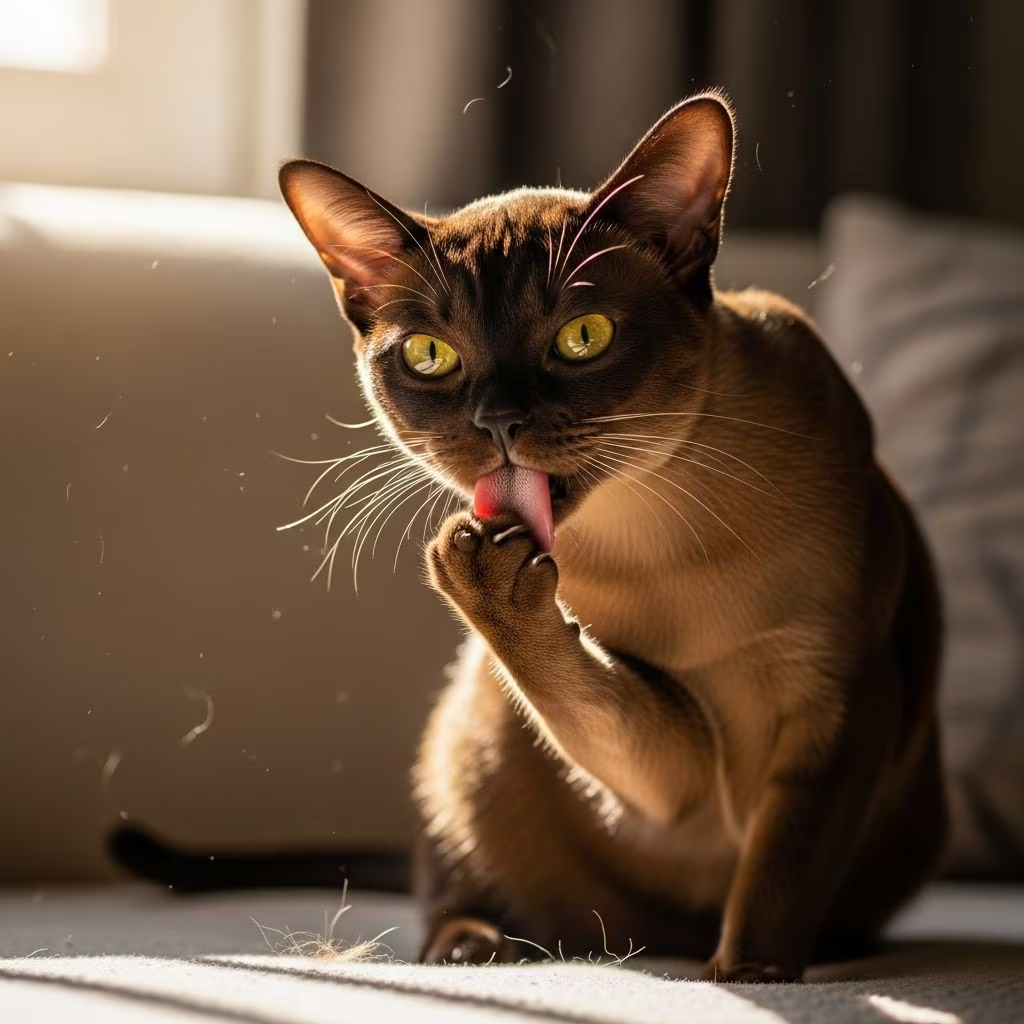
Burmese cats possess a sleek, short coat that results in minimal shedding compared to many other breeds, making them an excellent choice for those seeking a low-maintenance companion with elegant fur.
Understanding the Burmese Cat Breed
The Burmese cat originated from a cross between a Siamese and a small Burmese cat named Wong Mau in the 1930s, leading to a breed known for its muscular build, rounded head, and vibrant eyes. These cats typically weigh 6 to 14 pounds and live 12 to 18 years, displaying high energy, affection, and sociability.
Their coat comes in shades like sable, champagne, platinum, and blue, all characterized by fine, silky texture that lies close to the body. This structure contributes to their reputation as low-shedders, as the hairs are short and less prone to loosening en masse.
Why Burmese Cats Shed Minimally
Unlike long-haired breeds, Burmese cats have three hair types: guard hairs for color and protection, undercoat for insulation, and tactile hairs like whiskers. Their guard hairs are particularly fine and short, reducing the volume of loose fur released during natural cycles.
- Seasonal shedding occurs lightly in spring and fall to adapt to temperature changes.
- Daily self-grooming by the cat removes much of the loose hair before it spreads.
- Genetic factors from their Siamese ancestry promote a tight, glossy coat with low undercoat density.
This combination means Burmese owners rarely deal with tumbleweeds of fur on floors or furniture, though some hair collection is inevitable.
Grooming Routines for Optimal Coat Health
Regular grooming enhances the Burmese cat’s natural low-shedding trait and distributes skin oils for shine. Start early, using treats to build positive associations.
Essential Tools and Techniques
| Tool | Purpose | Frequency |
|---|---|---|
| Rubber brush or grooming glove | Removes loose hairs gently | 2-3 times weekly |
| Damp chamois cloth | Captures fine stray hairs | After brushing |
| Slicker brush | Detangles minor knots | Weekly |
| Humidifier | Prevents dry skin in low-humidity environments | Daily in winter |
Brush in the direction of hair growth, focusing on the back, sides, and tail. A quick wipe with a damp cloth post-brush picks up residual fur effectively. Bathing is rarely needed due to their self-cleaning habits, but use cat-safe shampoo if dirt accumulates.
Nutritional Strategies to Minimize Shedding
A nutrient-rich diet supports skin and coat integrity, directly impacting shedding volume. Prioritize high-quality proteins, omega fatty acids, and vitamins.
- Opt for premium kibble or wet food with named meat sources as the first ingredient.
- Incorporate fish oil supplements for omega-3s if recommended by a vet, aiding hydration and reducing dryness.
- Add cat grass or vitamin complexes to boost mineral intake, especially on homemade diets.
- Avoid fillers like cheap grains that can lead to dull fur and increased loss.
Balanced feeding prevents deficiencies that exacerbate shedding. Consult a veterinarian for tailored portions based on age, weight, and activity.
Recognizing Excessive Shedding in Burmese Cats
While normal shedding is light, unusual patterns signal underlying issues. Watch for patchy bald spots, dry brittle fur, or sudden increases in loose hair.
Common Causes of Abnormal Hair Loss
- Dietary Shortfalls: Lack of proteins or fats causes poor coat quality; upgrade to super-premium foods.
- Allergies: Food (e.g., chicken, beef), environmental, or flea-related trigger itching, redness, and loss. Symptoms include diarrhea or ear issues—vet testing is essential.
- Hormonal Disruptions: Thyroid problems or postpartum changes dry the coat; blood tests confirm and treat.
- Parasites and Infections: Fleas, ringworm, or bacterial folliculitis inflame follicles, worsened by weak immunity.
- Stress or Environment: Changes like moves or dry air prompt over-shedding; use calming aids and humidifiers.
- Chronic Conditions: Seborrhea, autoimmune diseases, or tumors require prompt diagnostics.
Monitor closely; if shedding persists beyond seasonal norms or accompanies lethargy, seek veterinary care immediately.
Environmental Factors Influencing Fur Loss
Home conditions play a key role. Low humidity dries skin, increasing fallout—run a humidifier in heated rooms. Stress from loud noises or isolation heightens shedding; provide interactive toys and affection, as Burmese thrive on companionship.
Protect against fleas with monthly preventatives, as infestations amplify loss across breeds. Regular home vacuuming with pet-specific filters traps what little fur escapes.
Health Monitoring and Preventive Care
Annual vet checkups catch issues early. Vaccinations, deworming, and dental care bolster immunity, indirectly supporting coat health. Track weight and fur condition monthly to spot trends.
- Bloodwork for thyroid and nutrient levels if shedding spikes.
- Skin scrapes for parasites or fungi.
- Diet trials for allergy elimination.
Proactive steps ensure your Burmese maintains its signature glossy allure with negligible shedding.
Burmese Cats in Allergy-Friendly Homes
Burmese rank among low-allergen breeds due to minimal dander from light shedding. However, no cat is fully hypoallergenic—regular grooming reduces allergens further. Their people-oriented nature suits families, but test exposure if allergies are severe.
FAQs About Burmese Cat Shedding
Do Burmese cats shed more than Siamese?
No, both have short, low-shedding coats, but Burmese may produce slightly more due to denser fur.
How often should I brush my Burmese cat?
Twice weekly suffices for loose hair removal and bonding.
Can diet alone stop excessive shedding?
It helps significantly, but combine with grooming and vet checks for best results.
Are Burmese good for allergy sufferers?
Yes, their low shedding minimizes dander, though individual reactions vary.
What if my Burmese is losing fur in patches?
See a vet promptly—it could indicate allergies, infections, or hormones.
With attentive care, Burmese cats offer companionship without the fur hassle, blending beauty and ease.
References
- Burmese Cat Shedding: Causes — Burmese Cattery. 2023. https://burmesecattery.com/burmese-cat-shedding-causes/
- Do Burmese Cats Shed? Breed Facts & Care Tips — Hepper. 2024-05-15. https://articles.hepper.com/do-burmese-cats-shed/
- Do Burmese Cats Shed A Lot? Vet-Verified Facts & Care Tips — Catster. 2024-08-20. https://www.catster.com/cat-health-care/do-burmese-cats-shed-a-lot/
- Burmese Cat Breed – Characteristics, Colors, & Personality — Litter-Robot. 2023-11-10. https://www.litter-robot.com/blog/burmese-cat/



