

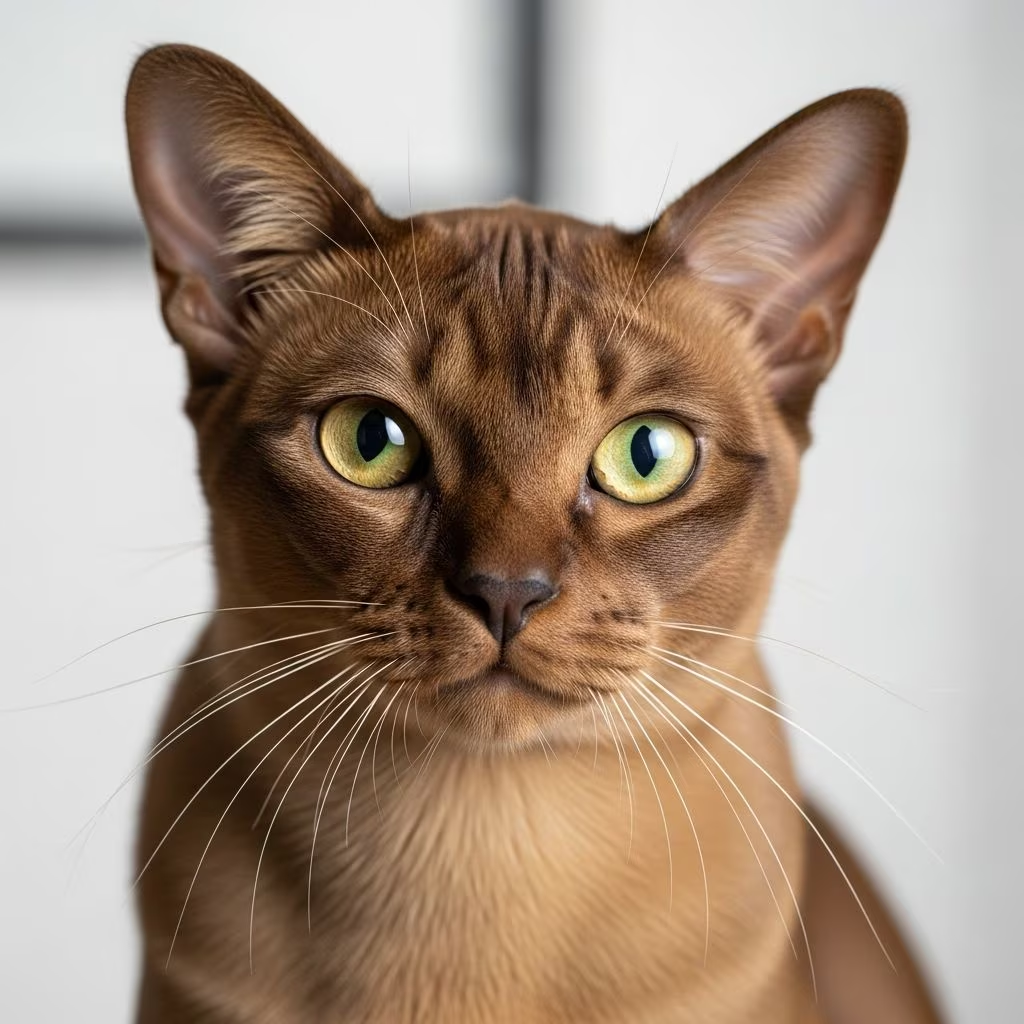
Burmese cats are not truly hypoallergenic, but their short, dense coats shed minimally, making them a better choice for some allergy sufferers compared to long-haired breeds.
Understanding Cat Allergies and Breed Suitability
Cat allergies primarily stem from Fel d 1 protein in saliva, which spreads to fur during grooming and becomes airborne. No breed is 100% hypoallergenic, but those producing less of this protein or shedding less reduce exposure. Burmese cats fit this profile with their glossy, close-lying coats that trap dander effectively.
Key factors influencing allergen levels include coat length, grooming habits, and individual genetics. Short-haired breeds like Burmese generally pose fewer issues than fluffy ones, though sensitivity varies by person. Testing exposure with a breeder or foster cat is advisable before adoption.
Physical Traits of the Burmese Cat
Burmese cats boast a compact, muscular build with a rounded head, large expressive eyes, and medium-sized frame. Males often weigh more, appearing denser than expected—described as ‘bricks wrapped in silk’.
- Body: Stocky yet elegant, with substantial bone and muscle.
- Head: Pleasingly round, broad muzzle, and forward-tilting ears.
- Eyes: Large, rounded, yellow to gold in color.
- Coat: Short, satin-like, in shades like sable brown, blue, platinum, or champagne.
Two body types exist: the stockier American style and slimmer European version, both maintaining low-maintenance fur.
Coat Characteristics and Shedding Levels
The Burmese coat is fine, glossy, and lies flat, shedding far less than average cats. This reduces visible fur and dander scatter, appealing to allergy-prone individuals. Weekly brushing suffices to manage loose hair and distribute skin oils.
| Feature | Burmese Coat | Comparison to Average Cat |
|---|---|---|
| Shedding | Low | Moderate to High |
| Length | Short | Varies (often longer) |
| Grooming Needs | Minimal (weekly brush) | Frequent for long coats |
| Allergen Impact | Lower exposure | Higher due to more dander |
Dark shading in kittens fades to uniform richness in adults, enhancing their sleek appeal.
Temperament and Lifestyle Fit
Known for puppy-like traits, Burmese cats are affectionate, social, and vocal. They bond deeply, crave interaction, and excel with families, children, and even dogs.
- Playful into old age, loving fetch and games.
- Highly curious, window-watching enthusiasts.
- Talkative with raspy meows to demand attention.
- Adaptable but dislike prolonged solitude.
Ideal for active homes, they need toys, cat trees, and perches to channel energy and prevent obesity.
Grooming and Maintenance for Allergy Control
Simple care minimizes allergens: brush weekly, bathe monthly with gentle shampoo, and clean litter daily. Vacuum regularly and use air purifiers to capture particles.
- Wipe fur with damp cloths to remove saliva.
- Provide high-quality diet for healthy skin.
- Trim nails biweekly.
- Monitor for matting, rare in this breed.
Males may be calmer, females more vocal, but both thrive on routine.
Health Profile and Longevity
Burmese cats live 10-16 years with proper care, but watch for:
- Obesity: Due to sturdy build; control portions.
- Dental issues: Common; brush teeth regularly.
- Hypertrophic cardiomyopathy: Heart condition; annual vet checks.
- Diabetes: Linked to diet and inactivity.
Choose reputable breeders screening for genetic issues.
Burmese Cats in Allergy Households: Realities
While promising, Burmese aren’t allergy-proof. Spend time with them to test reactions. Low shedding helps, but Fel d 1 persists. Alternatives include Sphynx (hairless) or breeds like Balinese with lower protein levels.
Success stories abound from owners using baths, filters, and medications alongside Burmese companionship.
Choosing and Bringing Home a Burmese
Adopt from CFA-registered breeders or rescues emphasizing health testing. Kittens start playful, mellowing gracefully. Prepare with scratching posts, interactive toys, and a calm environment.
Cost: $800-$2000 for pedigreed kittens. They adapt well but flourish in engaged homes.
Frequently Asked Questions (FAQs)
Are Burmese cats good for allergies?
Not fully hypoallergenic, but low shedding makes them tolerable for mild cases.
How much do Burmese cats shed?
Minimally; short coat requires little upkeep.
Do Burmese cats get along with dogs?
Yes, tolerant and social.
What’s the personality of a Burmese cat?
Affectionate, vocal, playful ‘dog-cats’.
How to reduce allergens from Burmese cats?
Regular grooming, cleaning, and ventilation.
Daily Care Routine for Optimal Health
Feed balanced kibble or wet food twice daily, measured to maintain weight. Fresh water always. Exercise via play sessions prevents lethargy in older cats. Vet visits yearly, vaccines up-to-date.
For apartments, vertical spaces like shelves suit their climbing nature. They’re vocal greeters, enhancing home life.
References
- Burmese Cat Breed Information — Purina. 2024. https://www.purina.co.uk/find-a-pet/cat-breeds/burmese
- Burmese Cat Breed – Temperament, Personality, Traits — Hill’s Pet. 2024. https://www.hillspet.com/cat-care/cat-breeds/burmese
- What to Know About Burmese Cats — WebMD. 2024. https://www.webmd.com/pets/cats/what-to-know-about-burmese-cats
- Burmese — Cat Fanciers’ Association. 2024. https://cfa.org/breed/burmese/
- Burmese cat — Wikipedia. 2024. https://en.wikipedia.org/wiki/Burmese_cat
- 11 Facts You Probably Didn’t Know About the Burmese Cat — Rover. 2024. https://www.rover.com/blog/burmese-cat/



