

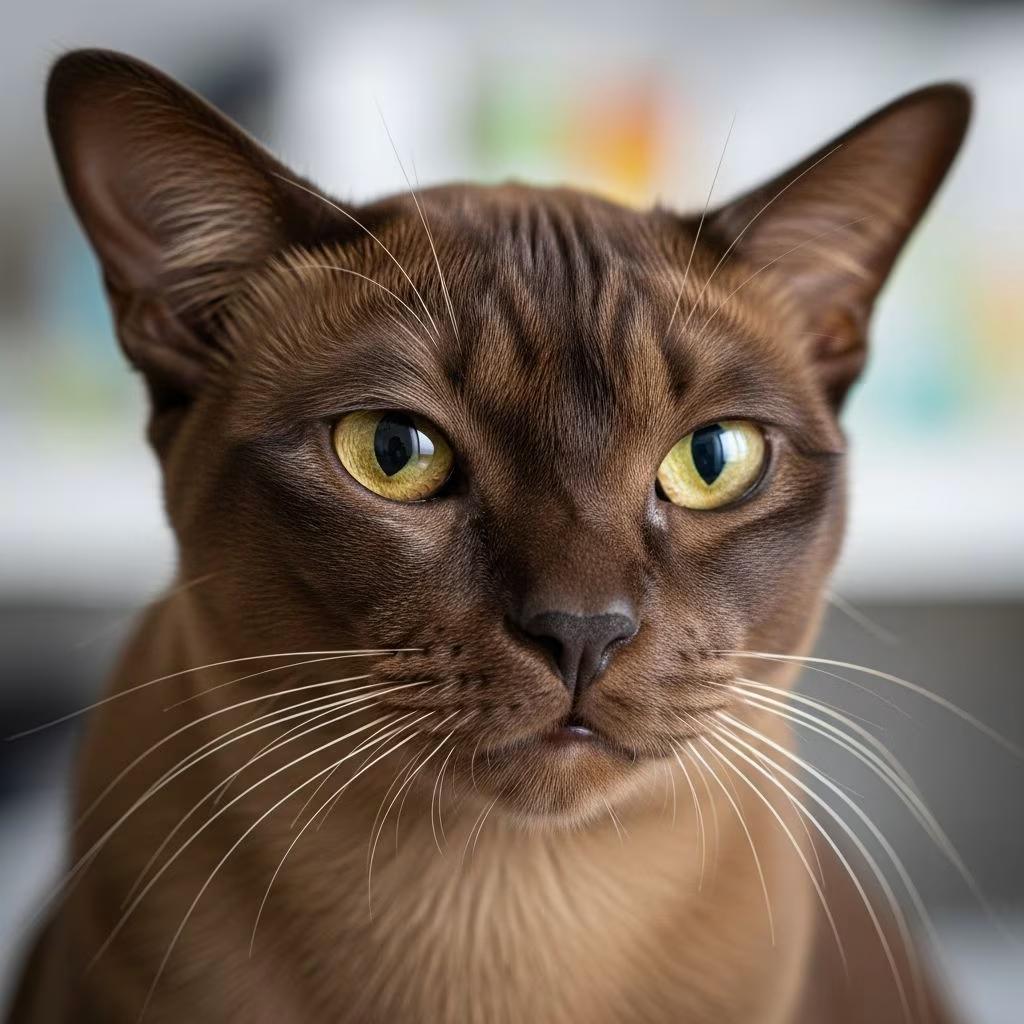
Burmese cats are beloved for their affectionate nature and playful demeanor, but like many purebred felines, they face specific health vulnerabilities. Understanding these risks empowers owners to provide proactive care, potentially extending their pet’s lifespan and improving quality of life. This guide delves into the primary concerns, drawing from veterinary insights to outline symptoms, causes, and management strategies.
Genetic Predispositions in Burmese Cats
Burmese cats carry several inherited conditions due to selective breeding. These genetic issues often manifest early in life and require screening from reputable breeders.
- Burmese Hypokalemic Polymyopathy: This inherited disorder leads to low potassium levels, causing muscle weakness, particularly in the neck and limbs. Kittens may struggle to hold their heads up or walk steadily, with symptoms appearing in the first year.
- Gangliosidosis: A fatal neurological disease from enzyme deficiency, resulting in fat buildup in the brain and nervous system. Signs include tremors, uncoordinated movements, and rapid decline, often proving lethal by 10 months.
- Burmese Head Defect: A breed-specific cranial malformation that can affect skull development, though modern screening has reduced incidence. Breeders should test parents genetically.
Cardiac and Respiratory Vulnerabilities
Young Burmese kittens are particularly susceptible to heart and chest abnormalities, which can be life-threatening if not addressed promptly.
| Condition | Symptoms | Critical Periods | Prognosis |
|---|---|---|---|
| Endocardial Fibroelastosis (or Edema) | Breathing difficulties, heart murmurs, failure | Newborn phase | Poor without intervention |
| Flat Chest Kitten Syndrome | Deformed ribs/sternum, respiratory distress | Days 10 and 21 | Good if survives 3 weeks |
These conditions thicken heart tissues or deform the chest cavity, impeding proper development. Early veterinary evaluation during critical growth windows is essential.
Metabolic Disorders: Diabetes and Beyond
Burmese cats show a heightened risk for diabetes mellitus, potentially linked to genetics and lifestyle factors like obesity. Up to 10% may be affected, with higher rates in certain regions.
- Increased thirst, urination, weight loss despite appetite, lethargy.
- Management involves insulin therapy, dietary control, and exercise to prevent complications like ketoacidosis.
Related metabolic issues include liver disorders such as hepatic lipidosis and kidney problems like chronic renal failure, often tied to age or diet.
Orofacial and Neurological Pain Syndromes
Feline Orofacial Pain Syndrome (FOPS) predominantly affects Burmese, causing intense facial discomfort triggered by eating or grooming. Cats paw at their mouths, drool excessively, or vocalize in distress.
- Triggers: Stress, sensory processing issues.
- Treatment: Anti-anxiety medications, pain relief; environmental enrichment reduces episodes.
Hyperesthesia syndrome, with rippling skin and tail-chasing, may overlap, indicating neurological hypersensitivity.
Dermatological and Oral Health Challenges
Skin and dental issues plague many Burmese, stemming from immune weaknesses or behaviors.
- Demodicosis: Mite infestations cause itching, scaling, and lesions due to follicular mites passed from mothers. Topical treatments and antibiotics resolve most cases.
- Psychogenic Alopecia: Stress-induced overgrooming leads to bald patches; behavioral therapy and stress reduction help.
- Dental Disease: Periodontitis and gingivitis are common, necessitating regular brushing and check-ups.
Behavioral Health Risks: Pica and Urinary Issues
Pica, the compulsion to eat non-food items like wool, risks intestinal blockages. Symptoms include vomiting and lethargy; prevention involves supervision and enrichment.
Lower urinary tract diseases, including infections and stones, affect bladder health, exacerbated by diet or stress.
Age-Related and Cancer Concerns
As Burmese age (lifespan 10-17 years), risks rise for chronic conditions like inflammatory bowel disease, lymphoma, asthma, and weight loss.
- Regular vet visits catch these early.
- Weight management prevents exacerbation.
Preventive Strategies for Optimal Health
Proactive measures significantly mitigate risks.
- Breeder Selection: Demand genetic testing for hypokalemia, gangliosidosis, head defect.
- Diet and Nutrition: Potassium-rich foods, portion control to avert diabetes and obesity.
- Environmental Enrichment: Toys, play, companions to curb FOPS and pica.
- Veterinary Routine: Annual bloodwork for potassium/diabetes; dental cleanings.
- Monitoring: Watch for early signs like weakness or odd behaviors.
Common Symptoms Quick Reference
| Category | Key Signs | Possible Conditions |
|---|---|---|
| Musculoskeletal | Weakness, tremors, stiff gait | Hypokalemia, Gangliosidosis |
| Respiratory/Cardiac | Breathing issues, lethargy | Endocardial issues, Flat chest |
| Metabolic | Thirst, weight loss | Diabetes, Renal failure |
| Neurological/Behavioral | Pawing face, overgrooming | FOPS, Alopecia, Pica |
Frequently Asked Questions (FAQs)
Are Burmese cats prone to diabetes?
Yes, they have a genetic predisposition, with symptoms manageable via insulin and diet.
What is FOPS in Burmese cats?
A pain syndrome causing facial distress, often stress-related and treatable with medication.
How can I prevent hypokalemia?
Genetic testing for breeders; supplements and monitoring for affected cats.
Do Burmese cats have eye problems?
Conditions like corneal sequestration and cataracts occur; regular exams are key.
What’s the lifespan of a healthy Burmese?
Typically 10-17 years with proper care.
Owner Experiences and Veterinary Advice
Many owners report success with early intervention. For instance, potassium supplements resolve hypokalemia symptoms quickly, while enriched environments minimize FOPS flares. Consult a vet familiar with the breed for tailored plans.
References
- Diseases of Burmese Cats — burmesecattery.com. Accessed 2026. https://burmesecattery.com/diseases-of-burmese-cats/
- Burmese cat breed – Petdirect — petdirect.co.nz. Accessed 2026. https://petdirect.co.nz/bp/burmese
- Burmese Cat FAQs Answered: Size, Lifespan and More — ASPCA Pet Insurance. Accessed 2026. https://www.aspcapetinsurance.com/resources/burmese/
- Burmese Cat Health Problems: 14 Vet-Verified Issues — Catster. Accessed 2026. https://www.catster.com/cat-health-care/burmese-cat-health-problems/
- Burmese Cat Breed Health and Care — PetMD. Accessed 2026. https://www.petmd.com/cat/breeds/burmese
- Burmese – PDSA — PDSA. Accessed 2026. https://www.pdsa.org.uk/pet-help-and-advice/looking-after-your-pet/kittens-cats/burmese



