

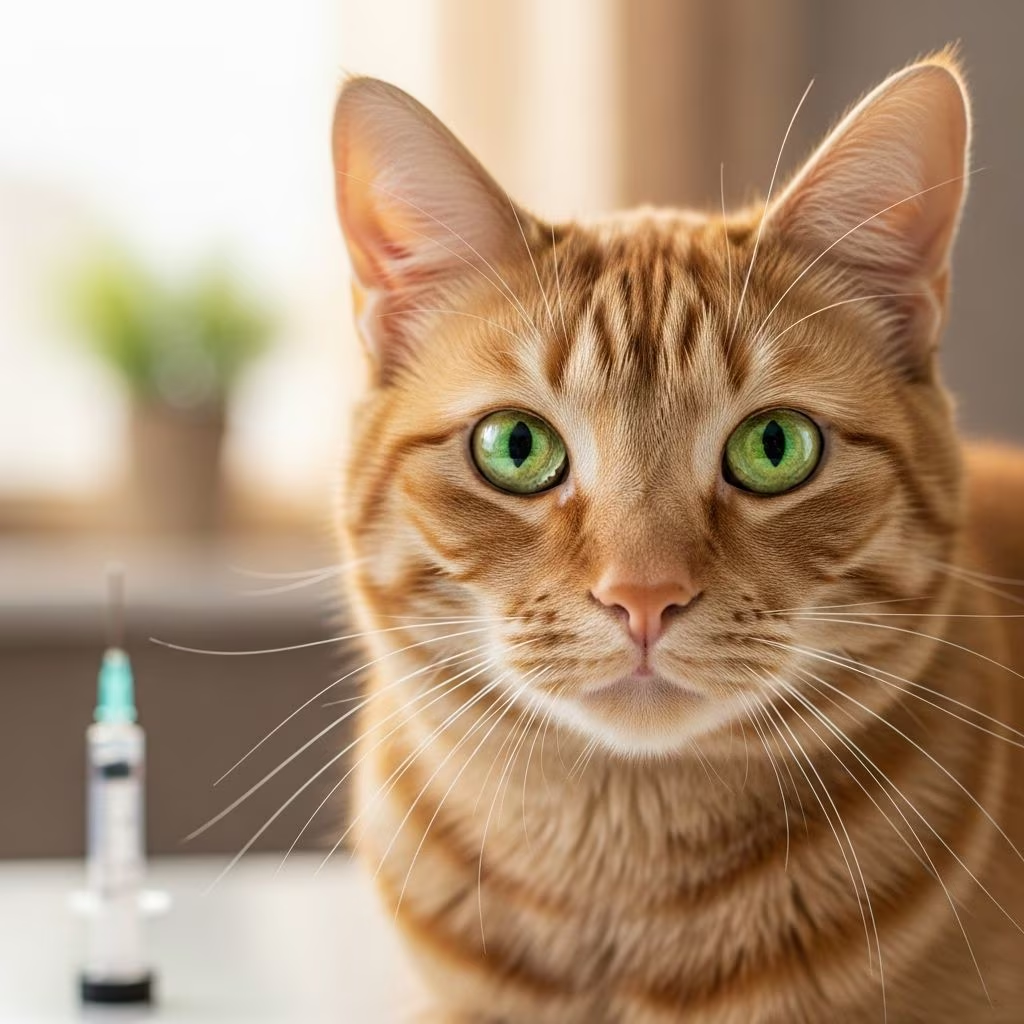
Pain management represents a critical component of veterinary care, particularly following surgical procedures or traumatic injuries. Buprenorphine has emerged as one of the most widely utilized medications in feline medicine for addressing both acute and chronic pain conditions. This comprehensive guide explores how this potent opioid works, its various formulations, proper administration techniques, and what cat owners should know about this controlled substance.
Understanding Buprenorphine: The Mechanics of Feline Pain Relief
Buprenorphine functions as an opioid partial agonist, a classification that distinguishes it from other pain medications commonly used in veterinary practice. The medication works by interacting with specific pain receptors located within the central nervous system, which encompasses the brain and spinal cord. By binding to these receptors, buprenorphine effectively diminishes a cat’s perception of pain, making it particularly valuable for managing discomfort during recovery periods.
The distinction between buprenorphine and other opioids lies in its partial agonist properties. Rather than providing complete activation of opioid receptors, buprenorphine offers a more controlled response, which may contribute to its favorable safety profile in feline patients. Due to its potency and potential for misuse, the Drug Enforcement Administration classifies buprenorphine as a Schedule III controlled substance, meaning veterinarians must follow specific regulatory guidelines when prescribing and dispensing this medication.
FDA-Approved Formulations: Modern Options for Cat Owners
Veterinarians currently have access to two primary FDA-approved buprenorphine formulations specifically designed for feline pain management. Understanding the differences between these options helps both veterinary professionals and cat owners make informed decisions about treatment protocols.
Simbadol: Injectable High-Concentration Buprenorphine
Simbadol represents the first FDA-approved buprenorphine product for cats, delivered as a high-dose injectable formulation. This medication is administered subcutaneously (under the skin) and provides pain relief lasting approximately 24 hours per injection. Veterinarians typically administer Simbadol once daily for up to three consecutive days following surgical procedures, making it a practical option for acute post-operative pain management in clinical settings.
Zorbium: The Transdermal Breakthrough
Zorbium represents a significant advancement in feline pain management technology, approved by the FDA in January 2022. This innovative transdermal solution is applied directly to a cat’s skin at the base of the neck, where it undergoes rapid absorption into the dermal layers. The standout feature of Zorbium involves its extended duration of action: a single application delivers four continuous days of pain relief, fundamentally changing how veterinarians approach post-surgical pain management in cats.
The mechanism of action for Zorbium involves continuous release of buprenorphine into the body over the four-day period, with pain relief typically beginning within one to two hours of application. This extended coverage period eliminates or substantially reduces the need for cat owners to administer additional pain medications at home, addressing a significant challenge in feline pain management where many cats resist medication administration.
Administration Methods: Tailoring Treatment to Individual Needs
Buprenorphine comes in multiple formulations, each suited to different clinical situations and practical considerations. The method of administration significantly influences both effectiveness and ease of use for pet owners.
Injection-Based Administration
Injectable buprenorphine represents the most common delivery method in veterinary practice. Standard buprenorphine injections are administered either intramuscularly (into muscle tissue) or intravenously (directly into veins), typically every 8 to 12 hours. The dosage for acute post-operative pain management ranges from 0.02 to 0.04 milligrams per kilogram of body weight. For maintenance pain management, veterinarians typically prescribe 0.01 to 0.04 milligrams per kilogram administered intramuscularly, intravenously, or transmucosally (through mucous membranes).
In-clinic administration eliminates concerns about pet owner compliance and ensures proper dosing, making injections particularly valuable for controlled substances. However, multiple injections over several days require repeat veterinary visits, which can be stressful for both cats and their owners.
Oral and Transmucossal Routes
For cats receiving buprenorphine at home, veterinarians frequently prescribe oral solutions administered via the buccal or sublingual route. This method involves placing a precise amount of buprenorphine into the cat’s cheek pouch or under the tongue, where the mucous membranes rapidly absorb the medication. The transmucossal route offers distinct advantages: it bypasses first-pass liver metabolism, potentially improving drug bioavailability, and requires only a small volume since buprenorphine is highly potent.
Pet owners administering buprenorphine at home must exercise careful attention to dosing accuracy. Veterinarians often provide pre-drawn syringes containing exact doses to minimize measurement errors and simplify the administration process. This approach has made home-based pain management more feasible for cats whose owners struggle with injectable administration.
Transdermal Application
Zorbium’s transdermal delivery system represents the newest administration option, available exclusively through veterinary clinics. Veterinary professionals or trained technicians apply the solution to the cat’s skin at the base of the neck during a routine clinic visit. Because Zorbium constitutes a potent controlled substance, home administration is prohibited; all applications must occur within veterinary hospitals by qualified personnel trained in handling opioid medications.
Appropriate Uses and Clinical Applications
While buprenorphine is primarily recognized for post-operative pain management, its versatility extends across several pain-related conditions in feline patients.
- Post-surgical pain relief – The primary FDA-approved indication for both Simbadol and Zorbium formulations following elective surgical procedures
- Traumatic injury pain – Managing discomfort associated with accidents, fractures, or other trauma-related injuries
- Chronic pain conditions – Off-label use for managing chronic pain associated with tissue inflammation, infection, pathological disease, and tissue spasms
- Pre-anesthetic medication – Part of pre-operative medication combinations to reduce pain perception during and after anesthesia
In veterinary practice, buprenorphine addresses both mild to moderate pain conditions and serves as part of comprehensive multimodal pain management protocols. The medication’s effectiveness in cats makes it particularly valuable given the species’ notorious sensitivity to pain and tendency to hide discomfort, which can mask serious health issues if inadequately managed.
Side Effects and Safety Considerations
Like all medications, buprenorphine carries potential side effects that veterinarians and cat owners should recognize and monitor. Clinical trials and post-market surveillance have documented various adverse reactions, ranging from common and mild to rare and serious.
Common Side Effects
The most frequently observed side effect of buprenorphine in cats involves elevated body temperature, particularly when using Zorbium formulations. Additional common side effects include:
- Sedation and drowsiness
- Hyperactivity and restlessness
- Increased affectionate behavior
- Vomiting and gastrointestinal upset
- Dilated pupils
- Constipation
Most of these side effects prove mild and transient, resolving as the medication metabolizes or the body adjusts to the drug. However, if a cat appears excessively drugged or demonstrates concerning behavioral changes, pet owners should contact their veterinarian to discuss potential dose adjustments.
Behavioral Changes
Some cats receiving buprenorphine exhibit behavioral modifications including aggression, agitation, and abnormal activity levels. These changes typically manifest shortly after medication administration and diminish as the drug’s effects wane. Veterinarians should inform cat owners about potential behavioral shifts to prevent misinterpretation of these effects as indicating an underlying problem with the medication itself.
Serious but Rare Side Effects
While uncommon, buprenorphine can cause slowed breathing (respiratory depression) in cats, a serious concern particularly in animals with pre-existing respiratory conditions. This serious side effect underscores the importance of using buprenorphine only under veterinary supervision and in appropriate dosages.
Clinical Efficacy and Evidence-Based Outcomes
The approval of Zorbium was based on rigorous clinical evidence demonstrating its effectiveness in feline pain management. FDA-sponsored studies evaluated the medication’s performance in client-owned cats of various breeds, ranging from 4 months to 5 years of age.
In these clinical trials, cats received either Zorbium or a placebo solution one to two hours before elective surgical procedures. All cats also received short-acting pain medication and local anesthetic as components of comprehensive pain management protocols. Researchers assessed pain levels at multiple intervals from the time cats entered post-anesthesia recovery through the fourth post-operative day.
Results demonstrated that significantly more cats in the Zorbium treatment group achieved adequate pain control throughout the entire four-day post-operative period compared to the placebo group. These evidence-based results support the use of buprenorphine as a reliable option for managing feline surgical pain, with particular emphasis on Zorbium’s convenience factor of requiring only a single application.
Regulatory Status and Controlled Substance Management
Buprenorphine’s classification as a Schedule III controlled substance by the DEA reflects its potential for misuse and dependence in humans, necessitating careful management and record-keeping by veterinary facilities. This regulatory status doesn’t diminish buprenorphine’s safety or appropriateness for feline patients but does require veterinarians to maintain specific documentation and disposal protocols.
Pet owners who receive buprenorphine for home administration must store the medication securely to prevent unauthorized access and should never share the medication with other animals or persons. Unused buprenorphine should be disposed of properly according to FDA guidelines, typically through veterinary clinics or authorized pharmaceutical disposal programs rather than household trash.
Advantages and Limitations of Buprenorphine Therapy
| Advantages | Limitations |
|---|---|
| Effective for mild to moderate pain in cats | Requires prescription from licensed veterinarian |
| Multiple formulations available for different situations | Schedule III controlled substance with regulatory requirements |
| Zorbium provides four days of relief from single application | Potential side effects including sedation and behavioral changes |
| Partial agonist mechanism may offer improved safety profile | Not suitable for severe pain requiring stronger medications |
| Can be used for chronic pain management off-label | Requires proper storage and disposal procedures |
Frequently Asked Questions About Feline Buprenorphine
How quickly does buprenorphine begin working in cats?
Injectable buprenorphine typically takes effect within 30 minutes to one hour of administration, while Zorbium transdermal formulations provide pain relief within one to two hours following application. The timing varies slightly depending on the specific formulation and individual cat metabolism.
Can buprenorphine be used for long-term chronic pain in cats?
Yes, although FDA approval focuses on post-operative pain, veterinarians frequently prescribe buprenorphine off-label for managing chronic pain conditions in cats, including pain from tissue inflammation, infection, and disease-related discomfort. This represents common veterinary practice, as medications are often used beyond their specific FDA approvals when clinical judgment supports such use.
What should I do if my cat seems too sedated after receiving buprenorphine?
Contact your veterinarian to discuss potential dose reduction. Some cats experience more pronounced sedation than others, and adjusting the dosage can often resolve excessive drowsiness while maintaining adequate pain relief.
Can I give my cat buprenorphine at home?
Buprenorphine can be dispensed for home administration in injectable or oral solution forms, with many veterinarians providing pre-filled syringes for easy administration. However, Zorbium transdermal formulations must be applied only in veterinary clinics by trained professionals. Always follow your veterinarian’s specific instructions regarding administration method and frequency.
Is buprenorphine safe for all cats?
While generally safe, buprenorphine may not be appropriate for cats with certain pre-existing conditions, particularly respiratory diseases. Cats receiving other medications should have their medication profiles reviewed by the veterinarian to prevent dangerous drug interactions. Always inform your veterinarian about any existing health conditions or medications your cat is taking.
Conclusion: Optimizing Feline Pain Management Through Buprenorphine
Buprenorphine represents a cornerstone of modern feline pain management, offering veterinarians multiple formulation options to address diverse clinical situations and practical circumstances. From traditional injectable Simbadol to innovative transdermal Zorbium, these medications provide effective pain relief while minimizing pet owner burden and enhancing post-operative recovery quality.
The introduction of longer-acting formulations reflects ongoing advancement in veterinary medicine, acknowledging the challenges of feline pain management and the stress that medication administration places on both cats and their owners. By understanding how buprenorphine works, recognizing its appropriate clinical applications, and being aware of potential side effects, pet owners can work collaboratively with their veterinarians to ensure optimal pain management outcomes for their feline companions.
References
- FDA Approves First Transdermal Buprenorphine for Use in Cats — U.S. Food and Drug Administration. 2022-01-20. https://www.fda.gov/animal-veterinary/cvm-updates/fda-approves-first-transdermal-buprenorphine-control-post-surgical-pain-cats
- Buprenorphine for Cats: Uses, Dosage, Side Effects — GoodRx. https://www.goodrx.com/pet-health/cat/buprenorphine
- What to Know About Buprenorphine for Cats — WebMD. https://www.webmd.com/pets/cats/what-to-know-buprenorphine-for-cats
- Buprenorphine for Dogs and Cats — Wedgewood Pharmacy. https://www.wedgewood.com/medications/buprenorphine/
- Buprenorphine (Buprenex®, Simbadol®, Zorbium®) for Dogs and Cats — PetMD. https://www.petmd.com/pet-medication/buprenorphine-buprenex-simbadol-zorbium-dogs-cats
- Management of Chronic Pain in Cats — Today’s Veterinary Practice. https://todaysveterinarypractice.com/pain_management/focus-on-pharmacology-management-of-chronic-pain-in-cats/
- Buprenorphine — VCA Animal Hospitals. https://vcahospitals.com/know-your-pet/buprenorphine



