

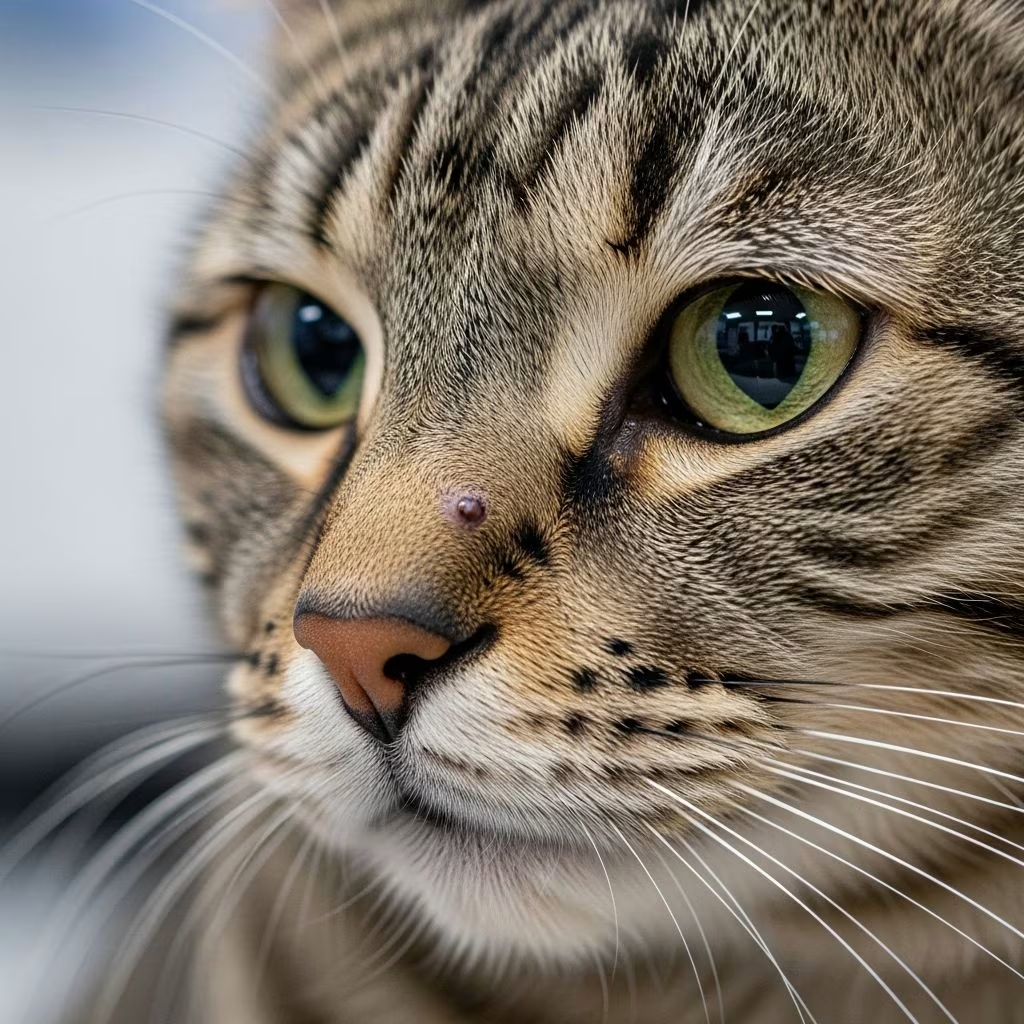
A bump on your cat’s nose bridge can range from a minor injury to a sign of serious illness like fungal infection or cancer. Prompt veterinary evaluation is essential to determine the cause and ensure proper treatment.
What Causes a Bump on a Cat’s Nose Bridge?
Bumps or swelling on a cat’s nose bridge often indicate underlying health issues affecting the nasal area. These can involve internal inflammation (rhinitis or rhinosinusitis) or external visible swelling. Common culprits include infections, trauma, allergies, and neoplasia.
Internal swelling primarily affects nasal passages and sinuses, leading to symptoms like sneezing, discharge, and breathing difficulties. External swelling appears as a noticeable lump on the bridge, often linked to fungal infections or tumors.
Trauma and Abscesses
Cat fights are a leading cause of nasal bumps, especially in multi-cat homes or outdoor cats. Scratches or bites cause localized inflammation, swelling, and potential abscesses as the body fights infection. Swelling typically peaks within 24-48 hours and may resolve, but persistent cases require drainage or antibiotics.
Other trauma, like falls or impacts, can fracture nasal bones, causing rapid, painful swelling. Visible deformity and reluctance to eat suggest fractures needing X-rays.
Infectious Causes
Viral Infections
Feline herpesvirus (FHV-1) and calicivirus are primary causes of rhinitis, leading to nasal congestion and occasional bridge swelling in severe cases. These highly contagious viruses thrive in stressed environments like shelters.
Symptoms include clear to mucopurulent discharge, sneezing, and ulcers. Chronic carriers may experience flare-ups.
Bacterial Infections
Bacteria like Bordetella bronchiseptica and Chlamydophila felis often follow viral damage, causing purulent discharge and swelling. Secondary infections prolong symptoms.
Fungal Infections
**Cryptococcus** is the most common fungal culprit for visible nasal bridge swelling, creating firm, nodular lumps that deform the face. Other fungi include Aspergillus felis, Sporothrix, Histoplasma capsulatum, and Blastomyces dermatitidis.
These infections spread via inhalation of spores, more prevalent in humid climates or soil exposure. Cats show nasal discharge, sneezing, and skin ulcers.
Allergies and Parasites
Allergic rhinitis from pollen, dust, or food causes seasonal itching and mild swelling. Mosquito or spider bites provoke unique feline hives on the nose.
Parasites like nasal mites (Pneumonyssoides caninum) are rare but cause irritation and discharge.
Dental Issues and Polyps
Abscessed tooth roots erode into nasal cavities, causing unilateral swelling and foul breath. Older cats are prone.
Nasal polyps, benign growths in kittens, block passages and may swell the bridge. They originate from ear canals via Eustachian tube.
Cancer
Nasal tumors like carcinoma and lymphoma are common in senior cats, causing progressive bridge swelling, epistaxis (nosebleeds), and facial distortion. Carcinoma is most deforming.
Symptoms to Watch For
Beyond the bump, monitor for:
- Sneezing or nasal discharge (clear, bloody, purulent)
- Breathing difficulties or open-mouth breathing
- Facial deformity or asymmetry
- Eye or mouth involvement (squinting, drooling)
- Lethargy, appetite loss, or weight loss
- Skin ulcers or scabs on the nose
Sudden swelling post-fight is often trauma-related, but persistent or growing bumps signal infection or neoplasia.
Diagnosis: What to Expect at the Vet
Veterinarians start with a physical exam, checking for dental disease, polyps, or abscesses. History (indoor/outdoor, vaccines, fights) guides differentials.
Diagnostic Tests:
- Imaging: X-rays or CT scans reveal fractures, tumors, or fungal granulomas.
- Rhinoscopy: Endoscope visualizes passages for biopsies, foreign bodies, or polyps.
- Biopsy/Fine-Needle Aspirate: Essential for lumps to differentiate infection from cancer.
- PCR Testing: Detects viral, bacterial, fungal DNA.
- Bloodwork: Rules out systemic issues, though often normal.
- Culture: Guides antibiotics for bacteria.
Trial therapies (antibiotics, antifungals) monitor response in ambiguous cases.
Treatment Options by Cause
Treatment targets the underlying issue. Early intervention improves prognosis.
| Cause | Treatment | Prognosis |
|---|---|---|
| Trauma/Abscess | Drainage, antibiotics, pain relief | Excellent if uncomplicated |
| Viral Rhinitis | Supportive: L-lysine, antivirals, stress reduction | Good; chronic in carriers |
| Bacterial | Antibiotics (doxycycline), anti-inflammatories | Good with early treatment |
| Fungal | Antifungals (fluconazole/itraconazole months-long), surgery | Guarded; relapses common |
| Allergies | Antihistamines, steroids, allergen avoidance | Good control |
| Polyps | Surgical removal (traction, laser, bulla osteotomy) | Recurrence risk 15-50% |
| Cancer | Radiation, chemo, surgery | Palliative; poor long-term |
Supportive Care: Humidifiers loosen mucus; clean discharge gently. Appetite stimulants, fluids, and nutrition aid recovery.
When to See a Vet Urgently
- Bump larger than 1cm or rapidly growing
- Accompanied by bleeding, breathing issues, or eye problems
- No improvement after 48 hours post-trauma
- Systemic signs: fever, anorexia
Send photos for initial assessment, but exam is ideal.
Prevention Tips
- Keep cats indoors to avoid fights/fungi
- Vaccinate against herpes/calicivirus
- Reduce stress for immune support
- Regular dental checks
- L-lysine supplements for at-risk cats
Monitor outdoor cats closely.
Frequently Asked Questions (FAQs)
What is the bump on my cat’s nose bridge?
A small bump may be a scab from fights; larger swellings suggest fungal infection or cancer. Vet exam needed.
Why is my cat’s nose swollen after a fight?
Inflammation from wounds; resolves in 1-2 days or treat if infected.
Can allergies cause a swollen cat nose?
Yes, seasonal or bite-related allergies cause hives/swelling.
Is a nose bump always cancer?
No, but common in seniors; biopsy confirms.
How long do fungal treatments take?
Months; monitor closely.
References
- Cat Swollen Nose: Causes & How to Help — Cats.com. 2023. https://cats.com/cat-swollen-nose
- Rhinitis and Sinusitis in Cats — Merck Veterinary Manual. 2023-10-17. https://www.merckvetmanual.com/cat-owners/lung-and-airway-disorders-of-cats/rhinitis-and-sinusitis-in-cats
- Nasal Polyps in Cats — VCA Animal Hospitals. 2023. https://vcahospitals.com/know-your-pet/nasal-polyps-in-cats



