

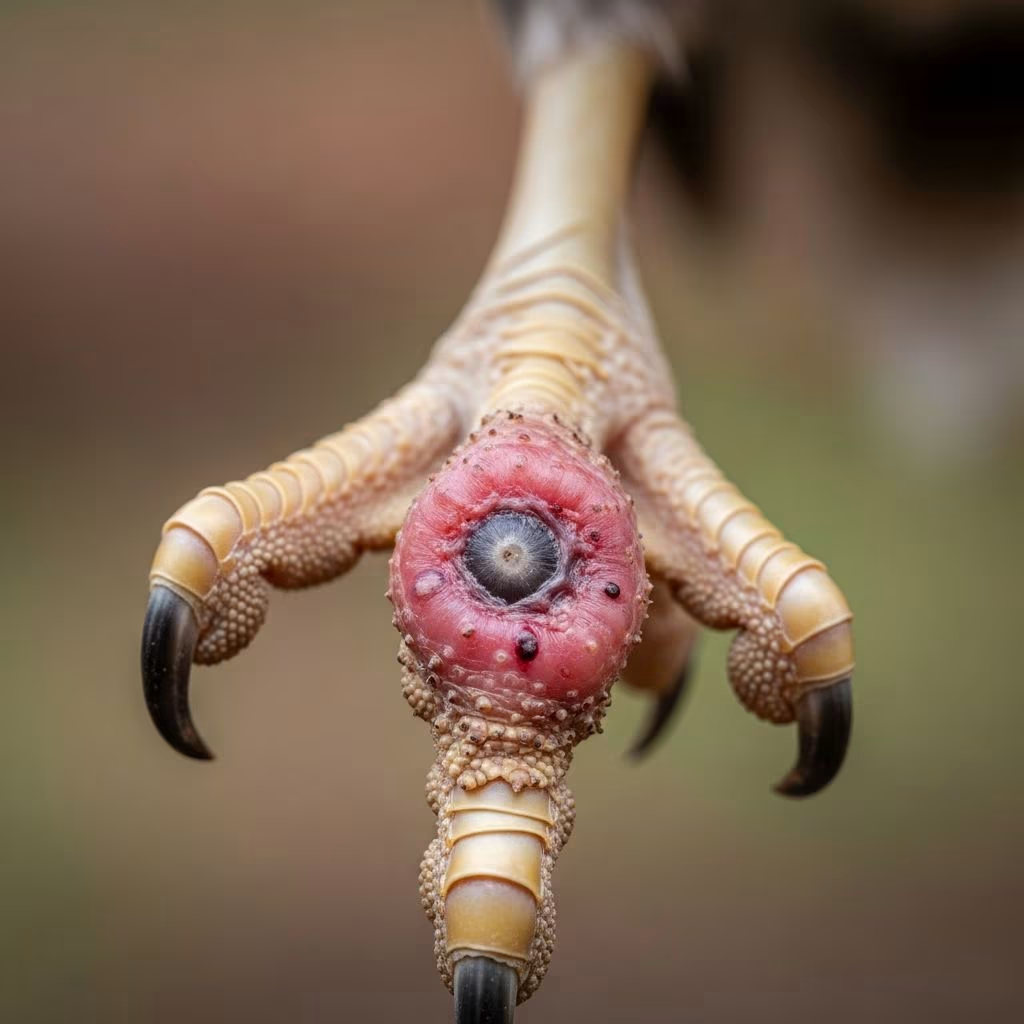
Understanding Bumblefoot in Avian Species
Bumblefoot, medically known as pododermatitis, is a common condition affecting the feet of birds, particularly in captive avian species. This inflammatory condition of the plantar surface of the foot can range from mild surface irritation to severe infections involving deep tissue structures. Early recognition and appropriate intervention are crucial for preventing progression and ensuring successful treatment outcomes.
What Causes Bumblefoot in Birds?
Bumblefoot develops as a result of multiple factors working in combination. The condition typically begins when the delicate skin on the bottom of a bird’s foot becomes irritated or damaged, creating an entry point for bacterial infection. Several underlying causes contribute to the development of this condition:
– Improper perching surfaces with inadequate diameter variation or excessive smoothness- Poor cage sanitation and dirty bedding- Obesity and excessive pressure on foot pads- Nutritional deficiencies affecting skin and immune health- Constant pressure from perching on the same diameter dowel rods- Abrasive materials like sandpaper on perches- Compromised immune system function- Secondary bacterial infections, commonly from Staphylococcus species
Understanding these causative factors is essential, as successful treatment must address not only the infection itself but also the underlying husbandry and environmental issues that precipitated the condition.
Grading System for Bumblefoot Severity
Veterinarians use a standardized grading system to classify bumblefoot severity, which directly influences treatment decisions and prognosis. This system helps determine whether conservative management or surgical intervention is necessary.
Grade 1 Lesions
Grade 1 represents the mildest form of bumblefoot, characterized by mild hyperkeratosis and slight swelling on the plantar surface of the foot. At this stage, the bird may show minimal or no clinical signs, and the condition is often discovered during routine examination.
Grade 2 Lesions
Grade 2 lesions show progression with moderate hyperkeratosis, callus formation, and mild swelling. Some mild irritation may be present, but lameness is typically not evident. Early intervention at this stage can prevent further deterioration.
Grade 3 Lesions
Grade 3 represents a significant progression, with ulcer formation on the soles of the feet and calluses developing around the edges of the lesions. Some pain and mild lameness become apparent at this severity level. The ulceration indicates breakdown of the protective skin barrier and potential bacterial involvement.
Grade 4 Lesions
At Grade 4, a necrotic plug forms in the center of the ulcer, indicating tissue death. Pain and lameness become more pronounced, and the bird’s mobility may be noticeably affected. This stage requires veterinary intervention to prevent further deterioration.
Grade 5 Lesions
Grade 5 is characterized by cellulitis and significant edema surrounding the necrotic area. The foot or digits become noticeably swollen, and tendons and metatarsal pads may become infected. Severe pain and lameness are present, and the bird’s quality of life is significantly compromised without treatment.
Grade 6 Lesions
Grade 6 represents the most severe form, with swollen digits and rupture of necrotic flexor tendons on the plantar surface. Even with aggressive treatment, non-functioning digits and joint fusion (ankylosis) typically result. This stage often leads to permanent disability and significantly compromised quality of life.
Clinical Signs and Symptoms
Bird owners and caretakers should be alert to the following signs that may indicate bumblefoot:
– Visible swelling or redness on the bottom of the foot- Formation of scabs or calluses on the plantar surface- Reluctance to perch normally or favoring one foot- Lameness or difficulty walking- Excessive grooming or picking at the affected foot- Discharge or drainage from the foot- Behavioral changes such as increased irritability or inactivity- Difficulty maintaining balance- Visible abscesses or open lesions
Early detection of these signs allows for prompt intervention and significantly improves treatment outcomes.
Diagnostic Approach
Proper diagnosis is essential for effective treatment. Your avian veterinarian will perform a thorough physical examination of the affected foot and may recommend additional diagnostic procedures. Radiographs (X-rays) are particularly valuable for assessing whether bone infection is involved, which significantly impacts treatment decisions. Tissue culture and sensitivity testing can identify the specific bacteria involved and guide antibiotic selection.
Treatment Options Based on Severity
Treatment approaches vary significantly depending on the grade of bumblefoot and the individual bird’s circumstances.
Conservative Treatment for Grades 1, 2, and 3
Grade 1, 2, and 3 disease may be successfully treated with conservative approaches. Oral anti-inflammatory medication helps reduce pain and swelling, while foot wraps protect the bottom of the feet from further irritation and pressure. Perching surfaces in the cage must be altered to provide different diameters and include flat surfaces where the bird is not forced to constantly grasp a perch.
Environmental modifications are crucial components of treatment. Antibiotics may be recommended depending on tissue analysis and radiographic findings. Regular gentle cleaning of the feet with surgical scrub solutions followed by application of moisturizing lotions should be performed every three days. For Grade 2 lesions with signs of active infection, perches should be padded immediately to prevent further irritation.
Soaking the affected foot in warm water solutions containing Epsom salts can help soften scabs and reduce inflammation. Pain management with appropriate medications helps maintain the bird’s comfort during the healing process.
Surgical Intervention for Grades 4, 5, and Sometimes 3
Bumblefoot lesions categorized as Grade 4 or 5, and sometimes Grade 3, will require surgical intervention. Prior to surgery, the patient will be given pre-surgical pain relief medication. The bird will be anesthetized, and the foot or feet will be carefully cleansed with disinfectant solution. The veterinarian will lance the swelling and remove abscess material using forceps, then flush the open sites with cleansing solutions.
For Grade 4 lesions, the necrotic plug at the center is removed, and a sample is collected for culture and sensitivity testing to select the appropriate antibiotic. The wound is thoroughly irrigated and disinfected, and a solution often consisting of DMSO, dexamethasone, and antibiotic may be applied. A hydroactive wound dressing draws out infection and promotes healing, and the foot is bandaged. Bandages are changed every three days to assess healing, and systemic antibiotics with pain management are administered.
Grade 5 and 6 lesions require radiographs to assess bone involvement. Treatment is similar to Grade 4 management but with injectable systemic antibiotics and more frequent bandage changes. Grade 6 lesions typically require sterile surgery under general anesthesia where a tourniquet is applied to control bleeding, the abscess wall is removed, and devitalized tendons and ligaments are debrided.
Comprehensive Treatment Considerations
Successful bumblefoot treatment addresses multiple aspects simultaneously:
Nutritional Support
Proper nutrition is fundamental to successful healing. Birds require adequate protein, vitamins, and minerals to support immune function and tissue repair. Weight management is crucial, as obesity increases pressure on foot pads and exacerbates the condition.
Environmental Modifications
Perch design is critical. Providing a variety of perch diameters and uneven surfaces encourages natural foot movement and distribution of pressure. Avoiding smooth dowel rods and sandpaper perches is essential. Deep, clean bedding reduces contamination and allows birds to rest with minimal foot pressure.
Sanitation Practices
Maintaining excellent cage cleanliness reduces bacterial contamination and supports faster healing. Regular removal of soiled bedding and disinfection of perches prevents reinfection and secondary complications.
Pain Management
Appropriate analgesic medications help maintain the bird’s comfort and encourage normal activity during recovery. Pain relief is particularly important in higher-grade lesions where lameness is severe.
Complementary Holistic Approaches
While not substitutes for proper medical therapy, complementary approaches may support conventional treatment when used in conjunction with veterinary care:
– Chinese herbal extracts such as Astragalus and Angelica may support immune function- Aloe vera juice can be administered to support healing- Homeopathic remedies Ledum 6C or Silicea 6C may offer additional support- Acupuncture point stimulation may be beneficial when performed by qualified practitioners- Ensure consultation with a veterinarian experienced in holistic avian medicine before implementing these approaches
Treatment Timeline and Prognosis
Treatment duration varies significantly based on disease severity. Stage 1 and 2 cases may only require conservative treatments with shorter recovery periods. Chronic and severe cases in Stages 3 to 5 may require prolonged treatment involving multiple interventions. Advanced surgical techniques such as intravenous regional limb perfusion and antibiotic-release bead placement may be warranted in some cases to increase treatment success rates. Complete recovery from severe bumblefoot can take 4 to 6 months, with bandage changes continuing throughout the healing process.
Prevention Strategies
Preventing bumblefoot is significantly easier than treating it. Implementation of preventive measures reduces the risk substantially:
– Provide appropriate perching with varied diameters and textures- Maintain excellent cage sanitation and regular bedding changes- Monitor bird weight and implement weight loss programs if needed- Supply complete, balanced nutrition appropriate for the species- Avoid abrasive perching materials- Provide deep, clean bedding areas- Regularly inspect feet for early signs of irritation- Maintain proper environmental temperatures and humidity- Reduce stress through appropriate handling and environmental enrichment
Frequently Asked Questions
Q: Can bumblefoot be completely cured?
A: Yes, bumblefoot can be successfully treated and cured, particularly when caught early. Grade 1 and 2 lesions typically respond well to conservative treatment. Higher grades may resolve with appropriate surgical and medical intervention, though recovery takes longer and the risk of permanent damage increases with severity.
Q: How long does bumblefoot treatment typically take?
A: Early-stage disease may resolve in several weeks with conservative treatment. Severe cases requiring surgery may take 6-8 weeks of active treatment, with full recovery potentially extending 4-6 months. Recovery timeline depends on grade severity and individual bird response to treatment.
Q: Is bumblefoot contagious to other birds?
A: Bumblefoot itself is not directly contagious, but the bacterial organisms causing secondary infection may spread through contaminated perches and bedding. Isolating affected birds and maintaining strict sanitation prevents transmission of bacteria to other birds in the same environment.
Q: Can I treat bumblefoot at home without veterinary care?
A: Grade 1 and mild Grade 2 lesions may be managed at home with environmental modifications, cleaning, and bandaging. However, professional veterinary evaluation is strongly recommended to determine severity and rule out deeper infections. Grades 3 and higher require veterinary intervention and should never be managed at home alone.
Q: What role does nutrition play in bumblefoot prevention and treatment?
A: Proper nutrition is fundamental to both prevention and treatment. Adequate protein, vitamins, and minerals support immune function and tissue repair. Overweight birds face significantly increased risk due to greater pressure on foot pads. Weight management and balanced nutrition are essential components of comprehensive bumblefoot management.
Q: Should I change my bird’s perches if bumblefoot is diagnosed?
A: Yes, absolutely. Perch modification is critical to treatment success and prevention. Provide varied diameters, uneven surfaces, and flat resting areas. Remove smooth dowel rods and sandpaper perches immediately. Padded perches during active treatment reduce pressure on affected feet and promote faster healing.
References
- Bumblefoot in Avian Species — VCA Animal Hospitals. 2024. https://vcahospitals.com/know-your-pet/bumblefoot-in-avian-species
- Symptoms & Treatment of Bumblefoot in Parrots — Hari. 2024. https://hari.ca/avian-care/symptoms-treatment-of-bumblefoot-in-parrots/
- Management of Bumblefoot in Chickens — Today’s Veterinary Practice. 2024. https://todaysveterinarypractice.com/exotic-medicine/management-of-bumblefoot-in-chickens/
- Bumblefoot in Poultry — Tree of Life Exotic Pet Medical Center. 2024. https://treeoflifeexotics.vet/education-resource-center/for-clients/poultry/bumblefoot-in-poultry
- Bumblefoot – Symptoms, Causes, Prevention and Treatment for Chickens — Dine a Chook. 2024. https://www.dineachook.com.au/blog/bumblefoot-symptoms-causes-prevention-and-treatment-for-chickens/
- Bumblefoot in Poultry — University of Connecticut Animal Science. 2022. https://animalscience-cahnr.media.uconn.edu/wp-content/uploads/sites/3396/2022/06/articlesByFaculty_2_1466903549.pdf
- Bumblefoot in Chickens: Signs, Treatment & Prevention — Poultry DVM. 2025. https://poultrydvm.com/condition/bumblefoot



