

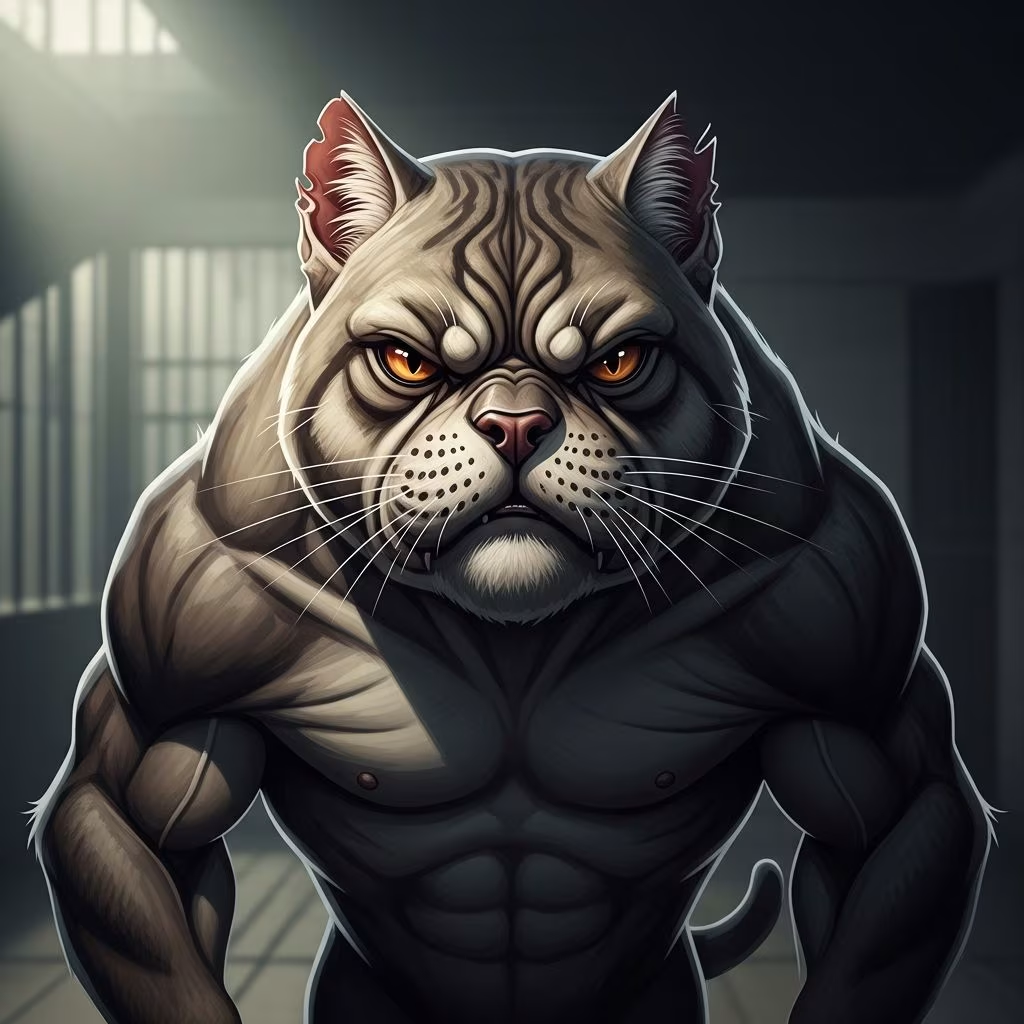
A dangerous new trend in cat breeding known as ‘XL Bully cats’ or Bullycats is gaining traction in the UK, sparking outrage from animal welfare experts. These cats, engineered to mimic the banned XL Bully dog with muscular builds, hairlessness, and shortened legs, prioritize aesthetics over health, leading to severe, entirely man-made welfare issues.
What Are Bullycats?
Bullycats represent a hybrid breeding trend combining traits from Sphynx (hairless) and Munchkin (short-legged) cats, often with added features like curled ears from breeds such as the American Curl or Highland Fold. The result is a stocky, wrinkled, furless feline with broad shoulders, thick necks, and an exaggerated muscular appearance that resembles an AI-generated image more than a natural cat. This trend originated in the US and has rapidly spread to the UK, fueled by social media virality and demand for novelty pets.
Unlike established breeds, Bullycats are not recognized by major registries like the Governing Council of the Cat Fancy (GCCF), highlighting their experimental and unregulated status. Breeders market them as ‘robust’ and ‘unique,’ but veterinary assessments reveal profound concerns. Allison Richards, head of clinical services at Cats Protection, stated after reviewing online images: “Our veterinary assessments of the photos and videos we have seen online of these cats have raised serious welfare concerns.”
Health Risks of Bullycats
The health problems in Bullycats are amplified versions of issues already prevalent in parent breeds, creating a ‘double whammy’ of genetic defects. Dr. Grace Carroll from Queen’s University Belfast notes that these cats face challenges “twice as severe” due to combined hairlessness and short legs, including respiratory, skin, and joint issues.
- Hairlessness Complications: Without fur, Bullycats struggle with temperature regulation, making them prone to hypothermia in cold and overheating in warmth. They lack whiskers essential for navigation, communication, and sensing prey, impairing natural behaviors. Exposed skin leads to sunburn, skin infections from oil buildup in wrinkles, and heightened skin cancer risk.
- Short Legs and Mobility Issues: The Munchkin-derived dwarfism mutation causes bowed legs, bone deformities, rib abnormalities, spinal malformations like lordosis and scoliosis. This results in chronic joint pain, arthritis, and inability to jump, climb, or play—core feline activities.
- Respiratory and Other Problems: Exaggerated features may shorten airways, exacerbating breathing difficulties. Combined traits increase vulnerability to infections and overall reduced lifespan.
Owners face exorbitant vet bills for recurrent treatments, with insurers often refusing coverage for hybrid extremes. PETA warns: “Bullycats will likely die young” due to these tortured genetics.
Expert Warnings and Outrage
Animal welfare organizations are united in condemnation. The Naturewatch Foundation calls it an “animal welfare disaster,” linking the rise to breeders pivoting from banned XL Bully dogs: “Unscrupulous people are now turning their attention to exploiting cats… all in the pursuit of greed and social media likes.”
Cats Protection highlights concerns with ‘Dwelf’ cats (similar hybrid with curled ears), noting any single extreme trait causes pain, let alone multiples. The RSPCA advises avoiding purchases, unconvinced by breeders’ ‘health-tested’ claims that ignore inherent risks.
A 2024 framework on UK purebred cat welfare identifies breed predispositions, extreme conformations, and inbreeding depression as key issues, with Bullycats exemplifying the worst. A petition for UK-wide cat breeding regulation aims to halt such practices, following Scotland’s lead.
Why This Trend Is Spreading
The XL Bully dog ban in the UK has shifted exploitative breeders to cats, where legal protections lag. Cats lack dog-equivalent breeding oversight, making them vulnerable. Social media amplifies the trend without disclosing risks, with platforms criticized for lax promotion.
This ‘torture breeding’—selecting for vanity traits causing suffering—is under global scrutiny. Pedigree standards for brachycephalic cats (flat faces) already promote breathing impairments, mirroring dog brachycephalic issues.
| Parent Breed | Extreme Trait | Associated Health Issues |
|---|---|---|
| Sphynx | Hairless | Skin infections, temperature dysregulation, sunburn/cancer |
| Munchkin | Short legs | Joint pain, spinal deformities, mobility loss |
| Dwelf/Bully additions | Curled ears/wrinkles | Ear infections, skin folds harboring bacteria |
| Bullycats (Hybrid) | All combined | Amplified multi-system failures, reduced lifespan |
Behavioral and Welfare Impacts
Beyond physical ailments, Bullycats suffer behaviorally. Inability to jump or groom leads to frustration and obesity from inactivity. Lack of whiskers hinders hunting instincts and spatial awareness, causing stress. Multi-cat breeding environments heighten infectious disease risks like Feline Calicivirus.
Experts emphasize these are 100% preventable man-made issues, unlike sporadic genetic conditions. Breeding for suffering is ethically indefensible, with calls for bans on extreme traits.
Calls for Regulation and Action
Welfare groups urge governments to regulate cat breeding UK-wide, banning extremes causing health issues. Naturewatch Foundation advocates following Scotland: “Ban the breeding of cats with extreme traits.” A Wiley-published article details a 2024 petition for this.
Potential owners are warned: Avoid designer fads. Adoption from shelters supports ethical paths, preventing demand for cruelty.
Frequently Asked Questions (FAQs)
What is a Bullycat?
A hybrid cat bred from Sphynx and Munchkin lines for a muscular, hairless, short-legged look resembling XL Bully dogs. Not GCCF-recognized.
Are Bullycats healthy if ‘health-tested’?
No, inherent traits cause lifelong issues regardless. Vets doubt breeder claims.
Why are Bullycats appearing in the UK now?
Breeders shifted from banned XL Bully dogs; weaker cat regulations enable it.
Can Bullycats live normal lives?
Rarely; they face pain, infections, mobility limits, shortening lifespan.
What should I do instead of buying a Bullycat?
Adopt from rescues; choose healthy mixed breeds without extremes.
Is there regulation for cat breeding in the UK?
Limited compared to dogs; campaigns push for bans on harmful traits.
References
- XL Bully Cat Breeding Trend Sparks Outrage As Experts Warn — Kinship.com. 2024. https://www.kinship.com/uk/cat-health/bullycat-breeding-trend-warning
- What’s Wrong With Bullycats? — PETA UK. 2024. https://www.peta.org.uk/blog/bullycats/
- A framework to refocus the conversation around the welfare of UK purebred cats — PMC (NCBI). 2024-10-15. https://pmc.ncbi.nlm.nih.gov/articles/PMC12722057/
- Hairless cats | Extreme traits — Cats Protection. 2024. https://www.cats.org.uk/extreme-traits/hairless-cats
- Concerns over extreme breeding of cats — Veterinary Record (BVA Journals, Wiley). 2024-11-01. https://bvajournals.onlinelibrary.wiley.com/doi/10.1002/vetr.4651



