

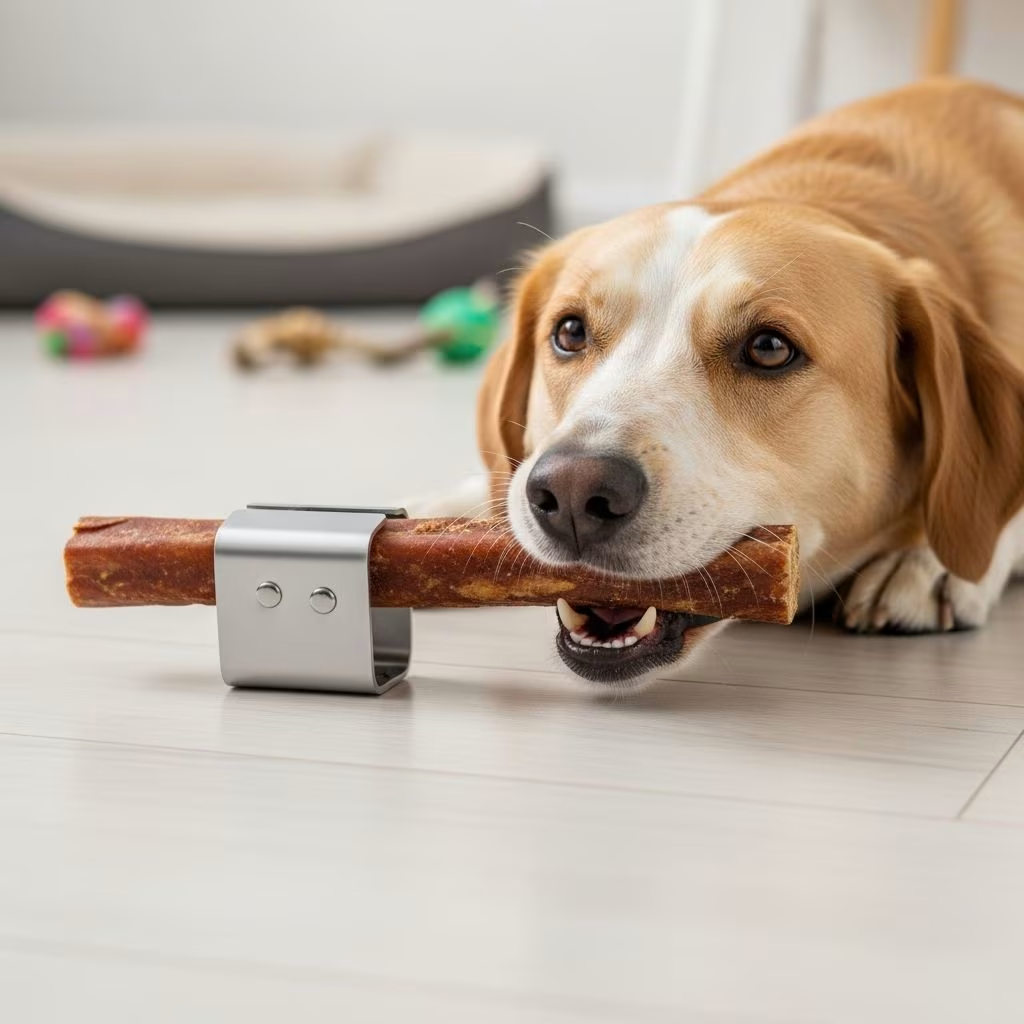
Bully sticks have become one of the most popular chew treats for dogs, offering both nutritional benefits and natural satisfaction for their innate chewing instincts. However, pet owners often overlook a critical safety concern: as these treats diminish in size, they can pose serious risks to canine health. Bully stick holders address this concern by providing a secure mechanism to keep treats safely contained during chewing sessions. Understanding the importance and functionality of these devices can help you make informed decisions about your dog’s safety and enjoyment.
Understanding the Fundamental Purpose of Bully Stick Holders
Bully stick holders serve as protective devices designed to secure chew treats while your dog enjoys them. The primary function is straightforward yet critical: preventing dogs from swallowing dangerous portions of partially consumed treats. As bully sticks wear down through vigorous chewing, the remaining nub becomes small enough to pose a serious choking hazard or cause intestinal blockages if ingested whole.
Beyond basic safety, these holders offer practical benefits that extend throughout the life of each treat. By maintaining firm control over the stick’s position, holders allow dogs to access the treat more effectively while preventing loss or wandering. Many dog owners discover that investing in a quality holder transforms their approach to treat management, reducing stress and enhancing their pet’s overall experience.
Critical Safety Advantages for Your Pet
The most compelling reason to use a bully stick holder centers on preventing choking incidents and related medical emergencies. Dogs possess a natural instinct to swallow treats whole, particularly as pieces become smaller and more manageable in their mouths. This behavior can lead to dangerous situations requiring veterinary intervention.
Holders maintain a secure grip on the treat throughout the chewing process, ensuring the final portion remains inaccessible for swallowing. This design element provides peace of mind for pet owners, particularly those with enthusiastic or aggressive chewers who might otherwise attempt to gulp down the remaining nub.
Additional safety considerations include preventing dogs from running off with unsecured treats and maintaining better supervision control. When a bully stick remains fixed in place, owners can monitor chewing duration and intensity more effectively, supporting appropriate portion control and identifying any unusual chewing patterns that might indicate dental issues or other health concerns.
Economic Value and Extended Treat Longevity
Financial considerations matter to conscientious pet owners. High-quality bully sticks represent a meaningful investment in canine nutrition and satisfaction. Without proper containment, significant portions of each treat become waste—either dropped and lost or swallowed prematurely.
By securing the stick in a holder, dogs can access the treat more thoroughly and systematically. The holder prevents premature loss or abandonment of partially consumed sticks, allowing your dog to extract maximum enjoyment and nutritional value from each purchase. Over time, this efficiency translates to measurable savings, particularly for households with multiple dogs or those serving extended-duration chews regularly.
Behavioral Development and Mental Engagement
Beyond physical safety and economic benefits, bully stick holders facilitate important behavioral development. Using a holder teaches dogs patience and persistence as they work to access their treat rather than simply consuming it in seconds. This engagement provides mental stimulation that contributes to overall well-being.
The designated use of a specific tool for chewing reinforces boundaries and appropriate behavior patterns. Dogs learn that chewing is encouraged within specific contexts and with specific implements, which can reduce destructive chewing directed at household items like furniture or footwear. This behavioral reinforcement creates a more harmonious household while protecting your belongings.
Hygiene and Environmental Cleanliness
Bully stick residue can create substantial mess during unsupervised chewing sessions. The sticky, oily nature of these treats leaves marks on floors, furniture, and pet bedding. Holders contain the treat within a defined space, dramatically reducing debris and simplifying cleanup efforts.
By keeping the stick stationary rather than allowing it to be dragged throughout your home, holders help maintain cleaner living spaces. This containment is particularly valuable for homes with light-colored flooring or furnishings where bully stick residue becomes visible and difficult to remove.
Comparative Technology: Understanding Holder Mechanisms
Different bully stick holders employ various securing mechanisms, each with distinct advantages and limitations.
Friction-Based Holders
Friction-type holders use rubber or similar materials to grip the bully stick through applied pressure. These devices typically feature narrow openings that create resistance against the stick’s diameter. The primary advantage is their simplicity and reliance on mechanical friction rather than moving parts.
However, friction-based systems present a notable challenge: inserting bully sticks requires considerable force, particularly with thicker treats. The tight openings that provide security can make the insertion process frustrating for users. Once inserted, though, these holders typically maintain excellent grip throughout the chewing session.
Vise-Type Holders
Vise-mechanism holders employ screw or lever-based systems to clamp around the bully stick. These devices offer customizable pressure adjustment, accommodating varying stick thicknesses. Users can control the grip strength, making insertion easier while maintaining adequate security during use.
The flexibility of vise-type holders makes them adaptable to different treat sizes, though they require more user involvement in setup and adjustment compared to friction-based alternatives.
Pin-Locking Technology
Advanced holders incorporate pin-locking mechanisms designed to be completely dog-proof. These systems use finger-based locking rather than mechanical strength, creating theoretically undefeatable security against even the most determined power chewers. This technology represents the cutting edge of holder design, prioritizing maximum safety over convenience.
Selecting the Appropriate Holder for Your Dog
Choosing an effective bully stick holder requires consideration of multiple factors beyond simple preference.
- Dog Size and Power: Smaller dogs require proportionally sized holders, while large or power-chewer breeds demand industrial-strength options. Mismatched sizing compromises both security and usability.
- Bully Stick Thickness: Standard bully sticks vary in diameter. Holders must accommodate your specific stick thickness—too loose and security fails; too tight makes insertion impossible.
- Holder Durability: Consider whether your dog might chew the holder itself. Chew-resistant materials like dense rubber withstand aggressive chewing better than plastic alternatives.
- Ease of Use: Evaluate how quickly and easily you can insert and remove treats. Complex systems create frustration during daily use.
- Versatility: Some holders accommodate multiple stick sizes or can serve secondary purposes, like fetch toys, increasing their utility value.
Maintenance and Proper Care Considerations
Bully stick holders require regular cleaning to maintain hygiene and functionality. Residual stick material hardens on the holder’s surfaces, potentially compromising grip effectiveness and creating bacterial growth sites.
Wash holders in warm soapy water after each use, paying particular attention to crevices and grip surfaces. For holders that are themselves chewable, supervise use and replace them if they become damaged or excessively worn. Proper maintenance extends holder lifespan and ensures consistent safety performance.
Frequently Asked Questions About Bully Stick Holders
Can any dog safely use a bully stick holder?
Most healthy dogs can safely use holders, but individual considerations matter. Dogs with dental issues, mouth sensitivities, or aggressive chewing patterns may require specific holder types. Consult your veterinarian if your dog has health concerns affecting chewing ability.
What happens if my dog chews on the holder itself?
Quality holders use chew-resistant materials designed to withstand aggressive chewing without splintering or breaking apart. However, if your dog is an extreme chewer, select holders specifically marketed as chewable or choose those with proven durability records.
How do I know if the holder size matches my bully stick?
Holders typically specify compatible stick diameter ranges. Measure your sticks or purchase holders in multiple sizes. The stick should insert with moderate resistance—not requiring extreme force, yet remaining secure against intentional pulling.
Are expensive holders significantly better than budget options?
Price correlates with material quality and technological sophistication, but not necessarily with value. Mid-range holders from reputable manufacturers often deliver excellent performance. Premium options may add specialized features like advanced locking technology or enhanced chew resistance, but basic models serve most households effectively.
How often should I replace my bully stick holder?
Holders last indefinitely if maintained properly and constructed from quality materials. Replace them only when they show signs of wear affecting security, or if your dog damages them through chewing. Well-made holders remain functional for years of regular use.
Integrating Holders Into Your Dog’s Routine
Effective implementation requires establishing consistent protocols. Designate a specific location for treat sessions—ideally an easily cleaned surface like tile or linoleum. Insert the bully stick into the holder before offering it to your dog, ensuring proper fit before each use.
Supervise initial sessions to confirm your dog accepts the holder system and cannot dislodge the stick through sheer determination. Most dogs adapt quickly to holders once they realize the treat remains accessible. Consistency in location and routine helps dogs understand these designated chewing sessions.
Understanding Material Composition and Durability
Holders manufactured from dense rubber or similar compounds resist canine teeth better than plastic or cheaper materials. High-density materials maintain their grip properties longer and resist degradation from repeated chewing pressure or saliva exposure.
Natural rubber compounds offer superior chew resistance compared to synthetic polymers. Examine product specifications and customer reviews focusing on long-term durability before purchasing, particularly if you have powerful or persistent chewers.
Conclusion: Making the Right Investment in Canine Safety
Bully stick holders represent a worthwhile investment in your dog’s safety, financial efficiency, and behavioral development. By understanding the different mechanisms available, sizing considerations, and maintenance requirements, you can select an appropriate holder for your specific situation. The combination of choking prevention, extended treat longevity, improved hygiene, and behavioral benefits makes holders a practical addition to any dog owner’s toolkit. Whether you have a small breed, a power chewer, or multiple dogs with varying needs, quality bully stick holders deliver measurable value while providing the peace of mind that comes from knowing your pet can enjoy treats safely.
References
- Bully Stick Holders Prevent Dogs from Swallowing Dangerous Portions — Whole Dog Journal. 2024. https://www.whole-dog-journal.com/lifestyle/dog-gear/gear-and-products/bully-stick-holders/
- The Perfect Companion for Your Dog’s Bully Stick — Dog Chits. 2024. https://dogchits.com/blogs/news/bully-stick-companion-the-perfect-companion-for-your-dogs-bully-stick
- 5 Reasons Why Every Dog Owner Needs a Bully Stick Holder — Chewiser Now. 2024. https://www.chewisenow.com/blogs/chew-care/5-reasons-why-every-dog-owner-needs-a-bully-stick-holder
- Bully Stick Holders: The Ultimate Guide — Bully Bundles. 2024. https://blog.bullybundles.com/bully-stick-holders-the-ultimate-guide/
- For All Dogs: Bully Sticks, Holders, & EverChew–Quick Overview — EverChew. 2024. https://everchew.com/blogs/dog-breeds/bully-sticks-holders-quick-selector
- The Best Bully Stick Holders Accessories for Your Pup’s Chewing Needs — Bully Sticks Direct. 2024. https://www.bullysticksdirect.com/blog/the-best-bully-stick-holders-accessories-for-your-pups-chewing-needs/
- What to Look For in a Bully Stick Holder for Your Dog — Chew Works. 2024. https://chewworks.com/blogs/blog-posts/what-to-look-for-in-a-bully-stick-holder-for-your-dog



