

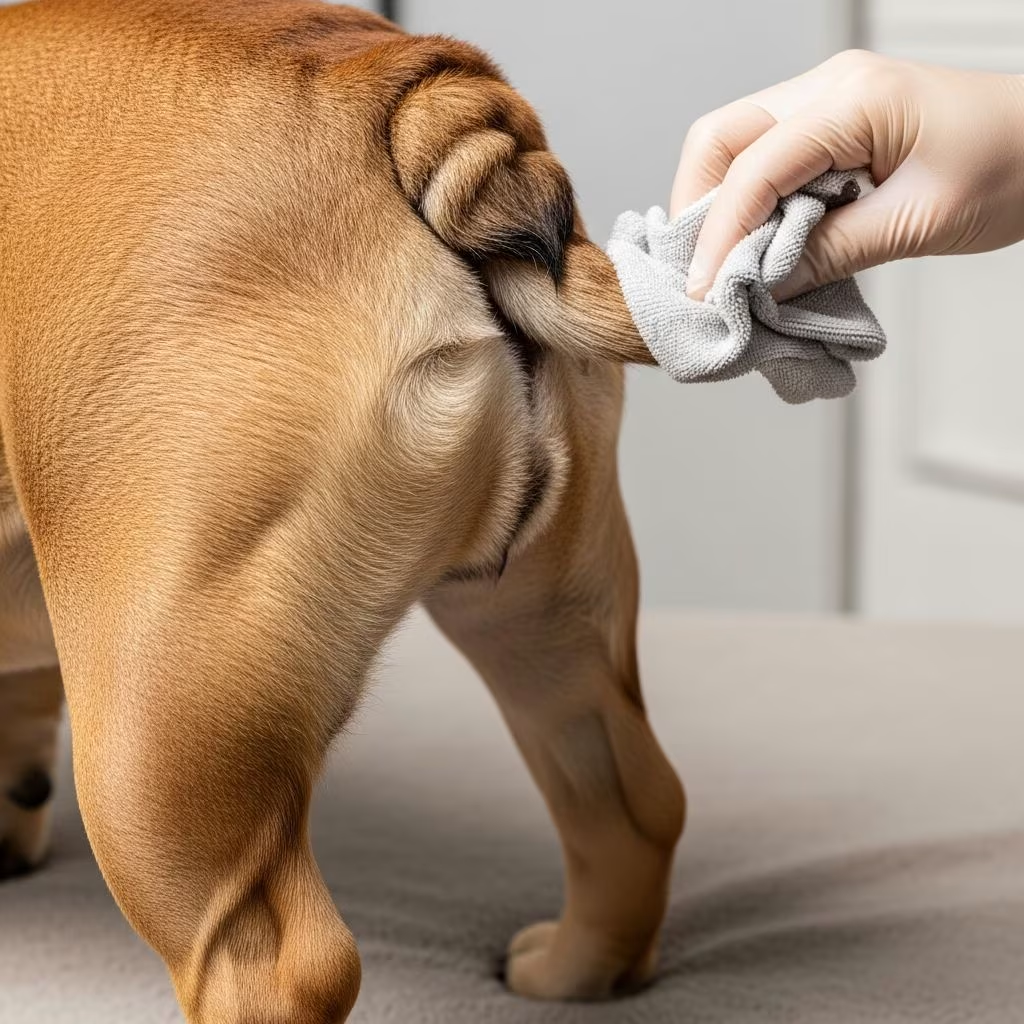
Understanding Tail Pockets: What Every Bulldog Owner Should Know
Tail pockets represent a unique anatomical feature found in certain dog breeds, particularly those with shortened tails and pronounced skin wrinkles. These pouch-like formations develop naturally above or below the tail base, resulting from the breed’s distinctive genetic characteristics and tail structure. Rather than a medical condition in itself, a tail pocket is a normal anatomical variation that requires special attention and maintenance to prevent complications.
The presence of tail pockets is most common in dog breeds that were selectively bred for compact body structures and distinctive facial and bodily wrinkles. English Bulldogs and French Bulldogs frequently display this feature due to their characteristically short, curved tails that don’t provide sufficient coverage for the surrounding skin. However, other wrinkly or short-tailed breeds such as Pugs may also develop these structures. The genetic predisposition to develop tail pockets means that some dogs naturally have more pronounced pockets than others, with variations ranging from barely noticeable indentations to deep, prominent folds.
Many dog owners remain unaware of whether their pet even possesses a tail pocket, as the feature isn’t always visually apparent. To determine if your dog has a tail pocket, gentle examination is necessary. Put on protective gloves and carefully feel around the base of your dog’s tail, gently manipulating the skin in the area. If you notice a gap, indentation, or pouch-like space, your dog likely has a tail pocket. Some pockets are shallow and relatively easy to maintain, while others are deep and require more intensive care protocols.
The Science Behind Tail Pocket Infections
Tail pocket infections develop through a predictable biological process. The indented structure of a tail pocket creates an enclosed microenvironment that differs significantly from the surrounding skin. This enclosed space traps moisture from the dog’s body, humidity from the environment, and debris that accumulates from daily activities. Unlike skin on flatter surfaces that can dry naturally through air exposure, the recessed nature of tail pockets prevents adequate airflow and moisture evaporation.
The warm, moist environment becomes an ideal breeding ground for opportunistic microorganisms. Bacteria and yeast species that normally exist on canine skin in manageable quantities can proliferate rapidly when conditions are favorable. Common bacterial infections involve species such as those causing folliculitis, while yeast infections often involve species that thrive in moist skin environments. The combination of moisture retention, lack of air circulation, and darkness creates conditions remarkably similar to the moist environments where these microorganisms naturally flourish.
The biological process mirrors how skin infections develop in other anatomical areas with similar characteristics. Just as human belly buttons can become problematic if not regularly cleaned, particularly in deeper configurations, dog tail pockets develop infections when hygiene isn’t maintained. The difference lies in the fact that dogs cannot easily clean this area themselves, making human intervention essential for preventing infection.
Recognizing Infection Symptoms Early
Early identification of tail pocket infection dramatically improves treatment outcomes and reduces your dog’s discomfort. Pet owners should develop familiarity with the normal appearance and smell of their dog’s tail pocket to recognize when changes occur. Several distinct warning signs indicate that an infection may be developing.
Visual indicators represent the most obvious signs of problems. Redness and inflammation around the tail pocket area suggest that irritation or infection is present. The skin may appear more swollen than usual, and the texture may change from smooth to bumpy or flaky. Some dogs develop visible discharge that ranges in color from yellow to brown, emerging from the pocket area or appearing on bedding and floor surfaces.
Olfactory changes provide another important diagnostic clue. A foul odor emanating from the tail area often indicates bacterial overgrowth, as bacteria produce byproducts that create distinctive smells. This odor may be mild and only noticeable when you examine the tail pocket closely, or it may be strong enough to notice during normal interaction with your dog.
Behavioral changes often accompany physical symptoms. Dogs with infected tail pockets frequently display increased scratching, licking, or chewing at the affected area. Some dogs show signs of pain or discomfort, such as sensitivity when the tail or surrounding area is touched. A dog may tuck its tail more frequently or show reluctance to have its hindquarters handled. In some cases, the infection can affect surrounding anal glands, exacerbating odor problems and discomfort.
Preventive Care Strategies
Prevention provides the most effective approach to managing tail pocket issues. Regular maintenance creates an inhospitable environment for infection-causing microorganisms, keeping your dog comfortable and healthy. A consistent cleaning schedule should become part of your dog’s regular grooming routine, just as dental care or nail maintenance.
Routine cleaning involves gentle but thorough removal of accumulated moisture, debris, and potential irritants from the tail pocket. Using soft, damp cloths or specialized pet wipes designed for skin fold care, gently clean the entire pocket area. For dogs with significant debris accumulation or sensitivity, wearing protective gloves during this process protects both you and your pet. The cleaning process should be gentle enough that your dog perceives it as a routine grooming activity rather than a stressful medical procedure.
Thorough drying is equally important as cleaning. After washing or cleaning the pocket, ensure the area is completely dry. Residual moisture left in the pocket perpetuates the moist environment that encourages infection development. Using soft towels or allowing air drying, ensure no moisture remains in the folds before concluding the cleaning session.
The frequency of cleaning depends on your individual dog’s circumstances. Dogs with shallow pockets or those that don’t accumulate significant debris may require cleaning once weekly. Dogs with deeper pockets, those that spend time outdoors regularly, or those prone to moisture accumulation may benefit from cleaning two to three times weekly. Some owners find that increasing cleaning frequency during humid weather or after activities that expose the dog to water or muddy conditions helps prevent problems.
When Professional Veterinary Care Becomes Necessary
While home preventive care handles many situations effectively, certain circumstances warrant professional veterinary intervention. If you observe any signs of infection, consulting with a veterinarian before attempting home treatment is advisable. A veterinarian can accurately diagnose whether an infection is present and determine whether it’s bacterial or fungal in nature.
Professional examination involves cleaning the tail pocket area thoroughly and assessing the severity of any infection present. The veterinarian may collect samples from the infected area to examine under a microscope or send to a laboratory for culture and sensitivity testing. This diagnostic approach ensures that any prescribed medications target the specific infection-causing organism rather than using broad-spectrum treatments that may be unnecessarily strong.
Treatment recommendations typically include topical medications such as antifungal or antibacterial ointments or solutions, depending on the infection type. Oral antibiotics may be prescribed for more severe infections that show signs of spreading or systemic involvement. The veterinarian may also recommend pain management if the infection is causing significant discomfort to your dog.
Important restrictions apply during treatment. Owners should avoid using hydrogen peroxide to clean infected areas, as this substance can damage healthy tissue and delay healing. Similarly, attempting to drain blisters, pustules, or fluid-filled lesions yourself can worsen the infection and increase your dog’s pain and discomfort. Let the veterinarian handle these aspects of treatment.
Advanced Treatment Options for Chronic Cases
Some dogs experience recurrent tail pocket infections despite consistent home care and preventive efforts. When infections become chronic or severe, limiting your dog’s quality of life and failing to respond adequately to medical management, surgical intervention may become an option worth discussing with your veterinarian.
Surgical correction addresses the underlying anatomical issue by removing the tail pocket entirely or significantly reducing its depth and prominence. This approach eliminates the structural conditions that allow infection to develop. For dogs with extremely deep pockets that cannot be kept free of infection, surgical intervention may be the most humane solution, preventing the cycle of infection, treatment, and reinfection.
In severe cases where the tail pocket causes constant problems despite aggressive management, veterinarians may recommend tail amputation as a last resort. While this may seem extreme, dogs adjust well to tail amputation and experience significant improvement in quality of life when chronic infections have been causing pain and discomfort. Your veterinarian can discuss whether surgical options are appropriate for your specific dog’s situation.
Breed Susceptibility and Individual Variation
While Bulldogs represent the primary breed associated with tail pocket infections, understanding the broader picture of susceptibility helps pet owners make informed care decisions. English Bulldogs and French Bulldogs, due to their distinctive physical characteristics, face elevated risk for developing tail pocket infections. Pugs and other wrinkly, short-tailed breeds also commonly experience these issues.
However, the risk extends beyond these classic brachycephalic breeds. Any dog breed can potentially develop tail pocket issues if structural conditions favor pocket formation. Individual variation within breeds is significant—some Bulldogs have minimal tail pockets that rarely cause problems, while others have pronounced pockets that require intensive management. Genetics, individual tail curvature, and the degree of skin wrinkling all influence susceptibility.
Younger dogs, particularly puppies, appear more susceptible to developing tail pocket infections than adults. Immune systems in puppies haven’t fully matured, reducing their ability to combat infections effectively. Additionally, puppies with multiple skin folds throughout their bodies may have less well-developed natural cleaning mechanisms.
Creating a Home Care Maintenance Schedule
Developing a structured approach to tail pocket care helps ensure consistency and prevents problems from developing. Consider establishing a weekly or twice-weekly cleaning routine during your dog’s regular grooming sessions. This integration makes the process feel like normal pet care rather than medical treatment.
Documentation of your dog’s tail pocket appearance over time helps identify changes early. Some owners take occasional photographs of the tail pocket area, creating a visual record that makes subtle changes more apparent. This documentation proves invaluable if problems develop and you need to consult with a veterinarian about what’s changed.
Environmental factors influence infection risk. Dogs that spend significant time outdoors, particularly in humid or warm environments, may require more frequent cleaning. Dogs prone to getting muddy or wet may benefit from tail pocket inspection and cleaning after outdoor activities.
Frequently Asked Questions About Tail Pocket Care
How often should I clean my Bulldog’s tail pocket? Most dogs benefit from weekly cleaning, though dogs with deeper pockets or those prone to moisture accumulation may need cleaning two to three times weekly. Adjust frequency based on your individual dog’s needs.
Can I use regular soap to clean tail pockets? While mild, pet-safe products work, specialized wipes designed for dog skin folds provide optimal results. These products are formulated to be gentle on sensitive skin while effectively removing debris.
What should I do if I notice a foul odor from my dog’s tail pocket? Don’t attempt home treatment immediately. Schedule a veterinary appointment to rule out infection or anal gland issues, which both present with odor as a primary symptom.
Is tail pocket infection contagious to other dogs? While the specific infection isn’t directly contagious in the manner cold viruses are, bacteria and yeast can transfer between dogs. Maintaining good hygiene reduces this risk.
Can I prevent tail pockets from developing? No, tail pockets are genetically determined and present from birth in susceptible breeds. However, you can prevent infection through proper care and maintenance.
Summary: Proactive Management for Long-Term Health
Tail pocket infections represent a manageable challenge for Bulldog owners willing to implement consistent preventive care. Understanding the anatomical and biological basis for these infections empowers owners to take appropriate preventive action. Regular cleaning, complete drying, and prompt veterinary attention when problems arise keep most dogs comfortable and infection-free.
The key to success lies in integrating tail pocket care into your regular grooming routine and recognizing early warning signs of infection. By remaining vigilant and responsive to changes in your dog’s tail pocket appearance or behavior, you can prevent most infections from developing into serious problems. For the small percentage of dogs with chronic issues unresponsive to conservative management, surgical options exist to improve quality of life. Ultimately, with proper understanding and consistent care, tail pocket issues need not significantly impact your Bulldog’s health and happiness.
References
- Bulldog Tail Pocket Infection: Vet-Approved Prevention & Care Guide — Dogster. 2024. https://www.dogster.com/dog-health-care/bulldog-tail-pocket-infection
- How to Prevent and Help Infected Bulldog Tail Pockets — Squishface. https://squishface.com/blogs/blog/treating-an-infected-bulldog-tail-pocket
- Bulldog Tail Infections: How To Treat & Prevent — Natural Dog. https://naturaldog.com/blogs/whole-dog-health/bulldog-tail-infections
- Does my dog have a tail pocket? — BetterPet. https://www.betterpet.com/learn/dog-tail-pocket
- Answering Common Questions Regarding Bulldog Tail Pockets — Eye Envy. https://www.eyeenvy.com/blog/answering-common-questions-regarding-bulldog-tail-pockets/



