

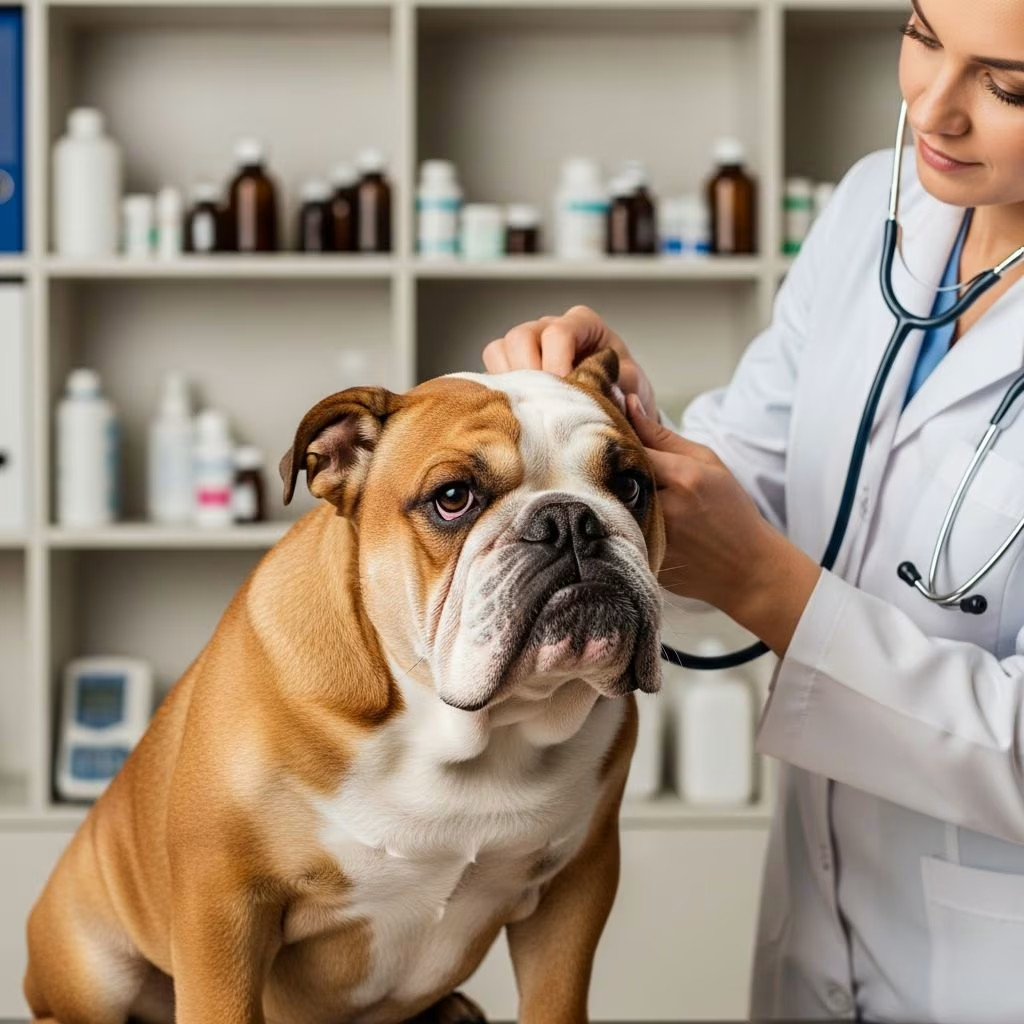
Understanding Common Bulldog Health Issues
Bulldogs are beloved companion dogs known for their distinctive appearance and affectionate nature. However, their unique physical characteristics—including their flat faces, stocky builds, and wrinkled skin—predispose them to specific health challenges that owners should understand and monitor. The most common bulldog health problems are breathing issues, joint and skeletal strain, eye issues, skin allergies, heat sensitivity, and obesity. Understanding these conditions is essential for responsible bulldog ownership and ensuring your dog lives a comfortable, healthy life.
Respiratory Issues and Brachycephalic Obstructive Airway Syndrome
One of the most widespread bulldog health conditions is Brachycephalic Obstructive Airway Syndrome (BOAS), a respiratory disease found exclusively in flat-faced dogs like bulldogs. This condition affects the ability to breathe due to multiple anatomical factors inherent to the breed’s structure.
BOAS occurs because of several contributing factors:
- Narrowed nostrils that restrict airflow
- Elongated soft palate that partially blocks the airway
- Excessive tissue in the throat and nasal cavity
- Protruding lower jaw creating crowding
- Overcrowding of teeth in the mouth
- A hypoplastic (underdeveloped) trachea with less room for air movement
Bulldogs with BOAS may exhibit snorts, snores, wheezes, gagging, and labored breathing, particularly during exercise or in hot and humid weather. The breathing issues become more pronounced when exercising or during warm or humid conditions. Obesity significantly contributes to respiratory problems, making a healthy diet and moderate exercise crucial for managing this condition. Keeping your bulldog in an air-conditioned home and supervising them during strenuous activity can help minimize breathing difficulties.
Joint and Skeletal Conditions
Orthopaedic bulldog health problems are very common due to the breed’s physical structure. Their stocky build and short legs place considerable strain on joints, leading to various inherited and degenerative conditions.
Common orthopedic issues include:
- Cruciate ligament injuries affecting knee stability
- Patella luxation (knee cap dislocation)
- Elbow dysplasia causing joint abnormalities
- Hip dysplasia, with English Bulldogs having the highest incidence of any breed according to the Orthopedic Foundation for Animals
- Spinal abnormalities and intervertebral disc disease
If left untreated or unmanaged, bulldogs are likely to develop arthritis in their older age. The abnormal build of English Bulldogs makes them particularly susceptible to bone and joint problems. Treatment options work best when the disease is caught early, so regular veterinary screenings beginning before the second year of life are advisable. Your veterinarian should assess any problems with your pet’s gait or signs of joint pain to prevent progression and manage pain effectively.
Eye Problems and Vision Concerns
Bulldogs’ distinctive big, round eyeballs are prone to congenital abnormalities, injuries, and infections. Their head conformation and eye protrusion predispose them to damage and recurrent eye disease, making regular eye monitoring essential.
Common eye conditions affecting bulldogs include:
- Cherry Eye: The third eyelid gland prolapses, causing a red lump to form in the corner of the eye. This is the most common eye problem in the breed, and the nictitans gland’s displacement prevents normal eye health. Manual replacement is nearly always unsuccessful, so vets typically perform surgical replacement.
- Dry Eye (Keratoconjunctivitis Sicca): Reduced tear production leaves the cornea vulnerable to damage and infection
- Corneal Ulcers: Open sores on the cornea that can progress quickly and cause permanent damage if left untreated
- Entropion: The eyelid rolls inward toward the eyeball, causing pain and potentially leading to blindness or eye loss if untreated. Surgical correction protects eye function.
- Abnormal Eyelid and Eyelash Growth: Including ectropion and distichiasis
- Glaucoma: Increased eye pressure damaging the optic nerve
- Cataracts: Cloudiness of the lens that can develop even in young dogs
These conditions can progress quickly, and if left untreated, they can cause permanent damage and even loss of eyesight. Quick intervention as soon as you notice any problems with your dog’s eyes is crucial for preserving vision and comfort.
Skin Infections and Fold Dermatitis
Bulldogs’ distinctive wrinkled skin is one of their most charming features, but those skin folds create ideal conditions for infections. Skin fold dermatitis (also called intertrigo) is a common problem in this breed due to the many heavy skin wrinkles, inverted tails, and tight skin folds.
The condition develops when moisture and bacteria become trapped in a bulldog’s wrinkled skin, causing inflammation and recurrent skin infections in the areas between skin surfaces. The facial area is commonly affected due to the many wrinkles on a short-nosed face, but skin infections can develop in any body area with friction and moisture accumulation, including the tail fold, feet, and armpit areas.
These infections often become inflamed, forming painful red patches called hot spots that can ooze, crust, and cause significant discomfort to your bulldog. Management strategies include:
- Managing existing infections with antibiotics or antifungal medications
- Regular preventative cleaning of skin folds with specialized cleansers and wipes
- Keeping skin folds dry and well-ventilated
- Surgical removal of excessive skin folds in severe cases
Additionally, tail problems are common in bulldogs because the bones in the tail can form incorrectly, becoming inverted or taking on a ‘corkscrew’ appearance. This can cause nerve problems around the area requiring surgical correction. More commonly, the large skin fold around the tail becomes infected with skin fold pyoderma.
Allergies and Environmental Sensitivities
Allergies can present in multiple ways in bulldogs, compounding their health challenges. Their narrow airways and ear canals make them susceptible to environmental irritants like pollen and dust mites, while their sensitive immune systems can cause them to be intolerant of some foods.
Beyond skin infections, environmental triggers and food sensitivities can manifest in itchy rashes, dry and flaky skin, and even chronic ear infections. Some bulldogs experience allergic reactions that manifest as itchy skin conditions requiring specialized treatment.
If your bulldog shows signs of allergies, your veterinarian may recommend:
- Specialized medicated baths for infection control
- Tailored dietary adjustments to eliminate food triggers
- Medication like anti-inflammatories or antihistamines
- Additional treatments for severe allergic responses
Heat Sensitivity and Heat Stress
Hot weather is not a friend to the bulldog. Their short snouts make breathing in humid conditions difficult, and their thick skin makes it hard for them to regulate their body temperature effectively. This is why heat stress, or heat stroke, is a common problem for the breed, particularly during warm months.
Many heat stroke cases occur in warm weather at the beginning of spring when dogs are not yet accustomed to the heat and owners are not expecting it. Signs that your bulldog is experiencing heat stress include:
- Lethargy and lack of energy
- Excessive panting beyond normal cooling efforts
- Labored breathing
- Collapse or loss of consciousness
If your bulldog exhibits any of these symptoms, they need urgent veterinary help. Prevention strategies include keeping your bulldog indoors in air conditioning during hot weather, providing plenty of fresh water, limiting exercise during peak heat hours, and never leaving your dog in a parked vehicle where temperatures can become dangerously high.
Obesity and Weight Management
Rounding out the common health problems of bulldogs is obesity. Their sedentary lifestyle and love of food mean that they can gain weight easily, which exacerbates other health issues such as breathing difficulties, joint strain, skin conditions, and heat intolerance.
Maintaining a healthy weight is crucial for bulldog wellness because excess weight:
- Increases strain on joints already compromised by dysplasia
- Worsens respiratory problems associated with BOAS
- Exacerbates skin fold infections by increasing moisture and friction
- Reduces ability to regulate body temperature in hot weather
- Decreases overall mobility and quality of life
Working with your veterinarian to establish an appropriate diet and moderate exercise routine is essential for keeping your bulldog at a healthy weight. Regular portion control, appropriate treats, and consistent but not strenuous activity can help prevent obesity and its cascading health consequences.
Additional Health Concerns
Beyond the primary health issues, bulldogs can also be prone to several other conditions that responsible owners should monitor. Pulmonic stenosis is a hereditary abnormality of the pulmonic valve in the heart that results in narrowing, making it difficult for the heart to pump blood into the lungs. If mild, pulmonic stenosis may not require treatment, while more severe cases may require lifelong medication or surgery. Watch for signs like excessive panting, reluctance to play, or needing longer rest breaks during activity, as these could indicate heart difficulties.
Bulldogs may also experience demodectic mange, a condition caused by the Demodex mite. While these mites are normally present on dogs’ skin, bulldogs with weakened immune systems can develop the disease, showing patches of scaly, red skin and hair loss typically on the head, neck, and legs. If demodectic mange persists beyond the puppy stage, veterinary treatment is necessary.
Other conditions that can affect bulldogs include bloating, interdigital cysts, blood-clotting problems caused by Von Willebrand’s disease, deafness, urinary tract problems, canine kidney disease, and various neurological issues.
Why Do Bulldogs Have So Many Health Problems?
Most bulldog health issues stem from decades of breeding for the popular flat-faced or “pushed-in” look. While these traits are considered cute by many, they have considerable long-term health implications. The breed’s distinctive physical characteristics that make them visually appealing—their flat faces, wrinkled skin, compact bodies, and large eyes—are fundamentally connected to their predisposition to serious health conditions. This highlights an important conversation about responsible breeding practices and the importance of choosing bulldogs from breeders who prioritize health and genetic diversity.
Prevention and Care Strategies
While bulldog owners cannot eliminate these breed-specific health risks, several proactive strategies can minimize problems and improve quality of life:
- Regular Veterinary Care: Schedule frequent check-ups and screening tests, especially before the second year of life, to catch conditions early
- Environmental Management: Keep your bulldog in air conditioning, avoid excessive heat exposure, and monitor activity levels
- Weight Management: Maintain appropriate diet and exercise to prevent obesity-related complications
- Skin Care: Clean and dry skin folds regularly, watch for signs of infection, and address issues promptly
- Eye Monitoring: Check eyes daily for discharge, redness, or cloudiness, and seek immediate veterinary care for eye problems
- Responsible Breeding: Support breeders who health-test parents and prioritize genetic diversity
Frequently Asked Questions
Q: At what age do bulldog health problems typically appear?
A: Many bulldog health issues are present from birth or early life due to their genetic predisposition. However, some conditions like arthritis and cataracts develop as they age. Regular veterinary screening beginning before the second year of life helps identify problems early.
Q: Can bulldog health problems be prevented?
A: While breed-specific health issues cannot be completely prevented due to their genetics, many problems can be minimized through proper care, weight management, regular veterinary check-ups, appropriate exercise, and environmental controls like air conditioning.
Q: How often should bulldogs visit the veterinarian?
A: Bulldogs should visit the veterinarian at least annually for check-ups, and more frequently if they show signs of health problems. Puppies and senior bulldogs may need more frequent visits for health screenings and preventative care.
Q: What is the average lifespan of a bulldog?
A: The average lifespan of a bulldog is 8-10 years, which is relatively short compared to other dog breeds. This shorter lifespan is partly attributed to their breed-specific health issues.
Q: Are some bulldogs healthier than others?
A: Yes, bulldogs from responsible breeders who health-test parents and prioritize genetic diversity tend to be healthier. Choosing bulldogs from breeders committed to reducing inherited health problems can result in dogs with fewer complications.
Q: Can diet help manage bulldog health issues?
A: Absolutely. A high-quality diet, appropriate portion sizes, and food allergy management can significantly impact bulldog health. Consult your veterinarian about the best diet for your individual bulldog’s needs and any specific health conditions.
References
- 6 Biggest Bulldog Health Issues Owners Should Know About — Sydney Bulldog Clinics. 2024. https://www.sydneybulldogclinics.com.au/6-biggest-bulldog-health-issues
- Common Health Problems with English Bulldogs — ManyPets. 2024. https://manypets.com/us/blog/common-health-problems-bulldogs/
- Health Issues of English Bulldogs — Prudent Pet Insurance. 2024. https://www.prudentpet.com/health-issues-english-bulldog/
- English Bulldog Health Issues: Common Concerns Facing Bulldogs — Embrace Pet Insurance. 2024. https://www.embracepetinsurance.com/waterbowl/article/english-bulldog-health-issues-problems
- Bulldog Health and Care Guide — PDSA. 2024. https://www.pdsa.org.uk/pet-help-and-advice/looking-after-your-pet/puppies-dogs/medium-dogs/bulldog



