

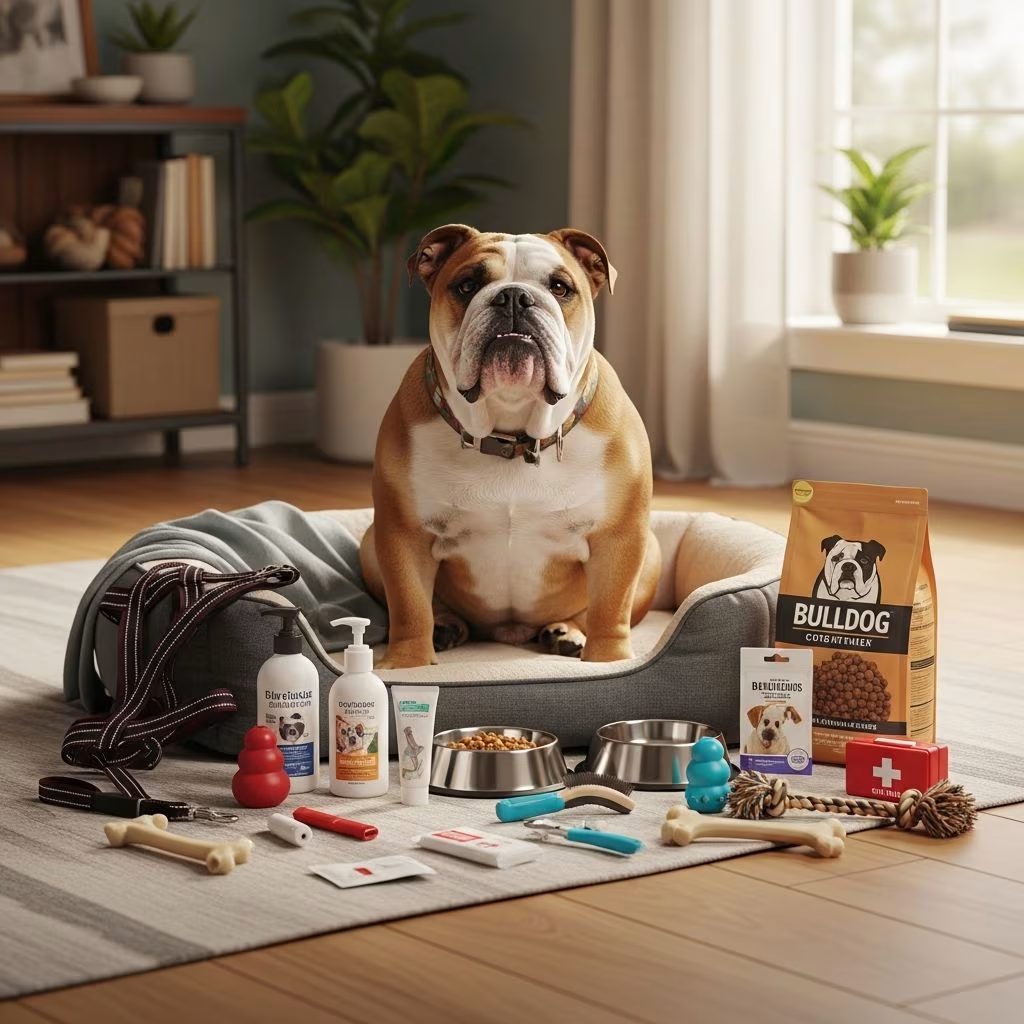
The Bulldog stands out as one of the most recognizable dog breeds worldwide, celebrated for its distinctive wrinkled face, sturdy build, and unflappable personality. Once engineered for grueling combat sports, this breed has undergone a remarkable evolution into a symbol of loyalty and affection. This comprehensive guide delves into the Bulldog’s origins, physical and behavioral traits, essential care requirements, training strategies, common health challenges, and practical advice for integrating one into your home.
Tracing the Roots: The Bulldog’s Combat Origins
Bulldogs trace their lineage to early 13th-century England, where they were selectively bred for bull-baiting, a brutal spectator sport documented as early as 1210. These original dogs descended from mastiff-like stock, prized for their tenacity, powerful jaws, and low-slung bodies that kept them grounded against a bull’s charges. Unlike the stocky modern version, early Bulldogs were leaner and more athletic, with a higher prey drive and vise-like grips designed to latch onto a bull’s nose until it toppled.
Bull-baiting wasn’t just entertainment; it was believed to tenderize meat, drawing crowds from all social classes, though the dogs were often associated with working-class handlers. The breed’s name directly reflects this purpose—’bull-dog’—and their wrinkled skin was thought to prevent blood from obscuring vision during fights. This era forged the Bulldog’s core attributes: unyielding courage and strength, even against animals vastly larger in size.
A Turning Point: Banning Blood Sports and Breed Revival
The Cruelty to Animals Act of 1835 outlawed bull-baiting in England, plunging the Bulldog’s future into uncertainty as demand for their original role vanished. Nearly extinct by the mid-19th century, the breed was rescued by visionary enthusiasts who shifted focus from ferocity to companionship. The inaugural Bulldog Club formed in 1864 with the motto ‘hold fast,’ aiming to standardize and preserve the type while softening its temperament.
By 1875, a formalized breed standard emerged, emphasizing a massive head, short face, broad muzzle, and compact body—hallmarks still evident today. Dog shows, starting in 1859, played a pivotal role, rewarding gentle dispositions over aggression. In the U.S., Bulldogs arrived around 1880, gaining American Kennel Club (AKC) recognition in 1886, with the Bulldog Club of America establishing standards in 1894 that mirrored England’s. This era transformed the savage gladiator into a family-oriented classic, a shift breeders achieved by selecting for docility.
Physical Profile: What Defines the Iconic Bulldog Look
Modern Bulldogs epitomize power in a compact package, typically weighing 40-50 pounds for males and 40 pounds for females, standing 12-15 inches tall. Their most striking feature is the brachycephalic (short-nosed) head, with a pronounced underbite, wide skull, and loose folds of skin that give them an eternally quizzical expression. The body is thick-set, muscular, and low to the ground, with sturdy limbs, turned-out paws, and a distinctive rolling gait that skims the earth.
| Key Physical Trait | Description |
|---|---|
| Head & Face | Massive, short muzzle, upward tilt, deep wrinkles |
| Body Build | Broad chest, short back, heavy forequarters |
| Coat | Smooth, short, in shades of white, brindle, fawn, piebald |
| Gait | Constrained, toe-walking with shoulder sway |
Coat colors vary but exclude certain merles or extremes per standards, maintaining the breed’s aesthetic uniformity. This physique, while endearing, stems from centuries of purposeful breeding.
Temperament Insights: Loyal, Stubborn, and Loving
Beneath the tough exterior lies a heart of gold. Bulldogs are renowned for their calm, affectionate nature, making them ideal for apartments and families. They bond deeply with owners, often displaying clownish antics and a protective streak without excessive barking. However, their stubborn streak—echoing bull-baiting tenacity—requires patient handling.
- Affectionate: Thrives on human interaction, gentle with children.
- Lazy Charm: Prefers lounging over high-energy play.
- Watchful: Alerts to strangers but rarely aggressive.
- Social: Gets along with other pets if socialized early.
Early 20th-century breeders prioritized this ‘live with everybody’ disposition, cementing the Bulldog’s status as a people-pleaser.
Care Essentials: Grooming, Exercise, and Nutrition
Grooming Routines
The short coat demands minimal brushing, but weekly wrinkle cleaning prevents infections using a damp cloth and mild solution. Bath monthly, check ears for wax buildup, and trim nails regularly to avoid overgrowth. Shedding is moderate, peaking seasonally.
Exercise Needs
Low-energy Bulldogs need 20-30 minutes of daily walks, avoiding heat due to breathing issues. Play sessions suffice; overexertion risks overheating. Cool environments and short bursts keep them fit without strain.
Dietary Guidelines
Feed high-quality kibble portioned to 1-2 cups daily, split into meals to combat obesity—a common pitfall given their sedentary tendencies. Monitor weight; fresh water always available.
Training Tactics: Overcoming the Stubborn Streak
Positive reinforcement shines with Bulldogs—use treats, praise, and short sessions. Start socialization and basic commands early; consistency trumps force. Puppy classes aid housetraining, which can be slow due to their laid-back vibe. Crate training fosters independence, curbing separation anxiety.
- Focus on commands like ‘sit,’ ‘stay,’ and ‘come.’
- Leash training prevents pulling from their strong build.
- Desensitize to noises for their sensitive nature.
Health Watch: Managing Breed-Specific Vulnerabilities
Bulldogs face brachycephalic syndrome, causing snoring, reverse sneezing, and heat intolerance. Hip dysplasia, skin allergies, and cherry eye are prevalent; regular vet checks from puppyhood are crucial. Lifespan averages 8-10 years—extend it with joint supplements, weight control, and spaying/neutering.
| Common Issue | Symptoms | Prevention |
|---|---|---|
| Breathing Problems | Gagging, exercise intolerance | Avoid heat, maintain lean weight |
| Skin Infections | Redness in folds | Daily cleaning, hypoallergenic diet |
| Joint Issues | Limping, stiffness | Supplements, low-impact exercise |
Responsible breeding from health-tested lines mitigates risks.
Lifestyle Fit: Is a Bulldog Right for You?
Ideal for calm households, city dwellers, or seniors seeking a low-maintenance pal. Not suited for runners or hot climates. Budget for vet bills, as health needs elevate costs. Rescue adoption supports the breed amid overbreeding concerns.
Frequently Asked Questions
Are Bulldogs good with kids?
Yes, their patient demeanor makes them excellent family dogs when supervised.
How often should I clean Bulldog wrinkles?
Daily or every other day to prevent bacterial buildup.
Can Bulldogs swim?
No— their build hinders swimming; life jackets and supervision essential near water.
What’s the best food for Bulldogs?
Large-breed puppy formulas transitioning to adult kibble with joint support.
Do Bulldogs drool a lot?
Moderately, especially after drinking; towels handy.
Choosing Your Bulldog: Breeder vs. Rescue
Seek AKC-registered breeders with OFA health certifications. Rescues offer mature, vetted dogs. Avoid puppy mills; prioritize temperament tests.
References
- Bulldog History: Where the Breed Originated — American Kennel Club. 2023-approx. https://www.akc.org/expert-advice/dog-breeds/bulldog-history/
- From Bull-Baiting to Beloved Companions: A Look at the History of Bulldog Breeds — Bubbles Dog Grooming. 2023-approx. https://www.bubblesdoggrooming.co.uk/post/from-bull-baiting-to-beloved-companions-a-look-at-the-history-of-bulldog-breeds
- English Bulldog Breed Guide: Characteristics, History & Care — Pawlicy Advisor. 2024-approx. https://www.pawlicy.com/blog/english-bulldog-breed/
- BULLDOGS THROUGH TIME — Bulldog Breed Council. 2023-approx. https://www.bulldogbreedcouncil.co.uk/i/bulldogs-through-time
- Bulldog — Wikipedia (informed background). N/A. https://en.wikipedia.org/wiki/Bulldog



