

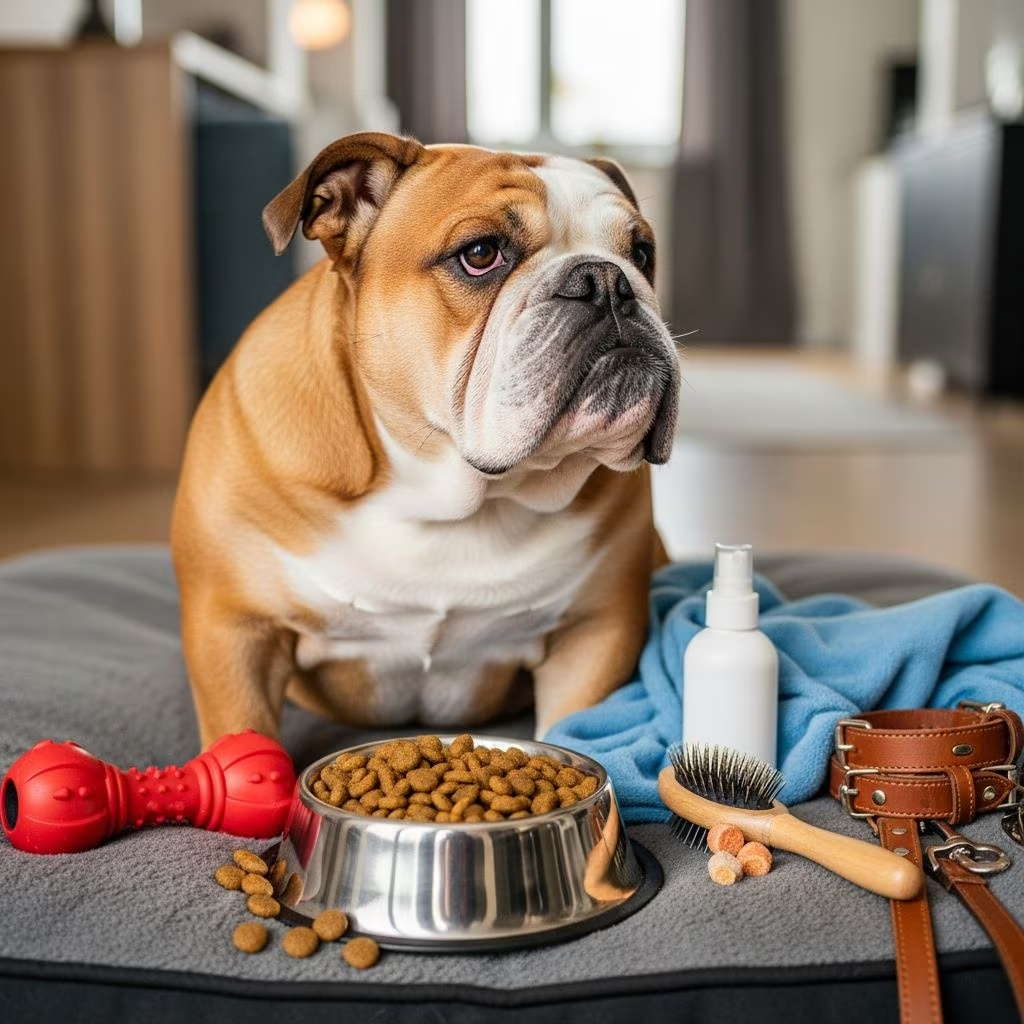
The Bulldog stands as one of the most recognizable dog breeds worldwide, cherished for its distinctive wrinkled face, sturdy build, and affectionate nature. Originally developed for grueling tasks in England, this breed has transformed into a beloved family companion known for loyalty and laid-back demeanor. This guide delves into the Bulldog’s background, physical attributes, personality, health considerations, and practical care tips to help you understand what makes this dog so special.
Origins and Historical Evolution
Bulldogs trace their roots to medieval England, where they were selectively bred for strength and tenacity. Historians link their development to around 1210, coinciding with the emergence of bull-baiting, a brutal sport where dogs pinned bulls by the nose to subdue them. These early dogs descended from mastiff-like stock, prized for their power despite smaller size compared to ancestors.
Bull-baiting, believed to tenderize meat and entertain crowds, demanded dogs with unyielding grip and courage, even against much larger foes. By the 18th and 19th centuries, the breed’s form adapted to this role: athletic builds with longer muzzles for agility, weighing up to 80 pounds to topple ton-heavy bulls. No strict standards existed; functionality dictated traits like a broad head and muscular frame.
The tide turned in 1835 when Parliament banned bull-baiting, stripping Bulldogs of purpose and nearly causing extinction. Perceived as savage and tied to working-class roots, their numbers plummeted. Salvation came via the dog show movement starting in 1859. Breeders shifted focus to companionship, selecting for gentler temperaments and exaggerated features like shorter faces and heavier bodies.
The Philo-Kuon standard of 1865 marked the first formal breed description, emphasizing a thick-set, smooth-coated dog with massive head and docile nature to distance from fighting past. Clubs formed swiftly: England’s Bulldog Club in 1875 established enduring standards. Across the Atlantic, the Bulldog Club of America adopted similar guidelines in 1894 after the breed’s 1886 AKC recognition. By the early 1900s, selective breeding solidified the modern Bulldog’s personality—calm, people-oriented, and family-friendly.
Physical Characteristics and Breed Standards
Modern Bulldogs embody power in a compact package. Males typically weigh 50 pounds, females 40, standing 12-15 inches at the shoulder. Their hallmark is a large, square head with deep wrinkles, short muzzle, and turned-out eyes conveying perpetual concern. The body is broad-chested, low-slung, with sturdy limbs—forelegs straight, hind slightly turned out for balance.
Coat is short, smooth, and glossy in colors like white, brindle, fawn, or piebald. The gait is distinctive: a rolling, tip-toe waddle from heavy front quarters and constrained hips. Standards prioritize impression of determination without aggression, blending strength with compactness akin to a thick-set bull.
| Feature | Description | Ideal per Standards |
|---|---|---|
| Height | 12-15 inches | Balanced proportion to weight |
| Weight (M/F) | 50/40 lbs | Muscular, not obese |
| Head | Massive, wrinkled | Short face, broad muzzle |
| Coat | Smooth, short | Close-lying, glossy |
| Temperament | Calm, loyal | Gentle, courageous |
Temperament and Family Fit
Beneath the tough exterior lies a gentle soul. Bulldogs are famously docile, affectionate, and low-energy, thriving as couch potatoes who adore laps and cuddles. Their stable temperament suits families; they bond deeply with owners, often protective yet not overly barky.
- With Children: Patient and tolerant, though their size warrants supervision with toddlers.
- With Other Pets: Generally amiable if socialized early; monitor introductions.
- Strangers: Reserved but not aggressive, making fair watchdogs.
- Activity Level: Minimal exercise needs—short walks suffice, avoiding heat.
Early socialization and training harness their intelligence, preventing stubborn streaks. Their “hold fast” motto reflects loyalty, not combativeness today.
Health and Wellness Priorities
Brachycephalic (short-nosed) structure brings health challenges from extreme selective breeding. Common issues include brachycephalic obstructive airway syndrome (BOAS), causing labored breathing, snoring, and heat intolerance. Hip dysplasia, skin infections in folds, and allergies affect many.
Obesity exacerbates joint strain; lifespan averages 8-10 years. Preventive care is key:
- Regular vet checkups for breathing assessments.
- Cool-environment living; air-conditioned spaces essential.
- Weight management via portion control.
- Clean folds daily to prevent dermatitis.
Choose breeders prioritizing health testing over show extremes.
Grooming and Daily Maintenance
Low-maintenance coat requires weekly brushing to remove dead hair. Focus on wrinkle care: clean with medicated wipes, dry thoroughly to avert infections. Bathe monthly or as needed, using gentle, hypoallergenic shampoo.
Nails trim biweekly; ears check weekly for wax buildup. Dental hygiene is crucial—brush daily, offer chews to combat periodontal disease common in the breed. Drool management involves keeping towels handy.
Nutrition and Exercise Guidelines
Feed high-quality, large-breed puppy food until 12-18 months, transitioning to adult formulas low in fillers. Daily intake: 1,200-1,500 calories split into 2-3 meals to prevent bloat. Fresh water always available.
Exercise moderately: 20-30 minute walks in cool times, plus indoor play. Avoid overexertion; brachycephalic snorts signal distress. Mental stimulation via puzzle toys keeps them engaged without physical strain.
Training Essentials for Success
Bulldogs respond to positive reinforcement—treats, praise over scolding. Start early with basics: sit, stay, come. Short sessions suit short attention spans. Housetraining succeeds with crates, consistent schedules.
Stubbornness yields to patience; use high-value rewards. Obedience classes build socialization. Advanced tricks like “spin” showcase smarts.
Choosing Your Bulldog: Adoption vs. Breeder
- Reputable Breeders: Health clearances (hips, elbows, eyes), temperament testing. Visit litters, meet parents.
- Rescue: Adult Bulldogs often available; assess health history.
- Red Flags: No guarantees, puppy mills with extreme features.
Puppy-proof homes: secure yards, no swimming unsupervised (poor swimmers).
Common Myths Debunked
- Myth: All Bulldogs are aggressive. Fact: Bred out centuries ago; gentle by standard.
- Myth: They need no exercise. Fact: Moderate activity prevents obesity.
- Myth: Wrinkles mean constant illness. Fact: Proper care minimizes issues.
Frequently Asked Questions (FAQs)
Are Bulldogs good for apartments?
Yes, their quiet, low-energy nature suits small spaces, provided cooling is available.
How often should I clean Bulldog wrinkles?
Daily inspections, cleaning 3-4 times weekly or after play.
Do Bulldogs drool a lot?
Moderately; loose lips contribute, manageable with routine.
Can Bulldogs tolerate hot weather?
No; heat exhaustion risks high—keep indoors with AC.
What’s the best food for Bulldogs?
Large-breed formulas supporting joint health, controlled calories.
Life Stages: From Puppy to Senior
Puppyhood (0-12 months): Frequent meals, socialization, gentle exercise.
Adulthood (1-7 years): Routine care, monitor weight.
Senior (8+ years): Joint supplements, softer foods, vet biannually.
Bulldogs enrich lives with devotion. Responsible ownership ensures their well-being.
References
- Bulldog History: Where the Breed Originated — American Kennel Club. 2023-10-15. https://www.akc.org/expert-advice/dog-breeds/bulldog-history/
- English Bulldog Breed Guide: Characteristics, History & Care — Pawlicy Advisor. 2024-05-20. https://www.pawlicy.com/blog/english-bulldog-breed/
- BULLDOGS THROUGH TIME — Bulldog Breed Council. 2023-11-01. https://www.bulldogbreedcouncil.co.uk/i/bulldogs-through-time
- The History of Bulldogs — Bark! Voice of the Bulldogs. 2022-08-12. https://barkvoiceofthebulldogs.org/946/features/the-history-of-bulldogs/
- History of the Bulldog (PDF) — Bulldog Club of America. 2019-05-01. https://bulldogclubofamerica.org/wp-content/uploads/2019/05/1980s.pdf
- History of the Breed — Leavitt Bulldog Association. 2024-02-14. https://leavittbulldogassociation.com/history-of-the-breed
- The Selective Breeding of English Bulldogs Has Led to a Lot of Health Problems — Smithsonian Magazine. 2022-06-22. https://www.smithsonianmag.com/smart-news/the-selective-breeding-of-english-bulldogs-has-led-to-a-lot-of-health-problems-180980271/



