

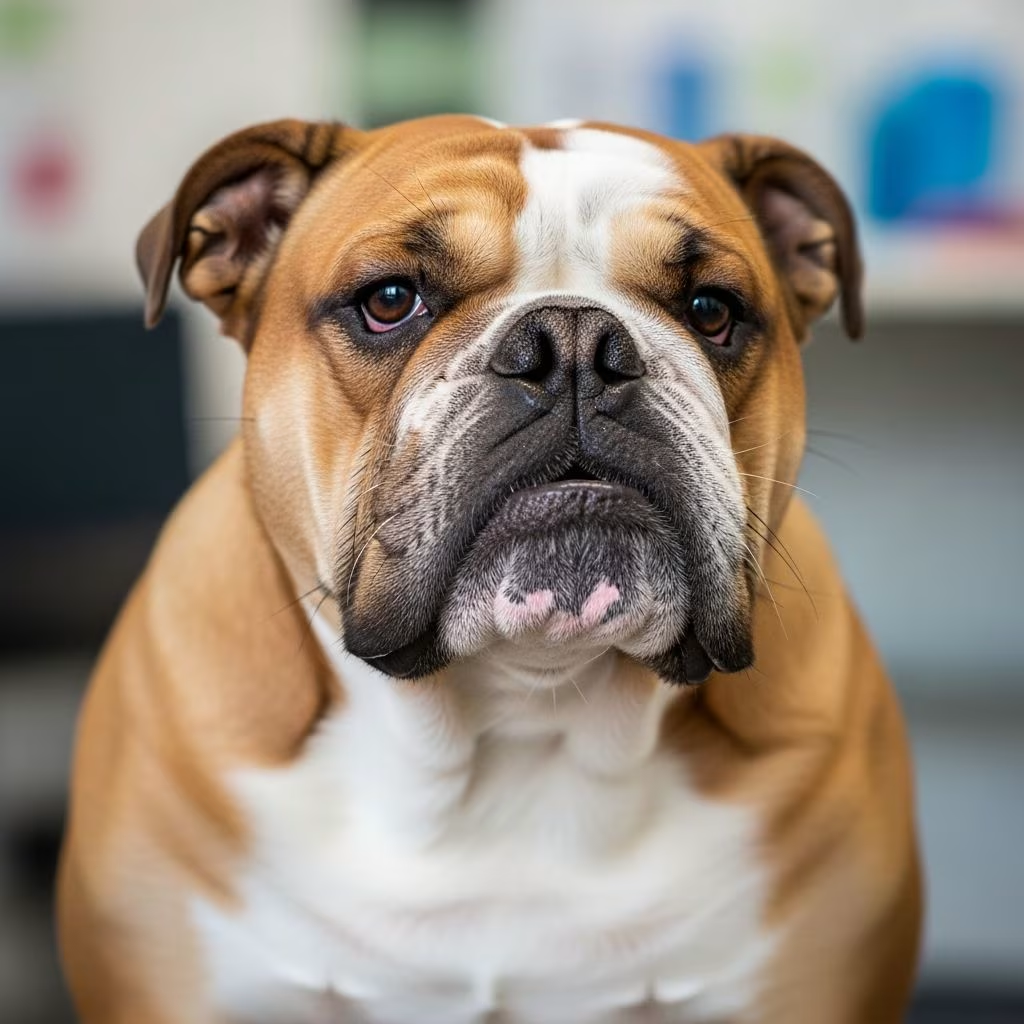
Bulldogs, with their distinctive short muzzles and compact faces, frequently encounter respiratory challenges that impact their daily comfort and longevity. These issues stem primarily from their brachycephalic build, which compresses airways and hinders efficient oxygen intake. Understanding these problems empowers owners to intervene early, potentially extending their pet’s joyful years.
Why Bulldogs Struggle with Respiration
The core issue for bulldogs lies in brachycephalic obstructive airway syndrome (BOAS), a condition arising from selective breeding for aesthetic traits like pushed-in noses. This results in narrowed nostrils, excess throat tissue, and other structural quirks that obstruct airflow. Primary BOAS features innate anatomical defects, while secondary ones develop from prolonged strain, such as tissue prolapse or tracheal narrowing.
Breeding practices have amplified these traits, making breathing laborsome even at rest. Unlike longer-nosed breeds, bulldogs expend extra energy just to breathe, leading to rapid fatigue and overheating risks.
Common Anatomical Culprits in Bulldog Airways
Several specific deformities contribute to bulldog breathing woes. Here’s a breakdown:
- Narrowed Nostrils (Stenotic Nares): The nostrils appear pinched, restricting incoming air. This forces mouth-breathing, which is less effective.
- Overlong Soft Palate: The fleshy rear of the mouth extends too far, flapping into the windpipe and blocking passage.
- Prolapsed Laryngeal Saccules: Negative pressure from labored breaths pulls these throat pouches into the airway, worsening obstruction.
- Underdeveloped Trachea: A narrower windpipe acts like a straw, amplifying resistance when combined with other issues.
These features create a vicious cycle: obstruction increases effort, which generates more negative pressure, pulling additional tissues out of place.
Recognizing Trouble: Key Symptoms to Watch
Early detection can prevent crises. Bulldogs may show subtle signs that escalate over time, especially as they age or gain weight.
| Symptom | Description | Severity Level |
|---|---|---|
| Noisy Inhalation | Snorting, snoring, or wheezing, even at rest | Mild to Moderate |
| Excessive Panting | Heavy breathing after minimal activity or in cool conditions | Moderate |
| Exercise Intolerance | Quick fatigue, reluctance to play or walk | Moderate to Severe |
| Gum Discoloration | Blue or pale gums indicating oxygen shortage | Emergency |
| Collapse or Fainting | Sudden weakness from respiratory failure | Critical |
Other red flags include disrupted sleep, regurgitation from abdominal pressure, and heat sensitivity. Puppies might display issues early, but many worsen by ages 2-4.
Beyond Anatomy: Secondary Respiratory Threats
BOAS doesn’t occur in isolation. Chronic obstruction invites complications like:
- Aspiration Pneumonia: Inhaled food or saliva infects lungs due to swallowing difficulties.
- Sinusitis: Inflamed nasal passages from infections, allergies, or debris, causing discharge and sneezing.
- Tracheal Collapse: Weakened windpipe walls narrow further under stress.
- Heart Strain: Constant effort burdens the cardiovascular system, risking failure.
Environmental irritants like smoke or allergens exacerbate these, while obesity adds chest pressure. Parasites such as lungworms or conditions like Cushing’s can mimic or compound symptoms.
Daily Management: Keeping Airways Clear
While genetics can’t be changed, lifestyle adjustments significantly alleviate strain.
- Weight Management: Keep your bulldog lean; excess fat compresses airways. Aim for a body condition score of 4-5/9 via portion control and low-impact exercise.
- Cool, Calm Spaces: Maintain temperatures below 75°F (24°C). Use fans, avoid direct sun, and limit stress.
- Harness Over Collars: Prevent neck pressure that narrows the trachea.
- Supplements and Aids: Omega-3s reduce inflammation; nasal oils ease congestion. Elevate food bowls to minimize aspiration.
- Regular Vet Checks: Monitor with radiographs and scopes for progression.
These steps can improve quality of life by 30-50% in mild cases, per veterinary observations.
Surgical Interventions: When to Consider Surgery
For moderate to severe BOAS, corrective procedures offer lasting relief. Performed under general anesthesia, they address multiple issues simultaneously.
- Nare Widening: Removes tissue to open nostrils.
- Palate Shortening: Trims excess to clear the larynx.
- Saccule Removal: Excises prolapsed pouches.
- Trachea Stenting: Rare, for collapse.
Success rates exceed 80% for breathing improvement, though risks include swelling or aspiration post-op. Ideal timing is before age 2, when secondary changes are minimal. Costs range $2,000-$5,000, depending on extent.
Emergency Response: Act Fast in Crisis
Respiratory distress demands immediate action. Signs like open-mouth breathing, extended head/neck, or cyanosis signal emergency.
- Cool the dog with fans or cool packs (not ice).
- Minimize handling; transport calmly to a 24/7 vet.
- Avoid sedatives unless vet-directed.
Intubation or oxygen therapy may be needed. Heatstroke, common in brachycephalics, can trigger collapse.
Prevention and Breeding for Healthier Futures
Responsible breeding uses tools like the OFA grading scheme to score BOAS severity, favoring milder cases. Owners should select breeders prioritizing health screenings over extreme features.
Spaying/neutering doesn’t directly affect breathing but aids weight control. Annual wellness exams catch issues early.
Frequently Asked Questions
Can all bulldogs outgrow breathing problems?
No, BOAS is structural and persists lifelong without intervention. Management helps, but surgery often provides the best fix.
Is surgery safe for bulldogs?
Yes, with experienced surgeons specializing in brachycephalics. Complications are low (under 10%).
How do I know if it’s BOAS or something else?
Vets use endoscopy and grading scales. Rule out infections or heart issues first.
Does obesity really worsen breathing?
Absolutely; even 10% excess weight doubles airway pressure.
Are French bulldogs affected similarly?
Yes, as fellow brachycephalics, they share BOAS traits like stenotic nares and elongated palates.
References
- Breathing Airway and Respiratory Problems in Bulldogs — vet4bulldog. 2023. https://vet4bulldog.com/breathing-problems-bulldogs/
- Breathing Difficulties in Dogs: Symptoms, Causes, & Treatments — Sandy Paws Animal Hospital. 2024. https://www.sandypawsanimalhospital.com/blog/breathing-difficulties-in-dogs-symptoms-causes-treatments
- Dog Breathing Heavy? Why It Happens and When To Worry — PetMD. 2025-01-15. https://www.petmd.com/dog/symptoms/dog-breathing-heavy
- French Bulldog Breathing Problems: How the OFA Grading Scheme Helps — Sage C4A. 2024. https://sagec4a.org/education-1/french-bulldog-breathing-problems-how-the-ofa-grading-scheme-helps
- BOAS – breathing problems in flat-faced dogs — PDSA. 2025. https://www.pdsa.org.uk/pet-help-and-advice/pet-health-hub/conditions/boas-breathing-problems-in-flat-faced-dogs
- Recognizing and responding to canine respiratory distress — Cornell University College of Veterinary Medicine. 2024-06-01. https://www.vet.cornell.edu/departments-centers-and-institutes/riney-canine-health-center/canine-health-topics/recognizing-and-responding-canine-respiratory-distress



