

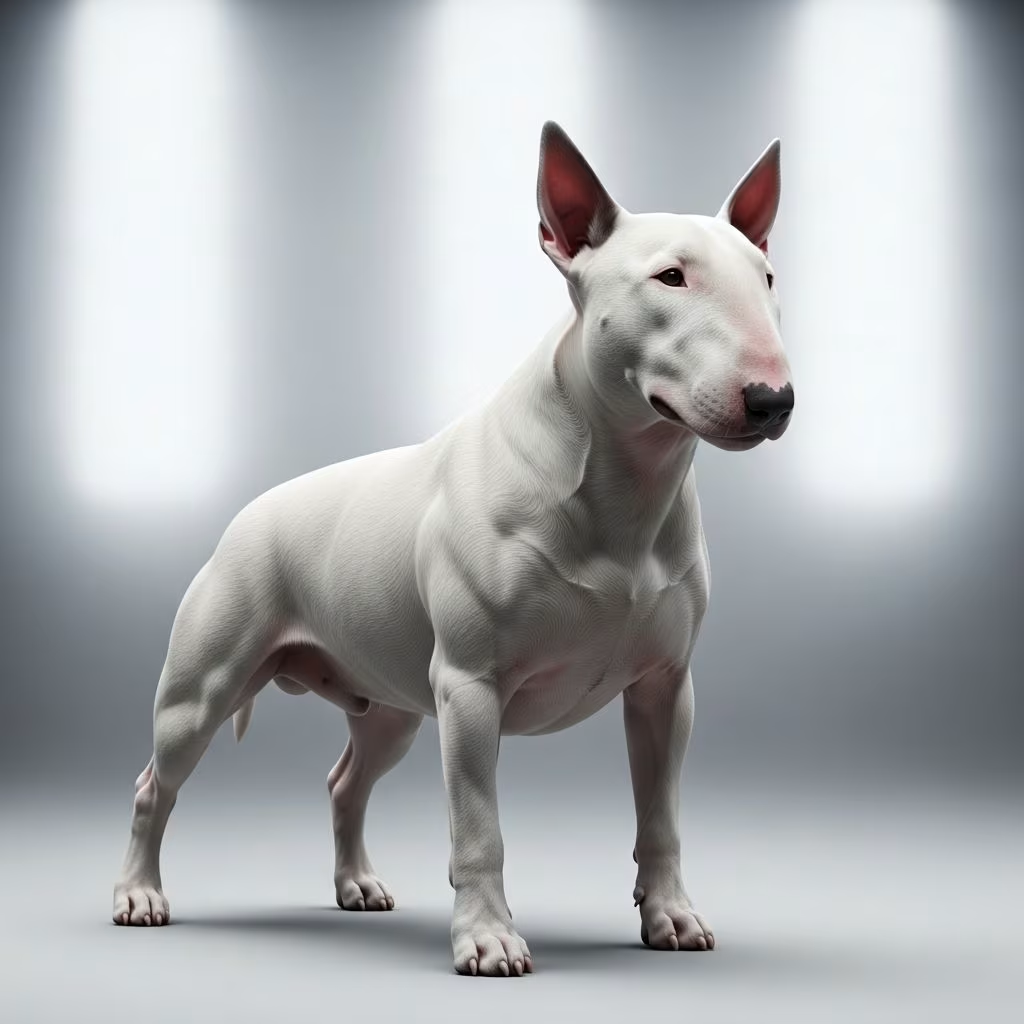
The Bull Terrier stands out as a muscular, athletic dog with a distinctive egg-shaped head and a playful, courageous spirit. Originally bred in 19th-century England from crosses between bulldogs and terriers, this breed has transformed from a bloodsport competitor to a beloved family companion known for loyalty and energy.
Origins and Evolution of the Breed
Bull Terriers emerged in early 1800s England amid a Victorian fascination with purebred dogs. Breeders crossed the sturdy English Bulldog, famed for bull-baiting, with agile terriers to produce a versatile fighter possessing both power and speed. These early “bull and terrier” hybrids excelled in underground dog fights after bull-baiting was banned around 1835.
James Hinks of Birmingham played a pivotal role in the mid-19th century by refining the breed. He crossed foundation stock with white English Terriers for sleekness, Dalmatians for pristine white coats, and possibly Greyhounds or Pointers for agility and the signature head shape. Hinks’ “White Cavaliers” shifted focus from combat to companionship, debuting successfully in dog shows by the 1870s.
The breed’s appearance evolved dramatically: original dogs had stocky builds, broad heads, and varied colors suited for pit fighting, while Hinks’ versions featured longer legs, balanced proportions, and the smooth, stopless skull defining modern Bull Terriers. By 1885, the Bull Terrier Club established formal standards.
- Key Milestones: 1800-1835: Initial bulldog-terrier crosses in urban centers like Birmingham.
- 1835: Shift to ratting and dog fighting post-bull-baiting ban.
- 1860s: Hinks refines toward show quality.
- 1936: AKC recognizes colored variety via Staffordshire Bull Terrier outcrosses.
Physical Characteristics and Standards
Bull Terriers are medium-sized, standing 20-22 inches at the shoulder and weighing 45-60 pounds for males, slightly less for females. Their bodies exhibit perfect symmetry: deep chests, muscular hindquarters, and a compact frame conveying strength without bulk.
The hallmark is the unique head—egg-shaped, convex from skull to nose tip with no stop, small triangular eyes set obliquely for a keen expression, and erect ears. Coats are short, flat, and glossy: whites must be pure, while colored varieties include brindle, black, and pied patterns introduced in the early 20th century to address deafness risks in whites.
| Trait | Standard Description |
|---|---|
| Height | 20-22 inches (males taller) |
| Weight | 45-60 lbs (muscular build) |
| Head | Egg-shaped, no stop, shark-like profile |
| Coat | Short, white or colored (brindle popular) |
| Eyes | Dark, deep-set, triangular |
This athletic design supports high energy levels, making them agile ratters historically and vigorous playmates today.
Temperament and Behavioral Traits
Bull Terriers blend bulldog tenacity with terrier spirit: bold, determined, intelligent, and affectionate. They exhibit unwavering loyalty to family, often forming deep bonds, yet retain a stubborn streak requiring firm, consistent handling.
With humans, they are gentle and playful, earning a reputation as “gentlemen’s companions.” However, their high prey drive demands supervision around small pets. Early socialization curbs dog aggression rooted in fighting ancestry. Proper outlets like training and exercise channel their energy positively.
Historical accounts note controlled aggression toward prey balanced by handler loyalty. Modern Bull Terriers thrive as family guardians, alert yet not overly barky, with a clownish charm that delights owners.
Health and Wellness Considerations
Bull Terriers live 10-12 years but face breed-specific issues. All-white dogs risk congenital deafness (up to 20% affected), mitigated by colored breeding lines from Staffordshire crosses.
Common conditions include luxating patellas, heart disease, kidney issues, and skin allergies. Their compact face predisposes to dental crowding and eye problems like cataracts. Regular vet checkups, dental care, and weight management are crucial.
- Preventive Measures: Annual health screenings, balanced diet, dental chews.
- Lifespan Factors: Genetics, exercise, early detection.
Pet insurance can offset costs for hereditary conditions, emphasizing proactive care.
Grooming and Daily Maintenance
Low-maintenance coats require weekly brushing to remove dead hair and baths as needed. Check ears for infections, trim nails monthly, and maintain oral hygiene to prevent periodontal disease.
Shedding is minimal year-round. Their active lifestyle keeps skin healthy, but monitor for allergies manifesting as hot spots.
Training and Exercise Requirements
These intelligent dogs excel in obedience with positive reinforcement but test boundaries if bored. Start training early: short, fun sessions build focus. They shine in agility, rally, and therapy work.
Daily exercise—60-90 minutes of walks, fetch, or play—is essential to prevent destructive chewing. Secure fencing counters escape artistry; mental puzzles satisfy terrier smarts.
Nutrition and Feeding Guidelines
Feed high-quality, protein-rich food (25-30% protein) suited to their activity. Puppies need three meals daily transitioning to twice for adults; seniors may require joint-support formulas.
Portion control prevents obesity: 2-3 cups daily based on weight/activity. Fresh water always; avoid table scraps fueling allergies.
Bull Terrier as Family Pets
Ideal for active households, Bull Terriers adore children with supervision due to exuberance. They guard homes instinctively without excessive wariness. Famous owners like Theodore Roosevelt highlight their appeal across eras.
Compatibility with other dogs varies; same-sex pairings often spark rivalry. Apartments suit if exercise is met, but yards enhance life.
Adoption, Breeding, and Responsible Ownership
Choose reputable breeders screening for health (hips, patellas, hearing). Rescues offer mature, temperament-tested dogs. Costs range $1,500-$3,000 for puppies; prioritize AKC standards.
Commit to lifetime care: spay/neuter unless breeding ethically, vaccinate, and microchip.
Frequently Asked Questions
Are Bull Terriers good with kids?
Yes, they are playful and protective, but supervise interactions due to strength and energy.
Do Bull Terriers get along with other pets?
With socialization, yes, but high prey drive warrants caution with cats/small animals.
How much exercise do they need?
At least 1-2 hours daily of vigorous activity.
Are white Bull Terriers prone to deafness?
Yes, colored varieties reduce risk via outcrossing.
What’s the best training method?
Positive reinforcement; consistency counters stubbornness.
References
- Bull Terrier Original Breed History & Owner Reality — Devil Dog Pet Co. 2023. https://devildogpetco.com/blogs/the-devil-dog-blog/bull-terrier-original-breed
- Bull Terrier History — Bull Terrier World. 2023. https://bullterrier.world/blogs/all/history-of-bull-terriers
- History – Bull Terrier Rescue — Bull Terrier Club of America Rescue. 2023. https://bullterrierclubofamericarescue.com/history/
- Bull Terrier History: Where the Breed Originated — American Kennel Club (AKC). 2023. https://www.akc.org/expert-advice/dog-breeds/bull-terrier-history/
- History of the Bull Terrier – Part I — Working Bull Terriers Kennel. 2023-01-26. https://workingbullterrierskennel.wordpress.com/2023/01/26/bull-terrier-history-part-i/
- Bull Terrier Dog Breed — Hill’s Pet Nutrition. 2023. https://www.hillspet.com/dog-care/dog-breeds/bull-terrier



