

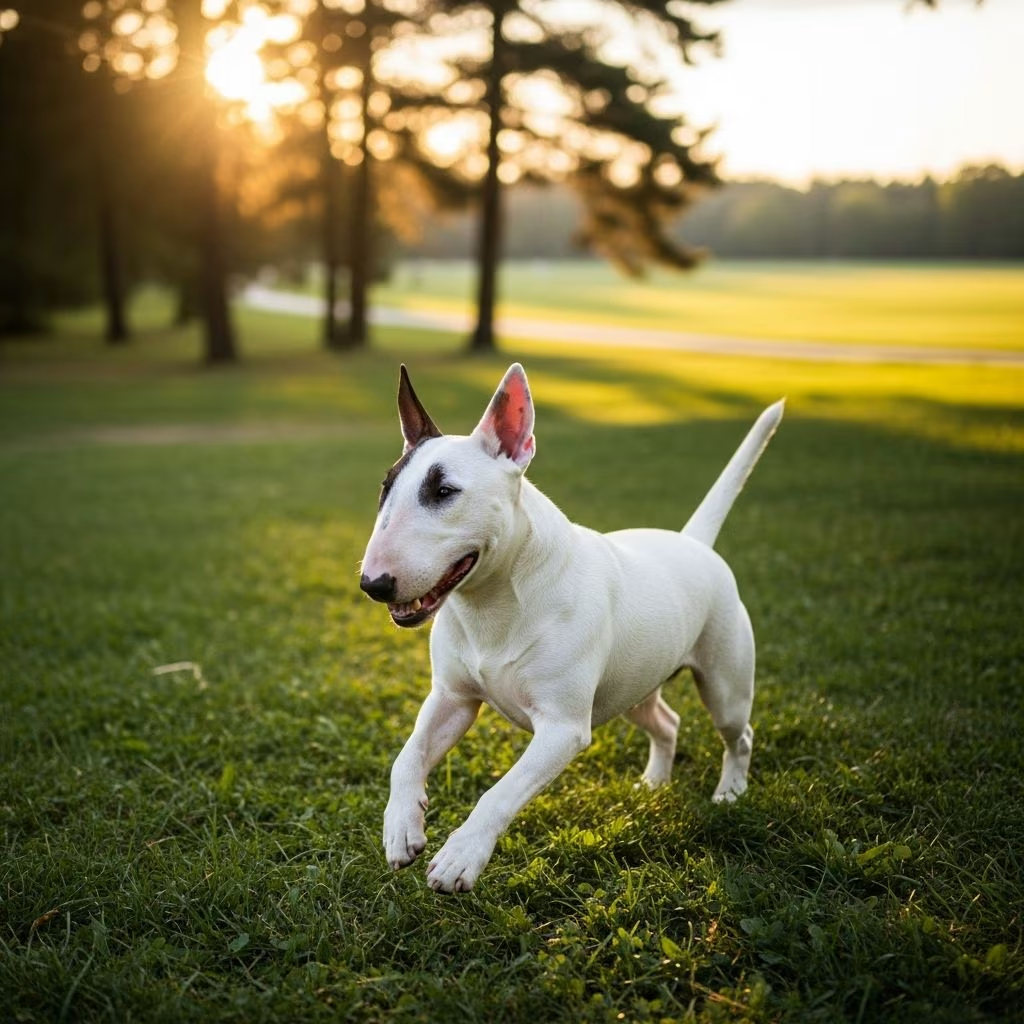
Bull Terriers are remarkable companions known for their muscular build, playful temperament, and unwavering loyalty. As a Bull Terrier owner, one of the most natural questions you’ll ask is how long your four-legged friend can remain by your side. Understanding the lifespan of this breed, along with the various factors that influence their longevity, empowers you to make informed decisions about their care and create the best possible life together.
Understanding Bull Terrier Life Expectancy
Bull Terriers occupy an interesting position within canine lifespans. The typical lifespan for a Bull Terrier ranges from 11 to 14 years, with many sources citing 12 to 13 years as the average. This lifespan slightly exceeds the average for medium-sized dog breeds, which typically live between 10 and 13 years according to breed standards. However, these figures represent general trends rather than guarantees—individual dogs may live shorter or considerably longer lives depending on their unique circumstances.
Research from the United Kingdom provides additional perspective on breed longevity. A 2024 UK study documented a life expectancy of 12 years for Bull Terriers compared to 12.7 years for purebreds and 12 years for crossbreeds. This suggests that with proper care, Bull Terriers can match or exceed broader breed averages. An earlier UK breed survey indicated a median lifespan of 10 years with a mean of 9 years, though notably, many individuals lived to 10–15 years, demonstrating the considerable variation that occurs within the breed.
Genetic Inheritance and Breeding Practices
Genetics form the foundation of lifespan potential in Bull Terriers. The importance of responsible breeding cannot be overstated—working with reputable breeders who employ ethical breeding programs significantly impacts a Bull Terrier’s health trajectory. Inbreeding, unfortunately still practiced by some breeders, increases the burden of overall morbidity and can predispose dogs to multiple inherited conditions.
Before bringing a Bull Terrier into your home, request documentation that demonstrates the puppy has been tested thoroughly for common genetic conditions. The most prevalent inherited health concerns include kidney disease, heart conditions, deafness, and dysplasia. White Bull Terriers, in particular, show a strong genetic predisposition toward deafness and may inherit lethal acrodermatitis, a severe genetic skin disorder.
Hereditary nephritis, a kidney disease affecting Bull Terriers, represents one of the most serious health concerns. This condition can dramatically curtail lifespan—some affected puppies do not survive beyond three years of age. Recognizing this hereditary risk underscores why obtaining health clearances from breeders is essential before purchase.
The Role of Nutrition Throughout Life Stages
Nutrition serves as one of the most controllable factors influencing Bull Terrier longevity. Dogs require a well-balanced diet providing essential vitamins, minerals, and nutrients to support optimal health. Premium-quality food without fillers or inferior ingredients should form the foundation of your Bull Terrier’s diet.
Bull Terrier puppies, typically aged 12 to 18 months during the puppyhood stage, have distinct nutritional requirements that differ from adult dogs. Puppy formulas enriched with proteins, fats, minerals, and vitamins ensure steady growth and support brain development, bone formation, and muscle development. Consulting with your veterinarian about the optimal balance of carbohydrates, proteins, and fats for your individual dog’s needs prevents nutritional deficiencies that could stall growth or trigger medical complications.
As Bull Terriers transition through their young adult stage, typically occurring between 20 to 24 months of age, dietary needs remain important while physical growth largely plateaus. The senior years, beginning around age 7, demand another dietary shift. Senior Bull Terriers benefit from lower-calorie diets with reduced protein percentages adapted to their changing metabolic needs. Avoiding nutritional deficiencies proves critical, as inadequate nutrition can lead to chronic conditions such as obesity and heart disease that substantially reduce lifespan.
Obesity prevention deserves particular attention throughout life. Managing portions, avoiding free-feeding practices, and limiting treats to less than 10% of daily caloric intake help maintain healthy weight. These seemingly simple measures have profound impacts on preventing obesity-related complications that compromise longevity.
Exercise and Physical Activity Requirements
Bull Terriers are energetic, athletic dogs that require substantial daily physical activity to maintain both physical fitness and mental well-being. These dogs need approximately one to one-and-a-half hours of daily exercise during puppyhood and young adult years. This commitment to regular activity supports cardiovascular health, maintains muscle tone, prevents obesity, and provides essential mental stimulation.
As Bull Terriers age into their senior years, exercise requirements naturally decrease. Aging dogs become less active and require less intense playtime. However, gentle, consistent movement remains important for maintaining mobility, managing weight, and supporting cognitive function. Activities like leisurely walks, low-impact play, and age-appropriate games help preserve quality of life in the later years.
The relationship between exercise and longevity extends beyond physical fitness. Engaging activities such as agility training, fetch games, or interactive play strengthen the emotional bond between owner and dog while fulfilling natural behavioral drives. This mental stimulation contributes to overall well-being and may positively influence lifespan.
Environmental Factors and Living Conditions
The environment where a Bull Terrier lives significantly impacts their health and longevity. Bull Terriers possess short coats that provide minimal insulation against cold temperatures, making them poorly suited for harsh winter climates. These dogs have low tolerance for colder weather and are susceptible to illness or hypothermia during cold months. Providing adequate shelter, protective clothing like sweaters during cold seasons, and safe indoor spaces ensures their physical comfort and prevents temperature-related health crises.
Overheating also presents concerns for Bull Terriers despite their preference for cooler temperatures. Ensuring access to shade, fresh water, and climate-controlled environments during warm seasons prevents heat-related stress.
Beyond temperature considerations, the psychological environment profoundly influences Bull Terrier health. Chronic stress and anxiety trigger various health problems including weakened immune systems, elevated blood pressure, and urinary tract issues. Bull Terriers thrive in environments where they feel safe and secure. Creating calm, nurturing living spaces through consistent routines, positive social interactions, and minimizing household stressors contributes meaningfully to their overall health and longevity.
Healthcare and Preventive Medicine
Regular veterinary care forms an essential pillar of Bull Terrier longevity. During puppyhood and young adulthood, veterinary visits establish baseline health profiles and ensure appropriate vaccinations and preventive treatments. As Bull Terriers enter their senior years, starting around age 7, veterinary check-ups become even more critical. Regular monitoring allows veterinarians to detect age-related conditions early, manage chronic health issues, and adjust care plans as needed.
Particular attention should focus on monitoring for hereditary conditions common in the breed. Kidney disease, heart conditions, deafness, and dysplasia require vigilant observation and prompt intervention. Addressing health issues promptly rather than allowing them to progress unchecked can extend both the quantity and quality of a Bull Terrier’s remaining years.
Growth, Development, and Body Condition
While Bull Terrier size alone does not determine lifespan, it relates to overall health and longevity. A Bull Terrier puppy that receives inadequate nutrition and exercise during formative early years may fail to reach their full potential size, and this nutritional deprivation can affect long-term health outcomes. Conversely, proper nutrition and consistent exercise during puppyhood support normal growth trajectories and establish healthy patterns that benefit the dog throughout life.
Maintaining optimal body condition throughout adulthood and into senior years remains equally important. Dogs that maintain lean, healthy weights experience fewer obesity-related complications and generally enjoy longer, more active lives.
Bull Terrier Life Stages and Care Adjustments
Bull Terriers progress through distinct life stages, each with unique care requirements and characteristics:
Puppyhood (12-18 months)
During puppyhood, Bull Terrier puppies require nutrient-dense food supporting growth and development. This stage demands intensive socialization, consistent training, and substantial daily exercise—at least 1 to 1.5 hours—to channel their natural energy, support muscle and joint development, and maintain mental engagement. Early socialization exposes puppies to diverse people, environments, and experiences, establishing confident, well-adjusted personalities that contribute to lifelong well-being.
Young Adulthood (20-24 months)
By young adulthood, Bull Terriers have largely completed their physical growth, though some additional development in height and weight may occur. Continued exercise and mental stimulation remain essential to keep young adult Bull Terriers physically fit and mentally engaged. This stage represents the peak physical years when dogs possess maximum strength and vitality.
Mature Adulthood
Following the young adult stage through the early senior years, mature Bull Terriers maintain relatively stable health and activity levels. Continuing preventive healthcare, appropriate nutrition, regular exercise, and environmental enrichment supports sustained well-being.
Senior Years (7+ years)
Bull Terriers typically enter their senior years around age 7, when visible signs of aging emerge. Senior dogs become less active, require reduced exercise intensity, and may develop age-related health conditions. Transitioning to senior-formulated diets supports their changing metabolic needs. Increased veterinary monitoring, pain management if arthritis develops, and maintaining cognitive stimulation through gentle activities help senior Bull Terriers enjoy their final years with dignity and comfort.
Maximizing Your Bull Terrier’s Lifespan: A Summary Framework
Achieving the potential 11 to 14-year lifespan that Bull Terriers can enjoy requires a multifaceted approach integrating several key elements:
- Responsible Breeding Selection: Choose puppies from reputable breeders with transparent health testing and ethical breeding practices
- Premium Nutrition: Feed high-quality food appropriate for each life stage, consulting veterinarians about individual needs
- Consistent Exercise: Provide adequate daily physical activity matched to your dog’s age and ability
- Environmental Care: Maintain safe, comfortable living conditions with protection from temperature extremes
- Preventive Healthcare: Schedule regular veterinary visits for early detection and management of health issues
- Mental Enrichment: Provide socialization, training, play, and environmental stimulation throughout life
- Stress Reduction: Create calm, secure environments minimizing chronic anxiety
Frequently Asked Questions
How long do Bull Terriers typically live?
Bull Terriers typically live 11 to 14 years, with 12 to 13 years representing the average lifespan. This slightly exceeds the average for medium-sized dog breeds.
What health conditions commonly affect Bull Terrier lifespan?
The most common conditions include hereditary nephritis (kidney disease), heart disease, deafness (particularly in white Bull Terriers), dysplasia, and lethal acrodermatitis. Early detection through health screening can improve outcomes.
Can proper care extend a Bull Terrier’s lifespan beyond the average?
Yes. An active, well-fed Bull Terrier with good genes can live up to 14 years or beyond. Excellent nutrition, regular exercise, preventive veterinary care, and appropriate socialization all contribute to longer lifespans.
At what age do Bull Terriers become seniors?
Bull Terriers typically enter their senior years around age 7, when they may begin showing signs of aging and have reduced activity levels. Dietary adjustments and more frequent veterinary check-ups become important at this stage.
How important is nutrition for Bull Terrier longevity?
Nutrition is crucial. Nutritional deficiencies can lead to chronic conditions like obesity and heart disease that shorten lifespan. Consulting with veterinarians ensures your Bull Terrier receives appropriate nutrition at each life stage.
Bull Terriers bring tremendous joy, energy, and affection to their owners’ lives. By understanding the factors influencing their lifespan and implementing comprehensive care strategies addressing genetics, nutrition, exercise, environment, and healthcare, you maximize the precious years you share together. Every Bull Terrier’s journey is unique, but providing dedicated, informed care creates the best possible foundation for a long, healthy, and fulfilling life.
References
- Bull Terrier Life Expectancy: Factors Affecting Your Dog’s Longevity — Bull Terrier World. https://bullterrier.world/blogs/all/bull-terrier-life-expectancy-factors-affecting-your-dogs-longevity
- How Long Does a Bull Terrier Live? Average Lifespan, Data & Care — Dogster. https://www.dogster.com/dog-health-care/bull-terrier-lifespan-how-long-do-they-live
- Bull Terrier — Wikipedia. https://en.wikipedia.org/wiki/Bull_Terrier
- Bull Terrier Health Problems: What Every Owner Needs to Know — Houndsy. https://www.houndsy.com/blogs/modern-tails/bull-terrier-health-problems-what-every-owner-needs-to-know
- Understanding the Lifespan of Pit Bull Terriers: What to Expect — OrEat AI. https://www.oreateai.com/blog/understanding-the-lifespan-of-pit-bull-terriers-what-to-expect/ce3b562d1b65a3ed2ea2f426734a6352



