

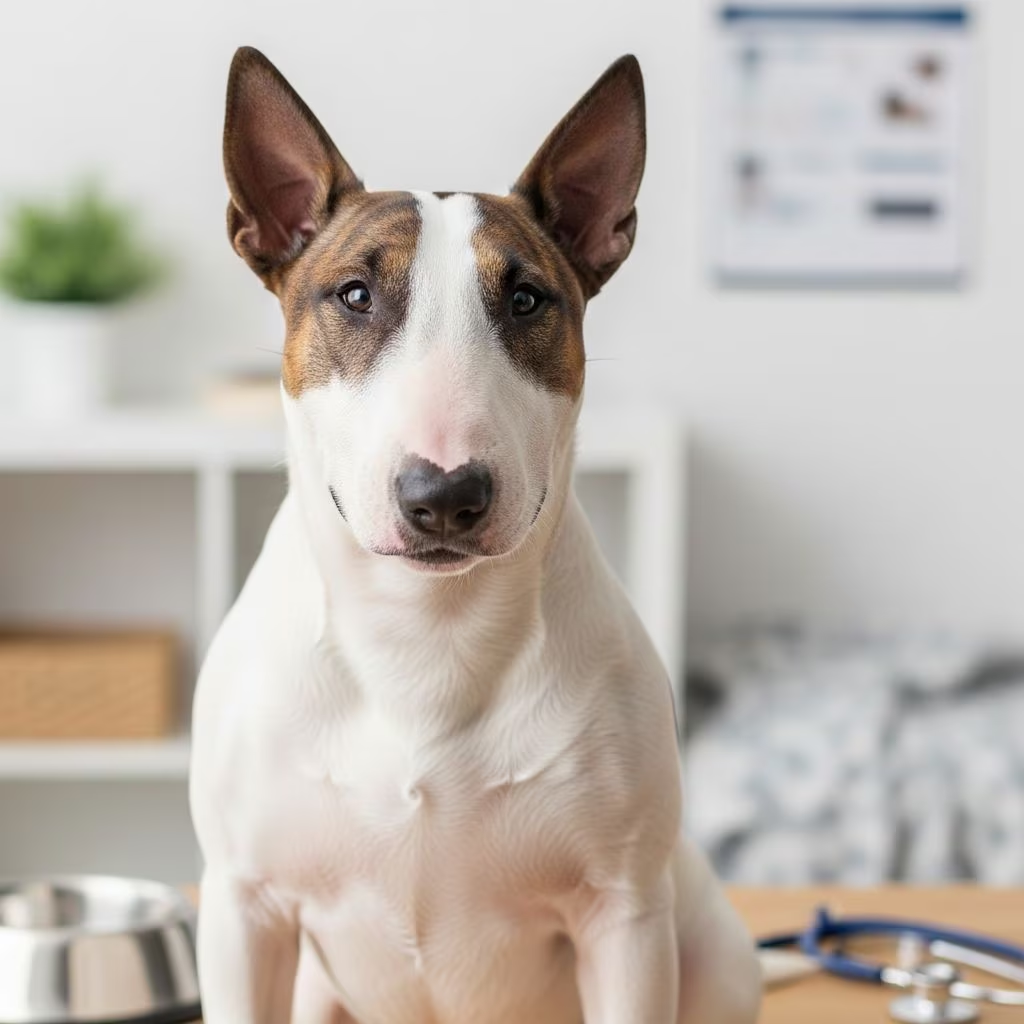
Bull Terriers are muscular, energetic companions known for their loyalty and spirited personalities. However, like all dog breeds, they carry specific health vulnerabilities that prospective and current owners should understand. Understanding these conditions enables owners to recognize early warning signs, seek timely veterinary intervention, and make informed breeding decisions. This guide explores the major health challenges affecting Bull Terriers and provides practical strategies for maintaining optimal wellness throughout their lives.
Understanding Genetic Health Vulnerabilities in Bull Terriers
The Bull Terrier breed exhibits several genetically inherited conditions that can significantly impact quality of life and longevity. These hereditary concerns arise from the breed’s genetic pool and may manifest at various life stages. Responsible breeding practices that include comprehensive health screening can help reduce the prevalence of these conditions, though complete elimination remains challenging.
Prospective Bull Terrier owners should prioritize selecting puppies from breeders who conduct rigorous health testing on parent dogs and provide documentation of results spanning multiple generations. This transparency helps identify carriers of genetic disorders and reduces the likelihood of purchasing a puppy predisposed to serious health complications.
Auditory Challenges in the Breed
Hearing loss represents one of the most prevalent genetic concerns in Bull Terriers, particularly affecting white-coated dogs, though colored individuals can also experience deafness. This condition may present as unilateral (affecting one ear) or bilateral (affecting both ears) hearing loss.
The mechanism behind hereditary deafness in Bull Terriers involves the degeneration of cochlear structures, which can be detected early through specialized testing. Puppies, especially those with predominantly white coats, should undergo BAER testing (Brainstem Auditory Evoked Response) to evaluate hearing capability before adoption. Early identification allows owners to implement appropriate training modifications and environmental adjustments to ensure safety and quality of life.
Cardiovascular System Disorders
Heart disease represents a serious health concern in Bull Terriers, with mitral valve dysplasia being particularly common. This condition involves abnormal development of the mitral valve, which separates the left atrium from the left ventricle. When the valve fails to close properly, blood leaks backward, reducing efficient oxygen circulation throughout the body.
Dogs affected by mitral valve dysplasia may initially show no symptoms, but as the condition progresses, owners might observe the following manifestations:
- Persistent coughing, especially during activity or when lying down
- Rapid or labored breathing
- Decreased exercise tolerance and rapid fatigue
- Fainting or collapse episodes
- Pale or bluish-tinged gums indicating poor oxygenation
Veterinary diagnosis typically involves physical examination where heart murmurs are detected through auscultation, supplemented by echocardiography and chest radiographs. While no cure exists for this structural defect, medications can manage symptoms and slow disease progression. Treatment approaches include diuretics to reduce fluid accumulation, afterload-reducing agents to decrease workload on the heart, and exercise restriction to minimize cardiac stress.
Renal System Dysfunction
Kidney disease manifests as particularly serious in Bull Terriers, with hereditary nephritis representing a life-threatening genetic condition. This inherited form of kidney disease involves progressive deterioration of renal structures, ultimately leading to kidney failure if untreated.
The challenge with hereditary kidney disease is that symptoms often appear only after significant damage has occurred. Owners should monitor for these indicators:
- Dramatically increased thirst and water consumption
- Frequent urination or inappropriate elimination indoors
- Loss of appetite and subsequent weight loss
- General lethargy and decreased activity levels
- Bad breath or mouth odor
Early detection through veterinary screening provides the best opportunity for intervention. Regular urinalysis and ultrasound imaging can identify kidney abnormalities before advanced failure develops. Breeders should provide documentation of kidney health testing for parent dogs, using ultrasound to screen for polycystic kidney disease and bloodwork to assess kidney function markers.
Management strategies for dogs diagnosed with kidney disease include prescription diets formulated to minimize kidney workload, phosphate binders to reduce mineral accumulation, and medications to manage secondary complications. Early diagnosis significantly improves prognosis compared to cases where disease is discovered after advanced deterioration.
Skeletal and Joint Complications
Patellar luxation, commonly referred to as slipping kneecaps, occurs when the patella (kneecap) slides out of its normal groove within the knee joint. This condition results from shallow joint grooves or muscular imbalances that prevent proper kneecap positioning.
Affected dogs may exhibit intermittent skipping or hopping movements, particularly in the rear limbs. Some dogs show only occasional symptoms during specific activities, while others experience chronic discomfort affecting mobility. Surgical correction becomes necessary when the condition significantly impacts quality of life, though mild cases may be managed through weight management and supplementation.
Omega-3 fatty acids provide natural anti-inflammatory benefits that can offer relief in mild cases. Glucosamine combined with MSM supplies building blocks for cartilage maintenance and joint support. These supplements work best when implemented early and continued consistently to manage progressive changes.
Dermatological Challenges and Allergic Responses
Bull Terriers frequently develop skin conditions stemming from allergic reactions to environmental triggers, food components, or parasitic infestations. Allergic dermatitis manifests through itching concentrated on feet, ears, belly folds, and facial areas. When dogs scratch persistently, secondary bacterial infections compound the original problem, causing significant discomfort.
The diversity of potential allergens makes pinpointing specific triggers challenging. Environmental allergens (pollen, dust, mold), food ingredients, and flea saliva can all trigger allergic responses. Determining the specific allergen through elimination diets or environmental modifications represents the most effective long-term approach, though symptomatic treatment often becomes necessary while investigating root causes.
Veterinary management options include medicated baths using specialized shampoos that reduce inflammation and kill bacteria, topical treatments applied directly to affected areas, and oral antihistamines or immunosuppressive medications. Addressing secondary infections promptly prevents skin barrier breakdown and deeper tissue involvement.
Vision and Ocular Health Considerations
While Bull Terriers don’t experience the extreme eye problems found in some breeds, age-related dry eye (Keratoconjunctivitis sicca) can develop in older dogs. This condition reduces tear production, leading to corneal irritation and potentially affecting vision if untreated. Regular eye examinations help identify developing issues before significant damage occurs.
Gastrointestinal Obstruction Risks
Bull Terriers demonstrate an unusual propensity for consuming non-food items, a behavior that frequently results in intestinal blockages requiring surgical intervention. Many Bull Terriers undergo what veterinarians term “zipper surgery” throughout their lifetime, referring to the surgical incision necessary to retrieve foreign objects. These blockages can present life-threatening emergencies requiring immediate veterinary care.
Prevention through environmental management—removing accessible objects, preventing unsupervised outdoor time, and providing appropriate chewing outlets—represents the most effective approach. Pet insurance specifically covering surgeries becomes particularly valuable for Bull Terrier owners given this breed’s predisposition to obstruction events.
Weight Management and Nutritional Requirements
Bull Terriers demonstrate considerable enthusiasm for food, making obesity a common concern in the breed. Excess weight exacerbates joint problems, stresses the cardiovascular system, and increases overall disease risk. Maintaining appropriate weight through measured portion control and regular exercise contributes significantly to longevity and quality of life.
Nutritional needs evolve as dogs mature, and their requirements may differ from other breeds. Dogs with zinc deficiency risks require diets containing adequate zinc and essential minerals. Working with veterinarians to adjust nutrition based on life stage, activity level, and individual health conditions ensures optimal dietary support.
Dental Health Maintenance
Chronic dental disease develops in Bull Terriers who receive inadequate oral hygiene attention. Plaque and tartar accumulation leads to gum infection, tooth loss, and potential systemic complications when bacteria enter the bloodstream through damaged gum tissue. Regular professional dental cleanings and home care using veterinary-approved products help prevent progression.
Strategic Preventive Care Approaches
Establishing a comprehensive preventive care routine maximizes opportunities for early disease detection and intervention:
- Annual veterinary examinations: Comprehensive physical assessments supplemented with breed-specific screening tests
- Laboratory work: Regular bloodwork and urinalysis establish baseline values and identify abnormalities
- Cardiac screening: Annual heart examinations and periodic echocardiograms for dogs with family histories of heart disease
- Hearing assessments: BAER testing for puppies and ongoing monitoring for developed hearing loss
- Joint evaluations: Palpation examinations and imaging as needed to assess skeletal health
Early Recognition of Health Deterioration
Attentive owners who monitor their Bull Terriers for behavioral and physical changes can identify developing health issues before they reach advanced stages. Subtle modifications warrant veterinary evaluation:
- Changes in appetite or thirst patterns
- Lameness, stiffness, or reluctance to climb stairs
- Respiratory changes including increased respiratory rate or difficulty breathing
- Excessive scratching, licking, or hair loss
- Eye discharge, tearing, or apparent vision changes
- Changes in hearing responsiveness or startle responses
- Behavioral changes including lethargy or increased irritability
Selecting Health-Conscious Breeders
Working with responsible breeders significantly reduces the likelihood of acquiring puppies predisposed to serious health conditions. Reputable breeders conduct comprehensive health screening protocols including:
- Ultrasound screening for polycystic kidney disease
- BAER hearing tests for all puppies
- Regular cardiac examinations by veterinary cardiologists
- Patella evaluations for luxation assessment
- DNA testing for genetic markers associated with hereditary conditions
Documentation spanning multiple generations demonstrates commitment to genetic health and provides insight into inherited condition prevalence within specific breeding lines.
Long-Term Health Management Strategies
Bull Terriers typically live 10-14 years, and maintaining quality of life throughout this span requires proactive management of identified health conditions. Regular exercise, appropriate nutrition, weight management, and consistent veterinary oversight work synergistically to support longevity. Owners who understand breed-specific vulnerabilities and implement preventive strategies significantly improve their Bull Terrier’s chances of experiencing a long, active, and comfortable life despite genetic predispositions to certain health challenges.
References
- Bull Terrier Health Problems: What Every Owner Needs to Know — Houndsy. 2024. https://www.houndsy.com/blogs/modern-tails/bull-terrier-health-problems-what-every-owner-needs-to-know
- Healthy Dog Guide: Caring Tips For Your Bull Terrier — Petsworld. https://petsworld.in/blogs/news/healthy-dog-guide-caring-tips-for-your-bull-terrier
- Bull Terrier Dog Breed Health and Care — PetMD. https://www.petmd.com/dog/breeds/bull-terrier
- Your Guide to the English Bull Terrier — Best Bully Sticks. https://www.bestbullysticks.com/blogs/bbs-blog/your-guide-to-the-english-bull-terrier



