

Bull Terrier Dog Breed: Complete Guide
The Bull Terrier is a distinctive and spirited breed known for its unmistakable egg-shaped head, muscular build, and larger-than-life personality. Originally developed in England, Bull Terriers have transformed from their controversial pit-fighting past into beloved family companions. These energetic, affectionate dogs thrive with active owners who can provide firm leadership, consistent training, and abundant physical activity. Understanding the Bull Terrier’s unique characteristics, temperament, and care requirements is essential for anyone considering this remarkable breed as a pet.
Breed Characteristics and Physical Appearance
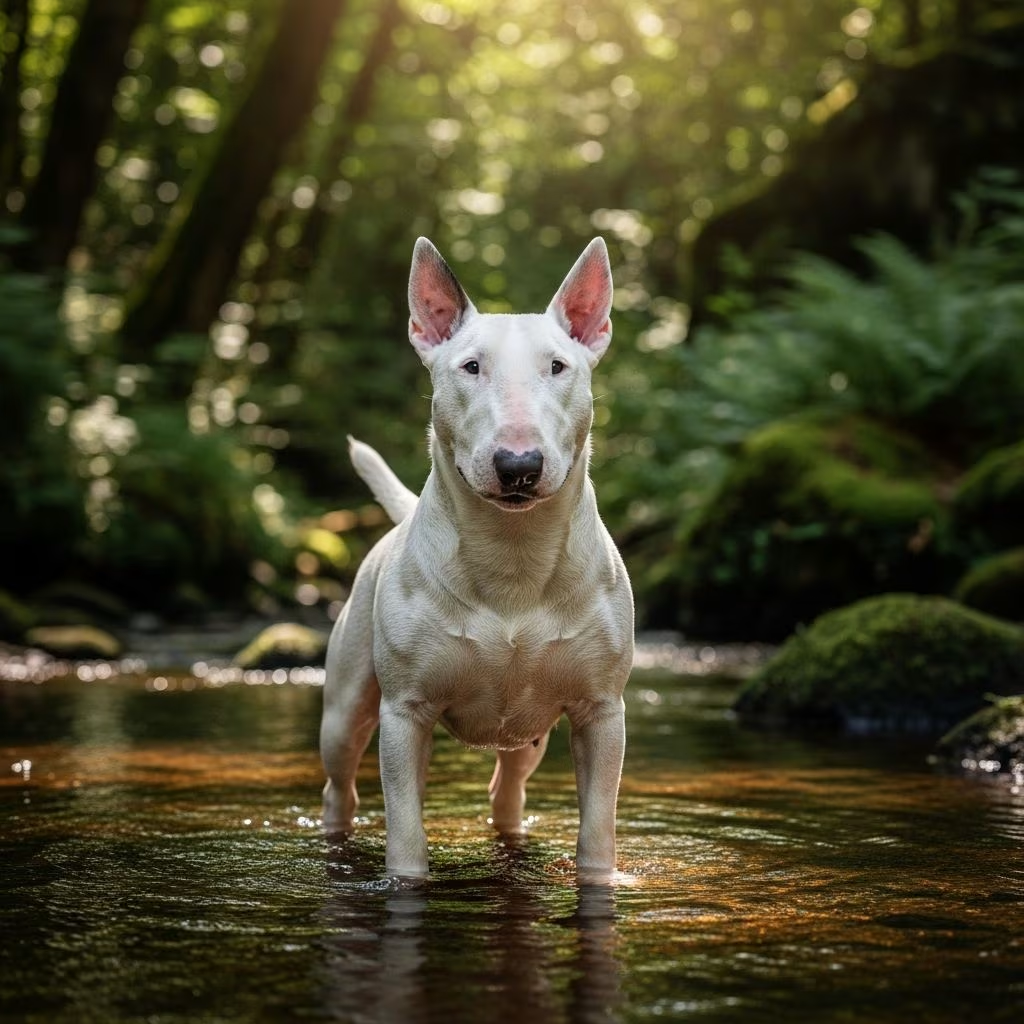
Bull Terriers are instantly recognizable by their distinctive physical features. The breed possesses a strongly built, muscular body with a well-rounded frame and short, strong back. Their most notable feature is the long, strong head with an oval shape that appears almost flat at the top, sloping evenly down to the nose with no distinct stop. The nose is characteristically black, while the eyes are almond-shaped, small, and deep-set with a dark color. Their ears are small and pointed, standing erect on the head.
The Bull Terrier comes in two sizes: standard and miniature. These dogs possess a robust and compact build that belies their surprising strength. According to breed standards, the Bull Terrier is considered one of the strongest dogs for its weight. Their short, smooth coat comes in various colors and patterns, including white, brindle, red, fawn, and black. Solid-colored dogs may display white markings, while white dogs often feature darker head markings.
Temperament and Personality
Despite their intimidating appearance, modern Bull Terriers are generally sweet, good-natured, and playful companions. Nicknamed “the kid in a dog suit,” these dogs exhibit a clownish, fun-loving attitude that endears them to families. The breed is described as energetic, huggable, exuberant, comical, and sometimes stubborn. Bull Terriers possess larger-than-life personalities ranging from intelligent and innovative to placid and loyal.
Key Personality Traits
Bull Terriers are incredibly loyal and devoted to their families. They form deep attachments to their owners and thrive on firm, consistent leadership combined with genuine affection. The breed is courageous, scrappy, active, fearless, and polite. These dogs are typically obedient when properly trained and become very attached to their owners and family members. Their friendly, affectionate, and outgoing temperament makes them excellent companions for active families seeking engaging, interactive pets.
These dogs enjoy an even temperament and are amenable to discipline when approached correctly. However, they can display independence and stubbornness, particularly without proper training. Early socialization is crucial to ensure Bull Terriers develop positive relationships with other dogs, animals, and people of all ages. When socialized appropriately from puppyhood, they are generally good-natured with children and adults alike.
Exercise and Activity Requirements
Bull Terriers are high-energy dogs requiring substantial daily physical and mental stimulation. These dogs were bred for specific tasks and possess enough stamina to remain active throughout the day. Owners must provide consistent outlets for their dogs’ physical and mental needs to maintain health and happiness.
Exercise Needs
The breed thrives with active individuals and families who can dedicate time to exercise and outdoor activities. Bull Terriers enjoy jumping, playing, and exploring new sights and smells. A sedentary lifestyle can lead to destructive behaviors, anxiety, and aggression. These dogs do not do well in situations where they are left alone for extended periods, such as eight hours daily. They require regular walks, runs, playtime, and interactive games to expend their abundant energy.
Mental Stimulation
Beyond physical exercise, Bull Terriers need mental enrichment and engagement. Interactive toys, puzzle games, training sessions, and new experiences keep their intelligent minds occupied. Without adequate stimulation, these clever dogs may develop behavioral problems including excessive barking, tail chasing, and destructive tendencies.
Training and Socialization
Bull Terriers require experienced handlers who understand the breed’s strong-willed nature and can provide consistent, firm training. These dogs are not considered suitable for inexperienced dog owners due to their independence and stubbornness. However, they are intelligent and learn quickly when motivated appropriately.
Training Approach
Success with Bull Terriers depends on establishing clear leadership and maintaining consistency throughout training. Positive reinforcement techniques work well, combined with firm boundaries and clear expectations. Early socialization is absolutely essential, exposing puppies to various people, animals, environments, and situations. This foundation ensures that adult Bull Terriers develop appropriate social skills and behavioral boundaries.
Socialization Importance
Without proper socialization, Bull Terriers may develop aggression toward other dogs and animals. Their prey drive, inherited from their terrier heritage, makes early exposure to other pets and animals particularly important. Socialized Bull Terriers can become friendly with other dogs and coexist peacefully in multi-dog households when introduced properly and supervised appropriately.
Living with a Bull Terrier
Family Suitability
Bull Terriers make fine family pets for active families who provide adequate attention, supervision, and companionship. Their playful, affectionate nature and loyalty make them wonderful additions to households with appropriate living situations. They are generally good with children when socialized and supervised, though their high intensity and exuberance require careful management around young children, elderly individuals, or frail family members.
Alone Time Tolerance
Bull Terriers are not independent dogs inclined toward solitude. Extended periods alone can trigger anxiety and anger, leading to destructive behaviors such as excessive barking, chewing, and general mayhem. These dogs bond closely with their families and are prone to worry when left alone. They do best when family members are home during the day or when owners can arrange for companionship during work hours.
Social Compatibility
Bull Terriers are typically friendly toward strangers, greeting guests with wagging tails and affectionate behavior. They are welcoming, loving, and demonstrate enthusiasm for people of all ages. Their social nature makes them suitable for active families interested in social adventures such as visiting dog parks or dog-friendly venues.
Health and Lifespan
Bull Terriers generally enjoy good health, with a typical lifespan of 10 to 12 years. However, the breed can be prone to certain health conditions requiring awareness and preventive care.
Common Health Concerns
Bull Terriers may experience hip dysplasia, elbow dysplasia, and eye problems. Regular veterinary check-ups, appropriate exercise, and maintaining healthy weight help prevent or manage these conditions. Responsible breeders conduct health screening of parent dogs to minimize genetic health issues in puppies.
Frequently Asked Questions
Q: Are Bull Terriers good family pets?
A: Yes, Bull Terriers can be excellent family pets for active families willing to provide consistent training, socialization, supervision, and companionship. They are loyal, affectionate, and playful, though they require experienced handling and substantial daily exercise.
Q: Do Bull Terriers get along with other dogs?
A: Bull Terriers can be aggressive toward other dogs, though early socialization helps establish positive relationships. They can live peacefully in multi-dog households when properly socialized, introduced carefully, and supervised. Individual dogs vary in their social compatibility with other canines.
Q: How much exercise do Bull Terriers need?
A: Bull Terriers require high levels of daily physical and mental exercise. They need regular walks, runs, playtime, and interactive games to expend their abundant energy. They do not thrive in sedentary situations and may develop behavioral problems without adequate activity.
Q: Are Bull Terriers suitable for first-time dog owners?
A: Bull Terriers are not considered ideal for inexperienced dog owners. Their strong-willed, independent nature requires firm, consistent leadership and training expertise. First-time owners should seek professional training guidance or consider more manageable breeds.
Q: Can Bull Terriers be left alone for long periods?
A: No, Bull Terriers do not tolerate extended periods alone well. They bond closely with their families and may develop anxiety-related destructive behaviors when left alone for eight hours or more daily. They thrive with regular companionship and family interaction.
Q: What grooming requirements do Bull Terriers have?
A: Bull Terriers have minimal grooming needs due to their short, smooth coats. Regular brushing helps maintain coat health, and standard grooming practices including nail trimming, ear cleaning, and dental care support overall health and hygiene.
Q: Are Bull Terriers good watchdogs?
A: Bull Terriers can be good watchdogs, alert to their surroundings and protective of their families. However, they are only fair at protection work and are not specifically bred for guard dog duties. Their friendly nature may limit protective instincts in serious security situations.
Conclusion
Bull Terriers are remarkable dogs with distinctive appearances, spirited personalities, and genuine affection for their families. These energetic, loyal companions thrive with active owners committed to providing consistent training, socialization, exercise, and companionship. While their independent, sometimes stubborn nature requires experienced handling, properly trained and socialized Bull Terriers become wonderful family members and devoted friends. Understanding the breed’s unique characteristics, exercise requirements, and training needs ensures that prospective owners can make informed decisions about whether a Bull Terrier is the right fit for their lifestyle and household.
References
- Bull Terrier Dog Breed Information & Characteristics — DogTime. 2024. https://dogtime.com/dog-breeds/bull-terrier
- Bull Terrier: Personality, Size, Lifespan & Origin — Britannica. 2024. https://www.britannica.com/animal/bull-terrier
- What to Know About Bull Terriers — WebMD Pets. 2024. https://www.webmd.com/pets/dogs/what-to-know-about-bull-terriers
- Bull Terrier Dog Breed Health and Care — PetMD. 2024. https://www.petmd.com/dog/breeds/bull-terrier
- Bull Terrier Dog Breed Information — American Kennel Club. 2024. https://www.akc.org/dog-breeds/bull-terrier/
- Bull Terrier Dog Breed Information and Pictures — DogBreedInfo.com. 2024. https://www.dogbreedinfo.com/bullterrier.htm



