

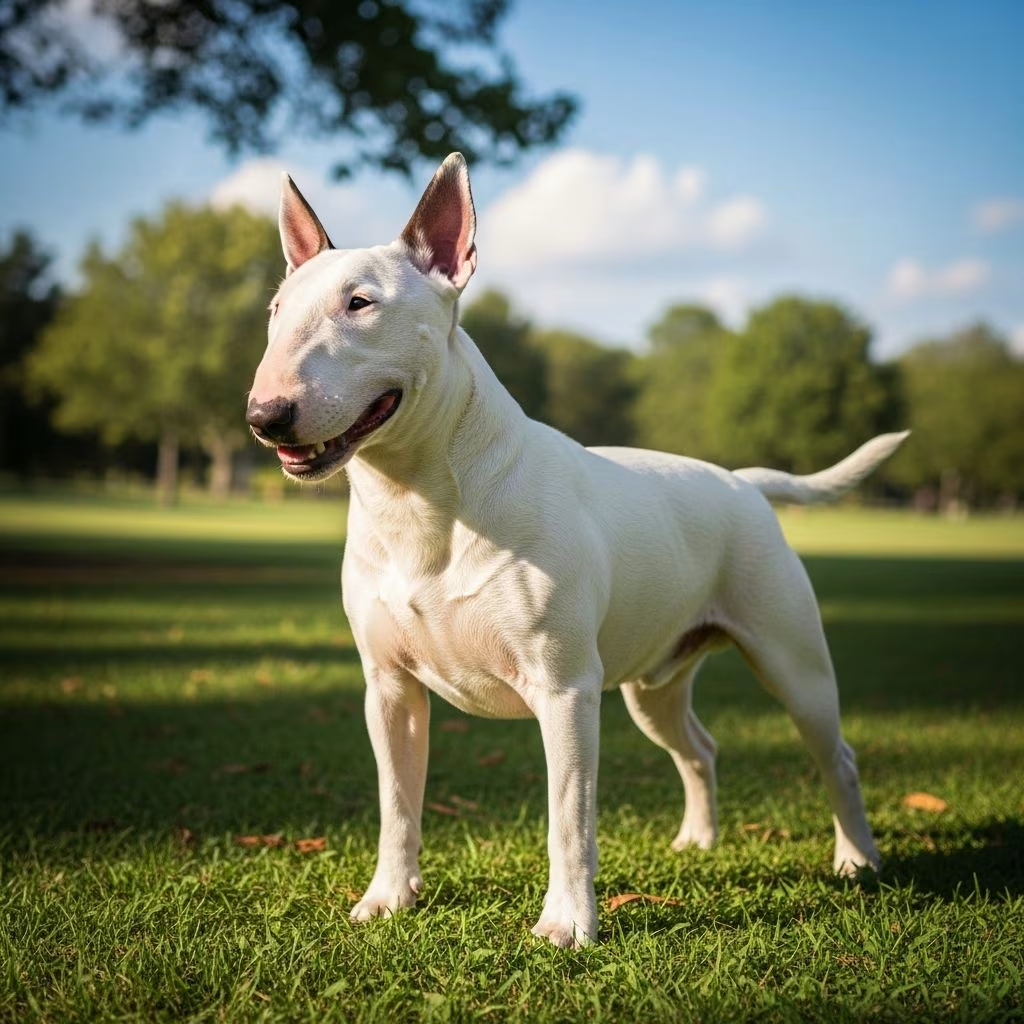
Bull Terriers are distinctive, muscular dogs known for their characteristic egg-shaped heads and robust builds. These energetic companions have evolved significantly from their fighting dog ancestry to become beloved family pets. Often described as “a 3-year-old child in a dog suit,” Bull Terriers combine playfulness with loyalty, making them excellent companions for active families. However, understanding their unique temperament, exercise requirements, and health needs is essential for providing proper care.
Bull Terrier Personality and Temperament
The Bull Terrier personality is multifaceted and engaging. These dogs are playful and clownish, displaying an active, energetic demeanor that endears them to many dog lovers. Their larger-than-life personalities range from intelligent and innovative to placid and loyal, often showcasing all these attributes within minutes. Bull Terriers are generally loving and affectionate, but their sociability extends beyond their immediate family—they happily greet strangers and enjoy climbing onto the laps of anyone offering treats and cuddles.
Despite their friendly nature, Bull Terriers can be strong-willed and mischievous, requiring early socialization and consistent training. The breed is described as energetic, huggable, and exuberant, yet also comical, stubborn, and independent. This combination of traits makes them particularly suited for active individuals and families who appreciate their spirited nature.
Interestingly, although Bull Terriers were originally bred for pit fighting, selective breeding in the late 1800s transformed them into gentlemen’s fashionable companions. Today’s Bull Terrier is generally sweet and good-natured, though they may still display aggression around other dogs, necessitating proper socialization from puppyhood.
Physical Characteristics and Appearance
The Bull Terrier is a strongly built, muscular dog with a distinctive appearance. The most recognizable feature is the egg-shaped head, which is long and strong, almost flat at the top and sloping evenly down to the nose. This unique cranial shape distinguishes them from other terrier breeds.
Size and Build
Bull Terriers are medium-sized dogs, typically standing 21-22 inches tall and weighing between 50-70 pounds. Their body is well-rounded with a short, strong back, presenting a compact yet powerful silhouette. The nose is black, and the eyes are almond-shaped, small, and deep-set with dark coloring.
Coat and Colors
Bull Terriers have a short, smooth coat that requires minimal grooming. The breed comes in various color variations, including white, brindle, red, fawn, and black. In both sizes, the coat may be colored (any color but white, including brindle) or entirely white (all white or white with darker head markings).
Exercise and Activity Needs
Bull Terriers have high exercise requirements that demand attention from their owners. These energetic dogs were bred for specific tasks and possess enough stamina to work throughout the day. Active Bull Terriers enjoy jumping, playing, and discovering new sights and smells, making regular physical activity essential for their wellbeing.
Bull Terriers thrive in environments where they receive substantial companionship and supervision. They do not fare well when left alone for extended periods, such as 8 hours daily, as this can lead to anxiety and destructive behaviors. These dogs like to be doing something constantly and fit best with active families who can provide outlets for their physical and mental energy.
High-intensity Bull Terriers exude boundless energy and enthusiasm in everything they do, from pulling on the leash to tackling obstacles with gusto. While their exuberance can be endearing, it requires consistent training to instill good manners and channel their energy appropriately.
Socialization and Training
Early socialization is crucial for Bull Terriers to develop into well-adjusted adults. Exposing puppies to various types, ages, sizes, and shapes of people helps them respond better to strangers as adults. Without proper socialization from a young age, Bull Terriers can become hostile around small, loud children and other animals.
Bull Terriers respond well to firm, consistent leadership combined with affection. The breed learns quickly but can be stubborn, so owners must establish clear boundaries and expectations. Consistent training helps manage their independent streak and channels their intelligence productively.
Prey drive is another consideration with this breed. Terriers were bred to hunt and possess an inborn desire to chase—and sometimes kill—other animals. Anything whizzing by, such as cats, squirrels, or cars, can trigger this instinct, requiring careful management and secure environments.
Health Concerns and Lifespan
Bull Terriers are generally healthy dogs with a lifespan of 10-13 years. However, like all breeds, they can be prone to certain health conditions that owners should be aware of.
Common Health Issues
Bull Terriers can be susceptible to hip dysplasia and elbow dysplasia, both of which affect joint health and mobility. Eye problems are also a concern for this breed, requiring regular veterinary check-ups to catch issues early. Responsible breeders conduct health screenings to minimize the incidence of these genetic conditions.
Grooming and Maintenance
Bull Terriers have low grooming requirements, which is one of their practical advantages as pets. Their short, smooth coat needs minimal care beyond regular brushing to remove loose hair and maintain skin health. Routine nail trimming, ear cleaning, and dental care are standard maintenance practices for all dogs and should be part of your Bull Terrier’s regular care routine.
Living with a Bull Terrier
Compatibility with Families and Other Pets
Bull Terriers make fine family pets when provided with proper training and socialization. They thrive on companionship and become very attached to their owners. However, their high energy levels and intensity mean they may not pair well with households containing very young children, elderly individuals, or frail people, as their exuberance could inadvertently pose a risk.
While Bull Terriers can be friendly toward other dogs when properly socialized, they may still display dog-directed aggression due to their breeding history. Supervision is essential when introducing them to other pets, and early socialization significantly improves compatibility.
Tolerance for Solitude
Bull Terriers are not naturally independent dogs and do not easily tolerate being alone for extended periods. Prolonged isolation can lead to anxiety, destructive behaviors like excessive barking, chewing, and other problematic actions. These dogs do best when a family member is home during the day or when the dog can accompany owners to work or social venues.
Watchdog Abilities
Bull Terriers can be good watchdogs but are only fair at protection work. They are loyal and protective of their families but were not bred specifically for guard dog duties. Their friendly nature and enthusiasm for meeting new people sometimes limit their protective instincts, though a Bull Terrier might have a preventive effect and defend its owner in truly critical situations.
Behavioral Challenges and Solutions
Understanding potential behavioral issues helps owners address problems before they become serious concerns.
Loneliness and Anxiety
When left alone for long periods, Bull Terriers can develop anxiety and anger issues. Providing adequate companionship, mental stimulation, and possibly doggy daycare or dog walkers can help manage this tendency.
Lack of Physical Activity
Bull Terriers need regular exercise to manage their energy buildup. Failure to provide adequate physical activity can cause outbursts of rage and aggression. Daily walks, runs, playtime, and interactive games are essential.
Inadequate Stimulation
Without sufficient mental stimulation, Bull Terriers can develop problematic habits like tail chasing and excessive barking. Puzzle toys, training sessions, and interactive play help keep their minds engaged.
Positive Attributes and Strengths
Despite their challenging aspects, Bull Terriers possess numerous admirable qualities:
- Strong, protective, and charming personalities
- Welcoming, loving nature that does well with people of all ages
- Consistently enthusiastic with high energy levels
- Comical disposition and readiness for good times
- Sensitive, intelligent, loyal, and committed to their humans
- Eagerness to engage in outdoor activities and play
- Lack of excessive caution or fearfulness
Is a Bull Terrier Right for You?
Bull Terriers are best suited for experienced dog owners who appreciate their spirited nature and can provide firm, consistent leadership combined with affection. They thrive with active individuals and families who have time to dedicate to exercise, training, and companionship. These dogs are not ideal for first-time dog owners due to their strong-willed temperament and potential for aggression if not properly socialized and trained.
The Bull Terrier’s clownish personality, loyalty, and affectionate nature make them wonderful companions for the right household. Their low grooming requirements and generally good health are practical advantages. However, prospective owners must honestly assess their ability to meet this breed’s high exercise demands, provide consistent training, and offer adequate companionship and supervision.
Frequently Asked Questions (FAQs)
Q: How much exercise does a Bull Terrier need daily?
A: Bull Terriers require substantial daily exercise, including long walks, runs, and mental stimulation to manage their high energy levels and prevent behavioral problems.
Q: Are Bull Terriers good with children?
A: Bull Terriers can be good with children when properly socialized and supervised, though their high energy and intensity may not suit families with very young children.
Q: Can Bull Terriers live with other dogs?
A: Early socialization improves compatibility, but Bull Terriers may display dog-directed aggression and should be supervised around other pets.
Q: How long do Bull Terriers live?
A: Bull Terriers typically have a lifespan of 10-13 years with proper care and attention to health screening.
Q: Do Bull Terriers require extensive grooming?
A: No, Bull Terriers have low grooming requirements with their short, smooth coats requiring minimal maintenance beyond regular brushing.
Q: Are Bull Terriers suitable for first-time dog owners?
A: Bull Terriers are not recommended for inexperienced owners due to their strong-willed temperament, stubborn nature, and need for consistent training and socialization.
References
- Bull Terrier Dog Breed Information & Characteristics — DogTime. 2024. https://dogtime.com/dog-breeds/bull-terrier
- Bull Terrier: Personality, Size, Lifespan & Origin — Britannica. 2024. https://www.britannica.com/animal/bull-terrier
- Bull Terrier Dog Breed Information and Pictures — Dog Breed Info. 2024. https://www.dogbreedinfo.com/bullterrier.htm
- Bull Terrier — Wikipedia. 2024. https://en.wikipedia.org/wiki/Bull_Terrier
- What to Know About Bull Terriers — WebMD Pets. 2024. https://www.webmd.com/pets/dogs/what-to-know-about-bull-terriers
- Bull Terrier Dog Breed Health and Care — PetMD. 2024. https://www.petmd.com/dog/breeds/bull-terrier
- Bull Terrier Dog Breed Information — American Kennel Club. 2024. https://www.akc.org/dog-breeds/bull-terrier/



