

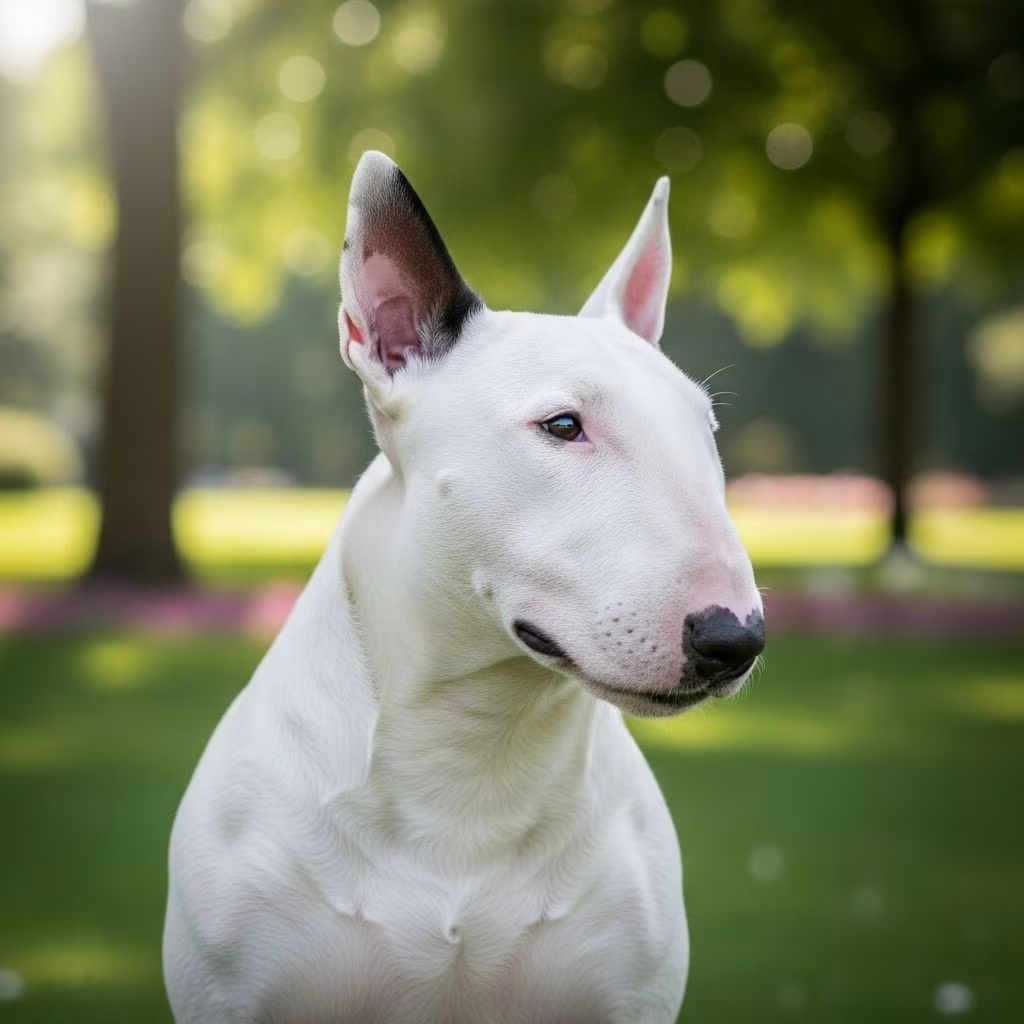
Bull Terrier Dog Breed Overview
The Bull Terrier is a distinctive and charismatic dog breed known for its iconic egg-shaped head, muscular build, and larger-than-life personality. Originally developed in England during the 19th century, this breed has evolved from its pit-fighting heritage into a beloved family companion. Bull Terriers are playful, energetic, and fiercely loyal, earning them the nickname “the kid in a dog suit” due to their youthful exuberance and clownish antics. Despite their intimidating appearance, modern Bull Terriers are generally sweet-natured and affectionate, though they require experienced ownership, consistent training, and proper socialization to thrive.
Physical Characteristics and Appearance
Bull Terriers possess a striking and unmistakable appearance that sets them apart from other dog breeds. Their most notable feature is the distinctive egg-shaped head, which is long and strong with a nearly flat top that slopes evenly down to the nose. The breed has small, almond-shaped, deep-set eyes that are typically dark in color, and their nose is always black. Their ears are small, erect, and triangular in shape.
The body of a Bull Terrier is strongly built and muscular, with a well-rounded frame and a short, strong back. These dogs are compact yet powerful, and for their weight, they are considered among the strongest of all dog breeds. Their coat is short and smooth, which requires minimal grooming maintenance. The coat can come in various colors, including white, brindle, red, fawn, and black. Some Bull Terriers are entirely white, while others display white with colored head markings or are entirely colored with no white patches.
In terms of size, Bull Terriers are classified as medium-sized dogs, though they often appear larger due to their muscular, stocky build and powerful presence.
Temperament and Personality
The Bull Terrier temperament is one of the breed’s most defining characteristics. These dogs are generally described as friendly, affectionate, and outgoing. They possess playful, happy-go-lucky attitudes that make them great companions for families willing to meet their needs. Bull Terriers are often comical and clownish, displaying a fun-loving attitude and boundless enthusiasm for life. Their personalities range from intelligent and innovative to placid and loyal, often displaying multiple personality traits within just a few minutes.
Despite their pit-fighting origins, Bull Terriers have been transformed through selective breeding into gentlemen’s companions. Today’s Bull Terriers are typically sweet and good-natured, though their strong-willed and sometimes mischievous nature means they require firm, consistent leadership and affection. They become very attached to their owners and thrive on companionship and supervision. Bull Terriers are incredibly loyal and protective, making them excellent watchdogs, though they are only fair at protection work.
It is important to note that while Bull Terriers are generally good with people, they can still display aggression around other dogs if not properly socialized from a young age. Early socialization and exposure to different people, ages, sizes, and shapes will help ensure that the dog responds better to strangers and other animals as an adult.
Exercise and Activity Requirements
Bull Terriers have high energy levels and require substantial daily exercise to maintain their physical and mental health. These energetic dogs were bred for specific tasks and are always ready for action with enough stamina to work a full day. Active Bull Terriers enjoy jumping, playing, and discovering new sights and smells, making them ideal companions for active individuals and families.
Owners of Bull Terriers must provide adequate outlets for their dogs’ physical and mental needs to keep them healthy and happy. A lack of physical activity can cause Bull Terriers to develop behavioral problems, including outbursts of aggression and destructive habits. These dogs thrive in environments where they receive regular exercise, such as long walks, runs, and playtime. They should not be left alone for extended periods without exercise and mental stimulation.
Bull Terriers also appreciate outdoor activities and adventures with their owners. They are enthusiastic and always eager to go out or play games, making them excellent companions for hiking, running, or other recreational activities.
Training and Socialization
Bull Terriers require consistent training and early socialization to become well-behaved family members. While they are intelligent and can learn quickly, they can also be stubborn and strong-willed, which means they are not considered suitable for inexperienced dog owners. These dogs respond best to firm, consistent leadership combined with positive reinforcement methods.
Early socialization is essential for Bull Terriers to ensure they get along well with other dogs and animals. Exposing puppies to various environments, people, and situations will help shape their behavior as adults. Without proper socialization, Bull Terriers can become hostile, particularly around small, loud children, and may display aggression toward other animals.
Bull Terriers have a relatively high prey drive, as they were bred for hunting tasks. This means they may chase cats, squirrels, and other small animals, and anything whizzing by can trigger their hunting instinct. Managing this prey drive through training and careful supervision is important for households with other pets.
Living Environment and Compatibility
Bull Terriers do not do well in situations where they are left alone for extended periods, such as 8 hours a day or longer. When left alone for long periods, these dogs can develop anxiety and destructive behaviors, including excessive barking, whining, chewing, and other problematic conduct. They thrive best with active families where they receive regular companionship and supervision throughout the day.
Bull Terriers are generally friendly toward strangers and can be good with children when properly socialized and supervised due to their large size and strength. Their intensity and exuberance, however, may not pair well with households with young children or elderly or frail individuals, as their enthusiasm could inadvertently pose a risk.
These dogs can adapt well to various living situations, from apartments to houses with yards, provided they receive sufficient exercise and mental stimulation. They are loyal family members who appreciate being part of the household activities and enjoy spending time with their owners.
Health Considerations
Bull Terriers are generally healthy dogs, though like all breeds, they can be prone to certain health conditions. Some common health concerns include hip dysplasia, elbow dysplasia, and eye problems. Responsible breeding practices and regular veterinary check-ups can help identify and manage these conditions early.
Prospective Bull Terrier owners should obtain health clearances from reputable breeders and maintain regular veterinary care throughout the dog’s life. A Bull Terrier’s lifespan typically ranges from 10 to 12 years, during which they can be wonderful, healthy companions with proper care and nutrition.
Grooming and Care Requirements
Bull Terriers have short, smooth coats that require minimal grooming compared to longer-haired breeds. Regular brushing helps keep the coat healthy and reduces shedding. These dogs should be bathed as needed using mild dog shampoo to maintain skin health.
Beyond coat care, Bull Terriers require regular nail trimming, ear cleaning, and dental care as part of their overall health maintenance routine. Their teeth should be brushed regularly to prevent dental problems, and their ears should be checked and cleaned to prevent infections.
Positive Attributes of Bull Terriers
Despite their challenging reputation, Bull Terriers possess numerous positive qualities that make them worthwhile companions for the right owners:
- Strong, protective, and charming personalities
- Welcoming, loving nature that does well with people of all ages
- Consistently enthusiastic with high energy levels
- Comical temperament and always ready to have a good time
- Sensitive, intelligent, loyal, and deeply committed to their humans
- Not overly cautious or fearful
Challenges and Considerations
Potential Bull Terrier owners should be aware of the challenges associated with the breed:
- Loneliness and anxiety when left alone for long periods
- Potential for aggression if not properly socialized from a young age
- Need for substantial physical activity to manage energy levels
- Potential for behavioral problems without adequate mental stimulation
- Strong-willed nature requiring experienced, consistent training
- Possible aggression toward other dogs
Choosing a Bull Terrier
Before bringing a Bull Terrier into your home, carefully consider whether your lifestyle and experience level match the breed’s needs. These dogs are best suited for active families or individuals with previous dog ownership experience. First-time dog owners should seek guidance from trainers or breed experts to ensure successful ownership.
When selecting a Bull Terrier, work with reputable breeders who conduct health testing and focus on temperament. Rescue organizations also have Bull Terriers available for adoption, and shelter dogs can make excellent companions with proper assessment and support.
Frequently Asked Questions (FAQs)
Q: Are Bull Terriers good family dogs?
A: Bull Terriers can be excellent family dogs when properly socialized, trained, and supervised. They are loyal, affectionate, and playful, but they require active families willing to meet their exercise and mental stimulation needs. They are best suited for families with older children due to their enthusiastic nature and size.
Q: Do Bull Terriers get along with other pets?
A: Bull Terriers can display aggression toward other dogs if not properly socialized from a young age. Early socialization and careful supervision are essential. Their prey drive means they may chase cats and small animals, so they require careful introduction and management in multi-pet households.
Q: How much exercise do Bull Terriers need?
A: Bull Terriers have high energy levels and require substantial daily exercise. They need regular activities such as long walks, runs, playtime, and mental stimulation. A lack of exercise can lead to behavioral problems and destructive behavior.
Q: Can Bull Terriers be left alone?
A: Bull Terriers do not do well when left alone for extended periods. They can develop anxiety and become destructive when separated from their owners for 8 hours or more. They thrive with regular companionship and supervision.
Q: Are Bull Terriers easy to train?
A: Bull Terriers are intelligent and can learn quickly, but they can also be stubborn and strong-willed. They respond best to firm, consistent leadership and positive reinforcement. They are not recommended for inexperienced dog owners.
Q: What health problems do Bull Terriers commonly have?
A: Bull Terriers can be prone to hip dysplasia, elbow dysplasia, and eye problems. Regular veterinary care and health screening from reputable breeders help identify and manage these conditions. Most Bull Terriers live healthy lives of 10-12 years with proper care.
Q: What makes Bull Terriers different from other terriers?
A: Bull Terriers are distinguished by their unique egg-shaped head, muscular build, and larger-than-life personality. For their weight, they are among the strongest of all dog breeds. Their clownish, playful temperament and loyal nature set them apart from other terrier breeds.
Q: Do Bull Terriers require special grooming?
A: Bull Terriers have short, smooth coats that require minimal grooming. Regular brushing helps keep the coat healthy and reduces shedding. Beyond coat care, they need regular nail trimming, ear cleaning, and dental care.
References
- Bull Terrier Dog Breed Information & Characteristics — DogTime. 2025. https://dogtime.com/dog-breeds/bull-terrier
- Bull Terrier | Personality, Size, Lifespan & Origin — Britannica. 2025. https://www.britannica.com/animal/bull-terrier
- Bull Terrier Dog Breed Information and Pictures — DogBreedInfo.com. 2025. https://www.dogbreedinfo.com/bullterrier.htm
- Bull Terrier — Wikipedia. 2025. https://en.wikipedia.org/wiki/Bull_Terrier
- What to Know About Bull Terriers — WebMD. 2025. https://www.webmd.com/pets/dogs/what-to-know-about-bull-terriers
- Bull Terrier Dog Breed Health and Care — PetMD. 2025. https://www.petmd.com/dog/breeds/bull-terrier
- Bull Terrier Dog Breed Information — American Kennel Club. 2025. https://www.akc.org/dog-breeds/bull-terrier/



