

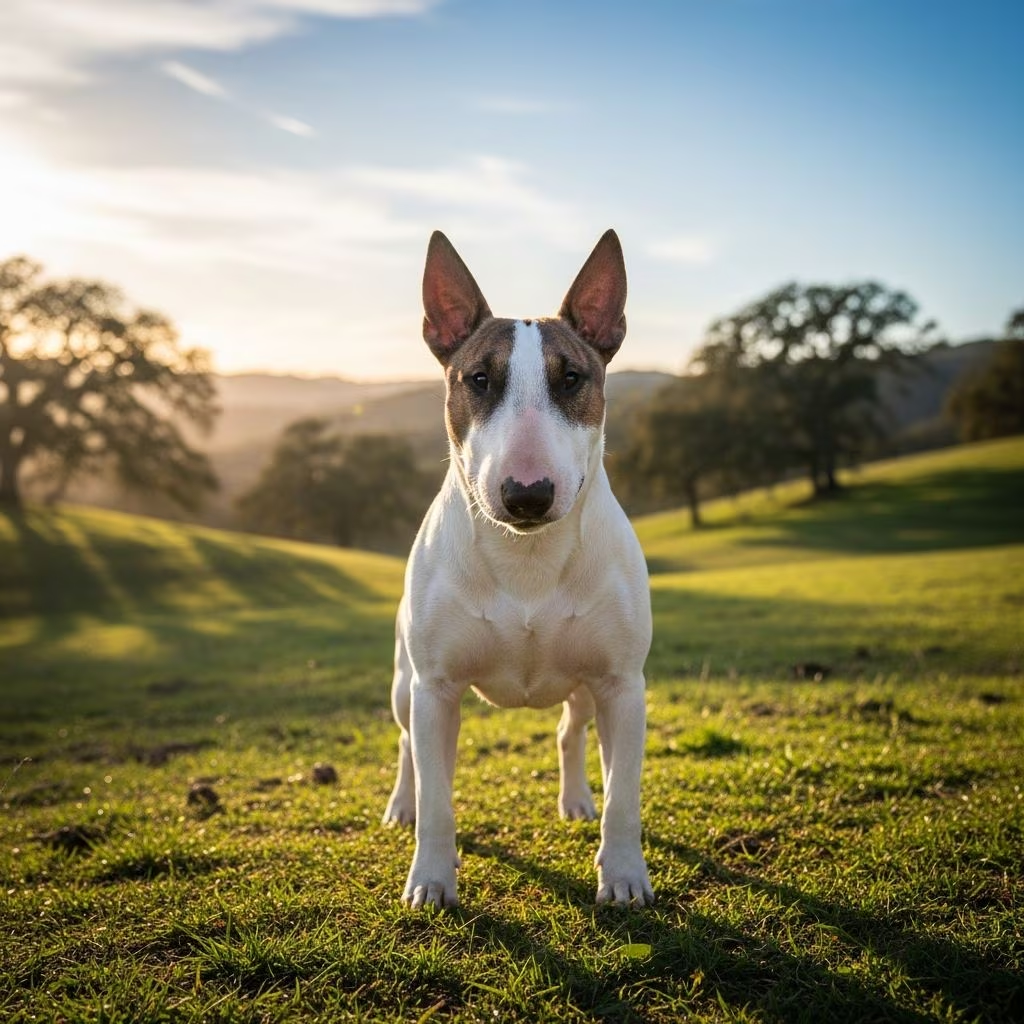
The Bull Terrier stands out as a bold, muscular dog with an unmistakable egg-shaped head, embodying a blend of strength, playfulness, and unwavering devotion. Originating from 19th-century England, this breed evolved from rugged working dogs into a beloved family pet known for its clownish antics and protective nature.
Origins and Evolution of the Breed
In the early 1800s, as blood sports like bull-baiting waned in popularity due to legal bans, breeders sought versatile dogs by crossing Old English Bulldogs with agile terriers, such as the English White Terrier. These “bull and terrier” hybrids combined the bulldog’s power and jaw strength with the terrier’s speed and tenacity, making them ideal for underground dog fighting pits.
James Hinks, a pioneering breeder from Birmingham, revolutionized the breed in the 1860s. He refined the cross by incorporating breeds like the Dalmatian and Spanish Pointer to create a sleek, all-white dog dubbed the “White Cavalier.” Hinks showcased his “New Bull Terrier” at a 1862 Birmingham dog show, captivating audiences with its elegant yet robust appearance. This marked a shift from fighting prowess to companionship, positioning the Bull Terrier as a fashionable gentleman’s dog.
The breed faced setbacks, including a 1895 ban on ear cropping enforced by the Kennel Club at King Edward VII’s urging. Breeders adapted by selectively breeding for natural “tulip” ears, temporarily stalling progress but ultimately enhancing the breed’s distinctive look.
Breed Recognition and Varieties
The American Kennel Club (AKC) officially recognized the Bull Terrier in 1885, with the colored variety following in 1936. Early all-white dogs suffered from deafness and skin issues, prompting breeders like Ted Lyon to introduce color via outcrosses to Staffordshire Bull Terriers. This brought brindle, black, and tri-color patterns, broadening the breed’s appeal and improving health resilience.
| Variety | Key Features | Recognition Date (AKC) |
|---|---|---|
| White Bull Terrier | Pure white coat, elegant “Cavalier” look | 1885 |
| Colored Bull Terrier | Brindle, fawn, or marked coats | 1936 |
Today, both varieties share the same standard, prized for their athletic build and unique head profile sloping without a stop from skull to nose.
Physical Characteristics and Size
Bull Terriers are medium-sized, with males standing 22 inches at the shoulder and weighing 50-70 pounds, while females are slightly smaller at 48-60 pounds. Their short, glossy coat requires minimal grooming, coming in white or colored variants with allowed head markings.
- Head: Iconic egg-shaped skull with deep-set, triangular eyes giving a “piercing glint.”
- Body: Muscular yet agile frame, powerful jaws, and tucked abdomen for endurance.
- Ears: Small, rose or tulip-shaped, carried alertly.
- Tail: Short, thick, and low-set.
These traits make them agile athletes capable of bursts of speed despite their sturdy build.
Temperament and Personality Traits
Far from their fighting past, modern Bull Terriers are affectionate, exuberant family dogs with a playful, mischievous streak. They thrive on human interaction, often described as “clownish” for their antics like carrying toys or zooming in joyful circles.
Loyal and courageous, they bond deeply with owners, making excellent watchdogs without excessive aggression toward people. However, their terrier heritage means they can be dog-selective, requiring early socialization. Stubbornness is common, but consistent training channels their intelligence into positive behaviors.
Bull Terriers are “energetic, huggable, and exuberant,” ideal for active households but needing mental stimulation to prevent boredom.
Health Considerations and Lifespan
Bull Terriers typically live 10-12 years, but genetic predispositions include patellar luxation, allergies, and heart issues. White varieties face higher risks of deafness (up to 20% unilateral) and skin cancer, mitigated by colored breeding lines.
- Common Issues: Lethal acrodermatitis (skin disorder), kidney problems, and dental disease.
- Prevention: Regular vet check-ups, balanced diet, and avoiding overexertion in puppies to protect growing joints.
Responsible breeding from health-tested parents is crucial, as per AKC guidelines.
Grooming and Daily Care
Low-maintenance coats shed moderately; weekly brushing and monthly baths suffice. Check ears weekly to prevent infections, and maintain dental health with chew toys. Nail trims every 4-6 weeks keep paws healthy.
Exercise needs are high: 45-60 minutes daily of walks, fetch, or agility play prevents destructive chewing. Secure fencing is essential, as their prey drive can lead to escapes.
Training Essentials for Success
Bull Terriers excel in obedience, therapy, and sports like weight pulling when trained positively. Start socialization at 8 weeks, exposing them to diverse environments. Use reward-based methods to counter willfulness; short, fun sessions work best.
- Puppy classes for foundational skills.
- Consistency in commands to build respect.
- Channel energy into toys and puzzles.
They respond poorly to harsh corrections, which can amplify stubbornness.
Bull Terrier in Modern Life: Famous Owners and Roles
From President Theodore Roosevelt to General George S. Patton, Bull Terriers have graced military and political circles. Contemporary owners appreciate their versatility in therapy work and as family guardians.
In pop culture, their distinctive look appears in ads and films, reinforcing their image as tough yet tender.
Is a Bull Terrier Right for Your Family?
Ideal for active singles, couples, or families with older children who understand dog body language. Not suited for toddlers or multi-dog homes without management. Apartments work if exercise is met, but yards are preferred.
| Lifestyle Fit | Yes | No |
|---|---|---|
| Activity Level | High-energy owners | Sedentary households |
| Family | Experienced, active families | Young kids, novice owners |
| Space | Secure yard or daily outings | Small spaces without exercise |
Frequently Asked Questions (FAQs)
Are Bull Terriers good with children?
Yes, with proper socialization, they are gentle and playful, but supervise interactions due to their exuberance.
Do Bull Terriers get along with other pets?
They can, but early exposure to cats and dogs is vital; same-sex aggression may occur.
How much exercise do they need?
At least 1 hour daily, split into walks and play to satisfy their athletic nature.
Are they easy to train?
Intelligent but stubborn; positive reinforcement yields the best results.
What’s the cost of owning a Bull Terrier?
Initial purchase: $1,500-$3,000 from reputable breeders; annual costs: $1,000+ for food, vet care.
Choosing and Adopting a Bull Terrier
Seek AKC-registered breeders who health-test for hips, hearts, and hearing. Rescues like the Bull Terrier Club of America offer adult dogs needing homes. Avoid puppy mills to ensure temperament stability.
Puppies should come from lines free of aggression, with parents proven in conformation or performance. Expect a temperament test and contract from ethical sources.
References
- Bull Terrier History — Bull Terrier World. 2023. https://bullterrier.world/blogs/all/history-of-bull-terriers
- Bull Terrier | Personality, Size, Lifespan & Origin — Britannica. 2023. https://www.britannica.com/animal/bull-terrier
- History – Bull Terrier Rescue — Bull Terrier Club of America Rescue. 2023. https://bullterrierclubofamericarescue.com/history/
- Bull Terrier History: Where the Breed Originated — American Kennel Club (AKC). 2023. https://www.akc.org/expert-advice/dog-breeds/bull-terrier-history/
- History of the Bull Terrier – Part I — Working Bull Terriers Kennel. 2023-01-26. https://workingbullterrierskennel.wordpress.com/2023/01/26/bull-terrier-history-part-i/
- Bull Terrier Dog Breed — Hill’s Pet Nutrition. 2023. https://www.hillspet.com/dog-care/dog-breeds/bull-terrier
- BULL TERRIER HISTORY DEEPDIVE — YouTube (Video). 2023. https://www.youtube.com/watch?v=R8wG9argKbs



