

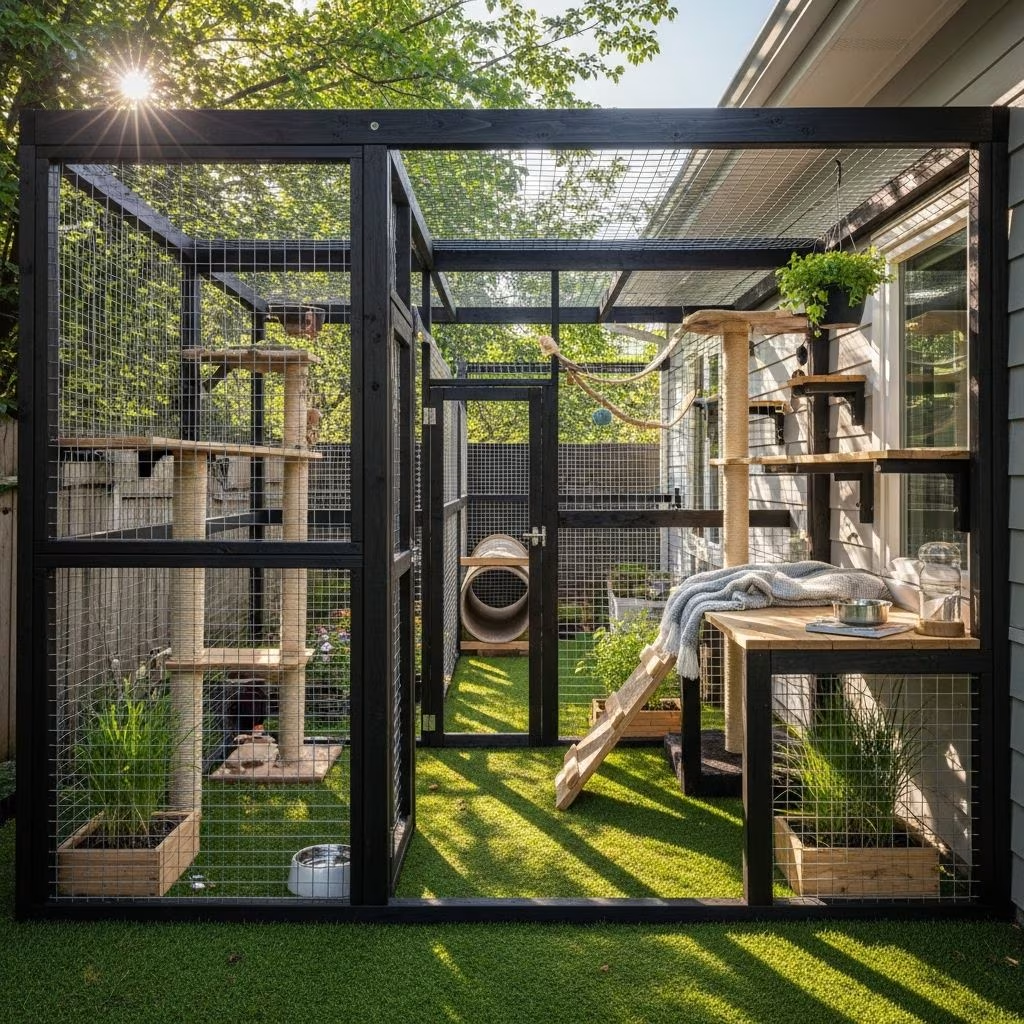
A catio offers indoor cats a secure way to experience the outdoors, combining safety with natural stimulation. This enclosed space protects against dangers like traffic and predators while promoting physical and mental health.
Why Every Cat Deserves a Catio Space
Indoor living keeps cats safe but often leads to boredom and health issues. A catio addresses this by providing fresh air, sunlight, and sensory experiences without risks. Cats in catios show reduced stress, better weight management, and longer lifespans due to increased activity and enrichment.
Key advantages include shielding from vehicles, wildlife attacks, and diseases such as FeLV or FIV, which roam free cats face daily. It also minimizes obesity risks through play and exploration, common in sedentary indoor pets. Environmentally, catios curb wildlife predation, protecting birds and ecosystems.
Assessing Your Space and Cat’s Needs
Before building, evaluate your yard or balcony. Measure available area—start small if space-limited, like a 6×8 foot enclosure. Consider sunlight exposure, shade for hot days, and privacy from neighbors.
Observe your cat: energetic felines need climbing structures; shy ones benefit from hiding spots. Multi-cat homes require extra space to reduce conflicts. Budget $500-$5000 depending on size and materials.
- Location tips: Near a window for easy access; sheltered from wind and rain.
- Cat personality match: Playful cats love multi-level designs; seniors prefer flat, ramped areas.
- Legal checks: Verify local zoning laws for structures.
Essential Materials for Durability and Safety
Choose sturdy, cat-proof materials. Galvanized wire mesh (1/2-inch openings) prevents escapes and claw damage; avoid chicken wire. Frames from pressure-treated wood or PVC resist weather.
| Material | Pros | Cons | Best Use |
|---|---|---|---|
| Galvanized Mesh | Durable, rust-resistant, secure | Higher cost | Walls, roof |
| Pressure-Treated Wood | Weatherproof, strong | Requires sealing | Frames, platforms |
| PVC Pipe | Lightweight, chew-resistant | Less sturdy | Small enclosures |
| Polycarbonate Panels | Wind-resistant, clear for views | Can scratch | Partial roofing |
Include weatherproof flooring like gravel or rubber mats for drainage and easy cleaning. Add plants in secure pots for natural appeal.
Step-by-Step Construction Blueprint
Plan a simple design: base frame, vertical supports, mesh panels, roof, and access door. Use these steps for a basic 8x6x7 foot catio.
- Design sketch: Draw blueprints with levels, perches, and entry. Software like SketchUp aids visualization.
- Build base: Level ground, lay gravel foundation, construct rectangular frame with 2×4 lumber.
- Erect walls: Attach vertical posts, staple mesh securely, reinforce corners.
- Add roof and door: Slope roof for rain runoff, install cat door or zippered mesh entry.
- Install platforms: Secure shelves, ramps, and hammocks at varying heights.
- Finishing touches: Seal wood, add plants, toys, and hideouts.
For beginners, DIY kits simplify assembly. Advanced builders incorporate automation like timed lights.
Enriching Features to Thrill Your Cat
A basic enclosure becomes paradise with thoughtful additions. Vertical space maximizes fun—cats climb instinctively.
- Climbing towers and shelves: Multi-tiered structures for leaping and lounging.
- Scratching posts: Sisal-wrapped poles integrated into design.
- Toys and feeders: Puzzle feeders mimic hunting; dangling toys spark play.
- Natural elements: Cat-safe plants like catnip, bird feeders for observation.
- Comfort zones: Weatherproof beds, tunnels for hiding.
Rotate items weekly to sustain interest, preventing habituation.
Safety Protocols and Maintenance Routines
Safety first: Inspect mesh for holes monthly; secure all latches. Provide shade, water stations, and escape-proof roofing against birds of prey. Clean weekly—hose down floors, refresh litter if used.
Weatherproofing prevents rot; cover during storms. Monitor for wear, especially in harsh climates.
Budgeting and Customization Options
Costs vary: DIY under $1000; custom builds $3000+. Prioritize mesh and frame quality.
- Low-budget: Repurpose pallets, basic mesh ($300-600).
- Mid-range: Kit with platforms ($800-2000).
- Premium: Multi-room with glass panels ($3000+).
Customize for themes: zen garden with boulders or jungle gym with ropes.
Frequently Asked Questions
Is a catio suitable for all cats?
Yes, adaptable for shy, playful, or senior cats. Add hiding spots for timid ones.
How large should my catio be?
Minimum 20 sq ft per cat; larger for multiples. Height at least 6-7 ft for climbing.
Can I build one on a balcony?
Absolutely—secure railings with mesh extensions for urban dwellers.
What if my cat hates it initially?
Introduce gradually with treats and familiar items. Most adapt in days.
Does it protect against all predators?
Proper mesh deters most; reinforce against digging or climbing foes.
Real-World Success Stories
Owners report happier, fitter cats. One multi-cat household saw fights drop after adding vertical space. Another noted weight loss and purring sessions in sunbeams.
Building a catio transforms lives, blending safety with joy. Start small, expand as needed.
References
- Protect and Enrich: Why Your Cat Needs a Catio — DAWS. 2023. https://daws.org/protect-and-enrich-why-your-cat-needs-a-catio/
- 5 Reasons Why Cats Benefit from a Catio — Longmont Humane Society. 2024. https://www.longmonthumane.org/catio/
- Why you should build a catio for your cat — BC SPCA. 2023. https://spca.bc.ca/news/catio-benefits/
- Everything You Need to Know about Catios for Cats — PetMD. 2024. https://www.petmd.com/cat/general-health/catios-for-cats
- A Catio is the Solution for Your Cat’s Safety and Enrichment — Berkeley Humane. 2023. https://berkeleyhumane.org/a-catio-is-the-solution-for-your-cats-safety-and-enrichment/



