

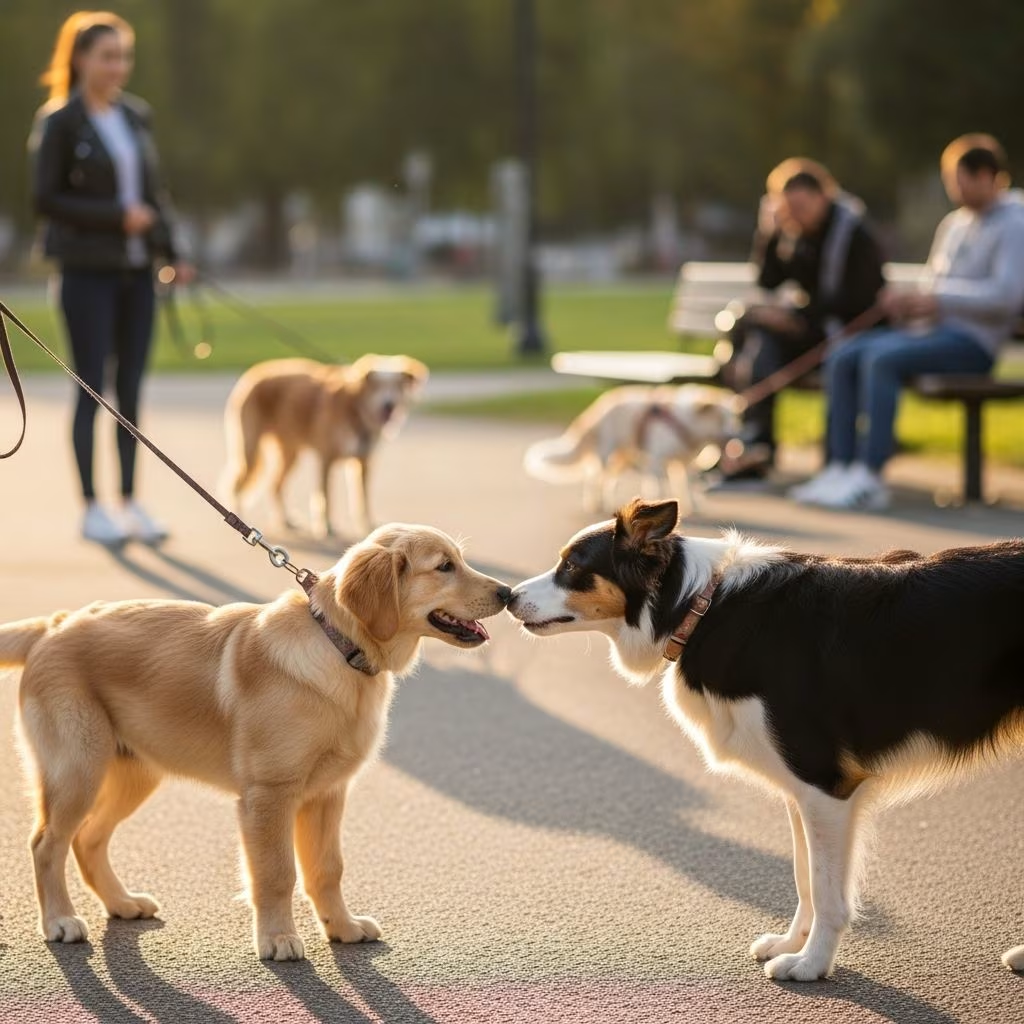
Socialization is one of the most critical aspects of raising a well-adjusted, confident dog. Whether you’re bringing home a new puppy or adopting an adult dog, the process of introducing your pet to new people, environments, and experiences shapes their behavior and temperament for life. Dogs that receive proper socialization tend to be more adaptable, less reactive, and better equipped to handle life’s various challenges.
Understanding the Foundation of Dog Socialization
Dog socialization goes far beyond simple exposure to new situations. It’s about creating positive associations with unfamiliar experiences, teaching your dog that new people, places, and animals are not threats but sources of good things. The fundamental principle underlying all effective socialization is that dogs learn through experience and repetition. When your dog encounters something new and nothing bad happens—in fact, something good happens—they begin to develop confidence and trust.
The timing of socialization matters considerably. Research indicates that early socialization during critical developmental periods yields the strongest results, but the good news is that dogs can be successfully socialized at virtually any age. The process simply requires more patience and planning with adult dogs than with puppies.
Key Principles for Successful Socialization at Any Age
Regardless of your dog’s age, several core principles guide effective socialization:
- Gradual Exposure: Introduce new experiences incrementally rather than overwhelming your dog with too many stimuli at once. Start in familiar, controlled settings and progress to more challenging environments as your dog demonstrates comfort.
- Positive Reinforcement: Reward calm, confident behavior during socialization experiences using treats, praise, or toys. This creates a positive association between new situations and good outcomes.
- Consistency: Regular exposure to new experiences solidifies social skills and adaptability. Make socialization an ongoing part of your dog’s routine rather than occasional outings.
- Body Language Monitoring: Pay close attention to your dog’s stress signals and intervene if necessary to prevent negative experiences. Ignoring discomfort can create negative associations that set back progress.
- Controlled Interactions: Manage initial encounters carefully, whether with people or other animals. Brief, supervised interactions in low-stimulation settings provide better learning experiences than chaotic environments.
Developing Appropriate Play Skills
A crucial but often overlooked aspect of dog socialization involves teaching proper play manners. Dogs must learn to read social signals, take turns during play, and regulate their excitement levels. Without these skills, even well-intentioned playful interactions can escalate into conflicts or result in your dog being excluded from social opportunities.
Begin developing play skills through games at home. Tug-of-war teaches your dog to release toys on command, while fetch develops the habit of returning items rather than keeping them. These foundational games build impulse control that directly transfers to interactions with other dogs. As your dog masters these home-based skills, they’re better prepared for more complex social play scenarios.
Introduce your dog to novel objects regularly as part of play skill development. This might include cardboard boxes, umbrellas, or children’s toys. Allow your dog to approach at their own pace, rewarding curiosity and exploration. This practice helps generalize the concept that new objects aren’t inherently frightening.
Structured Progression for Different Life Stages
Puppy Socialization Foundation
Young puppies are naturally curious and typically more receptive to new experiences. During this window, expose puppies to diverse environments, people of various appearances and ages, different types of animals, and varied sounds and surfaces. The goal is to build a broad foundation of positive experiences that creates a confident, well-adjusted adult dog.
Adolescent Dog Training Strategies
Teenage dogs require more structured socialization than puppies, as they’re developing stronger personalities and impulse control becomes increasingly important. Practice calm greetings with both people and dogs, requiring your adolescent dog to sit and wait for permission before greeting rather than lunging forward excitedly. Start with familiar, calm greeters before progressing to more stimulating interactions.
Adolescent dogs benefit from exposure to controlled off-leash play environments like supervised dog parks or dog bars where they can practice reading other dogs’ signals and regulating their excitement levels. Additionally, work on focus exercises in distracting environments—can your dog maintain eye contact with you when other dogs are playing nearby? Can they walk past a group of people without pulling? These skills require consistent practice but provide significant benefits throughout your dog’s life.
Adult Dog Socialization
Socializing adult dogs requires a more deliberate approach, but it’s absolutely possible and often necessary, especially with rescue dogs or those with limited early socialization. Begin by carefully observing your dog’s behavior and body language to determine their current comfort level in various situations. This assessment helps you create a customized plan tailored to their specific needs.
Introduce new experiences in controlled, positive ways. Short, supervised interactions with friendly family members or brief visits to quiet, pet-friendly locations provide manageable starting points. As your dog demonstrates increased comfort, gradually expand their exposure to different people, animals, and environments.
Practical Training Exercises for Home and Beyond
While professional training classes offer structure and expert guidance, many socialization skills can be developed through consistent home practice and daily activities. The key is breaking skills into manageable steps, practicing regularly in short sessions, and gradually increasing difficulty as your dog succeeds.
Progressive Greeting Training
Start greeting practice in low-distraction environments. When you encounter a person or dog during walks, maintain distance and ask your dog to sit. If your dog holds the sit, move a few steps closer and repeat the process. Continue until you’re close enough for a proper greeting, always requiring the sit-stay before allowing interaction. If your dog breaks position or shows excessive excitement, increase distance and practice longer before moving closer again.
Focus Development in Distracting Environments
Begin by practicing eye contact indoors with minimal distractions. Progress to practicing with the television on, then with family members moving around, and finally in outdoor settings with natural distractions like birds and squirrels. Each time, wait for eye contact before rewarding. If your dog cannot maintain focus, the distraction level is too high—reduce difficulty and build back up slowly.
Recall Training Fundamentals
Start recall training in controlled environments like a hallway or fenced yard where your dog cannot ignore the command. Call your dog enthusiastically and celebrate their arrival with treats and praise. Never use the recall command to end playtime or administer something unpleasant, as this creates negative associations and undermines the training.
Confidence Building Through Exploration
Practice “find it” games by hiding treats around your home or yard. Begin with visible treats in obvious locations, then gradually increase difficulty. This activity builds confidence in exploring new spaces and teaches your dog that investigation leads to positive outcomes.
Managing Reactive or Fearful Dogs During Socialization
Dogs with existing fear, anxiety, or reactivity issues require specialized approaches to socialization. The counter-conditioning method involves marking the exact moment your dog notices a trigger with “yes!” or a clicker, then immediately delivering high-value treats. Over weeks or months of repetition, your dog begins forming a positive association between the trigger and good things.
Desensitization works alongside counter-conditioning by gradually decreasing the distance between your dog and the trigger as comfort increases. If your dog successfully practices at 50 feet for several sessions, try moving to 45 feet. Any sign of stress indicates you’ve moved too quickly—return to the previous distance and practice longer before attempting closer proximity.
Professional training classes or reactive dog group classes offer supervised socialization with expert intervention. Trainers maintain appropriate distances and intervene at the first sign of stress, creating positive learning experiences rather than reactive episodes. Some facilities provide private training time in their play areas, allowing reactive dogs to experience these environments without other dogs present, reducing pressure while building confidence.
Low-Pressure Socialization Options
Organized dog walking groups provide excellent socialization opportunities without the intensity of off-leash play. Dogs and owners walk together in various locations, practicing leash skills while exposing dogs to other people and animals in controlled situations. Walking groups work particularly well for dogs not ready for off-leash interactions, dogs recovering from reactivity, or dogs preferring calm activities to intense play.
When introducing your dog to new dogs, maintain some familiar factors while introducing new ones. Start with one or two new dogs in your home, then gradually progress to visiting their homes or meeting in neutral locations like parks. Similarly, when introducing new people, start with close family members before expanding to friends and strangers.
Working with Professional Trainers
While solo socialization is possible, working with a qualified, positive-reinforcement-based dog trainer offers significant advantages. Professional trainers can assess your dog’s specific needs and create customized socialization plans, provide guidance on introducing new experiences safely and positively, address underlying behavioral issues such as fear or aggression, teach you effective confidence-building techniques, and offer ongoing support and troubleshooting throughout the process.
Critical Mistakes to Avoid
Several common errors can undermine socialization efforts. Failing to properly monitor your dog’s body language is a significant mistake, as ignoring discomfort can create negative associations that set back progress significantly. Additionally, overwhelming your dog with too many new experiences simultaneously can be counterproductive. Always start in familiar settings and progress gradually.
Another mistake involves providing human interaction during dog-to-dog socialization, which can create unnecessary arousal and resource-guarding associations. Removing human interaction allows dogs to establish their own social dynamics without the complication of competition for owner attention.
Creating Lasting Social Confidence
Successful dog socialization is not a destination but an ongoing process. The habits and confidence your dog develops through consistent, positive socialization experiences become the foundation for their entire life. A well-socialized dog is better equipped to handle life changes, adapt to new situations, and interact positively with people and other animals.
Remember that every dog develops at their own pace. Some dogs naturally gravitate toward social situations, while others require more time and patience to develop confidence. Celebrate small victories, maintain consistency, and adjust your approach based on your individual dog’s needs and comfort level.
References
- Dog Socialization & Training Hub: Complete Guide from Puppyhood to Senior Years — Wagbar. 2024. https://www.wagbar.com/dog-socialization-training-hub-complete-guide-from-puppyhood-to-senior-years
- How to Socialize an Adult Dog and Why It’s Never Too Late — PV Pets. 2024. https://www.pvpets.com/blog/how-to-socialize-an-adult-dog-and-why-its-never-too-late.html
- Socialization: The Missing Piece in Your Dog’s Training Puzzle — Motley Zoo Animal Rescue. 2024. https://www.motleyzooanimalrescue.org/post/socialization-the-missing-piece-in-your-dog-s-training-puzzle
- How to Socialize Your New Puppy — Leerburg. 2024. https://leerburg.com/socializepuppies.htm
- Three Steps To Safe And Fun For Dog Socialization — Miracle K9 Training. 2024. https://miraclek9training.com/blog/three-steps-to-safe-and-fun-dog-socialization



