
Building Self-Control in Dogs
Master practical games and daily habits to teach your dog patience, calm focus, and better behavior for a harmonious life together.
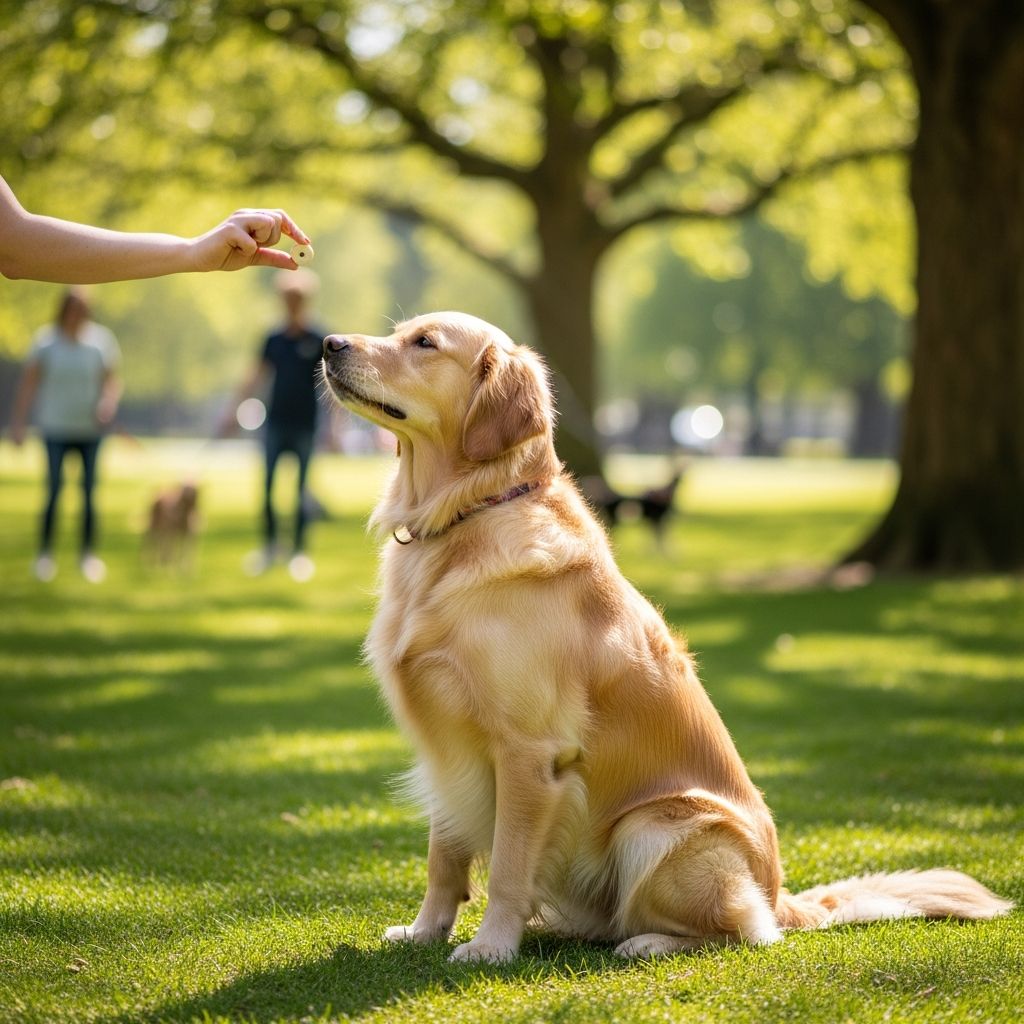
Dogs thrive when they learn to manage their impulses, leading to fewer behavioral issues and stronger bonds with owners. This guide explores interactive exercises, everyday practices, and progressive techniques to foster patience and composure in canines of all ages and breeds.
Why Impulse Control Matters for Canine Well-Being
Impulse control enables dogs to pause before reacting, preventing problems like leash pulling, guest jumping, or food grabbing. It builds mental resilience, reduces frustration, and promotes calmer household dynamics. Research from animal behavior experts shows that dogs with strong self-regulation exhibit lower stress levels and improved learning capacity.
Without these skills, high-energy dogs may struggle in stimulating environments, leading to overstimulation that lingers for hours. Teaching control through positive reinforcement creates confident, adaptable pets who respond thoughtfully rather than instinctively.
Foundational Games for Food-Related Patience
Start with simple food-based exercises to teach dogs that restraint yields rewards. These build a core understanding that waiting patiently leads to better outcomes than lunging or snatching.
- Fist Treat Challenge: Close your hand around a treat and hold it near your dog’s nose. Allow sniffing or pawing, but only release from your other hand when they back away or turn aside. Progress to partially opening your fist, closing it if they lunge.
- Hand Patience Drill: Present a closed fist of treats at shoulder height. Reward avoidance behaviors like head turns or steps back with a separate treat. Advance to an open palm, feeding intermittently until they remain stationary.
Practice in short, daily sessions of 5-10 minutes. Consistency reinforces that calm earns access, curbing mugging behaviors effectively.
Advanced Floor and Environmental Control
Once hand exercises are mastered, transition to ground-level temptations for real-world application.
Floor Treat Endurance
- Place treats on the floor, covered by your hand initially. Ignore nudges; uncover and reward only when the dog shows disinterest, like looking away.
- Remove hand coverage gradually, intervening only if they advance. Aim for eye shifts off the treats, then eye contact with you.
- Vary delivery timing to build sustained focus across positions (sit/down) and locations.
Doorway Discipline
Prevent bolting by practicing door opens. Crack the door slightly; close it fully if the dog surges forward. Reward stillness or retreats by widening the gap progressively. This instills boundary respect and safety awareness.
These methods integrate seamlessly into routines, turning potential chaos into structured learning opportunities.
Integrating Calm into Play and Relaxation
High-arousal activities like tug or chasing amplify impulses unless punctuated with settle cues. Embed pauses to teach down-regulation.
- During play, halt abruptly and cue “relax” or “settle.” Resume only after a sit or down. Fade the cue, rewarding self-offered calm.
- Increase play intensity gradually, inserting longer calm intervals to mimic real-life transitions.
A structured Relaxation Protocol further enhances this: Begin in a quiet space with a tethered dog. Systematically reward incremental calm durations, building from seconds to minutes amid mild distractions. Short, frequent sessions (3-4 daily) yield rapid progress.
| Play Type | Calm Insertion Strategy | Expected Outcome |
|---|---|---|
| Tug-of-War | Pause mid-pull for down-stay | Teaches on/off switch |
| Flirt Pole Chase | Freeze toy, cue settle | Reduces fixation |
| Wrestling | Step back, reward lie-down | Promotes voluntary rest |
Clicker training excels here, marking precise calm moments for clear feedback.
Daily Routines to Reinforce Self-Discipline
Weave control into lifestyle for lasting habits. Consistent rituals outperform isolated drills.
- Meal Waiting: Hold the bowl until all paws are on the floor; release on calm signals.
- Leash Protocol: Sit before clipping; walk only after steady positioning.
- Entry/Exit Manners: Pause at thresholds, rewarding four-on-floor before proceeding.
These micro-moments accumulate, embedding patience across contexts without formal sessions.
Cues for On-Demand Control
Layer verbal commands atop games for reliability.
- Leave It: Drop a low-value item; reward ignoring it in favor of your cue.
- Watch Me: Lure focus with treats near your eyes, rewarding locked gazes.
- Wait vs. Stay: Wait releases on permission; stay holds position longer.
- Drop It: Trade toys/food for higher-value rewards to relinquish willingly.
Practice amid distractions, fading lures for proofed responses.
Common Hurdles and Solutions
Progress may stall; troubleshoot proactively.
| Challenge | Solution |
|---|---|
| Persistent Lunging | Lower criteria; reward tiniest retreats |
| Over-Excitement | Shorten sessions; prioritize low-arousal starts |
| Regression in New Spots | Revert to basics; build generalization slowly |
| High-Energy Breeds | Mentally enrich with puzzles pre-training |
Avoid punishment, which heightens arousal. Patience and positivity drive success.
Long-Term Maintenance and Enrichment
Sustain gains with varied challenges. Rotate games, introduce novel temptations, and reward spontaneous calm. Low-arousal mental tasks like snuffle mats complement physical outlets, boosting overall composure.
Monitor for overtraining signs like disinterest; balance with rest. Track milestones to celebrate growth.
Frequently Asked Questions
How long until I see results?
Most dogs show improvement in 1-2 weeks with daily practice, though full mastery takes months depending on age and baseline.
Can puppies learn this?
Yes, start simple from 8 weeks; it prevents issues from forming.
What if my dog ignores cues during excitement?
Prevent access to triggers until calmer; rebuild with easier setups.
Does breed affect ease of training?
High-drive breeds need more reps, but all can learn with tailored approaches.
Is professional help needed?
If aggression underlies impulses, consult a certified trainer.
References
- How to Teach Your Dog Emotional Self-Control — American Kennel Club. 2023-05-15. https://www.akc.org/expert-advice/training/teaching-your-dog-self-control/
- Play Dog Impulse Control Games to Help with Training Manners — Khris Erickson Dog Training. 2022-08-10. https://www.khriserickson.com/post/impulse-control-dog-training-games
- Impulse Control Dog Training for Better Behavior — AFP Ampered Paws. 2024-01-20. https://www.afpamperedpaws.com/impulse-control-dog-training/
- Teaching Dogs Impulse Control — SPCA of Wake County. 2023-11-05. https://spcawake.org/services/pet-behavior/teaching-dogs-impulse-control/
- A Super Easy Way to Teach a Dog to Relax on Their Own — Dog Gone Problems. 2022-03-12. https://www.doggoneproblems.com/teach-a-dog-to-relax-joker/
- Teach your dog impulse control | The Battersea Way — Battersea Dogs and Cats Home (YouTube). 2023-07-18. https://www.youtube.com/watch?v=VtQ5MDcsKJ4
Similar Articles








Read full bio of medha deb




