

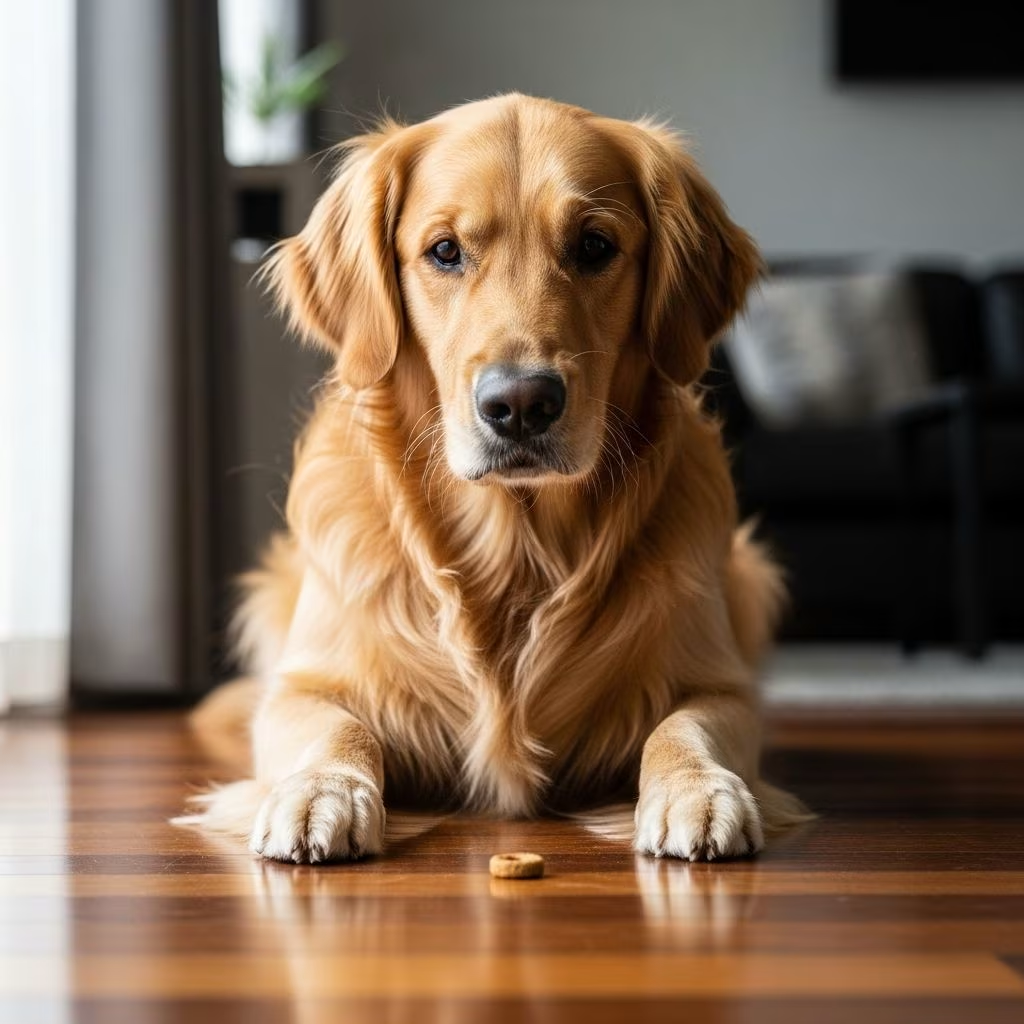
Dogs thrive when they learn to manage their impulses, leading to safer interactions and a more harmonious home. Self-control training equips them with the ability to pause, think, and respond appropriately rather than reacting instinctively to excitement, food, or distractions.
Why Impulse Control Matters for Your Dog
Impulse control forms the foundation of reliable behavior. Without it, dogs may lunge at doors, jump on guests, or snatch forbidden items, risking injury or conflict. Training this skill enhances safety—preventing them from eating hazards or bolting into traffic—and strengthens the owner-pet bond through clear communication.
Research from canine behavior experts shows that dogs with strong self-regulation exhibit less stress and better adaptability in new environments. This isn’t innate; it’s a learned skill built through consistent, rewarding practice.
Core Principles of Effective Training
Start early with puppies, but adults can learn too. Use positive reinforcement: reward desired behaviors immediately with treats, praise, or play resumption. Keep sessions short (5-10 minutes) and frequent, several times daily, to maintain engagement without frustration.
- Break tasks into tiny steps for success.
- Avoid punishment; it increases anxiety and undermines trust.
- Practice in low-distraction areas first, then progress to real-world scenarios.
- Be patient—progress varies by breed, age, and temperament.
Essential Games for Impulse Mastery
Games make training fun and mimic real-life temptations. They teach that patience yields rewards, turning self-control into a rewarding habit.
Food Bowl Patience Drill
This exercise links calm sitting to mealtime access. Hold the bowl above your dog’s reach until they sit naturally. Lower it slowly; if they break position, raise it again. Repeat until they hold the sit as the bowl touches the floor, then release with a cue like \”okay.\”
- Begin with an empty bowl to build understanding.
- Progress to filled bowls for higher value.
- Add distance: step back while they hold position.
Doorway Discipline Practice
Prevent bolting by teaching wait-at-door. Open the door slightly; if your dog surges forward, close it immediately. Reward stillness or backing away by opening wider. Gradually increase the opening and duration.
Table: Doorway Training Progression
| Level | Action | Reward Criteria |
|---|---|---|
| 1 | Crack door 1 inch | Dog stays back 2 seconds |
| 2 | Open 6 inches | Dog sits calmly |
| 3 | Full open, step out | Dog waits for release cue |
Key Commands for Everyday Control
Mastering the ‘Leave It’ Command
Critical for safety, ‘leave it’ teaches ignoring temptations. Close a treat in your fist; let your dog investigate. When they stop pawing (back off or look away), reward from your other hand. Open the hand gradually; close if they lunge, reopen when they ignore.
- Advance to floor drops: say \”leave it\” before revealing.
- Use with toys, food scraps, or distractions like passing people.
- Combine with walks: drop treats, command, then reward compliance.
Perfecting the ‘Stay’ Skill
‘Stay’ builds duration and distraction resistance. Ask for a sit, say \”stay,\” take one step back, then return to reward. Increase steps, time (up to minutes), and add mild distractions like clapping or toys.
Pro Tip: Use a hand signal (palm out) alongside the verbal cue for clearer communication.
Teaching ‘Settle’ or ‘Relax’ on Cue
Incorporate calm into play. During tug or chase games, pause mid-fun, cue \”settle,\” and wait for sit/down. Resume play as reward. Fade the cue; reward voluntary calm. This works wonders for high-energy dogs.
Relaxation protocols involve mat training: lure to a mat, reward lying down, gradually add duration and distractions. Practice 3-4 times daily in short bursts.
Advanced Impulse Challenges
Once basics are solid, escalate. Practice ‘leave it’ with rolling balls or food on the floor amid distractions like other dogs. For ‘stay,’ introduce noise or movement. Use artificial setups at home: scatter kibble, command ignore, reward choices.
Real-world application: At parks, reward ignoring squirrels or children. Leader-like praise reinforces their self-control decisions.
Addressing Common Hurdles
High-arousal dogs may struggle initially. Reduce game intensity, use lower-value rewards, and ensure they’re exercised first. If regression occurs, return to easier levels. Consistency across family members prevents confusion.
- Jumping: Turn away, reward four paws on floor.
- Grabbing items: Trade for high-value treats.
- Whining: Ignore until quiet, then engage.
Daily Habits to Reinforce Control
Beyond games, reward spontaneous calm: treats for polite greetings or relaxed crate time. Mentally stimulating toys like snuffle mats build focus without over-arousal.
Feed meals via training: dispense kibble for commands. This integrates self-control into routines.
Benefits Beyond Obedience
Trained dogs show reduced anxiety, better coping in stimuli-rich settings, and stronger problem-solving. Guide dog programs emphasize this for working reliability. Owners report fewer incidents and deeper connections.
Frequently Asked Questions (FAQs)
How long until I see results?
Basics in 1-2 weeks with daily practice; mastery in 4-6 weeks. Consistency accelerates progress.
Does this work for all breeds?
Yes, though high-drive breeds like herders need more repetition. Tailor intensity to personality.
What if my dog gets frustrated?
Shorten sessions, use easier setups, and end on success. Never force; build confidence.
Can I train without treats?
Treats speed learning, but transition to praise/play. Life rewards (walks, meals) maintain skills.
Is professional help needed?
For aggression or severe issues, consult certified trainers. Most succeed with home practice.
References
- How to Teach Your Dog Emotional Self-Control — American Kennel Club (AKC). 2023. https://www.akc.org/expert-advice/training/teaching-your-dog-self-control/
- Dog Impulse Control — Company of Animals UK. 2024. https://companyofanimals.com/uk/dog-impulse-control/
- A Super Easy Way to Teach a Dog to Relax — Dog Gone Problems. 2022. https://www.doggoneproblems.com/teach-a-dog-to-relax-joker/
- Teaching Self-Control and Coping — Guide Dog Foundation. 2025. https://www.guidedog.org/PuppyRaising/PuppyRaiserManual/PuppyDevelopment/Self-Control_and_Coping.aspx
- Impulse Control for Dogs — Zoom Room. 2024. https://www.zoomroom.com/tips/impulse-control/
- Teach your dog impulse control | The Battersea Way — YouTube (Battersea Dogs and Cats Home). 2023. https://www.youtube.com/watch?v=VtQ5MDcsKJ4



