

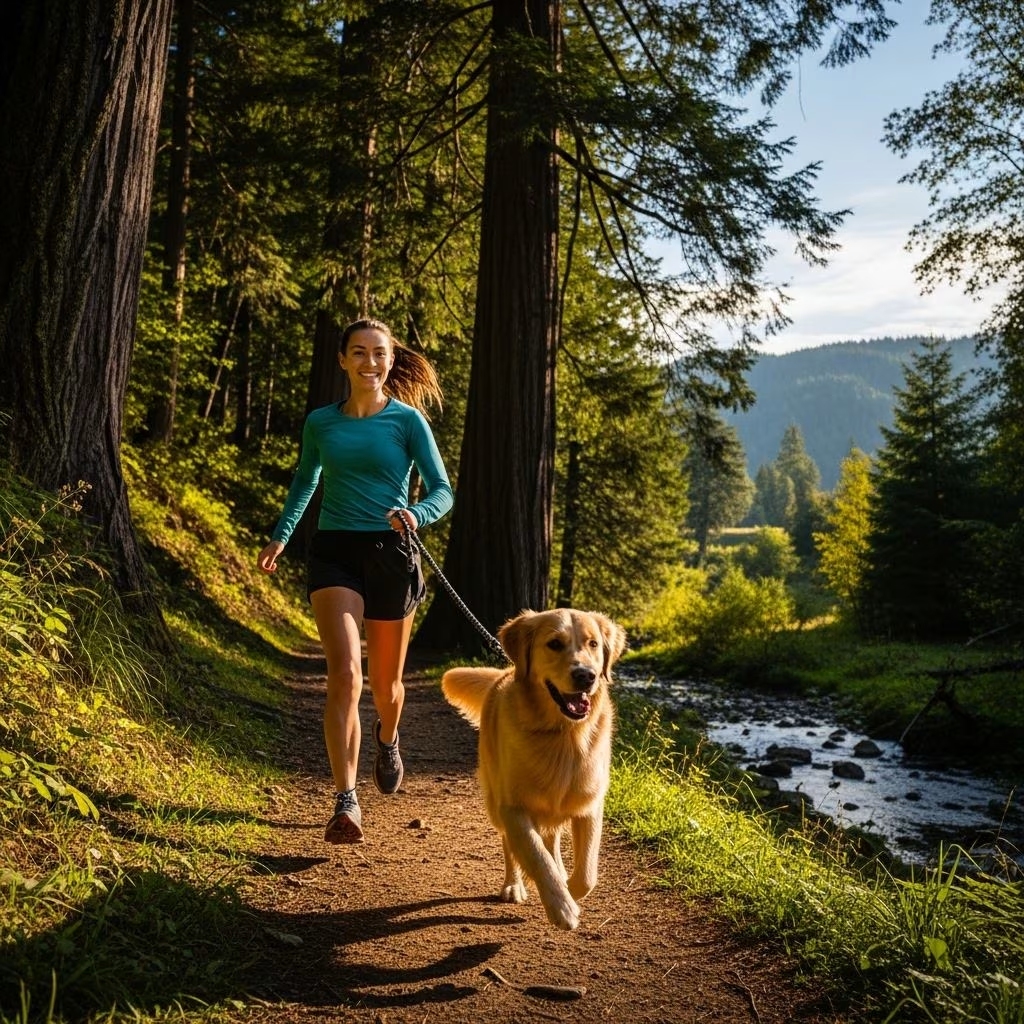
The relationship between a dog and its owner extends far beyond companionship; it encompasses shared experiences that can profoundly impact both lives. One of the most rewarding ways to strengthen this bond is through collaborative fitness activities. When owners engage in exercise with their dogs, they create an environment where both participants benefit physically and mentally. This approach transforms ordinary exercise into meaningful quality time while addressing the fitness needs of both human and canine.
The Foundation of Shared Fitness Programs
Developing an effective fitness plan that accommodates both owner and dog requires understanding the fundamental principles of canine conditioning. Dogs thrive when they receive structured physical activity combined with proper nutrition and mental stimulation. Similarly, humans benefit from consistent exercise routines that incorporate strength training, cardiovascular work, and flexibility training. The intersection of these needs creates an opportunity to design workouts that serve dual purposes.
A comprehensive fitness program should include multiple training modalities rather than relying on a single form of exercise. This variety prevents boredom, reduces injury risk, and addresses different physiological systems. When owners commit to sharing this journey with their dogs, they ensure consistency and accountability while providing their pets with the regular activity necessary for optimal health.
Components of a Well-Rounded Canine-Owner Fitness Plan
Creating a sustainable fitness routine requires balancing several key elements. Each component plays a distinct role in developing overall strength, endurance, and functional capacity.
- Strength Development: This involves exercises that build muscle mass and improve power output. Activities performed on nonconsecutive days, typically three times weekly for fifteen-minute sessions, allow adequate recovery while building resilience.
- Cardiovascular Conditioning: Aerobic activities performed several times per week for approximately thirty minutes develop heart health and stamina in both owner and dog.
- Flexibility and Mobility: Stretching routines and movement exercises maintain range of motion and prevent injury in aging joints.
- Balance and Coordination: Specialized exercises enhance proprioception and body awareness, particularly beneficial for dogs as they naturally lack rear-end awareness.
- Nutritional Support: Proper diet fuels training efforts and supports recovery in both participants.
Low-Impact Options for All Fitness Levels
Not every owner-dog pair requires high-intensity training. Many benefit significantly from gentler approaches that still provide meaningful conditioning. Walking serves as the foundation for any fitness program, offering benefits for dogs of all ages and fitness levels, including those managing weight concerns or joint sensitivities. This accessible activity accommodates pairs just beginning their fitness journey and those with physical limitations.
For dogs and owners comfortable with increased intensity, jogging provides excellent cardiovascular benefits, though it remains unsuitable for puppies, overweight dogs, or those with existing joint problems. Hiking combines cardiovascular training with functional strength development, particularly engaging core muscles and building endurance across various fitness levels.
Swimming offers exceptional benefits as a low-impact activity that builds full-body strength while minimizing stress on joints. Water-based training particularly suits dogs recovering from injury or those with arthritis, making it an inclusive option for multi-generational owner-dog teams.
Targeted Strength Exercises for Paired Training
Specific exercises build strength in both owner and dog while they work in proximity or partnership. These movements develop muscle groups essential for daily function and athletic performance.
Puppy Push-Ups provide an excellent warm-up and muscle-building exercise suitable for dogs of any age. This exercise transitions the dog from sitting to down position and back to sitting, building strength while reinforcing obedience. Advanced versions eliminate the sit position, requiring the dog to move from standing to down and back to standing, intensifying the workout.
For owners, this exercise correlates to human-style push-ups, creating a parallel movement pattern that allows both participants to work simultaneously. Owners performing push-ups while their dogs complete puppy push-ups beside them create a bonded training experience that maintains engagement and motivation.
Figure-Eight Walking develops spinal flexibility and coordination in dogs while owners benefit from the rotational core work. By walking around two cones or objects placed several feet apart, dogs stretch their backs and improve mobility. Tightening the turning radius increases the intensity of this stretch. Owners performing figure-eight patterns while their dogs mirror the movement enhance their own rotational capacity and balance.
Step Stool Work dramatically improves rear-end awareness and body control in dogs. This exercise challenges dogs to maintain front-paw elevation on a platform while moving their rear legs independently. The cognitive and physical demands of this movement strengthen both muscle groups and neurological connections. Owners can adapt this by performing similar elevation exercises, such as step-ups on a bench or low platform.
Resistance and Power Development can be incorporated through hill work, interval sprints, and weighted activities. Walking or trotting uphill naturally builds hindquarter and core strength in dogs while providing owners with a challenging cardiovascular workout. Adding short, intense sprinting intervals develops explosive power in both participants, though these should be performed on flat terrain initially to allow proper body adaptation.
Advanced Conditioning Through Plyometric Training
For owner-dog teams ready for increased intensity, plyometric exercises develop explosive power and athletic capacity. These movements, involving maximum muscle force in short intervals, build strength while improving overall athletic performance.
Jump-based exercises where dogs leap over multiple obstacles in succession develop explosive lower-body strength. Owners can incorporate complementary plyometric movements such as box jumps, burpees, or jump squats performed alongside their dogs, creating synchronized high-intensity intervals.
These advanced movements should only be introduced after establishing a solid fitness foundation and should be progressed gradually to prevent injury. Both owner and dog require proper warm-up before plyometric work and adequate recovery between sessions.
Building Endurance Through Extended Activities
Sustained aerobic training develops cardiovascular capacity in both owner and dog. Distance running, whether alongside an owner jogging or on a treadmill, conditions the heart and lungs while building muscular endurance. Swimming for extended periods provides similar benefits with reduced joint impact, making it particularly valuable for aging animals or those with orthopedic concerns.
Endurance sessions should be limited to durations appropriate for each participant’s fitness level. Overextending activity risks injury and exhaustion, counteracting training benefits. Gradual progression ensures sustainable improvement without overwhelming either party.
Essential Warm-Up and Cool-Down Protocols
Preparing the body for exercise prevents injury and optimizes performance. Comprehensive warm-up routines should begin with gentle stretching, where owners support their dogs’ limbs through controlled ranges of motion. Head circles, where the dog looks upward, downward, and side-to-side for approximately three seconds per direction, engage the neck muscles. Limb extensions, where each leg is gently straightened and bent at joints while supporting the knee and hock, prepare the entire leg for activity.
Following these static stretches, a brief aerobic warm-up such as trotting for approximately fifty paces gradually elevates heart rate and oxygen delivery. Owners should employ similar warm-up strategies, including dynamic stretching and light cardiovascular activity.
Cool-down periods are equally important, allowing heart rate to decrease gradually and beginning the recovery process. Gentle walking and static stretching during cool-down improve flexibility while facilitating circulation of metabolic waste products from exercised muscles.
Nutrition as a Pillar of Joint Training Success
Proper nutrition fundamentally supports any fitness program. Dogs in training require adequate protein to repair and build muscle tissue, appropriate caloric intake matching increased activity demands, and essential micronutrients supporting joint health and recovery. Similarly, owners must ensure their diets provide sufficient nutrients to fuel their own training efforts.
Hydration becomes increasingly critical during joint training sessions. Both participants should have access to fresh water before, during, and after exercise. Proper hydration supports temperature regulation, nutrient transport, and waste elimination.
Customizing Programs for Individual Needs
Not all owner-dog pairs have identical fitness needs or capabilities. Programs should be tailored to accommodate individual differences in age, size, breed predisposition, and existing health conditions. Younger, athletic breeds may thrive with high-intensity training, while older dogs or those with joint concerns require gentler approaches.
Brachycephalic (flat-faced) dogs cannot safely participate in jogging or intensive cardiovascular training due to breathing limitations. These breeds benefit from walking, swimming, and low-impact strength work. Dogs recovering from injury or illness should follow modified protocols that gradually rebuild capacity without overwhelming healing tissues.
Monitoring Progress and Adjusting Training
Regular assessment of both owner and dog fitness levels ensures training remains appropriately challenging without becoming excessive. Signs of adequate conditioning include improved endurance, increased strength during specific movements, and faster recovery times. Conversely, excessive fatigue, lameness, or declining enthusiasm indicate the need for program adjustments.
Progression should occur gradually, increasing either duration, intensity, or complexity of exercises incrementally over weeks rather than days. This measured approach prevents overuse injuries while building sustainable improvement.
The Psychological Benefits of Shared Fitness
Beyond physical improvements, collaborative exercise strengthens the emotional bond between owner and dog. Shared activities create positive associations, improve communication, and build trust. Dogs experiencing consistent, appropriate exercise demonstrate reduced behavioral problems, improved focus, and enhanced overall well-being.
Owners similarly benefit from the motivation provided by their dogs’ enthusiasm and commitment. The responsibility of caring for a fitness partner creates accountability that improves consistency. Many owners report that exercising with their dogs provides stress relief, improved mental health, and enhanced overall quality of life.
Creating Sustainable Habit Patterns
Long-term success depends on establishing routines that become automatic rather than requiring constant motivation. Scheduling specific training times, involving the entire household in planning, and celebrating progress milestones help cement new fitness habits. Varying activities prevents monotony while addressing different fitness components throughout the week.
Weather considerations require flexibility in planning. Having indoor options for inclement weather ensures training consistency across seasons. Activities like circuit training combining human and canine exercises can occur entirely indoors, requiring minimal space.
Safety Considerations and When to Seek Professional Guidance
Consultation with veterinarians before beginning new training programs ensures recommendations align with individual dog health status. Dogs with existing conditions, those overweight, or aging animals benefit from professional assessment before increasing exercise intensity.
Similarly, owners with health concerns should consult physicians before beginning new fitness regimens. Professional guidance from certified canine trainers or fitness coaches can prevent injury and optimize program design for specific goals and limitations.
References
- 10 Components of a Balanced Canine Conditioning Program — Dogs4U Academy. 2024. https://www.dogsports4uacademy.com/blog/10-components-of-a-balanced-canine-conditioning-program
- Easy Exercises for Canine Conditioning — American Kennel Club. 2024. https://www.akc.org/expert-advice/training/exercises-canine-conditioning/
- Raising the Bar: Increasing Speed & Power for Canine Athletes — Northeast K9 Conditioning. 2024. https://www.northeastk9conditioning.com/blog/raising-the-bar-speed-power
- The 9 Best Ways to Exercise With Your Dog — Small Door Veterinary. 2024. https://www.smalldoorvet.com/learning-center/wellness/best-ways-to-exercise-with-dogs



