
Building Effective Animal Biosecurity Strategies
Essential guide to creating robust biosecurity plans that safeguard animal health, prevent disease outbreaks, and ensure farm productivity through proven practices.
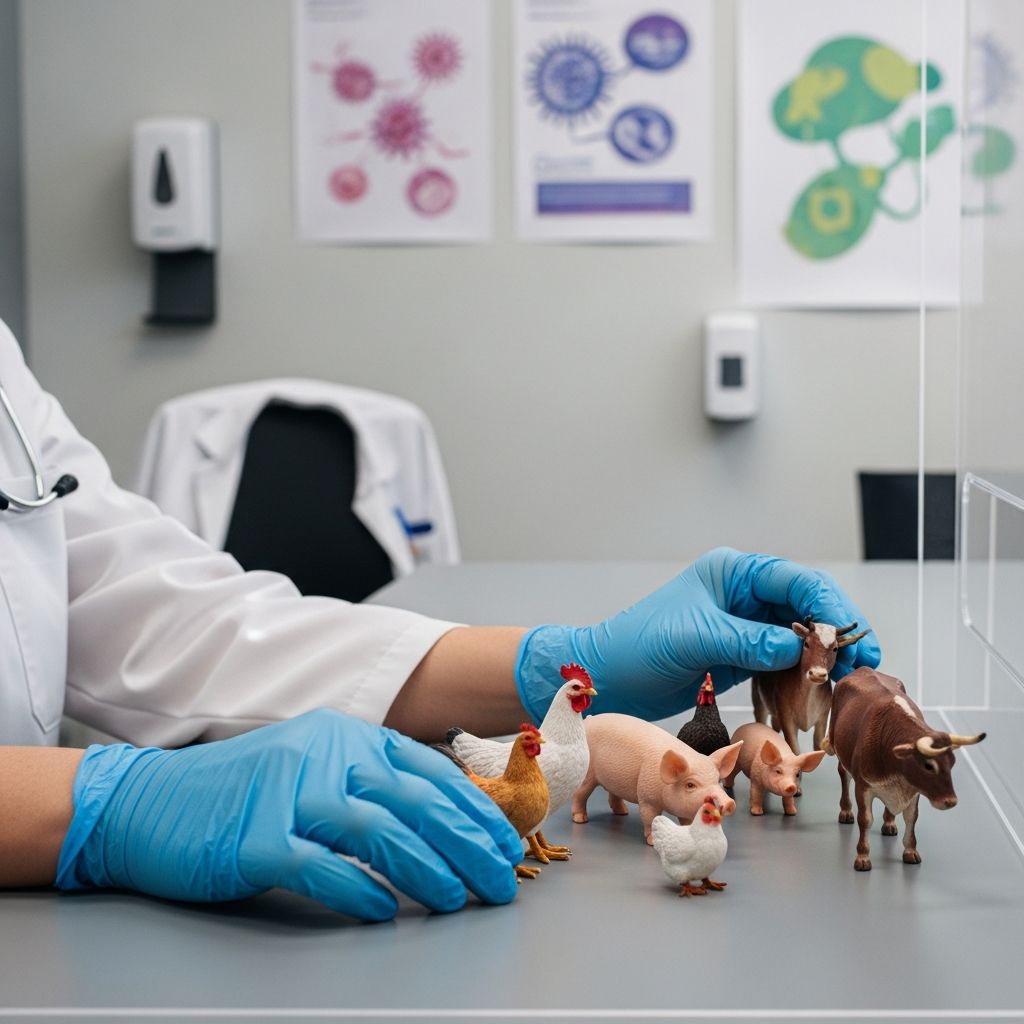
Animal biosecurity involves a set of proactive measures designed to protect livestock, poultry, and other animals from infectious diseases. By establishing clear protocols for preventing pathogen introduction, monitoring health status, and containing potential outbreaks, producers can maintain herd integrity and operational continuity. Core elements include defining protected zones, enforcing access controls, and conducting regular assessments.
Understanding the Foundations of Biosecurity
Biosecurity frameworks rest on three pillars: bioexclusion to block external threats, biocontainment to limit internal spread, and surveillance to detect issues early. These components work together to create layered defenses against diseases like foot-and-mouth or avian influenza. Effective programs start with risk assessment, identifying vulnerabilities such as visitor traffic or shared equipment.
Producers must delineate clean areas—free of contaminants—from dirty zones potentially harboring pathogens. This separation, often marked by a physical or procedural boundary, prevents cross-contamination. For instance, farms use signage, gates, or footbaths to enforce this divide, ensuring that clean animals never contact potentially infected materials.
Assessing Risks on Your Operation
Begin by mapping your facility: note entry points, animal movements, feed storage, and personnel paths. High-risk factors include new animal introductions, wild bird access, or inadequate waste management. Prioritize threats based on local disease prevalence—consult veterinary experts for species-specific insights.
- Evaluate animal sourcing: Prefer suppliers with verified health records and matching vaccination protocols.
- Review traffic flow: Minimize overlap between clean and dirty areas.
- Inspect infrastructure: Check fencing, ventilation, and drainage for weaknesses.
A thorough risk analysis guides customized interventions, reducing the likelihood of costly outbreaks. Collaborate with local veterinarians early to build a strong veterinary-client-patient relationship (VCPR), essential for tailored advice.
Core Components of a Biosecurity Plan
A robust plan outlines goals, procedures, responsibilities, and review timelines. It must be practical, documented, and communicated to all staff. Key requirements encompass animal traceability via ID systems, movement logs, and health records.
| Component | Description | Implementation Tips |
|---|---|---|
| Bioexclusion | Preventing disease entry | Quarantine new arrivals; test for key pathogens before integration. |
| Surveillance | Monitoring health status | Daily inspections; log morbidity/mortality; periodic vet checks. |
| Biocontainment | Isolating infected animals | Designate isolation zones; use PPE for handlers. |
Plans should align with standards from bodies like the World Organisation for Animal Health (WOAH), emphasizing documented compliance and audits.
Implementing Bioexclusion Measures
Bioexclusion targets external vectors: people, vehicles, animals, feed, and equipment. Limit farm access to essential personnel, requiring signage, logs, and changing facilities. Visitors don disposable coveralls and boot dips; vehicles undergo wheel washes.
Source replacements cautiously—request health certificates, quarantine for 21-30 days, and test blood or feces. Secure perimeters against wildlife with netting or electric fencing, especially for poultry.
- Feed management: Store in rodent-proof containers; source from reputable mills.
- Water quality: Test regularly; avoid shared sources with wild animals.
- Equipment hygiene: Dedicate tools to clean zones or disinfect between uses.
Strengthening Surveillance Systems
Early detection relies on vigilant monitoring. Train staff to spot signs like lethargy, respiratory issues, or sudden deaths. Maintain detailed records of vaccinations, treatments, and production metrics to spot anomalies.
Implement passive surveillance through daily checks and active methods like periodic sampling. Necropsy unexplained deaths and report clusters to vets. Digital tools or apps can streamline logging for traceability.
Biocontainment Protocols for Outbreak Control
If disease enters, swift containment prevents spread. Isolate suspects immediately in designated areas with separate pathways. Use PPE, restrict movement, and depopulate if necessary per guidelines.
Cleaning and disinfection (C&D) follow: Remove organics, apply approved disinfectants, and allow dwell time. Zoning aids this—treat dirty areas aggressively while protecting clean ones.
Personnel Training and Culture Building
Humans are often the weakest link; foster a biosecurity mindset through mandatory training. Cover protocols, hygiene, and reporting. Conduct drills for scenarios like outbreaks.
Appoint biosecurity officers for oversight. In educational settings, dedicated units develop SOPs, audit compliance, and organize awareness events.
Auditing and Continuous Improvement
Regular audits verify adherence: walkthroughs, record reviews, and swab tests. Update plans annually or post-incident, incorporating feedback.
Follow a cycle: assess compliance, plan fixes, implement changes, and monitor outcomes. Partner with authorities for official recognition, enhancing market access.
Species-Specific Considerations
Tailor plans to operations:
- Livestock: Focus on fence integrity, shared grazing avoidance.
- Poultry: All-in-all-out systems, biosecure housing.
- Equine: Quarantine trailers, limit commingling at events.
Consult resources like USDA or state agriculture departments for templates.
Frequently Asked Questions (FAQs)
What is the first step in creating a biosecurity plan?
Conduct a site-specific risk assessment with your veterinarian to identify vulnerabilities.
How often should biosecurity plans be reviewed?
Annually, or after any disease event, personnel changes, or facility updates.
Are footbaths effective for all pathogens?
They reduce bacterial/viral loads but must use correct solutions and be maintained; combine with other measures.
What role does record-keeping play?
It enables traceability, supports compliance audits, and aids disease investigations.
Can small farms implement biosecurity?
Yes—start with basics like visitor logs, quarantine, and hygiene; scale as needed.
Advanced Zoning and Compartments
Beyond lines of separation, use zones or compartments. Zones rely on geographic boundaries; compartments demand strict SOPs, surveillance, and veterinary oversight for disease-free status.
Documentation proves compliance: logs for movements, feed, meds, and training. Audits ensure ongoing validity, vital for trade.
References
- Developing a Biosecurity Program for Animals — Merck Veterinary Manual. 2023. https://www.merckvetmanual.com/public-health/biosecurity/developing-a-biosecurity-program-for-animals
- Animal biosecurity framework development, implementation and evaluation in a veterinary education establishment — PMC/NCBI. 2025-06. https://pmc.ncbi.nlm.nih.gov/articles/PMC12879496/
- Developing a Biosecurity Plan for Your Livestock or Poultry Operation — UConn Extension (.edu). 2024. https://extension.uconn.edu/publication/biosecurity-plan/
- Biosecurity Guidelines for Animal Industries — UMass Amherst (.edu). 2023. https://www.umass.edu/agriculture-food-environment/crops-dairy-livestock-equine/fact-sheets/biosecurity-guidelines-for-animal-industries
- AHFSS – AHB – Biosecurity — California Department of Food and Agriculture (.gov). 2025. https://www.cdfa.ca.gov/ahfss/Animal_Health/Biosecurity.html
- Biosecurity Principles — USDA APHIS (.gov). 2024. https://www.aphis.usda.gov/sites/default/files/bio_principles_handout.pdf
Similar Articles








Read full bio of Sneha Tete


