

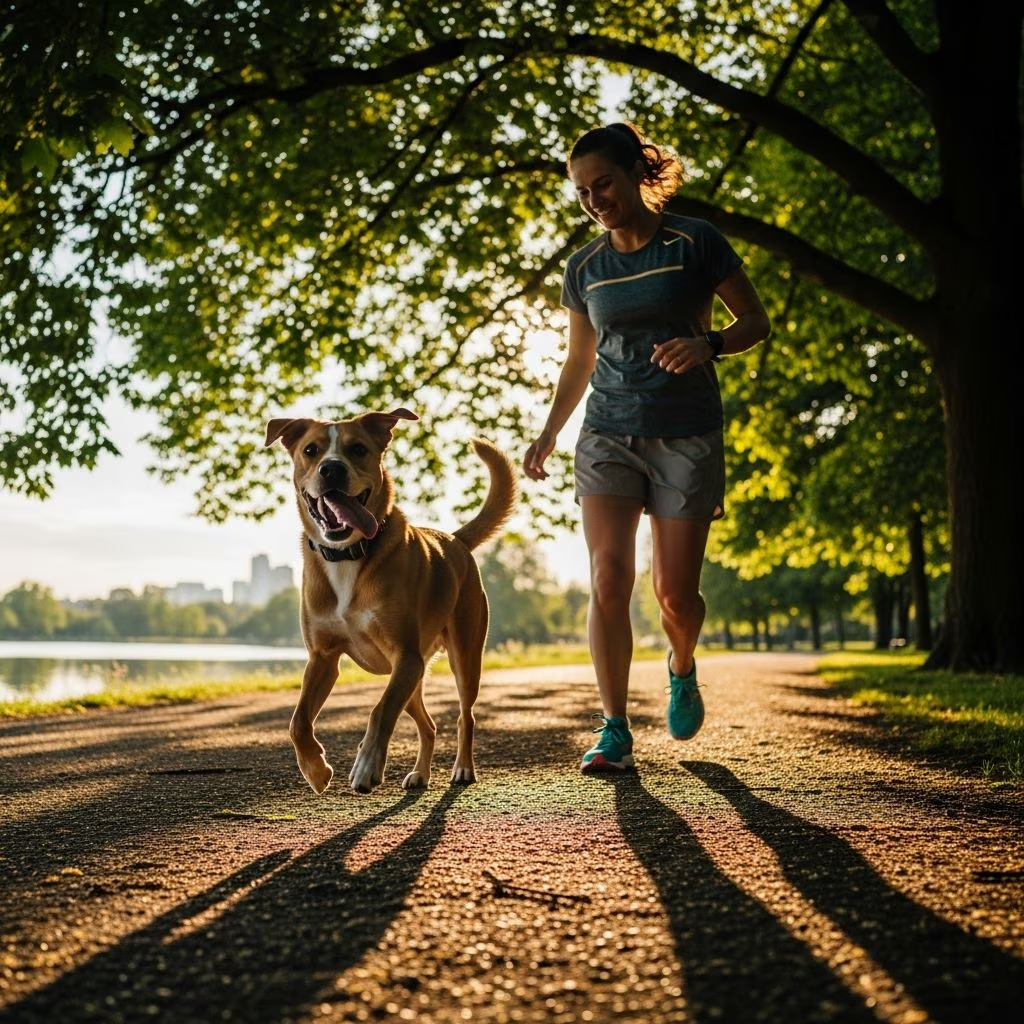
The relationship between a dog and its owner extends far beyond daily walks and playtime. One of the most rewarding ways to deepen this bond is through structured fitness activities that benefit both you and your canine companion. When you invest time in your dog’s physical conditioning, you’re not only enhancing their health and longevity but also creating meaningful moments of connection. This guide explores how to develop a comprehensive fitness program that you and your dog can pursue together, transforming exercise into a shared journey toward better health.
Understanding Canine Fitness Fundamentals
Before embarking on any fitness routine with your dog, it’s essential to understand what constitutes a well-rounded conditioning program. A complete canine fitness program comprises four major components: nutrition, strength training, endurance training, and sport-specific or activity-based training. Each element plays a crucial role in developing a healthy, capable, and resilient canine athlete, whether your dog is a working breed, an agility competitor, or simply a companion you want to keep vibrant well into their senior years.
Nutrition forms the foundation of any fitness initiative. Your dog requires appropriate calories, protein, and micronutrients to support the increased demands of a conditioning program. Beyond basic nutrition, consider consulting with your veterinarian to ensure your dog’s diet aligns with their new activity level and fitness goals.
The remaining three components—strength, endurance, and specialized training—work synergistically to create a balanced, injury-resistant physique. Understanding how these elements integrate allows you to design a program that meets your specific objectives while keeping your dog safe and engaged.
The Foundation: Strength Training Protocols
Strength training should be conducted on non-consecutive days, three times weekly for approximately fifteen minutes per session. This frequency and duration allow your dog’s muscles to recover between sessions while building lean muscle mass and improving functional strength. Non-consecutive scheduling prevents overuse injuries and allows proper muscular adaptation.
Several accessible strength-building exercises can be integrated into your routine:
- Sit-to-Stand Transitions: Have your dog move from a sitting position to standing and back. This foundational exercise strengthens the rear legs and teaches body awareness. For increased difficulty, you can have your dog perform these transitions more slowly or add additional repetitions.
- Puppy Push-Ups: Despite the name, this exercise benefits dogs of all ages. Your dog transitions from sit to down to sit position, or for advanced versions, from stand to down to stand. This movement builds core strength and reinforces obedience.
- Uphill Running: Incorporating hills into your routine specifically conditions the hind leg musculature while building cardiovascular fitness. Start with moderate inclines and progress gradually.
- Retrieving Sprints: Short, intense retrieving activities on land or in water provide full-body strength development. The explosive nature of retrieves builds power and coordination.
- Dips and Shoulder Work: Shoulder dips strengthen the biceps and triceps while improving mobility through the shoulder and neck regions. These exercises enhance front-end stability and athletic performance.
- Side Stepping: This exercise targets hip and shoulder muscles while improving core coordination and spinal support. Elevating the front feet during side steps adds additional difficulty and engages the gluteals and hamstrings.
Building Endurance Through Aerobic Training
Endurance training encompasses any aerobic activity performed several times weekly for approximately thirty minutes per session. This component builds cardiovascular capacity, increases stamina, and promotes overall health and vitality. Importantly, you must monitor your dog’s physical condition and never exceed their capability, as overexertion can lead to injury or exhaustion.
Effective endurance activities include:
- Distance Running: Jogging alongside your dog provides excellent cardiovascular conditioning for both of you. You can start with shorter distances and gradually increase duration as fitness improves. Treadmill running offers a controlled alternative during inclement weather.
- Distance Swimming: Swimming provides exceptional aerobic conditioning with minimal joint impact, making it ideal for dogs at any fitness level. Water-based exercise is particularly beneficial for older dogs or those with joint concerns.
- Varied Terrain Walking: Begin with 20-30 minute sessions on flat ground, gradually introducing hills, sand, and uneven surfaces to develop proprioception and strengthen stabilizing muscles. This progressive approach builds conditioning while improving body awareness.
- Controlled Trotting Intervals: Start with 1-2 minute trotting intervals followed by 1-minute walking recovery periods, aiming for 5-8 repetitions. Gradually increase trotting duration and decrease recovery time as fitness improves.
Interval Training: Maximizing Fitness Gains
Structured interval training alternates between high-intensity work and recovery periods, effectively improving both anaerobic and aerobic capacity. This approach allows you to achieve greater fitness improvements in less time, making it ideal for handlers with busy schedules.
A well-designed interval training session follows this structure:
| Phase | Duration | Activity |
|---|---|---|
| Warm-Up | 5-10 minutes | Easy trotting or walking to prepare muscles and elevate heart rate |
| Work Interval | 2-3 minutes | High-intensity activity (fast running, swimming, hill work) |
| Recovery Interval | 1 minute | Walking or easy trotting to allow heart rate to decrease |
| Repetitions | 3-10 rounds | Begin with 3-5 and progress as fitness improves |
| Cool-Down | 5-10 minutes | Easy trotting followed by walking to gradually lower heart rate |
Hill work deserves special attention within interval training protocols. Incorporate uphill training to build hindquarter strength and cardiovascular capacity, beginning with moderate slopes and progressing to steeper inclines. Descents should be controlled and gradual when possible to minimize shoulder impact.
Specialized Exercises for Body Awareness and Coordination
Advanced fitness programming incorporates proprioceptive training—exercises that enhance body awareness and coordination. These movements develop athletic capability and reduce injury risk by teaching your dog to move with precision and balance.
Figure-Eight Walking: Walk your dog in a figure-eight pattern around two objects placed several feet apart. This exercise stretches the back and improves spinal flexibility. To increase the challenge, move objects closer together to tighten the turns. You can also have your dog weave between your legs as you stand with feet apart.
Step Stool Stroll: Have your dog walk around a step stool with front paws elevated on the stool while back paws remain on the ground. This exercise develops rear-end awareness—a critical component of athletic development. Use a large book secured with duct tape for small dogs or an upside-down storage bin for larger dogs. Start by teaching your dog to place only front paws on the prop, then encourage movement to either side.
Balance Equipment Work: Utilize balance discs, peanut balls, or wobble boards to challenge stability. These tools improve core strength and proprioception while making training engaging and fun.
Terrain Transitions: Practice moving between different surfaces—grass to gravel, firm to soft ground—to enhance adaptability and muscle engagement. This activity mimics real-world movement challenges and builds versatile strength.
Building Speed and Power Through Progressive Training
For dogs requiring explosive power—whether for athletic competition or working roles—dedicated speed and power development becomes essential. Always begin training sessions with proper warm-up by trotting your dog in circles, engaging in tugging, or performing short retrieves to gradually increase heart rate and prepare muscles. This prevents injury and optimizes performance.
Advanced strength exercises build the power foundation:
- Controlled Retrieving: Restrain your dog, throw the ball, wait for it to stop rolling, then release your dog for the retrieve. This controlled approach teaches your dog to explode into motion with precision rather than developing uncontrolled chasing behaviors.
- Weight-Pulling Work: When appropriate for your dog’s training goals, incorporate drag work using a proper weight-pull harness. Start gradually with light resistance over very short distances to allow safe adaptation.
- Plyometric Exercises: These explosive movements involve muscles exerting maximum force in short intervals. Examples include bounce exercises where your dog jumps over multiple jumps in succession or jumping onto elevated objects from a standstill. Plyometric training builds muscle, power, explosiveness, and athletic performance but requires careful progression and adequate recovery time.
- Speedwork Integration: Incorporate high-intensity sprints over short distances into your cardio routine. Begin on flat ground to allow adaptation before progressing to inclines.
Rock Back Sit-Push Forward Stand: A Comprehensive Rear-End Exercise
The rock back sit-push forward stand exercise represents a powerhouse movement for building rear leg strength and stability. This exercise targets the musculature supporting the pelvic limbs, engaging muscles both concentrically (working against gravity) and eccentrically (resisting gravity). This dual action makes it exceptionally effective for building both strength and stability simultaneously.
To perform this exercise correctly, your dog begins in a standing position, rocks backward into a sitting position, then powerfully pushes forward back to standing. The controlled nature of the movement—where all four feet should remain relatively stationary throughout—ensures proper engagement of target muscles without unnecessary joint stress.
Cross-Training for Complete Fitness Development
Varying training modalities prevents overuse injuries and develops comprehensive fitness across multiple athletic qualities. A well-rounded program incorporates diverse activities rather than repeating identical workouts day after day.
Swimming offers exceptional benefits—building endurance with minimal joint impact, making it particularly valuable for older dogs or those with joint concerns. Scent work combines mental engagement with physical movement, enriching your dog while building fitness. Controlled retrieving games develop acceleration, turning ability, and focus. When appropriate, pulling exercises build power and drive specific to your dog’s intended role.
This diversification maintains your dog’s mental engagement while distributing physical demands across different movement patterns and muscle groups. The result is a resilient, well-developed canine athlete less prone to overuse injuries.
Safety Considerations and Progressive Development
Regardless of which exercises you choose, several safety principles guide responsible fitness programming. Always start gradually, allowing your dog’s body time to adapt to increased physical demands. Progress incrementally—adding intensity, duration, or complexity only as your dog’s fitness improves. Monitor for signs of fatigue, discomfort, or lameness, adjusting activities accordingly.
Never rush your dog into intense activities without proper warm-up. Conversely, allow adequate cool-down time following strenuous workouts to permit gradual heart rate reduction and metabolic recovery. Consider consulting your veterinarian before beginning any new fitness program, particularly if your dog has pre-existing health conditions or joint concerns.
Frequently Asked Questions About Canine Fitness
How often should I exercise my dog?
Strength training should occur three times weekly on non-consecutive days, with each session lasting approximately fifteen minutes. Endurance training should happen several times weekly for thirty-minute sessions. Recovery days are equally important for muscle adaptation and injury prevention.
Can I exercise with an older dog?
Yes, older dogs benefit significantly from appropriate conditioning. However, progression should be more gradual, and activities should emphasize joint-friendly options like swimming. Consult your veterinarian to ensure your senior dog is healthy enough for increased activity.
What equipment do I need to start?
You can begin with minimal equipment: treats for motivation, natural terrain (hills and varied surfaces), and household items like step stools or books. As your dog progresses, you might add balance equipment, weights, or specialized harnesses, but these are optional for basic conditioning.
How do I know if my dog is overexerting?
Watch for excessive panting, reluctance to continue activity, limping, or behavioral changes. Your dog should appear eager to participate but not desperate or panicked. Always maintain a reasonable pace where your dog could theoretically continue longer than you stop.
Should all dogs follow the same fitness program?
No. Fitness programming should reflect your individual dog’s age, breed, health status, and fitness goals. A young athletic breed requires different programming than an older companion dog. Consult with your veterinarian or certified canine fitness professional to customize an appropriate program.
Creating Your Shared Fitness Journey
Developing a fitness program with your dog transforms mundane exercise into quality time that strengthens your relationship while improving both your health. The key lies in consistency, patience, and attentiveness to your individual dog’s needs and capabilities. Start with basic exercises, progress gradually, and celebrate small improvements. Through dedicated conditioning together, you’re not simply building a stronger dog—you’re creating lasting memories and laying the foundation for a longer, healthier, more vibrant life together.
References
- 10 Components of a Balanced Canine Conditioning Program — Dogs4UAccademy. Accessed March 2026. https://www.dogsports4uacademy.com/blog/10-components-of-a-balanced-canine-conditioning-program
- Easy Exercises for Canine Conditioning — American Kennel Club. Accessed March 2026. https://www.akc.org/expert-advice/training/exercises-canine-conditioning/
- Fitness and Conditioning for Working Dogs: How to Build Endurance and Strength — DogBase. Accessed March 2026. https://www.dogbase.co/blog/fitness-and-conditioning-for-working-dogs-how-to-build-endurance-and-strength
- Raising the Bar: Increasing Speed & Power for Canine Athletes — NortheastK9Conditioning. Accessed March 2026. https://www.northeastk9conditioning.com/blog/raising-the-bar-speed-power
- Quick Canine Workout — Canine Conditioning Coach. Accessed March 2026. https://canineconditioningcoach.com/canine-conditioning-quick-canine-workout/



