

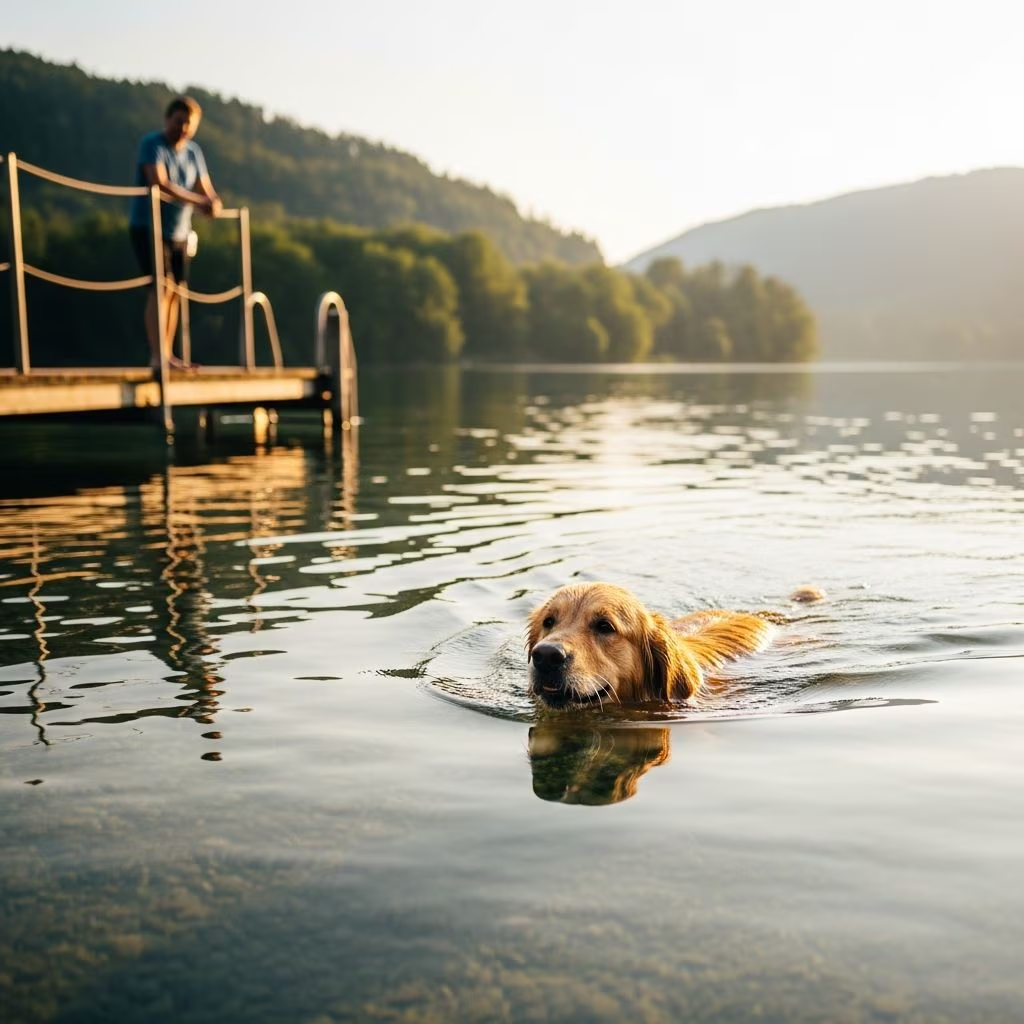
Many dog owners face the challenge of pets who exhibit anxiety or reluctance around water. Whether your dog recoils from puddles, refuses to wade in shallow pools, or shows signs of panic near lakes, this common issue can limit their enjoyment of summer activities and water-based exercise. Understanding the psychological and physical factors behind water aversion, combined with proven training methodologies, can help transform even the most water-hesitant canine into a confident swimmer.
Understanding Canine Water Anxiety
Water aversion in dogs stems from several interconnected causes. Unlike humans, dogs cannot predict how water will feel or behave, making it inherently unpredictable. The sensation of water displacement, the loss of solid ground beneath their paws, and the unfamiliar auditory cues all contribute to anxiety responses. Additionally, individual temperament plays a significant role—naturally cautious dogs or those with previous negative water experiences develop stronger avoidance behaviors.
Some dogs possess genetic predispositions that influence their comfort levels in aquatic environments. Breeds developed for water work typically exhibit natural affinity, while others bred for different purposes may harbor instinctive wariness. Past traumatic experiences, even minor ones like an unexpected dunking or a slippery entry point, can crystallize water anxiety for years if not properly addressed through rehabilitation.
The Foundation: Environmental Preparation and Safety
Before introducing your dog to water, establish a safe, controlled setting that minimizes stressors. The environment surrounding your training area should remain calm and quiet, as dogs are highly sensitive to ambient noise and activity. Choose locations with minimal distractions where your dog can focus on the water experience without competing stimuli.
Water quality represents a critical yet often overlooked factor. Clean water prevents skin infections, ear infections, and gastrointestinal upset that could create negative associations. If using a home pool or container, regularly test and treat the water according to veterinary guidelines. Natural water bodies should be assessed for safety hazards, strong currents, and water temperature before introduction.
Essential equipment ensures both comfort and safety during water exposure:
- Properly fitted life vest: Designed to support your dog’s body, reducing anxiety about buoyancy and providing flotation assistance for non-confident swimmers
- Non-slip entry devices: Pool ramps, gradual-slope entry points, or specialized steps prevent slipping injuries during entry and exit phases
- Water temperature regulation: Warm water promotes muscle relaxation and creates a more inviting experience than cold water
- Non-slip flooring: Mats around water perimeters prevent accidental falls and provide secure footing for handlers
- First aid supplies: A readily accessible kit addresses minor injuries or emergencies promptly
Supervision and Constant Vigilance
Never leave your dog unattended in or near water, regardless of swimming ability. Even strong swimmers can experience panic, encounter unexpected obstacles, or develop fatigue. Your continuous presence provides reassurance, enables immediate intervention during distress, and allows you to monitor behavioral cues indicating discomfort or stress.
Maintain control through a properly fitted leash attached to your dog’s harness or life vest, rather than the collar, to prevent neck strain. This leash serves as a safety tether rather than a forcing mechanism—use it to guide your dog away from danger but never to forcibly propel them toward water.
The Graduated Introduction Process
Successful water confidence building follows a carefully structured progression that respects your dog’s individual pace. Rushing through stages or pushing beyond your dog’s comfort threshold can reinforce anxiety and create lasting aversion.
Stage One: Familiarization Without Water Contact
Begin by walking your leashed dog around the perimeter of your chosen water location. Allow your dog to sniff, observe, and process the environment from a safe distance. Complete multiple circuits, gradually reducing the distance between your dog and the water’s edge. This phase may span multiple sessions and should conclude only when your dog displays relaxed body language.
Stage Two: Shallow Water Exploration
Progress to walking your dog to the water’s edge, then gently guide them to wade with only their front paws submerged. Immediately reward this behavior with high-value treats and enthusiastic praise. Exit the water immediately and repeat this drill several times per session, progressively deepening the wading depth as comfort increases.
The key distinction lies in allowing your dog to wade at their own pace rather than forcing deeper entry. Some dogs require numerous sessions at this stage before advancing. Patience at this phase pays dividends in long-term confidence development.
Stage Three: Full Body Immersion in Controlled Depth
Once your dog wades comfortably with all four paws submerged while maintaining forward motion, gradually increase water depth to chest level. Continue treating and praising progression. Position yourself facing the water so your dog observes you walking directly forward, creating a model for appropriate movement patterns.
At this stage, introduce water-based play activities. Toss floating toys just beyond your dog’s standing reach, encouraging swimming engagement. Start these retrieves at minimal distances and gradually increase distance as confidence develops.
Building Positive Associations Through Play and Motivation
Water activities become enjoyable when paired with activities your dog already loves. For dogs with strong prey drive, floating toys or bumpers create natural motivation for water entry. Begin by tossing toys close to the shoreline, gradually moving tosses to deeper water as your dog’s swimming confidence develops.
Some trainers employ game birds or similar high-interest targets to trigger natural hunting instincts, which can overcome hesitation. However, avoid creating dependency on specific stimuli—diversify rewards across multiple toy types and treat varieties to develop genuine water comfort rather than task-specific motivation.
Incorporate water play into routine activities that your dog already anticipates. Regular scheduled water sessions, even brief ones, establish consistent positive associations more effectively than sporadic extended efforts.
Managing Fear and Anxiety During Training
Observable signs of anxiety include trembling, whining, tail tucking, or attempts to escape. When these behaviors emerge, immediately reduce the water challenge level. Never force progression or punish fearful responses, as these approaches intensify anxiety and create additional negative associations.
Use calming verbal cues in a low, soothing tone to provide reassurance. However, be cautious with excessive verbal comfort, as this can inadvertently reward anxious behavior. Instead, maintain a neutral, confident demeanor that communicates safety through body language and tone consistency.
Some dogs benefit from wearing a life vest in shallow water for multiple sessions before attempting swimming, building confidence in equipment before introducing swimming demands.
Environmental Variety and Ongoing Skill Development
Once your dog demonstrates confidence in initial training environments, introduce varied water contexts. Different water entry angles, substrate types including sand, rocks, and mud, and various water temperatures all contribute to comprehensive water comfort.
Progressively advance swimming skills by introducing commands like “swim” or “come” with consistent positive reinforcement for successful execution. Establish regular water play schedules incorporating visits to different dog-friendly locations—beaches, lakes, rivers, and home pools each present unique challenges that strengthen overall water competence.
Frequently Asked Questions
How long does water confidence building typically require?
Timeline varies significantly based on individual temperament, prior experiences, and training consistency. Some dogs progress within weeks, while others require months. Frequent, brief positive sessions outperform infrequent extended efforts.
What water temperature proves most comfortable for dogs?
Warm water generally proves more inviting than cold water, particularly for anxious dogs. Consult your veterinarian for ideal temperature ranges, but most dogs respond positively to water slightly warmer than room temperature.
Can all dog breeds develop swimming ability?
While all dogs possess natural swimming capability, breed predispositions influence confidence and comfort levels. Some breeds naturally gravitate toward water while others require more encouragement. Individual temperament ultimately matters more than breed characteristics.
Should I use force to encourage water entry?
Absolutely not. Forced water exposure creates lasting trauma and intensifies anxiety rather than resolving it. Patient, gradual introduction with positive reinforcement produces sustainable confidence development.
How do I know if my dog is ready to advance to deeper water?
Watch for consistent calm body language, forward movement without hesitation, and engagement with water-based play in current depth levels. Advancing too quickly causes regression; slower progression builds solid foundations.
Summer Safety and Practical Considerations
Water-based activities require additional safety precautions beyond standard land-based training. Limit swimming duration on hot days to prevent overheating, and provide constant access to fresh drinking water to maintain hydration.
Monitor your dog for fatigue during extended water sessions, as exhaustion in aquatic environments poses drowning risks. Establish reasonable session lengths based on your dog’s fitness level and gradually increase duration only as conditioning improves.
Ensure your dog undergoes veterinary clearance before intensive water training, particularly if they have underlying health conditions, joint problems, or respiratory issues that water activities might aggravate.
Therapeutic Benefits of Water Confidence
Beyond recreation, water confidence opens therapeutic possibilities. Water immersion reduces weight-bearing stress on joints through buoyancy principles, making aquatic exercise valuable for dogs with arthritis or recovering from surgery. Regular swimming builds cardiovascular fitness while minimizing injury risk compared to land-based exercise.
Water also produces calming psychological effects for stress-prone or anxious dogs, offering a soothing activity that promotes emotional regulation.
Moving Forward With Patience and Consistency
Transforming water-averse dogs into confident swimmers requires commitment to gradual progression, consistent positive reinforcement, and unwavering patience. By establishing safe environments, employing proven training methodologies, and respecting individual paces, dog owners can help their pets overcome water anxiety and access the physical and psychological benefits that aquatic engagement provides. The investment in proper water confidence development yields years of enjoyable summer activities and improved overall canine wellness.
References
- A Comprehensive Guide to Dog Hydrotherapy at Home — Rehab Vet. 2024. https://rehabvet.com/blog/guide-dog-hydrotherapy-home/
- How to Introduce a Dog to Water Work — Project Upland. 2023. https://projectupland.com/dogs/how-to-introduce-a-dog-to-water-work/
- Dive In! Building Canine Confidence in Water — Dog Bizness. 2024. https://www.dogbizness.com.au/post/dive-in-building-canine-confidence-in-water
- Baby-Steps Teaching Your Dog to Swim — AKC Pet Insurance. 2024. https://www.akcpetinsurance.com/blog/babysteps-teaching-your-dog-to-swim
- Crucial Lessons For Keeping Your Dog Safe Around Water — Lombard Vet. 2024. https://www.lombardvet.com/services/dogs/blog/crucial-lessons-keeping-your-dog-safe-around-water
- Make a Splash: Essential Safety Tips and Training Tricks for Teaching Your Dog to Swim — San Antonio Dog Trainers. 2024. https://sanantoniodogtrainers.com/make-a-splash-essential-safety-tips-and-training-tricks-for-teaching-your-dog-to-swim/



