Building Deep Bonds With Your Cat: Proven Bonding Techniques
Discover effective, cat-approved methods to express affection and strengthen your feline friendship through body language, play, and daily care.
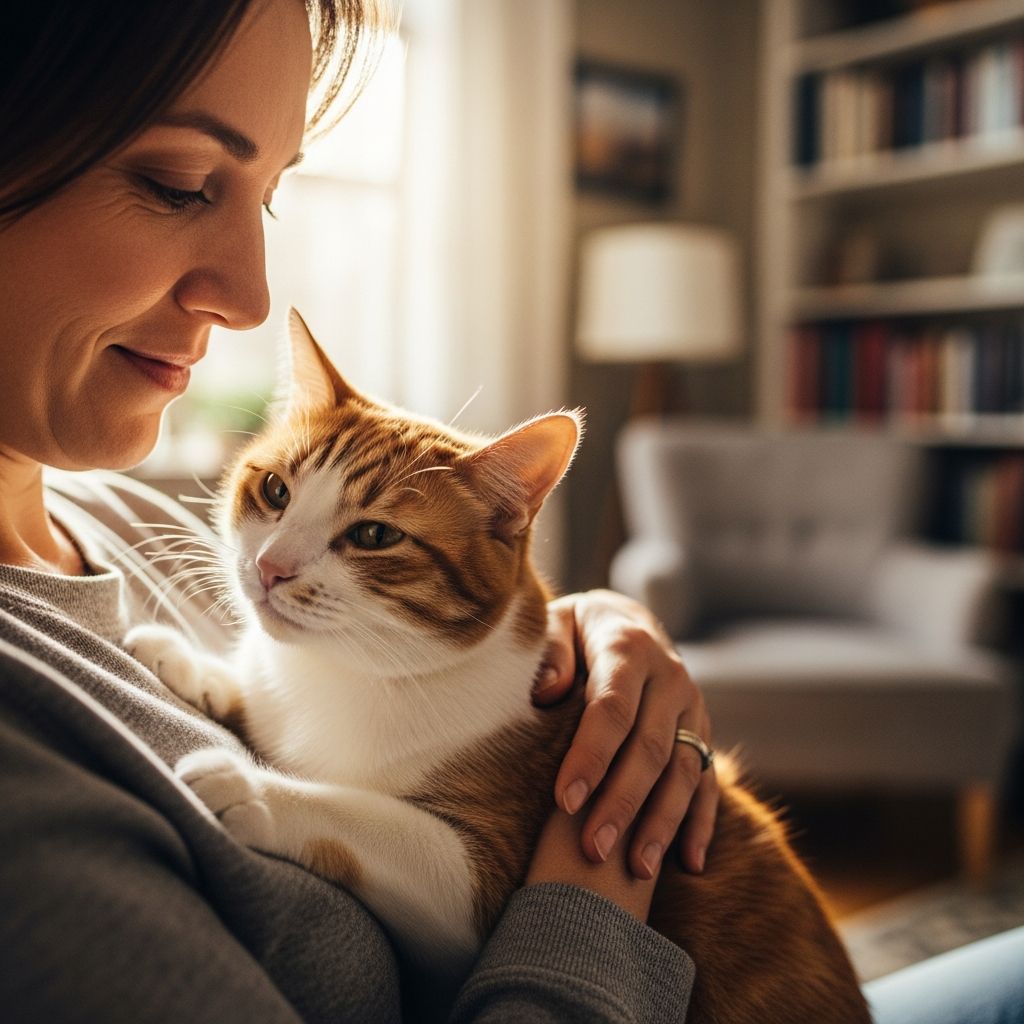
Building Deep Bonds with Your Cat
Cats communicate affection in unique ways that differ from dogs, relying on subtle body language, vocalizations, and behaviors to express trust and contentment. Understanding these signals and responding appropriately can transform your relationship with your feline friend into one of mutual respect and joy. This guide explores proven techniques to reciprocate that love, drawing from feline behavior insights to help you foster a stronger connection.
Deciphering Feline Expressions of Affection
Before diving into how to show love, recognize the signs your cat already loves you. These behaviors reveal a deep sense of security and attachment.
- Slow Blinking: Half-closed eyes in a deliberate blink signal trust and relaxation, often called a ‘cat kiss.’
- Headbutts and Bunting: Rubbing against you deposits their scent, marking you as part of their family.
- Kneading: Gentle paw pressing mimics kittenhood nursing, indicating comfort and happiness.
- Curling Up or Rolling: Sleeping on or near you, or exposing the belly upon greeting, shows vulnerability and trust.
- Purring and Trilling: Low rumbles or chirpy sounds convey contentment and greeting.
Observing these cues helps tailor your interactions to what your cat values most, preventing misunderstandings.
Mastering the Art of Slow Blinking
One of the simplest yet most powerful ways to say ‘I love you’ is through slow blinking. Cats interpret direct stares as threats, but a gradual eye closure communicates safety.
To practice: Sit calmly at eye level with your cat. Soften your gaze, slowly close your eyes halfway for a second or two, then reopen them smoothly. Repeat a few times. Many cats respond by blinking back, initiating a conversation of trust. Certified behaviorists note this gesture mimics their natural relaxation signals, quickly building rapport.
Consistency matters—do this daily during quiet moments. Over time, it reduces stress and encourages closer proximity.
Establishing Trust Through Daily Routines
Cats are creatures of habit, thriving in predictable environments that make them feel secure. Creating consistent schedules reinforces your role as a reliable caregiver.
Key elements include:
- Fixed mealtimes to align with their internal clocks.
- Regular play sessions mimicking hunt-chase dynamics.
- Designated cuddle or grooming times post-play.
Such predictability minimizes anxiety, especially for rescue cats. Behavior experts emphasize that knowing ‘what’s next’ provides emotional stability, deepening your bond.
Interactive Play: Unleashing Their Inner Hunter
Play is essential for physical health and emotional fulfillment, simulating natural predatory instincts. Daily sessions of 10-15 minutes prevent boredom and strengthen your partnership.
| Play Type | Benefits | Recommended Toys |
|---|---|---|
| Hunt-and-Pounce | Boosts confidence, releases endorphins | Wand toys with feathers or strings |
| Chase Games | Improves agility, burns energy | Laser pointers (end with treat) |
| Foraging Challenges | Stimulates intellect | Food puzzles, treat balls |
End sessions when your cat ‘catches’ the prey, rewarding with praise or a small treat. This positive association links you to fun and satisfaction.
Grooming as a Bonding Ritual
Mutual grooming is a hallmark of feline friendship. Brushing your cat imitates this, distributing natural oils while removing loose fur to curb hairballs.
Start with a soft brush on preferred areas like the head and back. Use short sessions, following their lead—purring invites more, while twitching skin signals stop. Many cats reciprocate by licking your hand, further solidifying the bond.
For long-haired breeds, daily grooming prevents mats and shows dedicated care.
Respecting Boundaries in Petting
Not all cats enjoy constant touch; reading body language ensures petting remains enjoyable.
Positive signs: Relaxed ears, slow blinks, leaning in, purring.
Warning signs: Tail thrashing, ear flattening, pupil dilation, skin rippling.
Best practices:
- Offer your hand first for them to initiate contact.
- Focus on cheeks, chin, and forehead—scent gland hotspots.
- Avoid belly, legs, and tail unless explicitly invited.
- Pause every 30 seconds for consent.
This respectful approach builds long-term trust, turning wary cats into affectionate companions.
Nutrition Tailored for Optimal Health
As obligate carnivores, cats require protein-rich diets. Providing high-quality food demonstrates love through vitality support.
Enhance meals with puzzle feeders to engage their foraging instincts, turning eating into an enriching activity. Consult a vet for age, weight, and health-specific recommendations to avoid obesity or deficiencies.
Positive Reinforcement and Rewards
Rewards teach behaviors while associating you with positivity. Use clickers, treats, or verbal praise for tricks like sitting or coming when called.
This method, rooted in operant conditioning, fosters communication and fun learning sessions.
Environmental Enrichment for Happiness
A catified home with perches, scratching posts, window seats, and hiding spots meets their needs for territory and stimulation.
Install shelves for vertical exploration and bird feeders outside windows for ‘cat TV.’ These setups say ‘I understand and provide for you’ without words.
Communicating with Tone and Energy
Cats sense emotions via voice pitch and body language. Use soft, high-pitched tones for affection; avoid yelling or rough handling.
Research shows cats prefer sing-song voices, responding more readily and calmly.
Frequently Asked Questions
How do I know if my cat trusts me?
Look for slow blinks, head bunting, kneading, or sleeping near you—these indicate deep security.
Why does my cat suddenly bite during petting?
This is often overstimulation. Watch for tail flicks or ear changes and stop promptly.
Can shy cats learn to show affection?
Yes, with patience, routines, and play. Progress varies but consistency yields results.
Is belly exposure always an invitation to rub?
No—it’s a trust display. Pet cautiously or just admire to avoid scratches.
How often should I play with my cat?
At least 15 minutes twice daily, adjusting for age and energy levels.
Common Cat Affection Styles
Cats express love uniquely. Here’s a breakdown:
| Affection Style | Characteristics | Best Responses |
|---|---|---|
| Social Butterfly | Cuddles freely, follows you | Reciprocal petting, lap time |
| Independent Friend | Shows love via proximity, blinks | Respect space, offer toys |
| Playful Pal | Brings toys, ambushes playfully | Interactive sessions daily |
| Groomer | Licks you, allows brushing | Grooming rituals, soft praise |
Adapting to your cat’s style maximizes mutual joy.
Implementing these strategies requires observation and patience, but the rewards—a purring, content cat—are immeasurable. Your efforts affirm their place in your heart, creating a harmonious home.
References
- 9 Surprising Ways To Say “I Love You” in Cat Language — PetMD. 2023. https://www.petmd.com/cat/behavior/surprising-ways-say-i-love-you-cat-language
- How Do Cats Show Affection & Love? — SHEBA UK. 2023. https://www.uk.sheba.com/blog/bonding-care/how-do-cats-show-affection
- Speaking Cat: 5 Ways to Show Your Cat You LOVE Them — YouTube (Jackson Galaxy). 2022-10-15. https://www.youtube.com/watch?v=Dt8LWKYhFNE
- How Your Cat Shows You Love — Humane Society of Greater Dayton. 2019-02. https://hsdayton.org/2019/02/how-your-cat-shows-you-love/
- Cat Affection Styles — Happy Cats Haven. 2023. https://happycatshaven.org/cat-affection-styles/
Similar Articles








Read full bio of Sneha Tete