

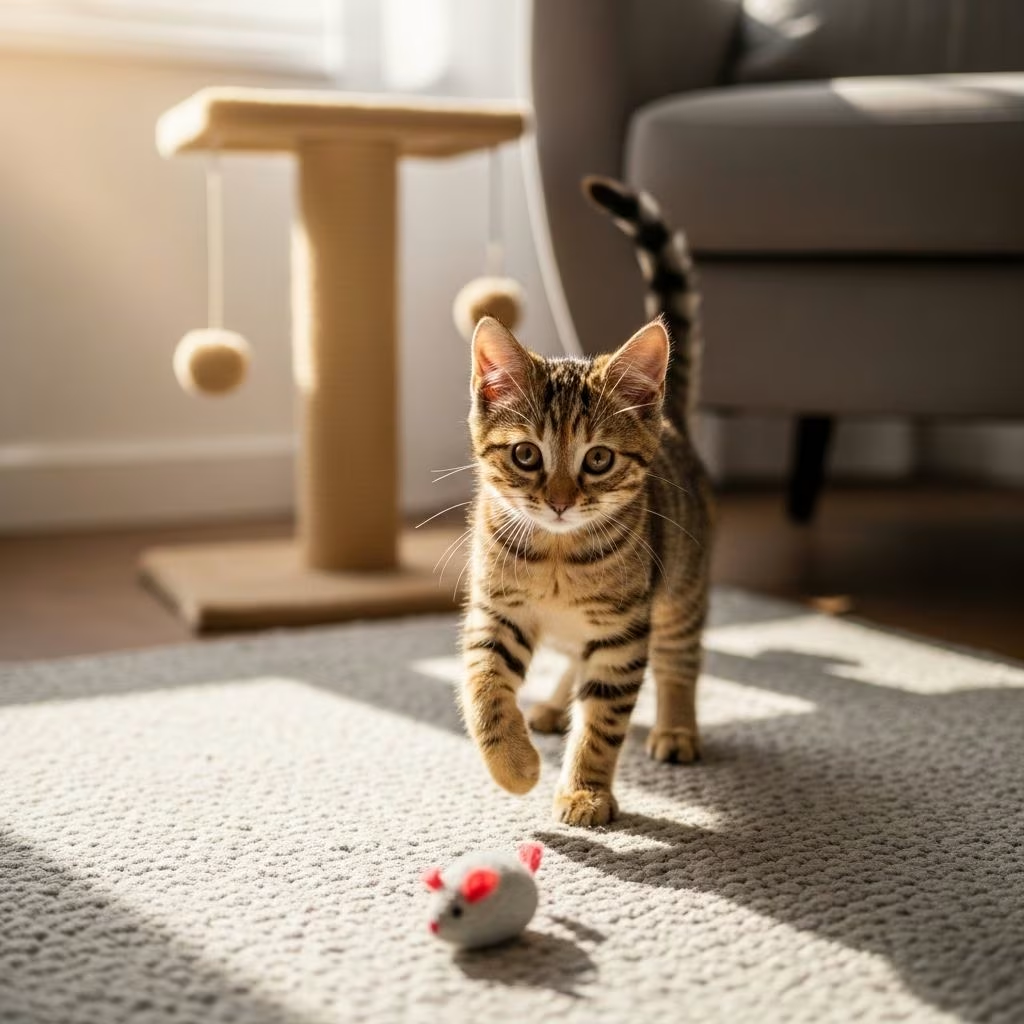
Bringing a kitten into your home marks the start of an exciting journey toward nurturing a well-adjusted, affectionate pet. Socialization during the early weeks lays the foundation for your kitten’s personality, helping them navigate the world with curiosity rather than fear. This comprehensive guide draws on expert veterinary and humane society recommendations to equip you with practical strategies for exposing kittens to new stimuli safely and effectively.
Understanding the Critical Window for Kitten Development
The prime period for kitten socialization spans from approximately 2 to 14 weeks of age, when young felines are most receptive to learning about their environment. During this phase, their brains are wired to form positive associations with humans, sounds, and objects, shaping behaviors that persist into adulthood. Missing this window can lead to heightened anxiety or aggression later, but proactive steps can mitigate risks even for slightly older kittens.
Research from animal behavior specialists emphasizes starting exposures as early as 4 weeks, pairing novel experiences with rewards to build neural pathways linked to pleasure and safety. Kittens separated from their mother too soon benefit immensely from human-led interventions mimicking natural litter interactions.
Creating a Secure Base for Your Kitten
Before diving into adventures, establish a safe haven. Designate a quiet room or elevated crate as your kitten’s sanctuary, stocked with bedding, litter, food, and water. Positioning it off the floor enhances their sense of security, allowing oversight of surroundings.
- Include familiar scents from their previous home to ease transitions.
- Play soft ticking sounds wrapped in a towel to replicate a mother’s heartbeat.
- Gradually introduce low-volume radio or TV to acclimate to human voices.
This base prevents overwhelm, providing a retreat during intense socialization sessions. Allow a 48-hour adjustment period post-adoption before active engagement, minimizing stress from relocation.
Harnessing Positive Reinforcement Techniques
At the core of successful socialization is positive reinforcement: linking new stimuli to treats, praise, or play. Offer high-value rewards like wet food or chicken baby food (onion- and garlic-free) within 3 seconds of a desired response.
| Stimulus Type | Reward Strategy | Expected Outcome |
|---|---|---|
| New Objects (e.g., leashes, clippers) | Treat upon sniffing or eyeing | Increased exploration confidence |
| Handling/Touch | Feed treats during petting | Comfort with grooming and vets |
| Sounds (doorbells, vacuums) | Gradual volume increase with treats | Calm response to household noises |
Always respect choice: if your kitten recoils, retreat and retry later. Forcing interactions fosters aversion, while voluntary engagement builds trust.
Mastering Human Interactions Step-by-Step
Expose kittens to diverse people slowly. Encourage visitors to use slow movements, averted gazes, and soft voices, letting the kitten initiate contact. Reward approaches with treats or wand toys to reinforce sociability.
- Sit quietly nearby during meals, gradually drawing food closer until they climb on you.
- Pet while eating, starting with chin and ears, progressing to full-body strokes.
- Practice holding close to your chest for warmth and heartbeat familiarity.
For shy kittens, use tools like toothbrushes or back scratchers for initial touch, advancing to hand petting. Aim for daily sessions, feeding in your presence to associate humans with nourishment.
Facilitating Play as a Socialization Supertool
Interactive play burns energy while forging bonds, simulating hunting to teach bite inhibition and appropriate play. Dedicate at least 2 hours daily, split into sessions, focusing on individual attention.
- Air Games: Feather wands for bird-like pursuits.
- Land Games: Tunnel chasers for rodent simulations.
- Progress from visual tracking to paw batting and full chases.
Play corrects rough behaviors naturally; kittens learn boundaries through mutual feedback. For fractious ones, towel-wrap or carrier holds during household activities normalize proximity.
Navigating Multi-Pet Introductions Harmoniously
Integrating a new kitten with resident cats requires patience. Begin with scent swapping via bedding or toys.
- Provide a solo safe space for the newcomer.
- Use barriers like baby gates for visual and olfactory exchanges, rewarding calm sniffing.
- Remove barriers once play signals emerge, intervening in fights with claps or water sprays.
Monitor body language: hissing warrants extended barrier time. Toys distract and promote positive interactions.
Desensitizing to Everyday Household Elements
Beyond people, acclimate to appliances, grooming tools, and carriers. Start volumes low for vacuums or doorbells, escalating only with maintained relaxation.
- Grooming: Pair brush sessions with treats from week 4.
- Carriers: Feed meals inside to build positivity.
- Health Checks: Regularly touch paws, ears, and mouths.
One stimulus at a time prevents overload; short, frequent exposures trump marathon sessions.
Addressing Challenges with Older or Feral Kittens
Kittens past 14 weeks or from feral backgrounds demand modified approaches. Use scent introduction via glasses ends or tools before direct contact. Progress trackers include:
- No hissing during approaches.
- Visual toy tracking.
- Full-body petting with food lures.
Ensure daily eating; overnight food access prevents refusal shutdowns. Consistency yields results, even if slower.
Frequently Asked Questions (FAQs)
What is the best age to start socializing a kitten?
The ideal window is 2-14 weeks, with intensive efforts from 4-12 weeks for optimal results.
How do I know if my kitten is overwhelmed?
Signs include flattened ears, dilated pupils, hiding, or avoidance. Pause and retreat immediately.
Can I socialize a feral kitten?
Yes, with gradual, force-free methods like play and food association, though it requires more time.
How much playtime is needed daily?
At least 2 hours, divided into sessions, tailored to individual energy levels.
What if my cats fight during introductions?
Revert to barriers, use distractions, and separate if aggression escalates.
Long-Term Benefits of Early Socialization
Well-socialized kittens grow into adaptable adults, excelling in vet visits, travel, and multi-pet homes. They exhibit reduced stress, better litter habits, and stronger human bonds, enhancing mutual joy. Consistency from multiple household members amplifies success.
References
- Kitten Socialization Checklist — San Diego Humane Society. Accessed 2026. https://sdhumane.org/resources/kitten-socialization-checklist/
- Kitten 101: Creating Positive Behaviors — Small Door Veterinary. Accessed 2026. https://www.smalldoorvet.com/learning-center/puppies-kittens/creating-positive-kitten-behaviors
- How to Socialize a Kitten — Alley Cat Allies. Accessed 2026. https://www.alleycat.org/community-cat-care/kitten-socialization-how-to/
- A Guide to Socializing Older (Fractious) Kittens — IAABC Journal. Accessed 2026. https://journal.iaabcfoundation.org/a-guide-to-socializing-older-fractious-kittens/
- Kitten Care: Top Tips for Healthy Kittens and Socialization — Rescue Disinfectants. Accessed 2026. https://dashboard.rescuedisinfectants.com/top-tips-for-healthy-kittens-and-socialization/
- Kitten Socialization – Pt 1 — The Cat Fanciers’ Association. Accessed 2026. https://cfa.org/cat-talk/kitten-socialization-pt-1/
- 2025 Socialization of Feral Kittens — American Association of Feline Practitioners (catvets.com). 2025. https://catvets.com/resource/2025-socialization-of-feral-kittens/



