

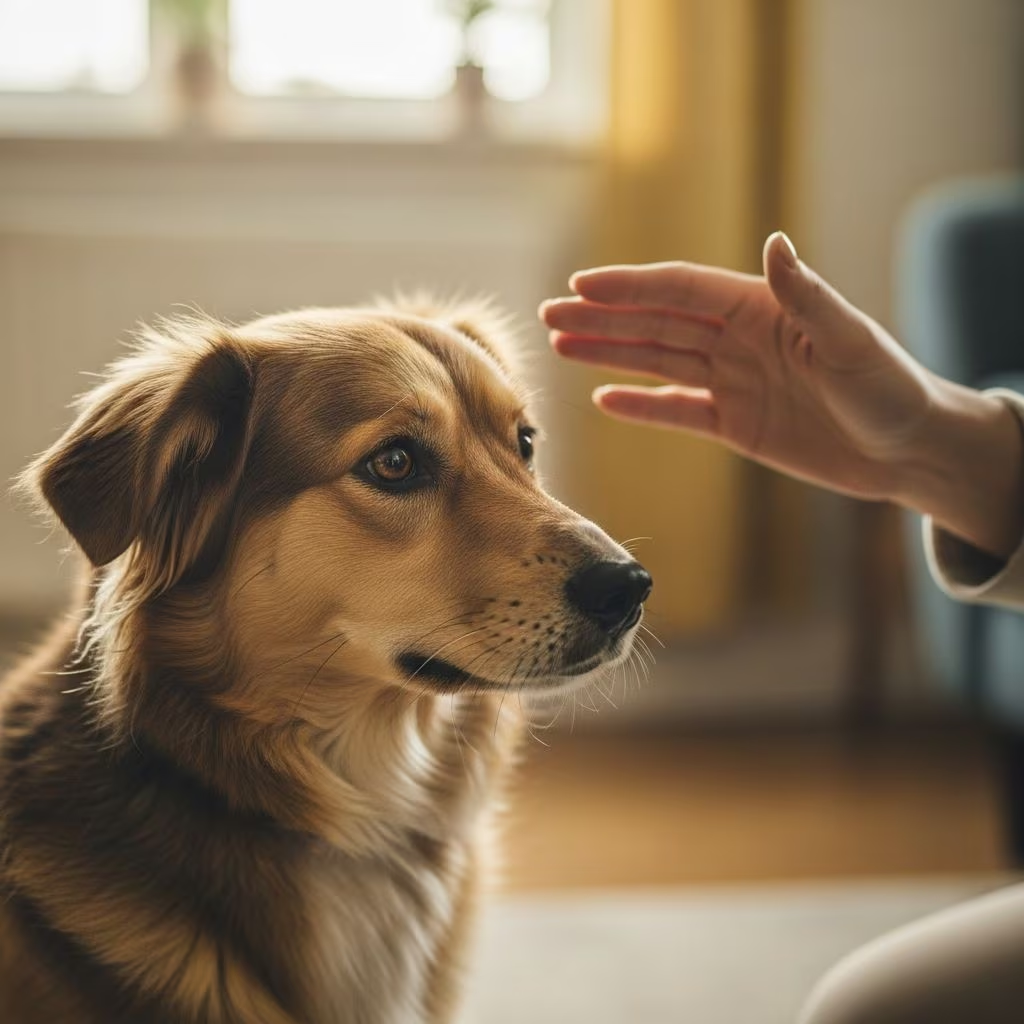
Shy or fearful dogs often face the world with hesitation, their tails tucked and ears pinned back. These behaviors stem from past experiences, genetics, or lack of socialization, but with consistent, compassionate training, they can develop resilience and enthusiasm. This guide draws on established veterinary and behavioral principles to outline a step-by-step approach for helping timid dogs flourish.
Understanding Fearful Behaviors in Dogs
Recognizing the signs of fear is the foundation of effective training. Dogs communicate discomfort through subtle body language: averted gaze, lip licking, yawning, trembling, or attempting to flee. Early detection allows owners to intervene before panic escalates.Common triggers include loud noises, strangers, other animals, or novel environments.
- Whale eye: Whites of the eyes visible as the dog looks away.
- Frozen posture: Stiff body with raised hackles.
- Displacement sniffing: Sniffing the ground to avoid the stressor.
Observing these cues helps identify specific fears, enabling targeted interventions. A predictable daily structure reduces overall anxiety by making the environment feel safe and controlled.
Establishing a Foundation of Trust
Trust forms the bedrock of confidence training. Start in a quiet, familiar space where the dog feels secure. Use high-value rewards like soft treats or favorite toys to associate your presence with positivity.
Daily routines provide stability. Feed meals at set times, maintain consistent walks, and designate a safe resting area. This predictability empowers the dog, fostering a sense of control.
| Routine Element | Benefit | Example |
|---|---|---|
| Scheduled Meals | Reduces anticipation anxiety | 7 AM and 6 PM feeding |
| Fixed Walk Times | Builds expectation of safety | 8 AM short loop, 5 PM longer outing |
| Quiet Downtime | Allows recovery from stimuli | Crate with toys post-walk |
Basic obedience commands reinforce this trust. Teach “sit” or “down” using lure-and-reward methods, gradually adding duration. Success in these tasks boosts self-esteem, proving the dog can influence its world positively.
Desensitization: Gradual Exposure Techniques
Desensitization involves exposing the dog to fear triggers at a low intensity, preventing overwhelm. The goal is to stay “below threshold,” where the dog remains relaxed enough to accept treats.
Begin far from the trigger—perhaps 20-30 feet from a stranger—and pair sightings with rewards. Only advance closer once the dog responds eagerly. This systematic approach rewires fear responses over time.
- Identify the trigger and measure threshold distance.
- Expose at sub-threshold level with high-value treats.
- Increment intensity slowly (e.g., 5 feet closer per session).
- Monitor body language; retreat if stress appears.
For noise phobias, play recordings at whisper volume during mealtime, increasing gradually. Patience is key; sessions should last 5-10 minutes to avoid fatigue.
Counterconditioning: Creating Positive Associations
Counterconditioning pairs the trigger with pleasure, shifting emotional responses. When the dog notices the stimulus below threshold, immediately offer something irresistible, like chicken bits or play.
This classical conditioning creates a positive emotional response incompatible with fear. For leash reactivity, walk at a distance where the other dog is visible but non-threatening, then reward heavily.
Pro Tip: Use a hungry dog for sessions, as appetite indicates low stress. If treats are refused, increase distance immediately.
Body Language and Interaction Strategies
Your demeanor profoundly impacts a shy dog. Approach sideways, at their level, avoiding direct stares. Scatter treats on the ground to let the dog choose engagement.
- Squat low with body turned away.
- Let the dog initiate contact.
- Use soft voices and slow movements.
Teach “touch” or nose targeting: Hold a fist near the dog’s nose until they bump it, then reward. This fun behavior redirects focus during scary encounters and builds approach confidence.
Leveraging Play and Social Learning
Play is a natural confidence builder. Start with solo games like tug or fetch in low-distraction areas, progressing to group settings. Dog sports such as agility introduce challenges without pressure, teaching obstacle mastery.
Pairing with a confident dog—via short, leashed “daisy chaining”—models bravery. The bold dog leads explorations, encouraging the timid one to follow and succeed.
Positive Reinforcement Training Essentials
Exclusively use reward-based methods. Punishment heightens fear, eroding trust. Clicker training excels for shy dogs: the precise “click” marks desired actions, followed by treats, in tiny increments.
Ignore unwanted behaviors, redirecting to alternatives. For jumping, ask for a sit instead. Patience accommodates slower learning; celebrate small victories lavishly.
Advanced Tools and Professional Help
Incorporate aids like lure sticks for heel training, extending treat delivery without looming over the dog. Long lines provide safety during outdoor practice.
If progress stalls, consult certified trainers or veterinarians. Rule out medical issues like pain contributing to fear. Medication may support severe cases alongside behavior modification.
Common Challenges and Solutions
| Challenge | Solution |
|---|---|
| Refusal to eat near triggers | Increase distance; use softer treats |
| Regression in new environments | Revert to basics; shorten sessions |
| Overstimulation in classes | Opt for private lessons initially |
FAQs
How long does it take to train a shy dog?
Progress varies; expect weeks to months with daily practice. Consistency yields results faster.
Can all fearful dogs be helped?
Most improve significantly with tailored plans. Severe cases benefit from professional assessment.
Is punishment ever okay?
No— it exacerbates fear. Stick to positive methods for lasting change.
What if my dog is aggressive when scared?
Manage triggers strictly; seek expert help to prevent bites.
Are puppies easier to train than adults?
Puppies adapt quicker, but adults respond well with patience.
Long-Term Maintenance
Once confident, maintain gains through ongoing training and socialization. Vary routines slightly to build adaptability. Regular check-ins ensure fears don’t resurface.
Transforming a shy dog requires commitment, but the reward—a joyful, trusting companion—is profound. By respecting their pace and celebrating progress, owners unlock their pet’s potential.
References
- Training a Dog With Anxiety: How to Train a Fearful Dog — American Kennel Club (AKC). 2023. https://www.akc.org/expert-advice/training/how-to-train-fearful-dog/
- 6 Tips for Winning Over Shy Dogs — ASPCA Professional. 2022. https://www.aspcapro.org/resource/6-tips-winning-over-shy-dogs
- Help your anxious or fearful dog gain confidence — Animal Humane Society. 2024. https://www.animalhumanesociety.org/resource/help-your-anxious-or-fearful-dog-gain-confidence
- Ask a Trainer – First Steps for Fearful Dogs — One Tail at a Time. 2023. https://www.onetail.org/portfolio/fearful-dogs/
- How to Help Your Fearful Dog — Clicker Training. 2023. https://clickertraining.com/how-to-help-your-fearful-dog/



