

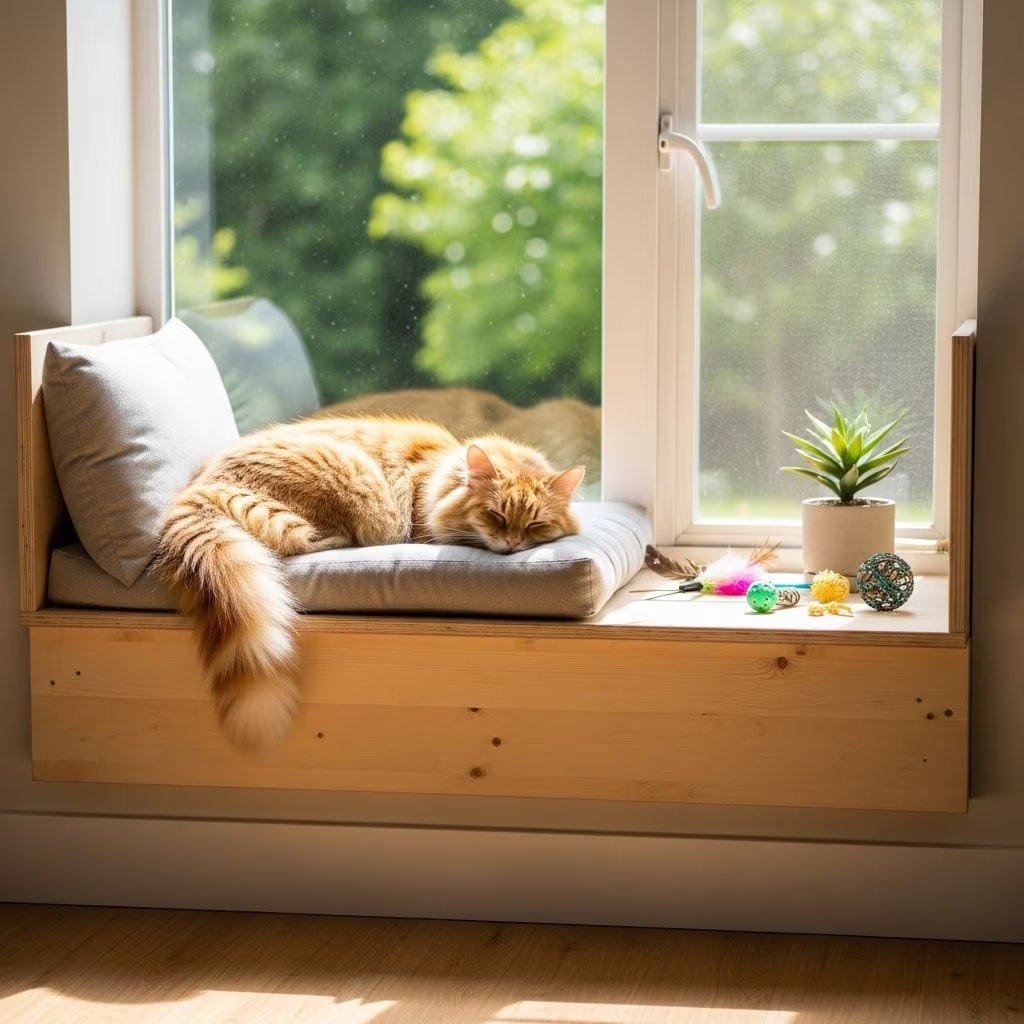
Cats naturally gravitate toward windows, drawn by the visual stimulation, warmth, and connection to the outdoor environment. Providing dedicated window perches allows your feline companions to indulge this instinctive behavior while keeping them secure and comfortable. Creating a custom window seat through DIY construction offers an affordable alternative to commercial cat furniture, enabling you to tailor the design to your specific window dimensions and home décor.
Why Window Perches Matter for Feline Wellness
Window access serves multiple purposes in a cat’s daily routine. The elevated vantage point provides mental stimulation through bird watching and outdoor observation, which veterinary behaviorists recognize as important enrichment activity. Natural sunlight streaming through windows contributes to vitamin D synthesis and regulates circadian rhythms, supporting overall health and sleep quality. Additionally, providing designated window seating prevents furniture damage that occurs when cats attempt to create their own perching spots on windowsills, shelves, or nearby furniture.
Research from feline behavior specialists indicates that environmental enrichment, including window access, reduces stress-related behaviors and destructive tendencies in indoor cats. A well-designed perch becomes a focal point for activity and relaxation throughout the day.
Essential Tools and Materials for Construction
Before beginning your project, gather the following items:
Power Tools and Hardware
- Miter saw or circular saw for precise cuts
- Cordless drill with various bit sizes
- Brad nailer or finish nailer for secure assembly
- Pocket hole jig for hidden fasteners
- Clamping system to hold pieces during assembly
- Measuring tape and carpenter’s square
Wood and Fastening Materials
- 1-inch thick hardwood or quality plywood for the main platform
- 1×4 and 1×2 dimensional lumber for support structures
- Wood screws (1.25-inch pocket hole screws recommended)
- Wood glue for joint reinforcement
- Wood filler for finishing
- Sandpaper in multiple grits (80, 120, and 150)
Finishing Materials
- Semi-gloss or satin finish paint or wood stain
- Pre-stain conditioner for hardwoods
- Polyurethane topcoat for durability
- Faux fur fabric or carpet remnant for cushioning
- Quilt batting for comfort padding
- Upholstery needle and heavy-duty thread
Design Variations and Construction Approaches
Window perches can be constructed using multiple methods, each offering distinct advantages. Understanding the options helps you select the approach best suited to your skill level and available tools.
Platform-Based Construction
The traditional platform design features a solid wooden base mounted directly to the windowsill. This approach provides maximum stability and weight capacity. Start with a piece of solid wood measuring approximately 12 by 18 inches, adjusting dimensions to fit your window opening. This becomes the primary lounging surface where your cat will rest.
Create support structures using angled brackets or triangular reinforcements cut from dimensional lumber. Cut two pieces of 1×4 lumber to approximately 10 inches at their longest point, with opposing 45-degree angles on each end. These angled supports create visual interest while providing structural reinforcement underneath the main platform.
Repurposed Tray Method
An alternative approach involves transforming an old serving tray into a window perch. This method requires minimal woodworking skills and materials. Simply secure the tray to the wall using heavy-duty shelf brackets and wood screws. The existing edges of the tray provide natural boundaries, preventing your cat from sliding off. Add a cushion inside for comfort and to match your home’s décor.
Pipe and Housing Design
For a modern aesthetic, consider constructing a perch using PVC piping and a cardboard concrete form. The concrete form creates a protective enclosure, providing privacy while maintaining an opening for viewing. This design works particularly well in contemporary homes and offers a unique alternative to traditional wood construction.
Step-by-Step Construction Process
Phase One: Planning and Measurement
Begin by measuring your window opening and sill dimensions. Consider your cat’s size and the available space. If you have multiple cats, plan for at least 18 inches of lounging space per animal. Check for any obstacles such as blinds, curtain rods, or heating vents that might interfere with the perch placement.
Create a template by holding cut pieces against the window to verify fit before making permanent attachments. This “dry fit” approach prevents mistakes and ensures the finished perch will function properly in your specific window.
Phase Two: Cutting and Initial Assembly
Using a miter saw, cut all wood pieces to your predetermined dimensions. Sand all surfaces with 80-grit sandpaper to remove rough spots and splinters that could injure your cat’s sensitive paws. Pay particular attention to edges where cats make contact.
Assemble support brackets by drilling pocket holes at strategic points. Pocket hole joinery keeps fasteners hidden, creating a finished appearance while avoiding visible nail heads or screw tops that require filling and sanding.
Phase Three: Securing Base Components
Place your main platform piece on the windowsill and position support brackets underneath. Use a right-angle square to ensure perfect alignment. Drill pilot holes before inserting wood screws to prevent splitting. Apply wood glue to all joints before fastening, creating stronger connections than fasteners alone.
Clamp pieces together while the glue dries to maintain proper alignment. This step is critical for creating a stable structure that won’t wobble when your cat jumps onto the perch.
Phase Four: Adding Edge Treatments
Attach 1×2 dimensional lumber pieces around three sides of the perch using a brad nailer and wood glue. These edge pieces prevent cats from overshooting and tumbling off the platform. Space fasteners every 4 to 6 inches for adequate support.
Fill all nail holes with wood putty, allowing it to dry according to manufacturer instructions. Sand the dried putty flush with the surrounding wood surface using fine-grit sandpaper.
Phase Five: Finishing and Protection
Apply your chosen finish, whether paint or stain. Semi-gloss finishes offer easy cleaning and durability, important considerations for a surface your cat will use daily. Apply pre-stain conditioner if using hardwoods to ensure even color absorption.
After paint or stain dries completely, apply polyurethane topcoat for protection against scratches, urine accidents, and general wear. This sealant extends the life of your DIY project significantly.
Phase Six: Cushion Creation
Construct a cushion using faux fur fabric and batting for comfort. Cut faux fur to match your platform dimensions, then cut matching batting. Place the fur right-side together and stitch three sides closed by hand using upholstery needle and heavy-duty thread.
Insert batting through the open side, then fold edges under and hand-stitch the final side closed. The cushion should fit snugly within the perch edging, preventing shifting during use.
Installation and Mounting Options
Window perches can be secured to the windowsill in several ways depending on your window type and home construction.
Direct Windowsill Mounting
For wood windowsills, bore pilot holes through the perch platform base and into the sill itself. Use 2-inch wood screws to create a permanent installation. Fill screw holes with wood putty and sand smooth after installation.
Suction Cup Attachment
Glass or vinyl windows work well with heavy-duty suction cup mounting systems. These removable installations leave no permanent marks and can be relocated easily. However, suction cups support less weight than screw mounting, limiting this method to smaller perches or single-cat use.
Bracket and Wall Mounting
For maximum stability with larger perches, mount heavy-duty shelf brackets to the wall beside the window using appropriate wall anchors for your wall type. This approach distributes weight to the home’s structural framework rather than relying solely on the windowsill.
Customization and Personalization
Your DIY window perch can be customized to match your home’s aesthetic and your cat’s preferences.
Color and Finish Coordination
Paint or stain your perch to complement existing trim, windowsills, or furniture. White semi-gloss finishes coordinate well with various interior styles and show minimal dust accumulation. Natural wood finishes highlight the beauty of hardwood grain patterns.
Fabric and Texture Options
Select cushion materials based on your cat’s preferences. Some cats prefer soft faux fur, while others enjoy natural carpet or sisal texture. Consider your home’s décor when choosing materials, and select washable fabrics for easy maintenance.
Enrichment Additions
Attach hanging toys, feather teasers, or dangling catnip toys near the perch to increase entertainment value. These additions encourage interaction and activity during window observation sessions.
Maintenance and Longevity
Regular maintenance extends your perch’s functional life and keeps it hygienic for your cat.
- Vacuum or brush the cushion weekly to remove loose fur and dust
- Spot-clean accidents immediately using enzymatic pet cleaner
- Inspect fasteners periodically and tighten if loosening is detected
- Check for splinters or rough spots that develop over time, sanding smooth as needed
- Reapply polyurethane topcoat annually to maintain water resistance
- Replace cushions if they become compressed or damaged
Troubleshooting Common Issues
Perch Wobbling or Movement
If your completed perch moves when your cat jumps on it, reinforce support brackets and check all fastener tightness. Add shims between the platform and windowsill if the sill is uneven. Consider using additional support brackets or triangular bracing underneath.
Inadequate Weight Support
Heavier cats require more substantial construction. Use thicker wood for the platform base and add additional support brackets. Ensure fasteners are appropriate for your wood type and fully tightened.
Water Damage and Deterioration
Condensation on windows can seep into wood, causing swelling and discoloration. Maintain proper indoor humidity levels and ensure your polyurethane topcoat is intact. Replace damaged wood sections promptly to prevent mold growth.
Frequently Asked Questions
What is the ideal height for a window perch?
Standard windowsills provide sufficient height for most cats, positioning them at approximately 24 to 48 inches above the floor depending on your windows. This height offers good viewing angles while remaining safe for jumping.
How much weight can a DIY perch support?
A properly constructed perch with adequate support brackets and secure fastening should support 40 to 60 pounds, sufficient for most domestic cats. Larger cats or multiple cats may require reinforced construction using thicker wood and additional bracing.
Can I install a perch on a vinyl or metal window frame?
Yes, using suction cup mounting or wall-mounted brackets provides secure installation without modifying vinyl frames. For maximum stability with non-wood windows, wall mounting distributes weight to the home’s structure.
What if my cat shows no interest in the perch?
Some cats require time to adjust to new furniture. Place the perch at a window with interesting outdoor activity. Use catnip or treats to attract your cat to the perch. Position it where your cat naturally congregates.
How do I clean a perch with a permanent cushion?
Vacuum weekly and spot-clean with enzymatic pet cleaner. For deep cleaning, consider a removable cushion design allowing easy washing. Removable cushions also enable seasonal updates with different fabrics.
References
- Pet Enrichment and Environmental Modifications for Indoor Cats — International Society of Feline Medicine. 2024. https://www.isfm.net/
- Feline Behavior and Environmental Enrichment — American Veterinary Medical Association. 2023. https://www.avma.org/
- DIY Window Perch Construction Techniques — Home Improvement and Pet Furniture Design. By Brittany Goldwyn. 2024. https://www.bybrittanygoldwyn.com/diy-cat-window-perch/
- Residential Woodworking and Furniture Construction Standards — Woodworking Institute. 2024. https://www.woodworkinstitute.org/



