Reserved Cats: 7 Gentle Ways To Build Affection
Transform your aloof feline into a loving companion through patience and proven techniques.
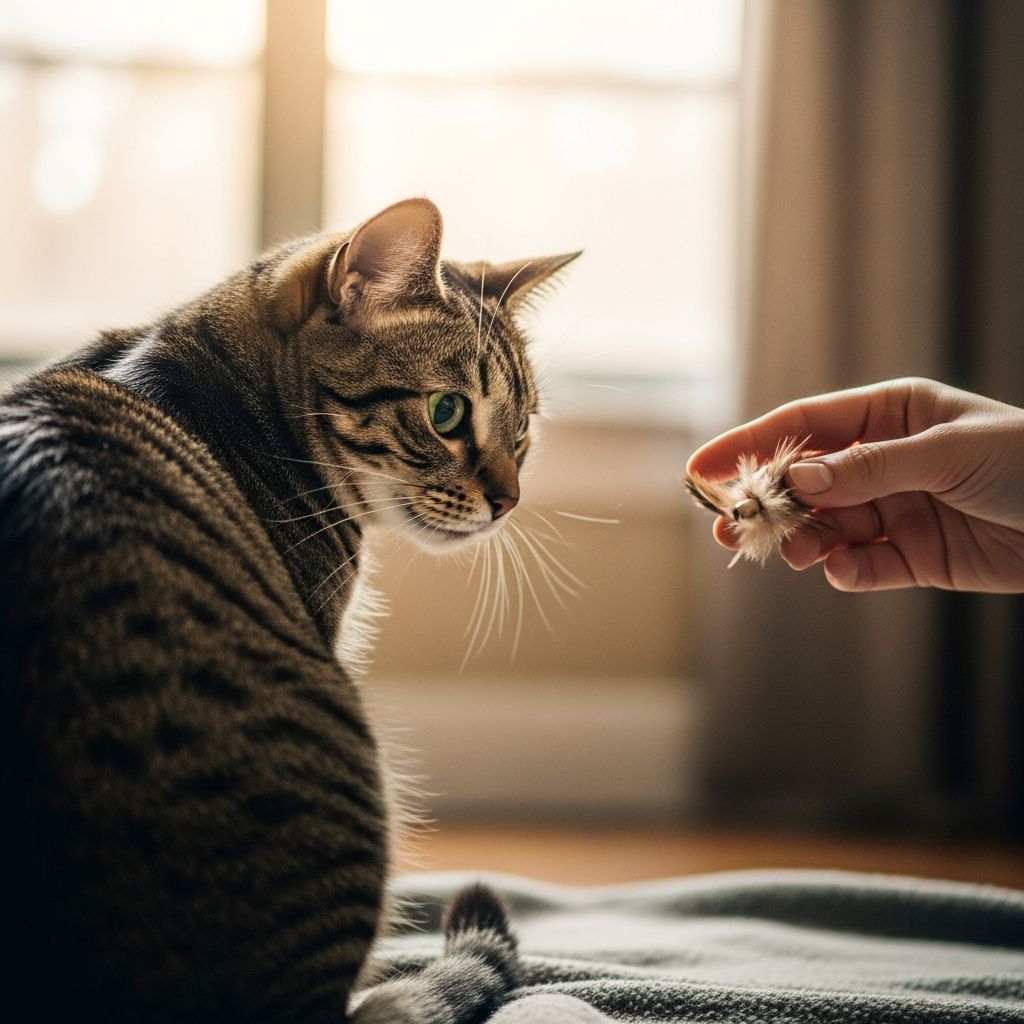
Building Affection With Reserved Cats: A Comprehensive Guide to Strengthening Your Bond
Many cat owners find themselves living with a feline companion that seems indifferent to their presence. Whether your cat hides in corners, avoids physical contact, or shows minimal interest in interaction, you may wonder if deeper affection is possible. The encouraging news is that most withdrawn cats can gradually become more sociable and affectionate through consistent, patient effort and the application of evidence-based behavioral techniques.
Understanding Why Some Cats Remain Aloof
Before attempting to change your cat’s behavior, it’s essential to recognize that feline personalities vary widely. Some cats are naturally more reserved due to genetics, early socialization experiences, or past trauma. Understanding your individual cat’s temperament helps you set realistic expectations and approach the bonding process with appropriate patience.
Early life experiences significantly influence how cats interact with humans. Kittens exposed to regular, gentle handling during critical developmental periods typically become more comfortable with human contact. Conversely, cats who missed these formative experiences may require extended periods to develop trust. Additionally, some cats simply have lower social needs and may never become lap cats—and that’s perfectly acceptable.
The Foundation: Creating a Safe Environment
Affection cannot flourish in an environment where your cat feels stressed or unsafe. Before implementing bonding techniques, ensure your home meets your cat’s basic environmental needs. These foundational elements create the prerequisite conditions for behavioral change.
- Environmental comfort: Provide clean, soft surfaces for resting and multiple perching areas at various heights. Cats feel secure when they can observe their surroundings from elevated positions
- Litter box maintenance: Clean litter boxes daily and maintain multiple boxes if you have one cat. Dirty facilities cause stress and damage the human-cat relationship
- Fresh water and quality nutrition: Keep water bowls clean and filled with fresh water. Feed high-quality cat food that meets nutritional standards
- Territory expansion: Cat trees, shelves, and vertical spaces allow cats to express natural climbing behaviors and feel in control of their environment
The Core Principle: Respecting Boundaries and Letting Your Cat Lead
One of the most counterintuitive yet effective strategies involves reversing conventional thinking about showing affection. Instead of pursuing your cat with petting and handling, adopt the practice of only offering affection when your cat approaches you. This fundamental shift in approach dramatically accelerates trust development.
This boundary-respecting method works because it allows your cat to maintain control over interactions. Cats that know they can approach without being forced into uncomfortable physical contact develop confidence in their human’s presence. Over time, your cat realizes that seeking proximity to you leads to positive experiences rather than forced handling.
When your cat does approach, respond with gentle gestures like light forehead pets or ear scratches rather than full-body petting. These softer touches mimic natural feline grooming behaviors and feel less invasive to reserved cats.
Building Positive Associations Through Rewards
Food-based positive reinforcement represents one of the most effective bonding techniques for aloof cats. Since most cats experience pleasure during mealtimes, this natural positive emotion can be extended to their human caregivers through strategic pairing of food with human presence.
Treat-Based Bonding Strategies
Treats serve as powerful motivators for behavioral change. Keep a sealed container of treats accessible near your relaxation areas. When your cat is nearby, randomly call them over for treats without any attempt at petting or handling. This creates a positive association with your presence and teaches your cat that coming to you yields rewards.
Gradually evolve this technique by offering treats while sitting near your cat, then placing treats in your hand, and finally offering treats during moments of gentle touch. The progression should always be dictated by your cat’s comfort level.
Meal-Time Bonding Opportunities
Feeding time provides an ideal window for positive association building. Place food in your cat’s bowl and gently pet them while they eat. Do this consistently at every meal. Most cats eventually associate the comfort of your touch with the pleasure of eating, extending positive feelings beyond mealtimes.
An advanced technique involves using especially desirable foods—such as wet food or premium treats—as opportunities for desensitization. Gently scoop your cat toward their feeding area using light touches on their body sides. Over time, this accustoms them to being picked up while focusing on the rewarding experience of eating.
Interactive Play as a Bonding Bridge
Play represents one of the most natural ways for cats to bond, as it mirrors behaviors they would naturally perform with littermates. Strategic play sessions create positive associations with your presence while providing necessary physical exercise and mental stimulation.
Establishing a Consistent Play Routine
Dedicate approximately 30 minutes daily to interactive play, ideally in the evening when cats are naturally more active. Consistency matters more than duration—regular, predictable play sessions build stronger bonds than occasional extended sessions.
Experiment with different toy types to identify your cat’s preferences. Some cats enjoy wand toys, others prefer small balls or crumpled paper that trigger hunting instincts. Once you identify favorites, use these consistently during play sessions.
Play-Based Desensitization
As your cat becomes more comfortable during play, you can gradually introduce light physical contact. If your cat is comfortable on the floor during play, you might place them on your lap while moving a wand toy. This combines the positive associations of play with proximity, making lap time feel rewarding rather than restrictive.
Understanding Catnip and Natural Mood Enhancement
Catnip produces genuine neurochemical effects in cats’ brains, temporarily enhancing mood and increasing social behaviors in susceptible individuals. Approximately 70% of cats respond to catnip, though response intensity varies widely.
Catnip-responsive cats may display increased affection, playfulness, and friendliness in the catnip’s presence. While the effect is temporary, strategically using catnip during bonding sessions can create positive associations with your presence and make interaction feel more enjoyable.
Verbal Communication and Gentle Vocalizations
Cats respond positively to calm, consistent vocal interaction. Speaking softly to your cat during petting or proximity reinforces your role as a benign, trustworthy presence. Your cat begins to associate your voice with safety and positive experiences.
Develop consistent verbal cues like a gentle greeting when you return home or before offering treats. Cats learn these patterns and may begin seeking you out in anticipation of positive interaction.
Clicker Training: Structured Bonding Through Positive Reinforcement
Clicker training represents a scientifically-supported bonding method that uses consistent auditory markers to reward desired behaviors. The technique works through clear communication—the click sound precisely marks the moment your cat performs a desired action, followed immediately by a reward.
Regular clicker training sessions serve multiple purposes: they create structured interaction time, allow your cat to achieve success and receive rewards, and give you a communication system that your cat learns to understand. These benefits combine to strengthen the human-cat bond while giving your cat agency in the relationship.
Advanced Desensitization Techniques for Touch-Averse Cats
Some cats resist physical contact despite positive associations with their owner. Gradual desensitization helps these cats develop tolerance and eventually comfort with touch. The key principle is advancing only as quickly as the cat allows without creating stress.
Begin with the lightest touch possible—fingertip contact on less sensitive areas like the forehead. Gradually extend duration as tolerance improves. Always stop before your cat shows signs of discomfort like tail swishing or ear flattening. By respecting these signals, you teach your cat that their boundaries matter, paradoxically increasing their willingness to allow more interaction over time.
Quality Time Without Physical Contact
Some cats may never become lap cats, and forcing this outcome causes stress rather than affection. These cats often prefer nearby companionship without direct physical contact. Respect this preference by spending time in the same room—reading, working, or watching television while your cat rests nearby.
This parallel presence strengthens your bond and allows your cat to experience your companionship on their terms. Many cats eventually seek closer contact after experiencing months or years of stress-free proximity, but others remain comfortable with this type of relationship. Both scenarios represent successful bonding outcomes.
Common Challenges and Solutions
| Challenge | Strategy |
|---|---|
| Cat hides when you approach | Reduce pressure by giving space; let them approach first; use treats to create positive associations with your presence |
| Cat swats during petting | Use shorter petting sessions; focus on head and ears; stop before aggressive behavior emerges; observe body language cues |
| No interest in toys | Try diverse toy types; experiment with different textures, movements, and sizes; incorporate treats with play |
| Won’t accept treats from your hand | Place treats on the floor initially; gradually move them closer; build tolerance over weeks; never force interaction |
| Resists being in your lap | Accept side-by-side sitting; respect preference for independence; focus on other forms of bonding like play and treats |
Measuring Progress and Setting Realistic Goals
Bonding with reserved cats requires patience measured in months rather than weeks. You may notice subtle progress before obvious behavioral changes: your cat looking at you before approaching, slower blinks when you make eye contact, or brief moments of purring. Celebrate these small victories as genuine progress.
Set realistic goals based on your individual cat’s personality. Goals might include: your cat approaching you once daily, accepting 30 seconds of gentle petting, or sitting within six feet of you while you relax. Achieving even modest goals represents successful relationship building.
When to Consult Behavioral Professionals
If your cat shows signs of stress, aggression, or extreme fearfulness despite gentle efforts, consult a feline behavior specialist or veterinary behaviorist. Some cats have underlying anxiety disorders, medical issues causing pain, or trauma histories requiring professional intervention. Professional guidance ensures you’re addressing the root cause rather than simply managing symptoms.
Key Takeaways for Success
- Respect your cat’s boundaries and allow them to initiate interaction
- Use food-based positive reinforcement to build associations with your presence
- Establish consistent daily play sessions to create bonding opportunities
- Implement gentle, gradual desensitization to touch
- Accept that some cats may never become lap cats—quality time nearby is still meaningful bonding
- Maintain patience and celebrate small behavioral shifts as genuine progress
- Ensure environmental needs are met before expecting behavioral changes
The Reward of Persistence
Transforming a reserved cat into a more affectionate companion requires consistent effort, genuine patience, and respect for your cat’s individual temperament. While not every aloof cat will become a stereotypical lap cat, most respond positively to these evidence-based techniques by developing deeper trust, increased comfort with their human, and more frequent displays of affection. The bond you build through respecting your cat’s autonomy while consistently offering positive experiences often becomes stronger and more authentic than relationships formed through forced interaction.
References
- How to Make Your Cat More Cuddly — Richmond Veterinary Clinic. https://rvetclinic.com/making-cat-more-cuddly/
- How Can I Make My Cat More Affectionate? — Catology. https://www.catology.com.au/how-to-make-cat-more-affectionate/
- How to Help Your Cat Become More Affectionate — LA Animal Services. https://www.laanimalservices.com/sites/default/files/2023-03/Affectionate-Cat-Talkative-Cat.pdf
- How to Get a Cat to Like You (Even If It Hates You) — Petful. https://www.petful.com/behaviors/how-to-get-a-cat-to-like-you/
Similar Articles








Read full bio of Sneha Tete