Build Your Own Glass Aquarium: Expert DIY Guide
Master the art of crafting a custom glass aquarium at home with precise steps, essential tools, and pro tips for a leak-proof masterpiece.
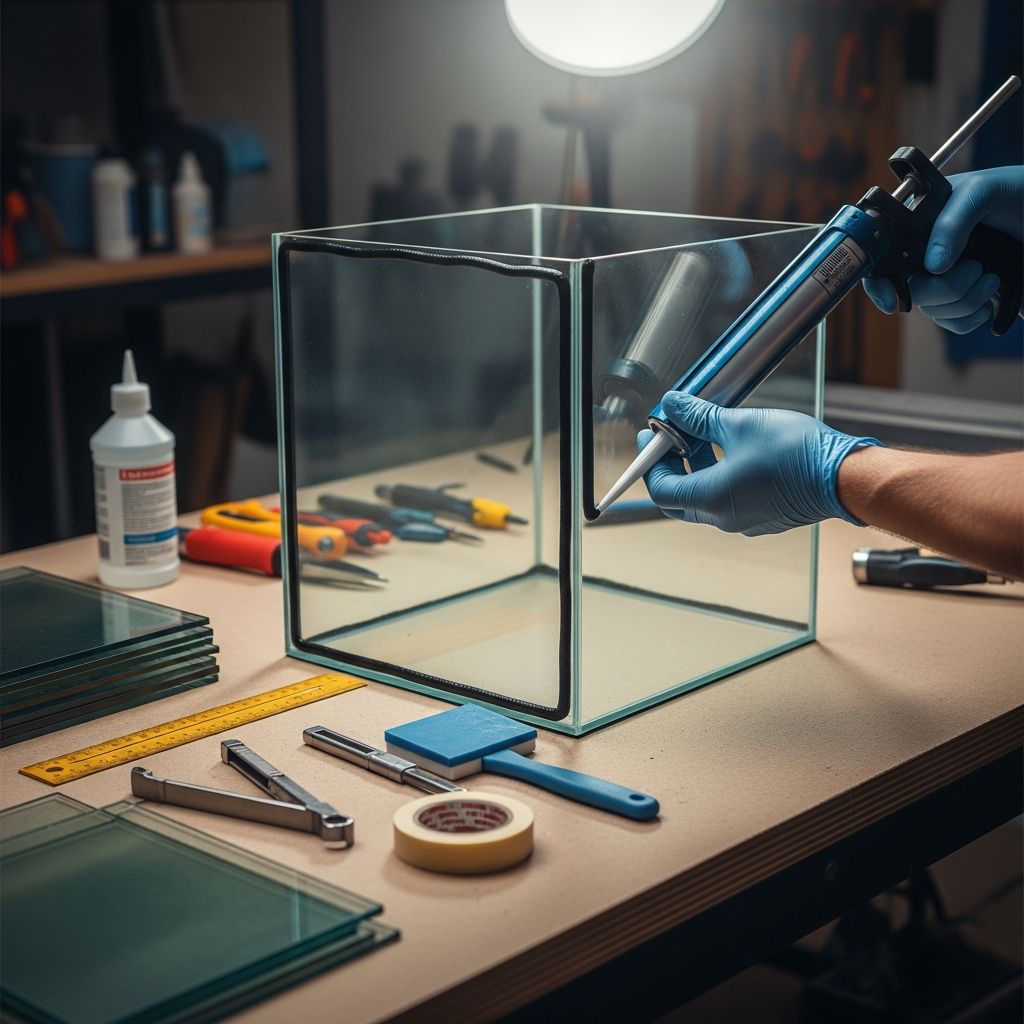
Constructing a custom glass aquarium offers aquarium hobbyists the freedom to design a tank tailored to their space, fish species, and aesthetic preferences. This process demands precision, quality materials, and patience to create a secure, leak-free environment for aquatic life. Whether you’re housing tropical fish, invertebrates, or live plants, a well-built tank enhances your setup’s longevity and visual appeal.
Why Choose a DIY Glass Aquarium?
Opting for a homemade glass tank over pre-made options provides several advantages. Customization allows for exact dimensions that fit awkward spaces or support specific aquascaping visions. Cost savings can be significant, especially with recycled or bulk-purchased glass. Moreover, the hands-on experience builds skills applicable to future projects, fostering a deeper understanding of aquarium mechanics.
Professional aquariums rely on annealed float glass for its clarity and strength, typically 4-10mm thick depending on tank volume. Larger builds over 100 gallons require thicker panes to withstand water pressure, preventing bowing or rupture. Success hinges on using 100% silicone sealant rated for aquarium use, which remains flexible and non-toxic after curing.
Essential Materials and Tools
Gathering the right supplies upfront prevents delays and ensures structural integrity. Focus on aquarium-grade components to safeguard inhabitants from chemical leaching.
- Glass panes: Single-strength (4mm) for small tanks under 20 gallons; 6mm for 20-55 gallons; 10mm or laminated for larger volumes. Source from glass suppliers for custom cuts.
- Silicone sealant: GE Silicone I or equivalent, clear, 100% RTV (room-temperature vulcanizing) without fungicides.
- Cleaning agents: Isopropyl alcohol (99%), lint-free cloths, razor blades for residue removal.
- Assembly aids: Painter’s tape or electrical tape, clamps, heavy weights (books or sandbags), straightedge or carpenter’s square.
- Cutting tools: Oil-filled glass cutter, running pliers, fine-grit diamond file or sandpaper (220 grit).
- Safety gear: Cut-resistant gloves, safety goggles, dust mask.
Budget approximately $1-2 per square foot for glass, plus $10-20 per cartridge of silicone. For a standard 40-gallon tank (36x18x16 inches), expect 5-7 panes and two silicone tubes.
Planning Your Aquarium Design
Begin with thorough planning to avoid costly errors. Calculate dimensions based on floor space, stand strength, and fish load. Rule of thumb: 1 inch of fish per gallon, factoring in adult size and waste production.
| Tank Size (Gallons) | Dimensions (L x W x H inches) | Glass Thickness | Est. Glass Cost |
|---|---|---|---|
| 10 | 20x10x12 | 4mm | $20-30 |
| 29 | 30x12x18 | 6mm | $50-70 |
| 55 | 48x13x21 | 6mm | $80-120 |
| 125 | 72x18x24 | 10mm | $200-300 |
Sketch a net diagram: bottom pane longest/widest, front/back matching length, sides matching width. Add 1/8-inch tolerance for silicone bedding. Verify stand levelness; uneven surfaces cause stress fractures. Consider euro-bracing (thinner glass strips along top edges) for spans over 24 inches to resist outward flex.
Preparing the Glass Panels
Cleanliness is paramount; contaminants weaken bonds. Work in a dust-free area on a padded, flat surface like plywood covered with towel.
- Inspect pre-cut glass for chips or defects. If cutting yourself, score along a straightedge with pistol-grip cutter dipped in cutting oil. Snap with pliers applying even pressure.
- Smooth edges: File burrs perpendicular to pane face, then at 45 degrees for rounded safety edges. Buff with 400-grit wet/dry sandpaper under water.
- Degrease: Wipe every inch with alcohol-soaked cloth, changing frequently. Dry completely; water dilutes silicone.
Test fit panels without adhesive to confirm squareness. Use a framing square; diagonals must measure equal within 1/16 inch.
Step-by-Step Assembly Process
Assembly follows a bottom-up sequence for stability. Allow 24-48 hours curing per seam before pressure testing.
Step 1: Bottom and Long Sides
Lay bottom pane on workbench. Apply continuous 1/8-inch bead of silicone along front and back edges. Position long panels (front/back) perpendicular, exterior faces down. Press firmly; excess silicone oozes out—indicator of good coverage. Tape corners securely, forming a U-shape. Weight down with 50+ lbs evenly distributed.
Step 2: End Panels and Squaring
After initial set (1 hour), apply silicone to bottom and long-side joints where ends attach. Insert side panels, aligning perfectly. Check squareness repeatedly with square and measuring tape. Reinforce all vertical seams inside and out with silicone fillets, smoothing with wet finger or tool for concave profile enhancing strength.
Step 3: Top Bracing and Curing
Add euro-braces if needed: Cut thin glass strips, silicone to top outer edges spanning front/sides. Tape holds position. Cure undisturbed in 70-80°F, low-humidity space for 7 days minimum. Silicone darkens from clear to black when fully set.
Leak Testing and Final Checks
Fill gradually: 1 inch/hour to 6 inches, pause 24 hours. Inspect for drips; dry and reseal if needed. Proceed to full fill over 48 hours. Place on leveled stand; shim if uneven. Run 1 week empty or with saltwater simulant before stocking.
Safety Precautions and Common Pitfalls
Prioritize safety to protect yourself and fish.
- Wear gear; glass shards cause severe lacerations.
- Ventilate for silicone fumes; non-toxic post-cure but irritating.
- Avoid plywood tanks without epoxy lining for freshwater; prone to rot.
- Mistake: Rushing cure time leads to catastrophic leaks.
- Mistake: Bottom glass thinner than sides—unsupported flex cracks it.
For overflows or sumps, drill holes pre-assembly using diamond bits at low RPM with coolant.
Advanced Customizations
Elevate your build with features like bow-front curves (specialty glass) or rimless designs for modern aesthetics. Integrate LED channels or plant shelves via internal dividers siliconed during assembly. Rimless tanks demand flawless seams and bracing.
Ongoing Maintenance for Longevity
A quality build lasts 20+ years with care. Annually inspect silicone for cracks; reapply as needed. Brace large tanks against seismic activity if in quake zones. Water changes prevent mineral buildup stressing joints.
Frequently Asked Questions (FAQs)
Can beginners build a glass aquarium?
Yes, with precise measurements and patience. Start small (10-20 gallons) to practice.
How long does silicone take to cure fully?
Surface dry in 24 hours; full strength in 7 days. Test incrementally.
Is regular silicone safe for fish?
No—must be 100% RTV aquarium-grade without additives.
What if my tank leaks after assembly?
Drain, dry thoroughly, apply fresh silicone over failed areas. Retest.
Can I build without cutting glass?
Yes, buy pre-cut from suppliers for safety and accuracy.
References
- DIY Glass Aquarium Plans & Step-by-Step Instructions — Dial A Vet. 2023. https://www.dialavet.com/blog/diy-glass-aquarium-plans-step-by-step-instructions
- HOW TO: Build A Glass Aquarium TUTORIAL — The King of DIY (YouTube). 2014-01-15. https://www.youtube.com/watch?v=HSKIT2OLOYQ
- DIY Making the All Glass Tank — Aquarium World NZ. Accessed 2026. https://aquariumworld.nz/forums/topic/61-diy-making-the-all-glass-tank/
Similar Articles








Read full bio of medha deb