

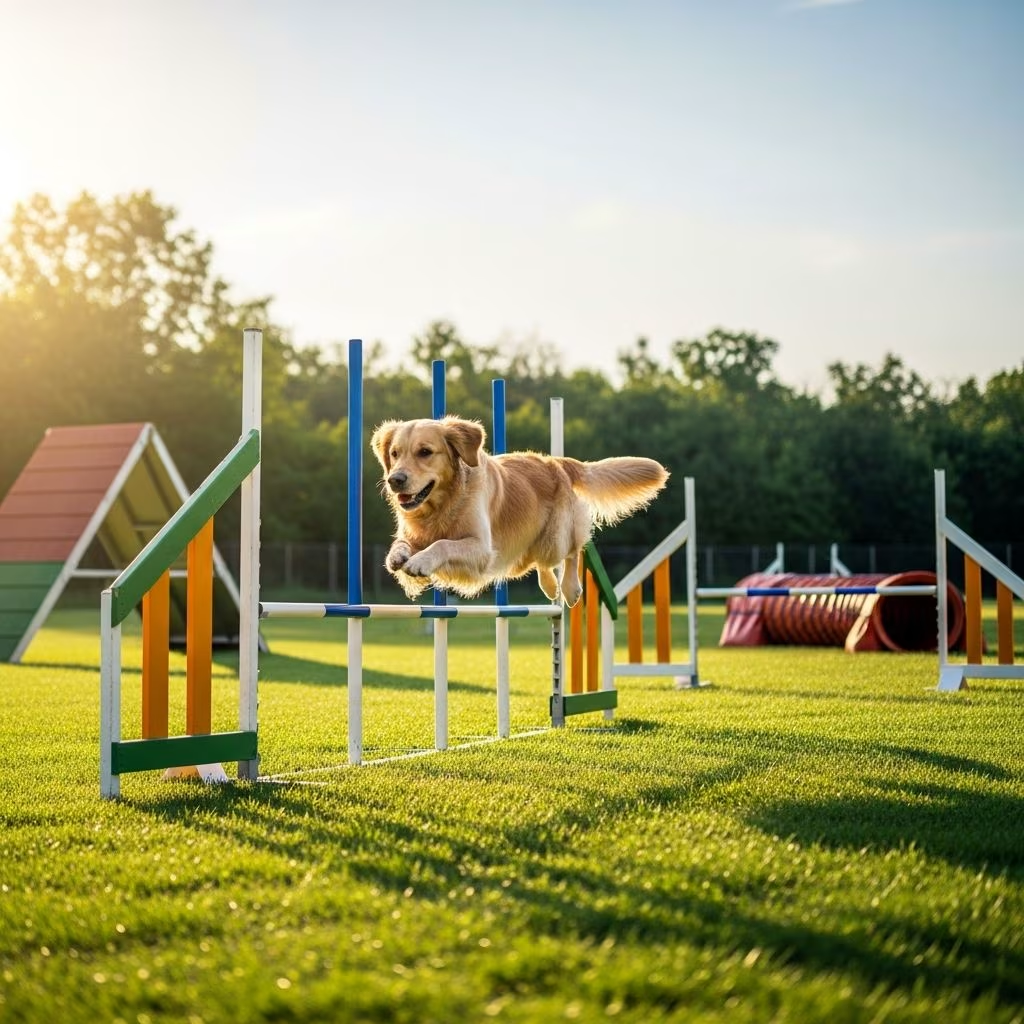
Creating a dog agility course at home offers an engaging way to exercise your pet while strengthening your bond. These setups challenge dogs physically and mentally, improving coordination, confidence, and obedience through fun activities.
Why Invest in a Home Agility Setup
Dog agility training originated as a competitive sport but has become popular for everyday pet enrichment. Regular sessions help burn energy, reduce destructive behaviors, and support joint health, especially for active breeds. Home courses allow practice anytime, tailored to your dog’s size and skill level, without the cost of commercial gear.
Benefits include enhanced cardiovascular fitness, better focus, and stress relief. Studies from veterinary sources note that structured play prevents obesity and supports mental sharpness in dogs of all ages.
Evaluating Your Space and Dog’s Needs
Begin by surveying your yard, garage, or indoor area. A minimum 20×30 foot space accommodates basic obstacles, but smaller areas work with modular designs. Measure dimensions and note flat, grassy surfaces ideal for stability.
- Small spaces: Use foldable or stackable items like chair jumps.
- Large yards: Incorporate full sequences with tunnels and seesaws.
- Indoor options: Soft tunnels from pool noodles for apartments.
Match equipment to your dog’s profile: puppies start low-impact, while energetic adults handle advanced challenges. Consult breed traits—herding dogs excel at weaves, hounds at speed.
Essential Materials for Construction
PVC pipes dominate DIY builds for their lightness, durability, and low cost. Gather these basics:
| Item | Purpose | Quantity Example |
|---|---|---|
| PVC Pipe (1/2-inch to 1-inch diameter) | Frames, poles | 50-100 feet assorted lengths |
| PVC Fittings (tees, elbows, crosses) | Joints | 20-30 pieces |
| Wood (plywood, 2x4s) | Ramps, tables | 4×8 sheets |
| Tools: Saw, drill, sandpaper, tape | Assembly | Basic set |
Additional items: non-slip paint, rungs, stakes for anchoring. Total cost under $200 for a full beginner course.
Step-by-Step: Building Core Obstacles
Adjustable Jumps
Jumps build speed and accuracy. Standard heights: 8-24 inches based on shoulder height.
- Cut PVC: two 18-inch legs per side, 48-inch bar, base pipes.
- Assemble uprights: 4-way fitting at base, insert legs, add jump cups from cut tees.
- Connect sides with bar; add tape for visibility.
- Secure base with end caps or stakes.
Test adjustability by swapping bar heights. Dogs knock bars safely without injury.
Weave Pole Stations
Weaves teach footwork. Use 6-12 flexible poles spaced 24 inches apart.
- Base: Two parallel PVC frames with tees.
- Insert 40-inch uprights into tees.
- Align on flat surface, drill and screw for straightness.
- Anchor ends with elbows and ground stakes.
Train gradually with luring before full speed.
Seesaw (Teeter-Totter)
This balance challenge boosts confidence. Base height matches jump class.
- Build box frames: elbows, 19-inch pipes, tees.
- Connect with crosspieces; leave one loose for pivot.
- Add 8-10 foot plywood plank, sanded and painted non-slip.
- Balance on fulcrum pipe; tape base for visibility.
Safety tip: Start with held teeters to acclimate your dog.
A-Frame Ramp
The A-frame demands climbing strength. Peak at 5-6 feet for adults.
- Cut two 4×8 plywood sheets into 4-foot wide ramps.
- Frame with 2x4s; attach rungs every 12 inches.
- Hinge at top with chain or pipe; angle at 55-60 degrees.
- Paint with sand-textured grip; add contact zones.
Secure base to prevent slipping.
Tunnel and Pause Table
Tunnels: Sew fabric over hula hoops or buy cheap vinyl, stake ends.
Pause table: 36-inch square plywood on PVC legs at 12-24 inches high. Teach ‘stay’ here.
Advanced Obstacles for Progression
Once basics master, add:
- Tire Jump: Hang bike tire from frame.
- Chute: Fabric over angled frame.
- Dog Walk: Elevated plank with ramps.
Safety Guidelines and Best Practices
Prioritize welfare: Use rounded edges, stable bases, weatherproof materials. Monitor for fatigue; warm up with walks. Heights per USDAA standards: small dogs 8-12 inches, large 20-24.
- Supervise all sessions.
- Clean equipment regularly.
- Consult vet for joint issues.
Training Your Dog on the Course
Start simple: One obstacle, positive reinforcement with treats/toys. Sequence gradually into flows. Sessions: 10-15 minutes, 3-5 days weekly.
Commands: ‘Tunnel’, ‘Over’, ‘Weave’. Fade lures over time.
Course Layout Strategies
Map first: Align long axis with space; mark with tape. Place contacts/weaves first, then jumps. Ensure 10-foot handler zones.
Maintenance and Storage Tips
Disassemble PVC easily; store in garage. Refresh paint yearly; check wood for splinters.
Frequently Asked Questions
What’s the best age to start agility?
Puppies after 6 months; adults anytime with health clearance.
Can any dog do agility?
Yes, adapted for size/ability. brachycephalic breeds skip high jumps.
How much space do I need?
Minimum 15×20 feet for basics; 40×60 ideal.
Is PVC safe for dogs?
Yes, lightweight and knock-down friendly.
How to introduce new obstacles?
Pair with rewards; build confidence slowly.
References
- How To Build a DIY Dog Agility Course — This Old House. 2023. https://www.thisoldhouse.com/pets/how-to-build-a-dog-agility-course
- Dog Agility Jump — Instructables. 2022. https://www.instructables.com/Dog-Agility-Jump/
- Creating Your Own Dog Agility Course at Home — A Peaceful Pack. 2024. https://www.apeacefulpack.com/post/creating-your-own-dog-agility-course-at-home-exercise-meets-fun
- How to Build Your Own Dog Agility Course at Home — CVCA Vets. 2020-03-12. https://www.cvcavets.com/blog/how-to-build-your-own-dog-agility-course-at-home
- How to Build an A-Frame Agility Ramp — Butte Humane Society. 2023. https://buttehumane.org/how-to-build-an-a-frame-agility-ramp/
- How to Build Dog Agility Courses — AgilityNerd. 2024. https://www.agilitynerd.com/blog/agility/equipment/how-to-build-agility-courses/



