

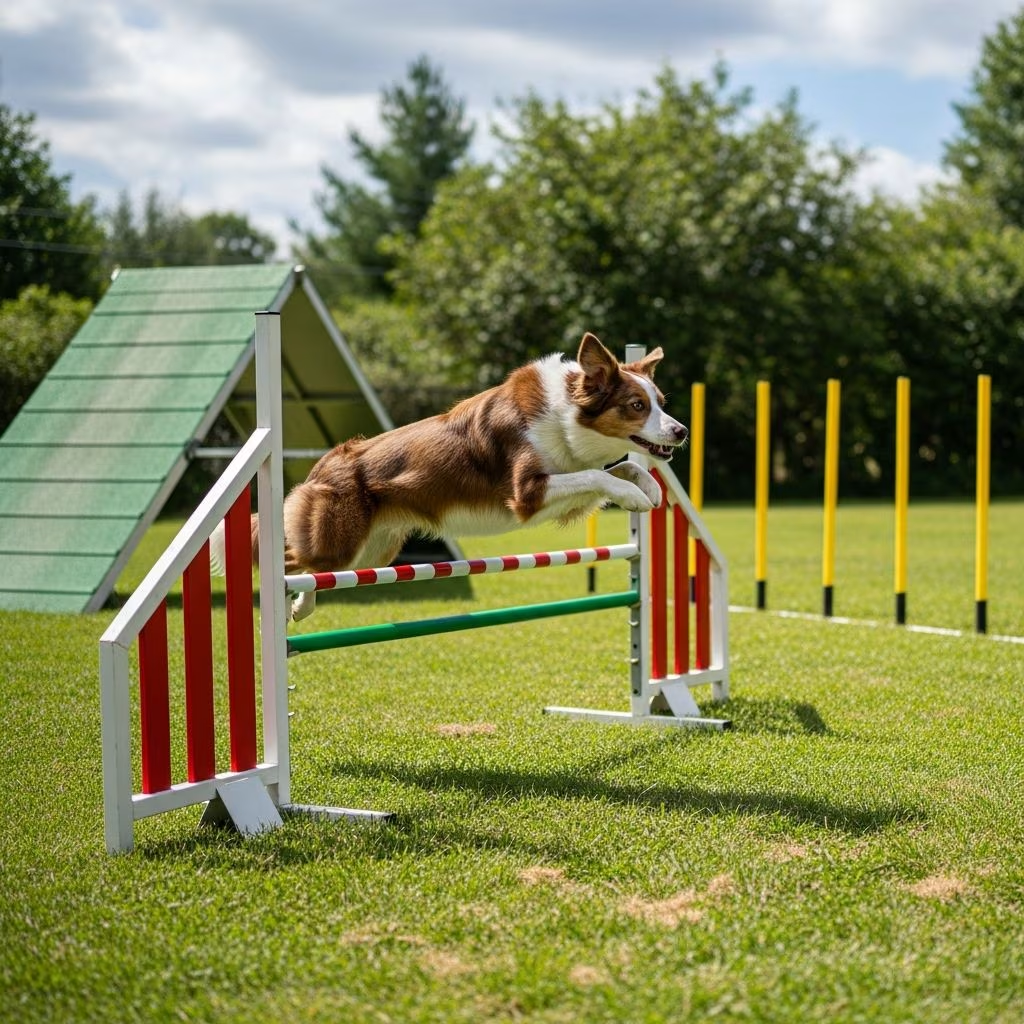
Creating a DIY dog agility course at home transforms everyday spaces into exciting training arenas that enhance your canine companion’s physical prowess, mental sharpness, and overall happiness. This activity draws from competitive dog agility sports, where handlers guide dogs through timed obstacle sequences, but adapts it for backyard or indoor fun without needing professional gear.
Why Invest Time in Home Agility Training?
Dog agility training offers multifaceted benefits beyond mere entertainment. It promotes cardiovascular health, strengthens muscles, and improves joint flexibility, helping prevent obesity—a common issue in pets. Mentally, navigating obstacles sharpens focus, problem-solving skills, and responsiveness to cues, fostering a deeper handler-dog partnership. Regular sessions, even short ones, reduce destructive behaviors by channeling energy productively.
For puppies and seniors alike, scaled-down courses build confidence and coordination. Breeds like Border Collies or Australian Shepherds thrive due to their herding instincts, but any dog can participate with adjustments for size and age. Studies from veterinary sources highlight how such exercises support holistic wellness, akin to structured play therapy.
Essential Gear for Your Custom Course
Start with basic, budget-friendly items sourced from home or affordable stores—no need for expensive kits initially. Focus on versatility and safety to ensure progressive challenges.
- Jumps: Use broomsticks balanced on chairs or PVC pipes for adjustable heights. Begin low (inches off ground) to avoid intimidation.
- Tunnels: Cardboard boxes, old tires, or kids’ play tunnels work perfectly. Cut ends open for easy passage and gradual length increases.
- Weave Poles: Arrange cones, dowels, or bottles in a zigzag line to teach dexterity.
- Balance Elements: Planks on cushions mimic seesaws or beams for core stability.
- Contact Zones: Marked mats or taped areas on ramps for paw placement practice.
High-value rewards are crucial: opt for small, soft treats like freeze-dried liver or cheese bits that motivate without filling up your dog. A clicker enhances precision timing for behaviors.
Planning Your Training Space
Assess available areas—backyards suit expansive setups, while living rooms fit compact indoor versions. Ensure 10×20 feet minimum for flow, with clear boundaries to prevent wandering. Outdoors, level grass or soft dirt; indoors, clear furniture and use rugs for traction.
| Space Type | Pros | Cons | Best Obstacles |
|---|---|---|---|
| Backyard | Ample room, natural footing | Weather dependent | Jumps, tunnels, A-frames |
| Indoor | Weather-proof, controlled | Space limits | Weaves, low jumps, pauses |
| Park | Varied terrain | Distractions, permissions | Portable jumps, tunnels |
Layout courses in sequences: start with straightaways for speed, add turns for directional control. Rotate setups weekly to maintain novelty and prevent boredom.
Mastering Training Fundamentals
Success hinges on positive reinforcement and patience. Prerequisite skills include reliable sit, stay, and come commands. Sessions last 5-15 minutes, 3-5 times weekly, ending on high notes.
Step-by-Step Introduction Process
- Exploration Phase: Scatter treats around gear for 2-3 days. Let sniffing build familiarity without pressure.
- Single Obstacle Focus: Lure with treats in hand near nose, guiding gently. Reward partial efforts profusely.
- Command Integration: Pair verbal cues like “tunnel” or “over” with actions, fading lures over time.
- Sequence Building: Chain 2-3 obstacles, using clicker for completions. Add speed cues like “go-go.”
For tunnels, toss toys inside initially; for jumps, walk together over low bars on-leash. Weave training starts wide, narrowing poles as proficiency grows.
Safety Protocols Every Handler Must Follow
Prioritize injury prevention: inspect gear for stability, avoiding slips on slick surfaces with mats. Monitor breed-specific limits—short-legged dogs skip high jumps; arthritic pups use padded landings.
- Use non-toxic, chew-proof materials.
- Warm up with walks to loosen muscles.
- Supervise fully; stop if signs of fatigue appear (panting, avoidance).
- Vet-check clearance for high-impact activities.
Common faults like bar knocks or refusals are learning opportunities—never punish, as fear erodes trust.
Scaling Challenges for Advanced Play
Once basics click, elevate: raise jumps incrementally, curve tunnels, or add off-angle weaves. Introduce motion like rolling pauses or handler movement away for independence.
Track progress with timers for competitive flair, aiming for fluid runs. Vary rewards—toys for play drives, treats for foodies—to sustain engagement.
Indoor Adaptations for Year-Round Fun
Winter or small homes? Shrink scale: hula hoops for jumps, couch cushions for beams, hallway weaves with chairs. These maintain benefits like coordination and obedience boosts.
Breed and Age Considerations
Tailor to your dog: high-energy herders love speed; brachycephalics (e.g., Pugs) need breathers. Puppies under 18 months avoid steep contacts to protect growth plates; seniors focus on low-impact balance.
Common Hurdles and Fixes
- Fear of New Gear: Slow desensitization with play.
- Distraction-Prone: Train in quiet spots first.
- Plateaus: Change sequences or add handlers.
FAQs
What age can dogs start agility?
Puppies from 6-8 months with basics; full intensity post-growth (1-2 years).
How often should we train?
Short daily bursts beat long infrequent ones for retention.
Can lazy breeds do this?
Yes—modify for Bulldogs or Bassets with ground-level fun.
Do I need a clicker?
Optional but effective for marking precision.
Transition to competitions?
Join AKC or USDAA clubs after home mastery.
Embrace this journey for a fitter, happier dog and unbreakable bond through shared triumphs.
References
- Dog Agility Training: How to Build Dog Obstacle Course — K9 Connoisseur. 2023. https://k9connoisseur.com/blogs/news/dog-agility-training
- Mastering Indoor Obstacle Courses: A Fun Guide to Training Your Dog — Dog Training Michigan. 2024. https://dogtrainingmichigan.com/mastering-indoor-obstacle-courses-a-fun-guide-to-training-your-dog/
- Dog Agility Training: How To Get Started (And Good) — Tractive. 2023. https://tractive.com/blog/en/training-en/agility-training-for-dogs
- Beginner’s Guide to Dog Agility: Intro to Get Started — Spot On Agility. 2024. https://www.spotonagility.com/blog/2
- A Beginner’s Guide to Dog Agility — 3 Lost Dogs. 2023. https://www.3lostdogs.com/a-beginners-guide-to-dog-agility/
- Agility Training for Dogs: How to Get Started — Purina. 2025. https://www.purina.com/articles/dog/behavior/training/agility-training-for-dogs
- Agility: Get Started — American Kennel Club (AKC). 2025-02-01. https://www.akc.org/sports/agility/getting-started/



