

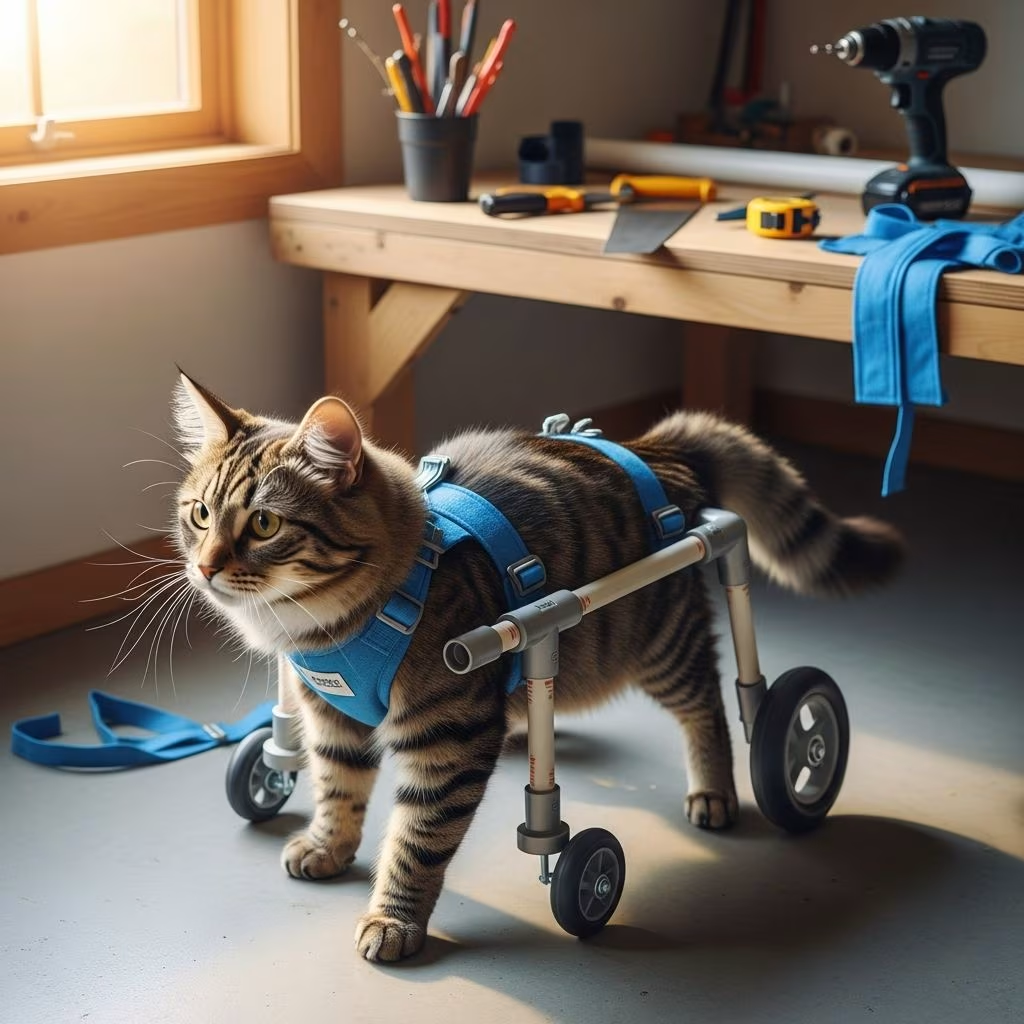
Creating a DIY cat wheelchair offers pet owners an accessible way to help cats with mobility impairments, such as hind leg paralysis or weakness, navigate their world comfortably. These homemade devices, often made from PVC pipes and small wheels, provide essential support while allowing natural movement. This guide explores various designs, from basic carts to advanced walkers, ensuring you can select or adapt a plan suited to your cat’s size and needs.
Why Cats Need Mobility Aids
Cats facing paralysis, injuries, or congenital conditions benefit greatly from wheelchairs that lift and propel their hindquarters. Unlike commercial options that can cost hundreds, DIY versions use everyday hardware store items, keeping expenses under $50. Proper fit prevents skin sores and encourages exercise, improving quality of life.
Essential Measurements Before Building
Accuracy in sizing is crucial for comfort and functionality. Measure your cat’s:
- Distance from ground to belly (for frame height).
- Length from hips to tail base (for support sling).
- Width between hind legs (for wheelbase stability).
- Overall body length (to avoid front leg interference).
Record these in inches, adding 1-2 inches for growth or padding. Test fit with a towel sling first to refine dimensions.
Comparing DIY Cat Wheelchair Designs
Choose based on your cat’s condition: rear support for hind weakness, front for forelimb issues, or full carts for complete paralysis. Here’s a comparison:
| Design Type | Cost Estimate | Difficulty | Best For | Sources |
|---|---|---|---|---|
| Rear Support Walker | $20-30 | Easy | Hind leg paralysis | |
| Front Leg Cart | $25-40 | Intermediate | Forelimb support | |
| Wagon-Based Full Cart | $15-35 | Easy | Total mobility loss | |
| Sling Cradle Walker | $20-30 | Easy | Therapy & recovery |
Plan 1: Basic PVC Rear Walker
This straightforward design uses PVC for a lightweight frame supporting the hind end, ideal for cats relearning to walk.
Required Materials
- 1/2-inch PVC pipes (various lengths based on measurements).
- PVC elbows, tees, and crosses (8-12 pieces).
- 4 caster wheels (2-inch diameter).
- Pet harness or nylon straps.
- Foam padding and duct tape.
Tools Needed
- PVC cutter or hacksaw.
- Drill with 1-inch bit.
- Measuring tape and sandpaper.
Step-by-Step Assembly
- Cut pipes: two 21-inch for sides, four 3.5-inch for crossbars, two 7-inch for height.
- Assemble U-shape base with tees for wheels; insert caster axles.
- Build parallel side frames connected by top crossbar for harness attachment.
- Pad contact points; secure with PVC cement.
- Fit harness through frame slots, adjusting for leg clearance.
Total build time: 30-60 minutes. Test on carpet first.
Plan 2: Secure Harness Cart for Active Cats
Designed for energetic felines, this adds cross-straps and a backrest for stability during play.
Key Features
- Reinforced PVC joints.
- Velcro abdominal sling.
- Swivel casters for maneuverability.
Build Variations
Extend side pipes for larger cats; replace foam with breathable mesh for hot climates. Difficulty: Moderate.
Plan 3: Budget Wagon Conversion
Repurpose a toy wagon for a sturdy, low-profile cart perfect for small breeds.
Materials List
- Small metal wagon.
- Wire rope and clamps.
- Pet harness and cushion.
Construction Steps
- Saw wagon in half lengthwise using a jigsaw.
- Attach wheels to PVC extensions if needed.
- Secure harness with wire rope through drilled holes.
- Add padding for comfort.
Pros: Extremely durable; Cons: Heavier than pure PVC.
Plan 4: Front Support Platform
Rare but vital for cats with front injuries, this uses a flat board on axles.
Adaptations
- Wood or foam platform (12×8 inches).
- Bike axle and small wheels.
- Straps to secure chest.
Attach via screws; ensure smooth edges.
Plan 5: Custom Fabric Sling System
A hammock-style support minimizes pressure points, great for therapy.
Sewing Guide
- Trace cat’s leg spacing on fabric.
- Cut holes; sew reinforced loops.
- Thread through PVC frame ends.
Use old t-shirts for softness.
Safety Tips for DIY Builds
- Stability Check: Test on flat surfaces; add cross-bracing if wobbly.
- Padding Priority: Wrap all frame parts touching skin.
- Fit Adjustments: Weekly checks for weight changes.
- Vet Approval: Consult for underlying conditions.
- Escape-Proofing: Double-secure harnesses.
Avoid sharp edges and ensure wheels lock if possible.
Training Your Cat to Use the Wheelchair
Introduction takes patience:
- Place in quiet area with treats nearby (days 1-2).
- Short sessions (5 mins) with harness only.
- Encourage movement with toys; praise successes.
- Gradually increase time outdoors.
Most cats adapt in 1-2 weeks.
Cost Breakdown and Sourcing
| Item | Avg. Cost | Where to Buy |
|---|---|---|
| PVC Pipes (10 ft) | $5 | Hardware stores |
| Caster Wheels (4) | $10 | Online or home centers |
| Harness/Straps | $8 | Pet supply shops |
| Misc (tape, foam) | $7 | Dollar stores |
Total under $30 for most plans.
Common Mistakes to Avoid
- Oversized frames causing tipping.
- No padding leading to chafing.
- Poor wheel choice (use small, durable casters).
- Ignoring cat’s resistance—go slow.
Frequently Asked Questions
Can I use this for kittens?
Scale down pipes to 3/8-inch; monitor growth monthly.
How long does a DIY wheelchair last?
1-3 years with maintenance; PVC withstands indoor use well.
Is wood a good alternative to PVC?
Possible but heavier; seal against moisture.
What if my cat rejects it?
Try different slings or consult a vet for alternatives.
Are there videos for guidance?
Yes, search for PVC pet cart tutorials for visuals.
Advanced Customizations
Add brakes with zip ties on axles or LED lights for night use. For heavy cats, upgrade to 3-inch wheels. Integrate with pet strollers for transport.
References
- 8 Amazing DIY Cat Wheelchair Plans You Can Build at Home — Catster. 2023. https://www.catster.com/lifestyle/diy-cat-wheelchair/
- 7 DIY Cat Wheelchair Plans You Can Make Today (with Pictures) — Hepper. 2023. https://articles.hepper.com/diy-cat-wheelchair-plans/
- How to make a cat wheelchair cart in 10 minutes for 20$ — YouTube (Sara Hill). 2020-01-01. https://www.youtube.com/watch?v=Y2kCKgotypU



