

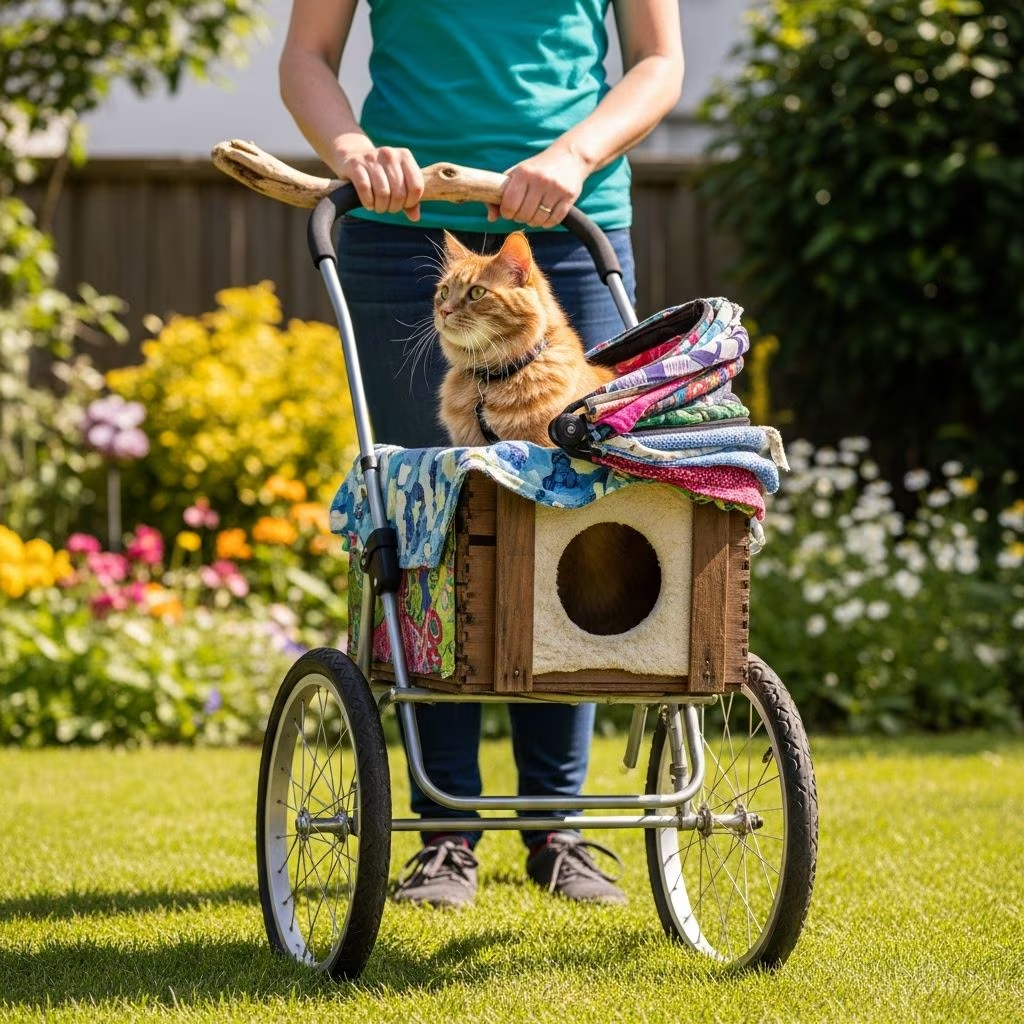
Creating a homemade cat stroller allows pet owners to provide their feline companions with secure outdoor experiences without breaking the bank. This project combines affordability, customization, and safety, drawing from proven benefits like reduced anxiety and enhanced mental stimulation for cats.
Why Every Cat Parent Needs a Custom Stroller
Pet strollers offer a protective haven for cats during walks, shielding them from traffic, aggressive animals, and environmental hazards like hot pavement or toxic spills. For indoor cats, they introduce fresh air and sunlight, boosting vitamin D levels and overall well-being while preventing boredom.
Senior or injured cats benefit immensely, as the gentle motion provides comfort without physical strain, aiding recovery and maintaining mobility. In urban settings, strollers manage risks from crowded streets, ensuring pets remain insulated from stressors.
- Safety Boost: Enclosed designs with mesh windows protect from vehicles and insects.
- Health Gains: Promotes exercise through observation and reduces lethargy.
- Bonding Time: Shared outings deepen the human-cat connection via relaxed explorations.
Essential Advantages of DIY Over Store-Bought
Building your own stroller means tailoring size, features, and aesthetics to your cat’s needs, often at a fraction of commercial costs. Adjustable elements like handle height improve ergonomics for owners, while custom padding ensures maximum comfort.
| Feature | DIY Benefit | Commercial Equivalent |
|---|---|---|
| Cost | $20–50 | $100+ |
| Customization | Fully adjustable to cat size | Limited options |
| Materials | Recycled household items | New plastics/metals |
| Storage | Compact fold design | One-hand fold in premium models |
These perks make DIY ideal for multi-pet households or those with space constraints.
Gathering Materials for Your Project
Select durable, pet-safe items to ensure longevity and safety. Focus on lightweight frames for easy maneuverability and breathable fabrics for ventilation.
- Frame base: Old baby stroller or PVC pipes (1-inch diameter, 4–6 feet total)
- Fabric: Breathable mesh netting (2–3 yards), waterproof canvas for base
- Wheels: Inline skate wheels or caster sets (4 pieces, with locks)
- Fasteners: Zip ties, screws, strong glue, Velcro strips
- Comfort: Foam padding, old pillows, fleece lining
- Extras: Reflective tape, harness clips, rain cover fabric
Prioritize non-toxic materials; avoid sharp edges by sanding all components.
Step-by-Step Assembly Instructions
Follow these phases to construct a sturdy, functional stroller in under 4 hours.
Phase 1: Construct the Frame
Measure your cat’s length plus 6 inches for height and width. Cut PVC into a rectangular base (24×18 inches) and upright supports (18 inches high). Connect using elbow joints for a box shape, reinforcing with zip ties.
- Attach wheels to base corners using brackets; ensure locking mechanisms work.
- Add crossbars for stability, especially for uneven terrain.
- Test frame balance by pushing empty.
Phase 2: Add the Enclosure
Stretch mesh over the frame sides, securing with Velcro or staples. Leave one side with a zipper entry for easy access.
- Cut canvas for floor, layering foam underneath for cushioning.
- Install harness tether points inside using D-rings.
- Add 360-degree visibility panels for airflow and views.
Phase 3: Install Handle and Finishing Touches
Attach telescoping poles (from closet rods) to the rear frame with adjustable clamps for height customization. Wrap handles in foam for grip comfort.
Apply reflective strips for night visibility and a detachable rain flap. Personalize with your cat’s name embroidery.
Customization Ideas for Special Needs
Adapt for seniors by adding extra suspension via rubber bands on wheel axles to absorb shocks. For anxious cats, include interior pockets for toys and treats to ease adaptation.
- Multi-Cat Version: Extend frame width; use dividers for separation.
- Travel Mode: Hinge design for flat folding into car trunks.
- Weather-Proofing: Clear vinyl windows for rainy days.
For disabled cats, elevate the base slightly to avoid ground hazards.
Safety Checks and Testing Protocols
Before first use, inspect all joints for wobbles and ensure mesh can’t be clawed through. Test on smooth surfaces, gradually introducing bumps.
| Check | Action |
|---|---|
| Wheel Locks | Engage on inclines; verify hold |
| Harness Fit | Snug but not tight; escape-proof |
| Ventilation | Airflow test: No overheating in sun |
| Weight Capacity | Load test with bags equal to cat weight |
Regular maintenance includes cleaning mesh and lubricating wheels.
Introducing Your Cat to the Stroller
Acclimate gradually: Place open stroller indoors with treats inside for days. Short sessions (5 minutes) build positive associations before outdoor trials.
- Use pheromone sprays for stress reduction.
- Start in quiet areas, avoiding crowds.
- Reward calm behavior to reinforce safety.
Monitor for signs of distress like excessive meowing; adjust padding or speed accordingly.
Real-World Applications and Use Cases
Beyond walks, use for vet trips or picnics. Urban dwellers appreciate dodging NYC-like crowds, while rural owners navigate trails safely.
In multi-pet homes, it fosters group outings, promoting social health. Health-focused owners note improved moods and activity levels post-use.
Frequently Asked Questions
Is a DIY cat stroller as safe as commercial ones?
Yes, when built with quality materials and tested rigorously; include brakes and tethers for equivalence.
How long does construction take?
2–4 hours for beginners, with no advanced tools required.
Can it handle rough terrain?
Add air-filled wheels and suspension for parks or gravel paths.
What if my cat hates it initially?
Patience with treats and short exposures works; most adapt in 1–2 weeks.
Weight limit for homemade designs?
Typically 15–25 lbs, scalable by frame strength.
Troubleshooting Common Build Issues
Frame wobbles? Add diagonal braces. Poor airflow? Enlarge mesh panels. Wheels stick? Clean and oil bearings.
For multi-cat setups, reinforce base to prevent tipping.
References
- Top 10 Benefits of Using a Pet Stroller for Your Dog or Cat — Petrover USA. 2023-05-15. https://petroverusa.com/blogs/news/top-10-benefits-of-using-a-pet-stroller-for-your-dog-or-cat
- Cat Strollers? Are you Kidding? No!..for Real!-Read On please… — Creative Science. 2022-11-10. https://creative.science/education/cat-strollers-are-you-kidding-no-for-real-read-on-please
- Why You Should Try Taking Your Cat Outdoors in a Pet Stroller? — Fikago US. 2024-03-22. https://us.fikago.com/blogs/blog/taking-your-cat-outdoors-in-a-pet-stroller
- Benefits, Features & Best Cat Strollers — Holistapet. 2024-01-08. https://www.holistapet.com/blogs/pet-accessories/cat-stroller
- Making Pet Travel Easy in New York City with a Multiple Cat Stroller — Ibiyaya USA. 2023-07-19. https://ibiyaya-usa.com/blog/nyc-multiple-cat-stroller/



