

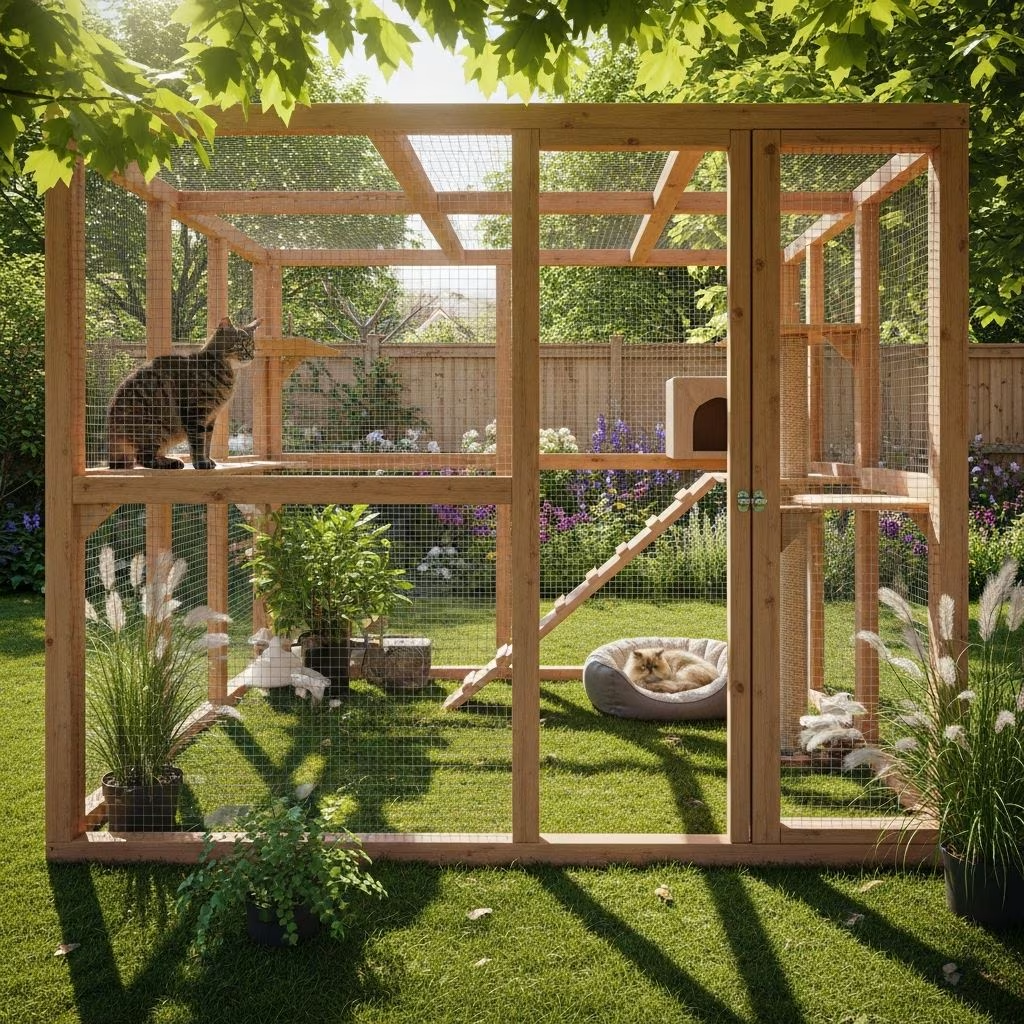
Providing your indoor cat with access to fresh air and outdoor stimulation without the risks of free-roaming is easier than ever. A custom-built cat enclosure, often called a catio or cat run, offers a predator-proof space for climbing, lounging, and exploring. This guide draws from proven DIY methods to help you create one tailored to your space and budget, ensuring your feline friend stays safe while enjoying nature.
Why Every Cat Needs an Enclosure
Indoor cats miss out on vital exercise, sunlight, and sensory experiences that outdoor cats enjoy. Enclosures solve this by creating a controlled environment free from traffic, predators, and toxins. Studies from animal welfare organizations highlight that such spaces reduce stress and promote healthier behaviors in cats. They’re ideal for apartments, small yards, or homes with escape-prone pets.
- Health benefits: Increased physical activity prevents obesity and boosts mental well-being.
- Safety first: Blocks hawks, dogs, and coyotes while keeping cats contained.
- Customizable fun: Add shelves, tunnels, and plants for endless entertainment.
Planning Your Cat Enclosure Design
Start with a solid plan to match your available space and cat’s needs. Measure your yard or balcony, considering sunlight patterns and wind direction. For one cat, aim for at least 1.5 square meters of floor space and 80cm height; scale up for multiples. Sketch a simple blueprint or adapt free online templates, ensuring structural stability.
| Space Type | Min Dimensions | Best For |
|---|---|---|
| Balcony | 2m x 1m x 2m | Apartment dwellers |
| Small Yard | 3m x 2m x 2.5m | Single or pair of cats |
| Large Garden | 5m+ length | Multiple cats, tunnels |
Factor in access points: a cat door from your home and a human-sized entry. Modular designs using grid panels allow easy expansion.
Gathering Materials for Durability
Choose weather-resistant supplies to withstand rain, sun, and scratches. Prioritize galvanized wire mesh (1cm gaps max) to prevent escapes and predator intrusions.
- Framing: Pressure-treated timber, PVC pipes, or metal poles for rust resistance.
- Enclosure mesh: Heavy-duty galvanized or welded wire; avoid chicken wire.
- Roofing: Corrugated plastic sheets or mesh with partial solid cover for shade.
- Fasteners: Stainless steel screws, heavy-duty zip ties, hinges, and latches.
- Extras: Plywood for floors/doors, staple gun, power drill.
Budget tip: Source second-hand timber or grids from storage cube sets for cost savings—expect $200-800 total depending on size.
Step-by-Step Construction Process
Follow these phases for a sturdy build. Work on level ground and wear safety gear.
Step 1: Construct the Base Frame
Lay out corner posts with timber or poles, securing with screws. Add cross-bracing for stability. For ground installs, use concrete anchors; balcony units attach to railings.
Step 2: Install Vertical Supports and Walls
Raise posts to full height, then stretch and staple mesh to frames. Overlap seams by 10cm and double-stitch with zip ties. Work from bottom up to avoid sagging.
Step 3: Add the Roof and Top Enclosure
Frame the roof pitch for water runoff, covering 50% solid for shelter. Secure mesh tightly to prevent upward jumps.
Step 4: Build Entry Points
Cut a flap for the cat door, reinforcing edges. Craft a full door with hinges and lockable latch for cleaning.
Step 5: Anchor Securely
Bolt to walls, fences, or stakes. Test for wobbles by shaking vigorously.
Modular option: Connect stackable cube grids with zip ties for quick assembly—no power tools needed. Limit to three levels high.
Enhancing with Cat-Friendly Features
Elevate your enclosure from basic to a feline resort. Integrate these during or after construction.
- Climbing structures: Wall-mounted shelves, ramps, or hammocks using scrap wood.
- Tunnels and bridges: Bend mesh into tubes or connect extensions for adventure paths.
- Comfort zones: Weatherproof beds, scratching posts, and perches at various heights.
- Nature elements: Cat-safe plants like catnip, wheatgrass, or hanging bird feeders for watching.
- Utility spots: Sheltered litter area and water fountain.
Video builds show creative integrations like overpasses and climbers secured with zip ties and banding.
Safety Checks and Maintenance Tips
Inspect weekly for loose mesh, rust, or chew damage. Cover sharp edges with tubing. Ensure no toxic plants nearby and provide shade/heat sources seasonally.
- Predator-proofing: Bury mesh base 30cm deep or use apron fencing.
- Weather resilience: Clear debris, reapply rust inhibitor yearly.
- Escape prevention: Double-layer doors; test cat’s jumping ability.
For community cats, adapt designs into simple shelters with straw bedding.
Cost Comparison: DIY vs. Pre-Made
| Option | Cost Range | Build Time | Pros |
|---|---|---|---|
| Full DIY Timber | $300-800 | 1-2 weekends | Fully custom |
| Grid Panels | $150-400 | 1 day | Beginner-friendly |
| Flat-Pack Kit | $400-1000 | Half day | Guaranteed fit |
DIY saves money and allows personalization.
Frequently Asked Questions
How much space does one cat need in an enclosure?
Minimum 1.5m² floor and 80cm height, but larger promotes activity.
Can I build on a balcony?
Yes, secure to railings with brackets; use lightweight grids.
What mesh size prevents escapes?
1cm maximum gaps; galvanized for durability.
Is a solid roof necessary?
Partial solid for rain/sun protection; full mesh works in mild climates.
How do I introduce my cat to the enclosure?
Start with short, supervised sessions with treats and toys.
Troubleshooting Common Builds
Sagging mesh? Add horizontal braces. Wobbly structure? More anchors. Overheating? Ventilate with adjustable panels. These fixes ensure longevity.
With these steps, your cat enclosure will provide years of safe outdoor joy. Customize endlessly and watch your cat thrive.
References
- Easy Steps On How To Build A Cat Run Enclosure — Coops and Cages. 2023. https://www.coopsandcages.com.au/blog/how-to-build-a-cat-run-enclosure/
- How to Build a Cat Run & Enclosure — YouTube (Video Transcript). 2023. https://www.youtube.com/watch?v=6Q0uf1Rg0MM
- How to DIY a Cat Run From Stackable Cube Grids — Instructables. 2023. https://www.instructables.com/How-to-DIY-a-Cat-Run-From-Stackable-Cube-Grids/
- How to Build an Outdoor Shelter — Alley Cat Allies. 2024. https://www.alleycat.org/resources/how-to-build-an-outdoor-shelter/



