

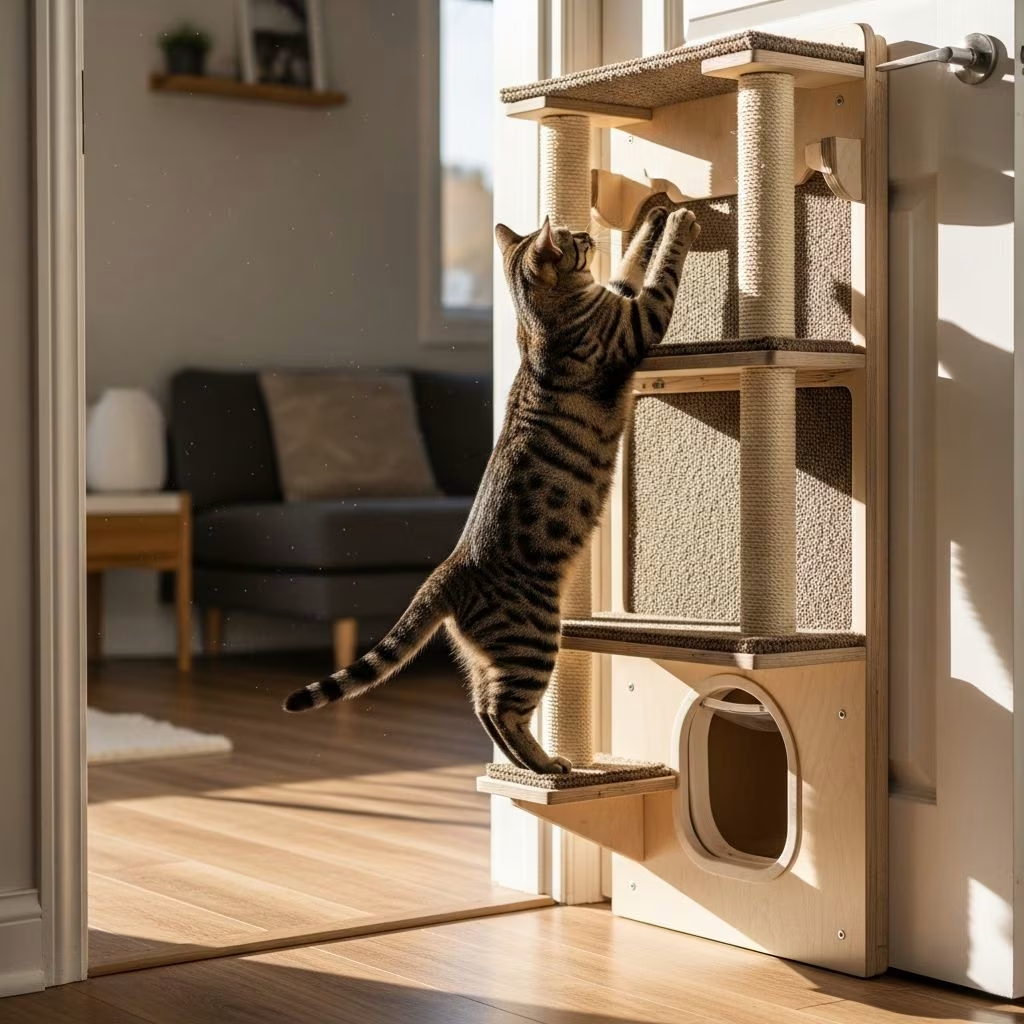
Cat owners frequently grapple with limited living space yet recognize the essential need for vertical exploration in their pets’ lives. Cats instinctively seek heights for safety, observation, and play, making door-based climbers an ingenious solution. These structures leverage unused door surfaces to provide scratching posts, perches, and pathways, promoting physical health and curbing destructive behaviors like furniture shredding.
Why Vertical Spaces Matter for Indoor Cats
Domestic cats retain wild instincts, preferring elevated vantage points to survey territories and escape threats. According to veterinary studies from the American Veterinary Medical Association (AVMA), insufficient vertical enrichment contributes to stress-related issues like obesity and anxiety in confined environments. A door climber addresses this by transforming bland portals into interactive zones.
Benefits extend beyond behavior: regular climbing strengthens muscles, improves agility, and supports joint health, particularly for senior or overweight cats. Materials like sisal or carpet mimic natural tree bark, fulfilling claw maintenance needs without damaging household items.
Essential Materials and Tools Overview
Most projects require accessible supplies from hardware stores or online retailers. Core items include durable rugs (sisal or carpet remnants, 2×5 feet minimum), over-door hooks or screw-in anchors, eyelets for reinforcement, and adhesives like Velcro or staples. Tools range from basic hammers to drills for advanced builds.
| Project Type | Key Materials | Tools Needed | Estimated Cost |
|---|---|---|---|
| Basic Hanging Rug | Sisal rug, over-door hooks, eyelets, Velcro | Hammer, eyelet tool, marker | $40-60 |
| Shelf-Enhanced Climber | Plywood shelves, brackets, sisal rope | Drill, saw, stud finder | $70-100 |
| Pipe Wall System | Galvanized pipes, wood boards, carpet tiles | Pipe wrench, drill | $100-150 |
Choose based on skill level and permanence: renters favor non-invasive hooks, while homeowners can opt for screwed installations.
Project 1: Simple Over-Door Scratching Panel
This beginner-friendly design uses a single rug hung via reinforced eyelets, ideal for apartments. It installs in under 30 minutes and removes without residue.
Step-by-Step Assembly
- Measure and Mark: Lay the rug face-down. Draw a line 1.5 inches from the top edge. Mark points 1.5 inches from each side and align inner spots using hook spacing.
- Reinforce Holes: Punch four holes with an eyelet tool. Trim frayed fibers for clean edges—scissors work for carpet, a lighter for synthetics. Insert eyelets and secure with a hammer.
- Hang Securely: Thread hooks through eyelets. Protect door paint with fabric pads. Position over the door top.
- Stabilize: Apply Velcro strips vertically on the door and rug back to prevent swinging during use.
Encourage adoption by sprinkling catnip or placing toys atop. Cats typically engage within hours, drawn by the texture.
Project 2: Multi-Level Door Shelf Tower
Elevate the basic model with floating shelves for lounging. This intermediate build suits doors without handles obstructing the lower section.
Required Components
- Two sisal doormats or cut carpet pieces.
- Heavy-duty brackets (4-6 per shelf).
- Screw hooks and wire for tension support.
Construction Guide
- Prep Surfaces: Cut mats to door width. Attach to plywood backing with staples or glue for rigidity.
- Mount Brackets: Use a stud finder to locate secure points. Drill pilot holes; install brackets at 12-18 inch intervals for progressive heights.
- Add Climbing Aids: Wrap wire between shelves or add sisal rope ladders for traction.
- Secure and Test: Place shelves atop brackets. Tug-test for stability before feline introduction.
This setup creates a ‘staircase’ effect, allowing cats to ascend gradually. Pair with a nearby window perch for panoramic views.
Project 3: Industrial Pipe Vertical Network
For expert makers, black iron pipes form a modular lattice across door and adjacent wall space. It’s robust, stylish, and endlessly customizable.
Gathering Supplies
- Pipes (1/2-inch diameter), elbows, flanges.
- Wood planks for platforms.
- Peel-and-stick carpet squares, sisal rope.
Build Process
- Design Layout: Tape outlines on the door/wall. Ensure pipe lengths match gaps.
- Assemble Frame: Apply thread-locking fluid to joints. Wrench-tighten into a grid pattern.
- Cover for Grip: Wind sisal around vertical pipes; adhere carpet to horizontals.
- Install Platforms: Screw wood shelves into pipe fittings, adding hammocks from fabric scraps.
Safety note: Anchor to studs; total weight capacity exceeds 50 pounds per section.
Advanced Customization Ideas
Enhance any climber with these tweaks:
- Incorporate Steps: Craft 4×7-inch sisal-wrapped footholds from spruce blocks, nailed between levels for bidirectional travel.
- Overhang Platforms: Add a 9-inch wide board extension at the top, covered in carpet, for a safe landing zone.
- Renter Modifications: Swap screws for tension rods or command hooks; use fabric tunnels for play.
- Themed Wraps: Sisal for scratching, foam-padded perches for napping.
Monitor usage: rotate textures if wear appears, refreshing with new coverings quarterly.
Safety Guidelines for Feline Fortresses
Prioritize stability—overloaded climbers risk collapse. Use weight-rated hooks (supporting 20+ pounds per cat). Avoid placement near hinges or high-traffic paths. Inspect monthly for loose parts.
For multi-cat homes, space levels adequately to prevent territorial scuffles. Train descent: gently guide cats butt-first down inclines to build confidence. Veterinary sources emphasize gradual introductions to prevent falls.
Training Cats to Use Their New Domain
Cats may hesitate initially. Strategies include:
- Placing favorite toys or food at mid-levels.
- Using laser pointers to direct upward paths.
- Positive reinforcement with treats upon successful climbs.
Patience yields results; most adapt in 1-2 days. If aversion persists, add softer entry ramps.
Cost-Saving Sourcing Tips
Remnant rugs from carpet outlets cost under $20. Hardware stores offer bulk sisal rope. Repurpose old bathmats or IKEA hacks for platforms. Total investment: 50-70% less than commercial units.
Frequently Asked Questions
Can any door support a climber?
Hollow-core doors may flex; opt for solid wood or reinforce with plywood backing. Test load before full use.
What if my cat ignores it?
Enhance appeal with catnip sprays or motion-activated toys. Observe preferences for textures like rough sisal vs. plush carpet.
How do I remove it without damage?
Choose no-drill options: hooks and Velcro lift off cleanly. For screwed versions, fill holes with spackle.
Is sisal safe for all cats?
Yes, it’s natural fiber; supervise initial use to ensure no ingestion. Alternatives: sea grass or recycled carpet.
Can I scale for large breeds?
Increase shelf depth to 12 inches and use 3/4-inch pipes for Maine Coons or similar heavyweights.
Long-Term Maintenance and Upgrades
Vacuum weekly to remove debris. Re-glue peeling covers promptly. Upgrade paths yearly based on wear patterns. These evolving structures grow with your cat’s needs, from kitten agility courses to senior ramps.
References
- Environmental Enrichment for Cats — American Veterinary Medical Association. 2024-05-15. https://www.avma.org/resources-tools/pet-owners/petcare/environmental-enrichment-cats
- Feline Behavior Guidelines — International Cat Care (icatcare.org). 2023-11-20. https://icatcare.org/advice/feline-behaviour-guidelines/
- DIY Cat Enrichment Structures — ASPCA Pet Health Insurance. 2025-01-10. https://www.aspcapetinsurance.com/resources/diy-cat-enrichment/
- Cat Scratching Post Standards — Pet Industry Joint Advisory Council (PIJAC). 2024-08-05. https://pijac.org/resources/cat-scratching-standards
- Vertical Space for Indoor Cats — Cornell University College of Veterinary Medicine. 2023-02-14. https://www.vet.cornell.edu/departments-centers-and-institutes/cornell-feline-health-center/health-information/feline-health-topics/vertical-space-indoor-cats



