

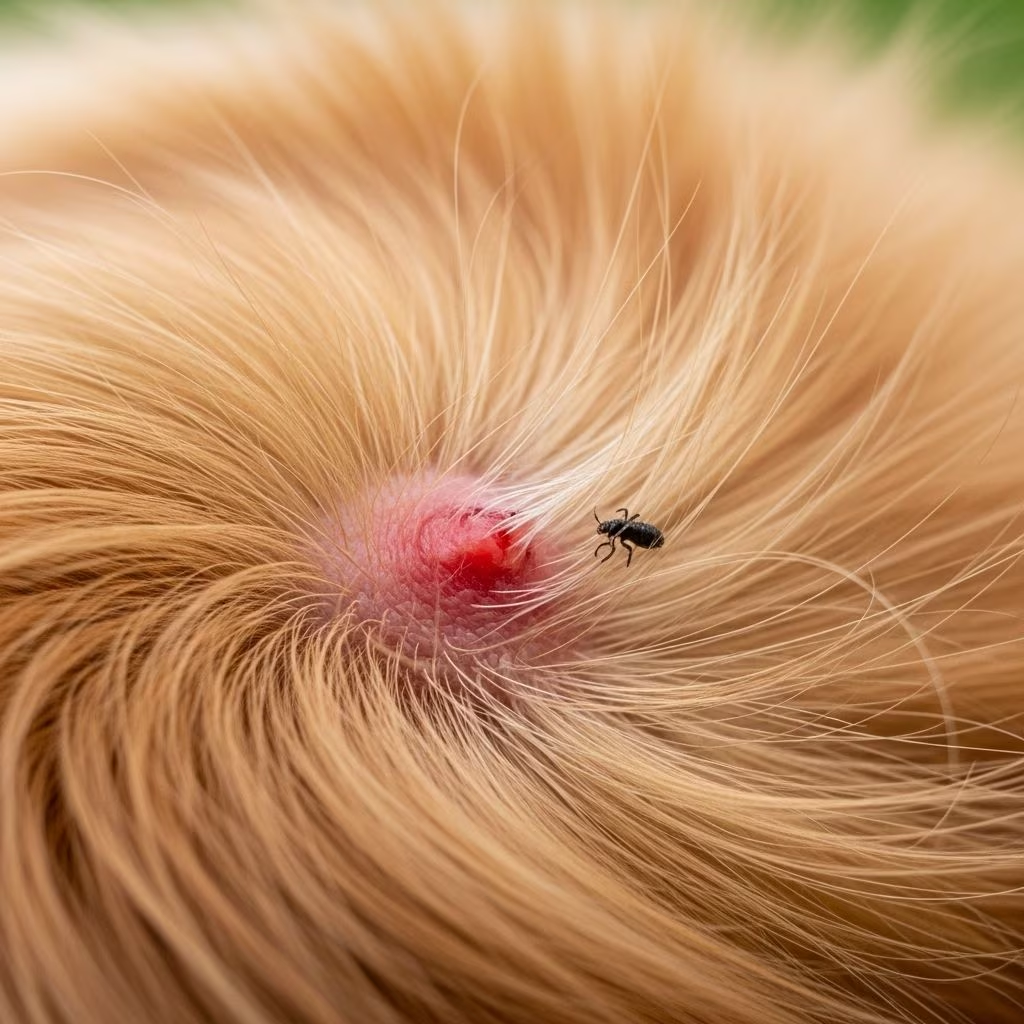
Bug Bites on Dogs: What You Need to Know
Dogs are naturally curious creatures who love exploring outdoors, but this curiosity often puts them in contact with various insects. Bug bites and stings are a common concern for pet owners, especially during warmer months. Understanding how to recognize, treat, and prevent insect bites can help keep your dog comfortable and safe. Most insect bites on dogs are mild and resolve on their own, but some may require veterinary attention, particularly if your dog has an allergic reaction.
Common Types of Insect Bites and Stings
Several types of insects commonly bite or sting dogs, each producing different reactions and requiring specific treatment approaches.
Bee, Hornet, and Wasp Stings
Stinging insects including bees, hornets, yellow jackets, and wasps can cause significant discomfort when they sting a dog. Dogs may cry out suddenly and lick the area where they were stung. If a dog gets stung on the paw or leg, they may start limping immediately. Most stings cause localized swelling, pain, and redness that can be managed with home care. However, some dogs may have allergic reactions to bee stings, which require immediate veterinary attention.
Fire Ant Bites
Fire ant bites are particularly problematic because dogs often step on anthills or run their nose directly into them while exploring. Bites around the mouth, nose, and feet are relatively common. Fire ants can inflict multiple bites, causing more severe reactions than single insect bites. Small dogs and those with underlying health conditions may experience more prominent reactions to fire ant bites.
Fly Bites
Some dogs are allergic to certain types of flies and can have allergic reactions when bitten. Symptoms of these reactions are similar to bee sting allergies and should be taken seriously.
Recognizing Insect Bites on Dogs
Being able to identify insect bites is the first step in providing appropriate care. The symptoms can vary depending on the type of insect and your dog’s sensitivity.
Common Signs and Symptoms
The most common signs of insect bites on dogs include:
- Swelling or red bumps, especially on the face, legs, or belly
- Persistent itching or scratching at the bite site
- Licking or chewing at the affected area, resulting in hair loss
- Limping or paw sensitivity, particularly common after fire ant bites and wasp stings
- Hives or rash-like patches on the skin
- Sudden licking or biting at an area, often excessively
Mild vs. Severe Reactions
In mild cases, dogs may show very little to no symptoms. The area where they were bitten may be uncomfortable for a short time, but within a day or two, everything returns to normal. However, in more extreme cases, dogs could experience noticeable facial swelling and difficulty breathing. Smaller dogs and those with pre-existing health conditions are more likely to experience severe reactions.
Signs of Allergic Reactions
Some dogs can have allergic reactions to insect bites and stings. Symptoms of allergic reactions include:
- Facial swelling
- Hives
- Difficulty breathing
- Intense itchiness
- Moderate to severe swelling at the site of the sting
- Gastrointestinal symptoms including vomiting and diarrhea
When to Seek Veterinary Care
While most insect bites resolve without professional intervention, certain symptoms warrant immediate veterinary attention. You should take your dog to the veterinary emergency clinic at the first sign of:
- Severe swelling around the head and neck that could compromise respiration
- Hives on any part of the body
- Excessive drooling indicating throat swelling or difficulty swallowing
- Agitation or anxiety due to itching and difficulty breathing
- Vomiting or diarrhea, even if mild
- Dizziness or disorientation
- Seizures
Anaphylactic Shock
In rare cases, insect bites can trigger anaphylactic shock, a severe allergic reaction that requires immediate emergency care. Symptoms of anaphylaxis in dogs include weakness, collapsing, seizures, vomiting, diarrhea, panting, wheezing, and labored breathing. These symptoms usually occur within ten minutes of an insect bite or sting and require emergency veterinary treatment.
Treating Insect Bites at Home
For mild insect bites, several effective home treatment options can provide relief and promote healing.
Check for a Stinger
If your dog has been stung by a bee, check the sting site for a stinger. If present, remove it carefully to prevent further venom injection into the skin.
Apply Cold Compress
One of the most effective treatments for insect stings is applying a cold compress or ice pack to the affected area for 5-10 minutes. A bag of frozen peas serves as a handy ice pack for individual bites, while a cooled towel works better for larger areas. This helps reduce swelling and provides immediate relief.
Baking Soda Paste
Make a thick paste by combining baking soda with water and apply it directly to the sting site. This natural remedy helps reduce pain and inflammation. For multiple bites or stings, a soothing oatmeal bath can be equally effective.
Aloe Vera Gel
Dogs can safely use aloe vera gel. Apply a light coating to the bite site, but ensure your dog doesn’t lick it off before it has a chance to soak into the skin. This promotes tissue healing and reduces inflammation.
Oatmeal Baths
If your dog has multiple bites or stings, a soothing oatmeal bath can provide relief and help heal the affected areas. This is particularly effective when home stress doesn’t negatively affect your dog.
Veterinary Treatment Options
For more severe cases, veterinarians have several treatment options available to provide relief and prevent complications.
Medications
Veterinarians may prescribe several types of medications for insect bites:
- Antihistamines such as diphenhydramine (Benadryl or Vetadryl) to minimize allergic reactions and decrease itching
- Anti-inflammatory medications to reduce swelling and discomfort
- Antibiotics if the bite becomes infected from excessive scratching
- Steroid injections in cases of severe swelling or hives
Elizabethan Collar
If your dog continues to lick or scratch at the bite wound, your veterinarian may recommend using an Elizabethan collar (cone). This prevents further trauma to the area and allows it to heal properly, reducing the risk of infection.
Allergy Management
If bites seem to trigger exaggerated responses in your dog, your veterinarian may recommend allergy testing or long-term allergy management strategies.
Preventing Insect Bites and Stings
Prevention is always better than treatment. Several strategies can help reduce your dog’s exposure to biting and stinging insects.
- Avoid walking your dog in areas known to have high insect populations, particularly during peak insect season
- Use pet-safe insect repellents if recommended by your veterinarian
- Keep your yard maintained by removing standing water where mosquitoes breed and trimmed grass where ticks hide
- Check your dog’s skin and coat regularly for signs of parasites and insect bites
- Monitor your dog during outdoor activities, especially in wooded or grassy areas
- Consider timing outdoor activities to avoid peak insect hours, typically early morning and dusk
Complications of Untreated Insect Bites
While most insect bites resolve without issues, untreated bites can lead to complications. In rare cases, insect bites can lead to a condition called Eosinophilic Furunculosis, a deep infection of the hair follicles that usually affects the nose. Symptoms can progress quickly, but the condition responds well to a course of anti-inflammatory medication. Additionally, excessive scratching and licking can lead to secondary skin infections requiring antibiotic treatment.
When Diagnosis May Be Necessary
As most insect bites resolve without treatment, formal diagnosis is usually not necessary. However, if the skin is not healing or you’re unsure about the cause of skin lesions, your veterinarian may take a swab, fine needle aspirate (FNA), or biopsy of the affected area. Blood and urine tests are usually needed in cases of severe allergic reactions to help rule out other underlying conditions.
Frequently Asked Questions
Q: How long do insect bites typically last on dogs?
A: In mild cases, insect bites usually resolve within one to two days without treatment. However, if your dog continues to scratch or lick the area, healing may take longer due to secondary inflammation or infection.
Q: Can I use human insect repellent on my dog?
A: No, human insect repellents should never be applied to dogs as they can contain ingredients toxic to pets. Always consult your veterinarian for pet-safe insect prevention products.
Q: What is the proper dose of Benadryl for my dog?
A: The proper dose of Benadryl varies based on your dog’s weight and overall health. Always consult your veterinarian for the correct dosage rather than administering over-the-counter medications without professional guidance.
Q: Are certain dog breeds more susceptible to severe reactions?
A: Smaller dog breeds and dogs with pre-existing health conditions are generally more likely to experience severe reactions to insect bites. Puppies and senior dogs may also be more vulnerable to serious complications.
Q: How can I tell if my dog has developed an infection from scratching?
A: Signs of infection include increasing redness, warmth, pus or discharge, a foul smell, or your dog showing signs of pain when the area is touched. If you suspect infection, contact your veterinarian immediately.
Q: Should I remove a bee stinger from my dog’s skin?
A: Yes, if you can see a bee stinger, remove it carefully to prevent further venom injection. You can use a credit card edge or tweezers to scrape or pull it out gently.
References
- What To Do if a Bug Bites or Stings Your Dog — ASPCA Pet Insurance. 2024. https://www.aspcapetinsurance.com/resources/dog-bug-bites/
- Dog Insect Bites: What are the Signs & When to Be Concerned — Mt. Pleasant Animal Hospital SC. https://mountpleasantanimalhospital.com/dog-insect-bites/
- First Aid for Insect Stings in Dogs — VCA Animal Hospitals. https://vcahospitals.com/know-your-pet/first-aid-for-insect-stings-in-dogs
- Insect bites in dogs — Joii Pet Care. https://www.joiipetcare.com/blogs/infections-and-parasites/insect-bites-in-dogs
- 7 Common Bug Bites on Dogs — PetMD. https://www.petmd.com/dog/general-health/7-common-bug-bites-dogs
- What to Do with Insect Bites on a Dog — Veterinary Emergency Group. https://www.veg.com/post/insect-bite-on-dog
- A Pet Owner’s Guide to Bug Bites and Stings — Greenfield Pet Vet. https://greenfieldpetvet.com/a-pet-owners-guide-to-bug-bites-and-stings/



