
Why Are My Budgies Scared of Me? Tips to Build Trust
Learn why your budgies fear you and discover proven strategies to build trust and confidence.
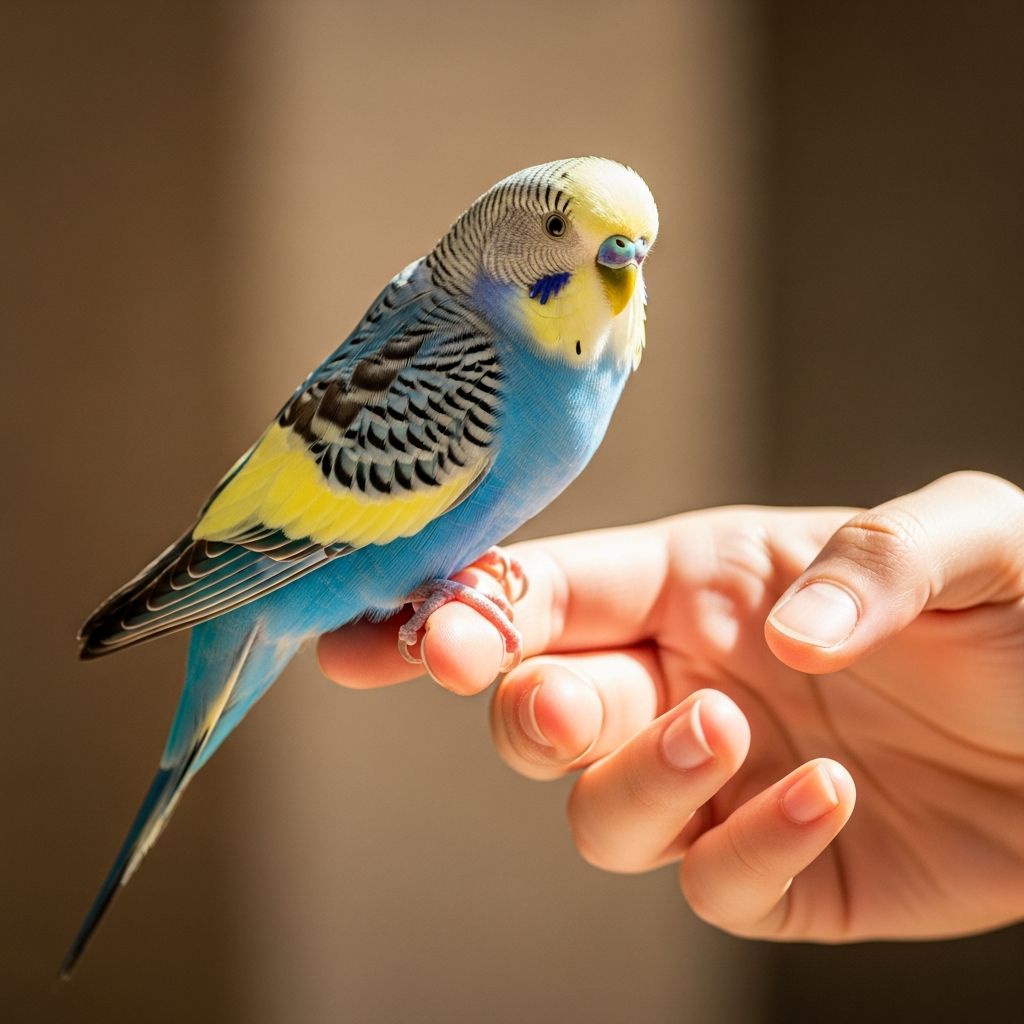
Understanding Why Your Budgies Are Scared of You
If you’ve recently brought home a budgie or are struggling with a bird that seems constantly fearful, you’re not alone. Many budgie owners experience this challenge and wonder why their feathered companions appear so anxious in their presence. Understanding the root causes of this fear is the first step toward building a stronger, more trusting relationship with your pet. Budgies are naturally social birds, but they can also be quite sensitive to their environment and the people around them. When a budgie displays fear, it’s communicating that something in their world feels unsafe or unpredictable.
Common Reasons Your Budgie Might Be Scared
Lack of Early Socialization
One of the primary reasons budgies develop fear around humans is insufficient early socialization. Pet store budgies often have little to no exposure to human touch and interaction before they arrive in your home. When birds haven’t been handled gently and regularly during their early developmental stages, they may view human hands as potential threats rather than sources of comfort. This lack of early positive exposure creates a foundation of uncertainty that can take considerable time and patience to overcome. Young budgies that have been properly socialized from an early age tend to be more confident and trusting around people.
Past Abuse or Trauma
Some budgies come from backgrounds where they’ve experienced mistreatment or rough handling. Owners who become frustrated with their birds or handle them too aggressively can inadvertently create lasting trauma. This abusive past can make a budgie perpetually wary of human interaction. Even if you personally have never mistreated your bird, if it came from a previous owner or pet store environment where it was mishandled, those negative experiences will continue to affect its behavior. Birds have excellent memories when it comes to negative experiences, and rebuilding trust after trauma requires exceptional patience and consistency.
New Environment Stress
When you first bring a budgie home, expect it to sit very quietly in its new cage, not moving much, not eating or chirping actively, and showing clear signs of discomfort and fear. This is completely normal behavior, especially if you’re bringing home a young budgie or a single bird. The stress of relocation to an unfamiliar environment with unfamiliar people can be overwhelming for these small creatures. They need time to acclimate to their surroundings, understand the layout of their cage, and begin to recognize that this new space is safe.
Perceived Threat from You as a Predator
Budgies instinctively recognize humans as potential predators, especially when they haven’t been properly socialized. A budgie that hasn’t developed trust will view your hands, your movements, and your presence as threatening. The size difference alone can be intimidating to such a small bird. When you approach the cage quickly or make sudden movements, your budgie interprets these actions as predatory behavior. Additionally, if your budgie hasn’t yet eaten or drunk water in your presence, it’s likely because eating and drinking put him in a vulnerable position where he feels susceptible to predator attacks. He won’t believe you’re safe until he has enough positive interactions to override his natural instincts.
Environmental Factors Contributing to Fear
Darkness and Lighting Issues
Budgies are emotional birds and can easily be frightened by darkness. Although poor night vision isn’t typically the cause of fear in budgies, they can become uncomfortable in areas with insufficient light. Any slight noise or undefined image in dim conditions can trigger massive fear responses. When a budgie panics in darkness, it may jump blindly around the cage and crash into things, potentially injuring itself. Ensuring your budgie has appropriate lighting during the day and a gradual transition to nighttime darkness helps create a sense of security. A consistent day-night cycle also supports their natural circadian rhythms.
Loud Noises and Sudden Sounds
Extreme noises can be particularly frightening to your bird. Shouting, loud music, sudden noises from falling objects, earthquakes, or noisy celebrations like Halloween can all trigger fear responses in budgies. If it’s impossible to avoid a noisy environment, you should distract your budgie when loud events occur to minimize the stress response. Creating a quiet zone where your bird can retreat also helps them feel more secure.
Inappropriate Toys and Cage Decorations
As much as budgies enjoy playing with toys, some items you place in their cage may actually frighten them. You’ll need trial and error to find the right toys for your specific bird. Toys with certain smells, noises, or highly reflective surfaces can negatively affect your bird’s comfort level. Some toys may even remind your budgie of previous bad experiences. Pay attention to your budgie’s reactions to new items and remove anything that causes negative behavioral changes.
Other Pets as Perceived Predators
If you have dogs and cats in your home, your budgie’s fear may intensify in their presence. Birds naturally regard dogs and cats as predators. Even if your pets are friendly and well-behaved around you, they may be perceived as threats by your budgie. The combination of your budgie’s existing fear of you plus the presence of larger animals can create an extremely anxious bird. Managing these interactions carefully and keeping your budgie in a safe space away from other pets when necessary is important during the trust-building process.
Signs Your Budgie Is Scared of You
Recognizing the signs of fear in your budgie helps you respond appropriately and avoid escalating the anxiety. Here are the most common indicators:
Rapid Breathing and Panting
One of the most common signs of a scared budgie is heavy or rapid breathing. When you enter the room or approach the cage, your budgie might start panting or breathing heavily. This is your cue to stop and give your bird space. Continuing to approach when you see these signs will only increase the bird’s fear and may damage your relationship further.
Excessive Wing Flapping
When scared of your presence, your budgie may start flapping its wings frantically. This behavior signals that your bird is prepared to flee and is in distress. Wing flapping combined with other fear signals indicates you should retreat and give your bird time to calm down.
Cowering and Huddling
A scared budgie might crouch down as if to run or fly away as soon as you enter the room. Your bird may lean back on its perch and run to the farthest corner of the cage, trying to get out of your reach. This body language clearly communicates that your presence is making the bird uncomfortable.
Reduced Vocalization
A budgie that’s stressed or fearful may stop chirping and vocalizing as much as usual. Silence from a normally vocal bird can indicate something is wrong, whether it’s fear, illness, or stress.
Health Considerations
It’s important to understand that poor health conditions can significantly amplify your budgie’s fearfulness. Budgies that are malnourished or suffering from illnesses lose their ability to adapt to stressful situations and control their stress responses. As a result, your budgie may appear scared of everything because during illness, it feels vulnerable and weakened. Even small things, such as quietly staring at your bird, may appear scary when the bird is in a compromised health state. Before implementing behavioral training, ensure your bird is healthy by visiting an avian veterinarian. Sometimes what appears to be behavioral fear is actually a manifestation of underlying health issues.
Building Trust: Step-by-Step Strategies
Move Slowly and Deliberately
Quick movements trigger a budgie’s flight instinct. All your movements around and near your budgie should be slow, smooth, and predictable. This teaches your bird that you’re not a threat and helps reduce its anxiety response over time.
Respect Personal Space
Don’t force interaction with your budgie. Allow your bird to approach you at its own pace. Forcing handling or interaction will reinforce the bird’s fear and make trust-building take much longer. Patience is essential during this phase.
Use Positive Reinforcement
When your budgie shows any sign of approaching you or relaxing in your presence, reward this behavior with treats or gentle praise. Positive associations with your presence will gradually overcome the negative ones.
Establish a Consistent Routine
Budgies feel more secure when they know what to expect. Feeding at consistent times, spending quiet time near the cage at predictable moments, and maintaining a regular schedule helps your bird understand that the environment is safe and controllable.
Create a Safe Haven
Ensure your budgie’s cage is in a quiet, low-traffic area of your home where it can observe household activities without feeling threatened. A safe, predictable space becomes the foundation for building confidence.
Minimize Stressors
Reduce or eliminate environmental stressors such as loud noises, aggressive pets, sudden changes, and unpredictable visitors. A calm environment promotes trust-building much more effectively than a chaotic one.
Understanding Stress-Related Behaviors
Sometimes what appears to be fear is actually stress manifesting in various ways. Stressed or anxious birds may display a range of behaviors beyond fear responses. Understanding these connections helps you address the root cause rather than just the symptoms. Many behavioral issues stem from underlying stress or lack of attention. By recognizing stress signals and addressing the causes, you can help your budgie overcome fear more effectively.
When to Seek Professional Help
If your budgie’s fear doesn’t improve after several weeks of consistent, gentle interaction, or if the fear response is extremely intense, consider consulting with an avian veterinarian or bird behaviorist. Some birds have experienced severe trauma that requires professional intervention. Additionally, your vet can rule out any underlying health issues that might be contributing to the fearful behavior.
Timeline Expectations
Building trust with a scared budgie doesn’t happen overnight. Depending on how severe the fear is and what caused it, you might need weeks or even months of patient, consistent effort. Some budgies that came from abusive situations may never become completely comfortable with human handling, and that’s okay. The goal is to create a relationship where your bird feels safe in your presence and shows reduced anxiety over time. Celebrate small victories, such as your budgie eating in front of you or chirping more frequently, as signs of progress.
Frequently Asked Questions
Q: How long does it take for a scared budgie to trust me?
A: The timeline varies depending on the individual bird and the severity of its fear. Some budgies may show improvement within a few weeks, while others may take several months. Consistency, patience, and positive interactions are key factors in speeding up the trust-building process.
Q: Is it normal for a new budgie to be scared?
A: Yes, it’s completely normal for a newly acquired budgie to be scared and withdrawn. Relocation stress and unfamiliarity with humans are common reasons. Expect your new budgie to be quiet and inactive for the first few days or even weeks as it adjusts to its new environment.
Q: Can biting indicate fear in budgies?
A: Yes, while biting might seem aggressive, it’s often a sign of stress and fear. A budgie that feels threatened will bite as a defense mechanism. Understanding that biting is a fear response helps you approach behavioral modification differently than you would with true aggression.
Q: Should I punish my budgie for being scared?
A: No, punishing your budgie for fear will only make the problem worse. Punishment increases anxiety and reinforces the idea that you are dangerous. Instead, use positive reinforcement and patience to help your bird overcome fear.
Q: What if my budgie is scared of other birds too?
A: Some budgies are naturally more anxious than others. If your budgie is fearful of both humans and other birds, health issues or past trauma might be involved. Consult with an avian veterinarian to rule out medical causes and discuss appropriate behavioral strategies.
Q: Can I help my budgie overcome fear by playing bird sounds?
A: Yes, many budgies respond positively to parakeet sounds and bird vocalizations. Playing calming bird sounds can help enrich your budgie’s environment and provide comfort. Some birds learn new sounds and become more vocal themselves, which can be a positive sign of reduced anxiety.
References
- Parakeet Behavior and Sounds — Kaytee. 2024. https://www.kaytee.com/learn-care/pet-birds/parakeet-behavior-and-sounds
- How to Calm a Scared Budgie — Denny the Budgie (YouTube). 2024. https://www.youtube.com/watch?v=pvSsvWDGqJo
- Parakeet Behavior Problems — Omlet. 2024. https://www.omlet.us/guide/parakeets/parakeet_behaviour/problems/
- Why Budgies Are So Scared of Humans — (YouTube). 2024. https://www.youtube.com/watch?v=Ubz–rJrnZ4
- Scared New Budgie Behavior — Avian Avenue Parrot Forum. 2024. https://forums.avianavenue.com/index.php?threads/scared-new-budgie-behavior.212145/
- How To Tell If a Bird Is Stressed, Depressed, or Anxious — PetMD. 2024. https://www.petmd.com/bird/behavior/how-tell-if-your-bird-unhappy-or-stressed-and-what-do
Similar Articles








Read full bio of medha deb


