

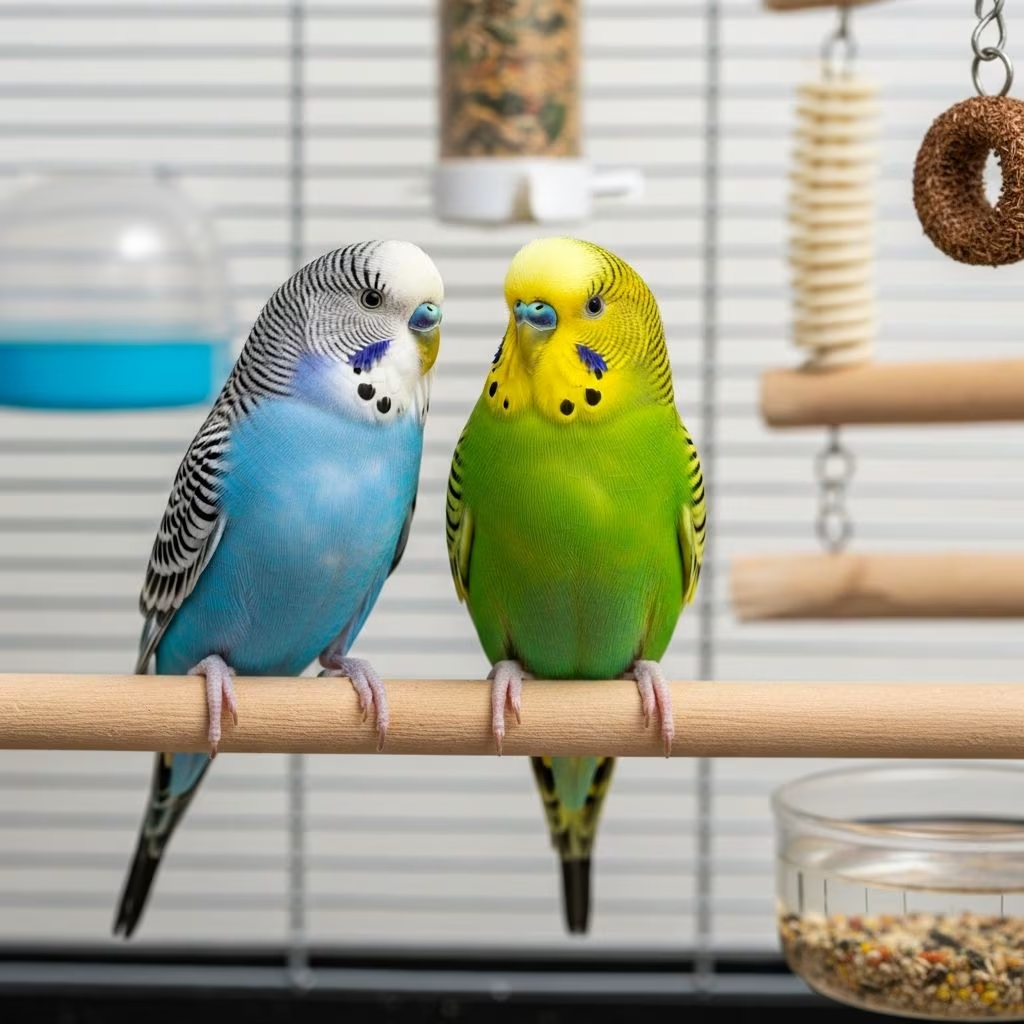
Understanding Budgies: Introduction to Parakeets
Budgies, scientifically known as budgerigars, are small colorful parakeets that have become one of the most popular pet birds worldwide. These intelligent and social creatures originate from Australia and are known for their playful personalities, vibrant plumage, and ability to form strong bonds with their owners. Before bringing a budgie into your home, it’s essential to understand their specific care requirements, behavioral needs, and long-term commitment involved in pet ownership. A well-cared-for budgie can live 10-15 years or longer, making them a significant long-term companion.
Housing and Cage Requirements
Selecting an appropriate cage is one of the most critical decisions for budgie owners. Your budgie’s home should provide adequate space for flying, exercising, and exploring, as these active birds require room to move freely and maintain physical and mental health.
Cage Size and Specifications
For a single budgie, the minimum cage size should be at least 18 inches wide, 18 inches deep, and 24 inches tall. However, larger cages are always preferable, as horizontal space is particularly important for allowing wing stretching and short indoor flights. If you have multiple budgies, add additional vertical and horizontal space to accommodate each bird comfortably. The cage should feature a design that prevents escape while allowing easy access for cleaning and interaction.
Cage Materials and Design
Choose cages constructed from safe, non-toxic materials. Avoid cages with painted bars, as budgies naturally chew on paint, which can lead to unsightly damage and potential health risks from ingesting harmful substances. Stainless steel and powder-coated cages are excellent choices. The cage should have adequate ventilation to prevent respiratory issues and maintain proper air circulation. Avoid placing the cage in kitchens where cooking fumes could harm your budgie, or in direct sunlight where overheating could occur.
Perches and Accessories
Provide a variety of perches with diameters of approximately 3/8 inch to help your budgie exercise their feet and prevent sores. Natural wood perches are preferable to plastic ones, as they better support natural foot positioning. Include multiple perches at varying heights throughout the cage to encourage climbing and activity. Position perches strategically, ensuring none are directly above food and water bowls to prevent contamination from droppings. Regularly inspect perches for wear and replace damaged ones immediately to prevent injury.
Cage Cleanliness and Maintenance
Maintaining a clean cage is vital for preventing bacterial infections and respiratory issues. Line the cage bottom with newspaper, paper towels, or butcher paper—avoiding glossy materials like magazine pages that could be toxic. Perform daily spot cleaning to remove soiled bedding, discarded food, and droppings. Change bedding materials weekly for a single budgie, or more frequently for multiple birds. Wash food and water dishes daily with hot water. Weekly deep cleaning using a 3% bleach solution or pet-safe habitat cleaner followed by complete rinsing and drying ensures a hygienic environment.
Nutritional Requirements and Feeding
A balanced, nutritious diet is fundamental to your budgie’s health, longevity, and overall well-being. Proper nutrition supports immune function, feather quality, and mental acuity.
Primary Diet Components
High-quality pellets should comprise 60-70% of your budgie’s daily diet, providing essential vitamins, minerals, and nutrients in a balanced formulation. Pellets are superior to seeds alone because seeds are often high in fat and low in certain nutrients. Complement pellets with fresh fruits and vegetables daily, offering leafy greens like spinach and kale, as well as colorful vegetables such as carrots and bell peppers. These fresh foods provide additional vitamins, minerals, and fiber while adding variety and enrichment to mealtimes.
Hydration and Water Management
Provide clean, fresh water in a dish large enough for your budgie to bathe in. Change water daily without fail, as budgies can contaminate water quickly through droppings and debris. Water dishes should be large enough for the bird to fully submerge if desired, supporting their natural bathing behavior. Always use filtered tap water or bottled spring water to avoid contaminants that could affect your bird’s health.
Supplements and Essential Additions
Include a cuttlebone and mineral block in the cage to ensure adequate calcium and mineral intake. These are essential supplements that prevent nutritional deficiencies and support bone health, feather development, and egg production in females. These items can be left permanently in the cage as budgies will naturally peck at them as needed.
Foods to Avoid
Never feed your budgie avocado, chocolate, caffeine, salt, or sugar, as these substances are toxic to birds and can cause serious harm or death. Seeds like apple seeds contain cyanogenic compounds that are dangerous. Fat-laden human foods like fried items should also be avoided. When offering treats, remember that seeds like millet should be given sparingly as occasional snacks rather than staple foods, as they can contribute to obesity if overconsumed.
Health and Veterinary Care
Proactive health management ensures your budgie lives a long, healthy life. Regular veterinary care combined with attentive observation can catch potential problems early.
Signs of a Healthy Budgie
A healthy budgie displays smooth and brightly colored feathers, clear and bright eyes, and smooth skin without abnormalities. Their droppings should be formed with green and brown coloration and a small amount of white, indicating proper digestive function. Monitor body condition regularly, consulting your veterinarian for guidance on what constitutes appropriate weight for your bird.
Warning Signs Requiring Veterinary Attention
Contact an avian veterinarian immediately if you notice visible swellings or cracked areas on skin, discoloration around the vent or fecal material sticking to the vent area, loose or watery droppings, sneezing, tail bobbing, missing or bleeding feathers, seizures, skin growths, lack of balance, visible changes to the face feet or legs, open-mouth breathing, or overgrown beak or nails. Fluffed feathers, lethargy, or reduced appetite also warrant professional evaluation.
Veterinary Examinations and Preventive Care
Schedule annual physical examinations with a board-certified avian or exotic animal veterinarian. New budgies should receive a thorough checkup within the first week to identify any existing health issues and establish a baseline health profile. Follow all treatment plans and medication instructions provided by your veterinarian precisely, administering correct dosages at appropriate times for optimal recovery.
Environmental Lighting and Temperature
Proper lighting supports your budgie’s circadian rhythm, mood, and overall health. The light cycle should ideally be 12 hours of light and 12 hours of darkness, with adjustments down to 8-10 hours during breeding season in reproductive females. When natural sunlight is limited, use full-spectrum UV lighting designed specifically for birds for 10-12 hours daily. Maintain comfortable temperatures between 65-75°F, avoiding drafts, extreme heat, and temperature fluctuations that could stress your bird or trigger illness.
Activity, Exercise, and Flight Time
Budgies are naturally active and love to fly. Exercise is essential for their physical fitness and mental stimulation. Allow your budgie at least 1-2 hours of flight time daily in a safe, enclosed room free from hazards. During this time, supervise closely and ensure all windows and doors are closed to prevent escapes. Remove or cover ceiling fans, mirror hazards, and other potential dangers. This supervised out-of-cage time allows wings to stretch, muscles to develop, and mental stimulation through exploration and interaction with their environment.
Enrichment and Mental Stimulation
Budgies are intelligent, curious creatures that thrive on mental stimulation. Boredom can lead to destructive behaviors like feather plucking, aggression, and excessive vocalization. Provide interactive toys such as swings, bells, climbing structures, and shreddable items that encourage natural foraging and destructive behaviors in appropriate outlets. Include puzzles and chewable toys designed for small birds. Rotate toy positions and introduce new toys periodically to maintain interest and prevent habituation. A T-stand or indoor playpen outside the cage provides additional enrichment opportunities during supervised time.
Grooming and Bathing
Regular grooming maintains your budgie’s health and comfort. Budgies naturally keep their beaks properly trimmed through daily use, so beak trimming is typically unnecessary. However, routine nail trimming is recommended to allow more comfortable handling and prevent feathers from snagging on fabrics. Routine wing trimming is encouraged to prevent escape and injury during indoor flight; this procedure should be repeated every few months as flight feathers naturally replace themselves.
Bathing Practices
In the wild, budgies bathe by flying through wet leaves or rain puddles. Offer bathing opportunities 3-5 times weekly through misting with a spray bottle or providing a shallow birdbath. Some budgies naturally enjoy splashing in water, while others may prefer misting with warm water. Never force your budgie to bathe; simply provide the opportunity and allow them to participate voluntarily. After bathing, provide a safe perch in a well-ventilated area where wet feathers can dry properly, as wet plumage makes flying difficult.
Social Interaction and Bonding
Budgies are highly social birds that form strong attachments to their owners. Regular interaction builds trust and strengthens your bond. During the first week after bringing your budgie home, allow them to acclimate without major interactions while maintaining daily water changes and food refills. After this adjustment period, begin taming and social interaction by offering treats like millet spray and speaking softly. Budgies enjoy being close to their owners and benefit from conversation, gentle handling, and interactive play. Consistent, positive interaction prevents behavioral problems and supports emotional well-being.
First Week at Home: Acclimation Process
The transition to a new home can be stressful for your budgie. Provide a calm environment with minimal disruptions during the first week. Maintain consistent cage placement away from household traffic, loud noises, and temperature fluctuations. Change water daily and refill food as needed. Clean the cage bottom every 2 days or as soon as it appears soiled. This period allows your budgie to become comfortable with their surroundings before beginning regular interaction and taming sessions.
Common Behavioral Considerations
Understanding budgie behavior helps you respond appropriately to their needs. Budgies communicate through vocalizations, body language, and behavioral displays. Excessive vocalization often indicates boredom, loneliness, or the need for attention. Feather plucking may suggest stress, boredom, or underlying health issues. Aggression can result from improper socialization or territorial behavior. Address behavioral concerns by increasing enrichment, social interaction, and mental stimulation. If problems persist, consult an avian veterinarian to rule out medical causes.
Frequently Asked Questions
Q: How long do budgies typically live?
A: With proper care, budgies can live 10-15 years or longer. Excellent nutrition, regular veterinary care, enrichment, and social interaction support longevity and quality of life.
Q: Can budgies live alone or do they need companions?
A: Budgies can live successfully as solo birds with adequate human interaction, or they can be housed with other budgies if properly introduced and given sufficient space. Single birds often form stronger bonds with owners.
Q: What are the best toys for budgie enrichment?
A: Interactive toys include swings, bells, mirrors, climbing structures, shreddable items, puzzles, and foraging toys. Rotate toys regularly to maintain interest and prevent boredom.
Q: How often should I clean the budgie cage?
A: Perform daily spot cleaning to remove soiled bedding and food debris. Change bedding weekly for single birds, more frequently for multiple birds. Deep clean the entire cage weekly with appropriate cleaning solutions.
Q: Is it normal for budgies to be loud?
A: Budgies are naturally vocal birds, particularly during morning and evening hours. Vocalization is normal communication, but excessive noise may indicate boredom or stress requiring additional enrichment.
Q: Can budgies eat human food?
A: Limited amounts of safe human foods like certain fruits and vegetables are acceptable, but avoid toxic foods including avocado, chocolate, caffeine, salt, and sugar. Pellets should remain the dietary foundation.
References
- Budgie Care Sheet — PetMD. Accessed 2025. https://www.petmd.com/bird/budgie-care-sheet
- Parakeet (Budgie) Care Sheet – Bird — Chewy Education. Accessed 2025. https://www.chewy.com/education/bird/parakeet/budgie-budgerigar
- Parakeet Care Guide: Housing, Diet & Enrichment — Clyde’s Animal Clinic. 2025-08-08. https://clydesanimalclinic.com/2025/08/08/parakeet-care-guide-housing-diet-enrichment/
- Budgie Care Guide — Long Island Bird & Exotics Veterinary Clinic. Accessed 2025. https://www.birdexoticsvet.com/budgie-care-guide
- Parakeet/Budgerigar Care Guide — PetSmart Learning Center. Accessed 2025. https://www.petsmart.com/learning-center/bird-care/parakeet-care-guide/A0014.html
- Budgie Care — Chicago Exotics Animal Hospital. Accessed 2025. http://www.exoticpetvet.com/budgie-care.html



