Budgie Feeding Guide: Nutrition & Diet Tips
Complete guide to feeding budgies: pellets, vegetables, fruits, and healthy diet tips.
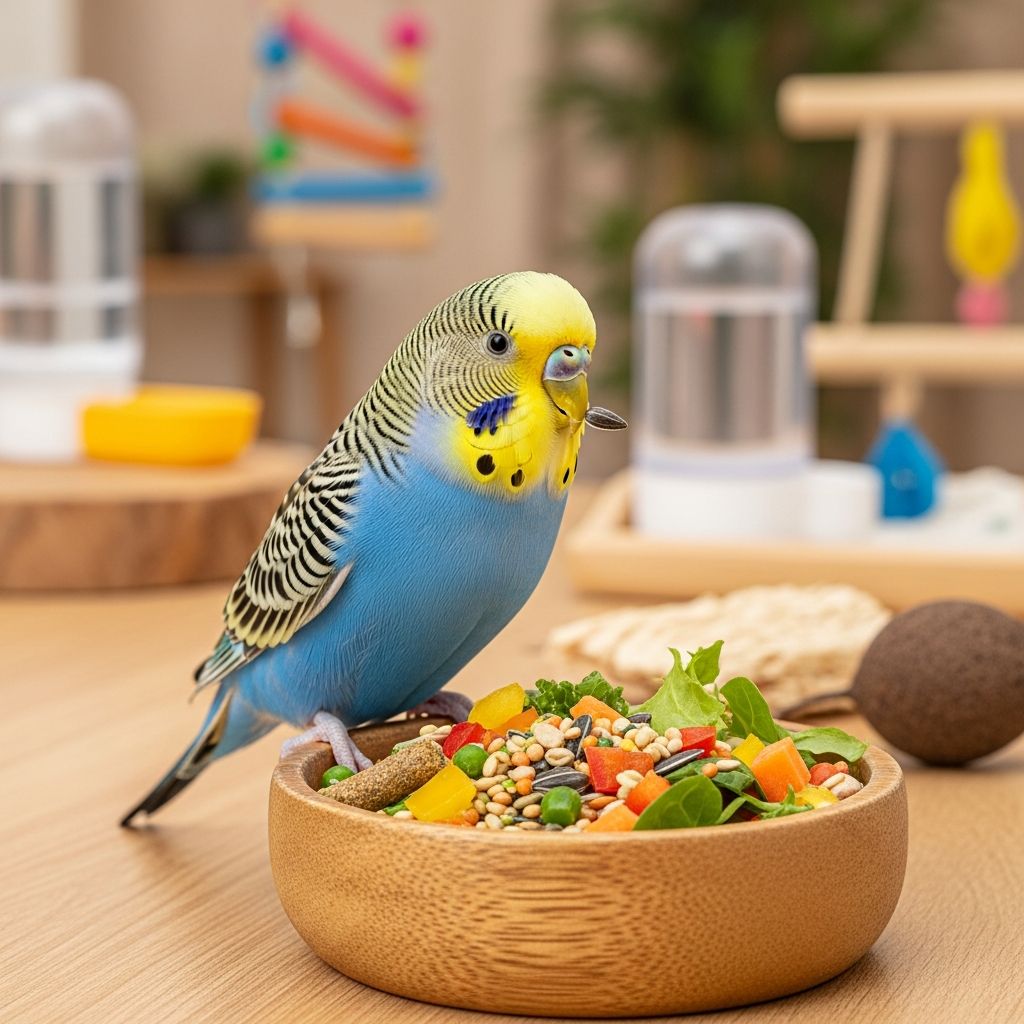
Budgie Feeding Guide: Proper Nutrition for Your Feathered Friend
Feeding your budgie correctly is one of the most important aspects of pet care, directly impacting their health, longevity, and overall well-being. Understanding what budgies eat in the wild and translating that knowledge into a captive diet helps ensure your feathered companion receives optimal nutrition. Wild budgies consume various seeds as they come into season, along with fruits, berries, and vegetation, typically feeding on or near the ground. Creating a diet that mirrors these natural eating patterns while meeting all their nutritional needs requires knowledge of the best food options available.
Understanding Your Budgie’s Natural Diet
In their native Australian habitat, budgerigars have evolved to consume a diverse range of plant-based foods. The seasonal availability of different seeds, combined with access to fresh vegetation and occasional fruits, has shaped their nutritional requirements. When selecting foods for your captive budgie, the goal should be to replicate this natural variety as closely as possible. This approach ensures your bird receives the full spectrum of nutrients they would encounter in the wild, from essential vitamins and minerals to beneficial plant compounds. By understanding these natural dietary patterns, you can make informed decisions about what to feed your budgie at home.
The Foundation: Pelleted Foods
Modern avian veterinarians recommend making high-quality pellets the foundation of your budgie’s diet. These specially formulated foods are designed to provide all the essential nutrients your bird needs to thrive, including vitamins, minerals, and proteins in appropriate proportions. Pelleted diets offer several advantages over seed-only feeding: they provide consistent nutrition in every bite, reduce the risk of nutritional deficiencies, and often contain no fillers or waste material.
A well-balanced budgie diet should consist of approximately 60-80% pellets or complete formulated food. Reputable brands such as Harrison’s, Roudybush, and Zupreem Naturals offer excellent options formulated specifically for small parrots. These pellets are carefully crafted to meet budgies’ unique nutritional requirements across different life stages.
If your budgie is currently eating a seed-based diet and you wish to transition to pellets, gradual conversion is essential. You can grind pellets into a fine powder and sprinkle the powder on small bits of moist food such as vegetables, fruit, cooked egg, or pasta that your bird already enjoys. As your bird becomes accustomed to the pellet-coated food, gradually increase the pellet size and reduce the amount of moist food until your budgie is eating mostly pellets with minimal additional foods mixed in.
Seeds: A Nutritious Supplement
While seeds should not form the entire diet, they remain an important component of a balanced budgie feeding plan. High-quality seeds provide essential fatty acids, proteins, and micronutrients that complement a pellet-based diet. Seeds should always be available to your budgie, and feeders should be topped up daily to ensure fresh seeds are always accessible.
As a general guideline, most budgies can be maintained on approximately 1.5 to 2 level teaspoons of seeds per bird per day, served in a shallow dish. The exact amount may vary depending on your individual bird’s size and activity level. Seed-eating birds can be gradually trained to a pelleted diet over time, though this transition requires patience and consistency.
Fresh Vegetables and Greens
Fresh vegetables should represent 20-25% of your budgie’s daily diet at most and should be offered daily. Dark green and orange-colored vegetables are particularly nutritious and should be prioritized when selecting produce for your bird. Excellent vegetable choices include kale, broccoli, spinach, carrots, sweet potato, and other colorful varieties. These vegetables are packed with essential vitamins and minerals that support your budgie’s immune system, feather health, and overall vitality.
When preparing vegetables for your budgie, offer them raw to preserve vital nutrients that may be lost during cooking. Wash all vegetables thoroughly to remove any pesticide residues, and consider purchasing organic produce whenever possible. Organic vegetables are grown without synthetic pesticides and chemicals, making them a healthier choice for your feathered friend.
It is important to note that pale vegetables with high water content, such as iceberg lettuce and celery, offer little nutritional value and should be avoided or offered only occasionally. Focus instead on nutrient-dense vegetables that provide genuine health benefits to your budgie.
Fruits: A Delicious Treat in Moderation
Fruits can be a delightful and nutritious addition to your budgie’s diet, offering natural sugars, vitamins, and antioxidants. However, fruits are very high in natural sugars and should never form the basis of your budgie’s diet. Instead, offer fruits as occasional treats, limiting them to prevent obesity and other health issues related to excessive sugar consumption.
Safe and nutritious fruits for budgies include apples, pears, berries, melons, mangoes, grapes, peaches, nectarines, and citrus fruits. Remove any seeds or pits before offering fruit to your budgie, as some seeds contain compounds that can be harmful. Like vegetables, fruits should be offered raw to maximize their nutritional content and appeal to your bird’s natural preferences.
Sprouting and Soaking Seeds
Sprouting and soaking seeds are excellent additions to your budgie’s diet, offering concentrated nutrition in an easily digestible form. These prepared seeds are packed with increased levels of vitamins, minerals, and enzymes compared to dry seeds. Preparation is simple: soak seeds in water, rinse them thoroughly, and serve them with the rest of your budgie’s daily diet. Sprouted seeds are not only highly nutritious but also provide enrichment through the varied texture and presentation.
Additional Nutritional Supplements
Beyond the primary food groups, several nutritional supplements can enhance your budgie’s diet and support overall health:
Mineral Blocks and Cuttlebones
Mineral blocks and cuttlebones provide essential calcium and other minerals crucial for bone health, feather quality, and metabolic function. These supplements should be available to your budgie at all times. They serve not only as nutritional sources but also as objects for natural gnawing behavior, which helps maintain beak health and provides mental enrichment.
Protein Sources
Occasional protein supplementation can support muscle development and overall health. Hard-boiled eggs and grated cheese can be offered to your budgie once per week as protein-rich treats. However, avoid diets that are too high in protein, as excessive protein intake has been associated with kidney disease in some cases.
Herbs and Edible Flowers
Enhance your budgie’s diet with herbs such as parsley and dandelion leaves, along with safe edible flowers. These additions provide variety in flavors and introduce new nutrients into your budgie’s diet. Herbs like parsley are rich in vitamins and can be offered regularly as part of your bird’s vegetable selections.
Red Palm Oil
A small amount of red palm oil can be added to your budgie’s diet to provide extra nutrients and support feather quality. This supplement should be used sparingly to avoid excessive fat intake.
What NOT to Feed Your Budgie
Certain foods are toxic or harmful to budgies and should never be offered, regardless of the circumstances:
Avocado is reported to be potentially toxic and should never be offered to a bird. Additionally, avoid high-sodium foods, chocolate, caffeine, and any foods containing artificial sweeteners or preservatives. Common household items such as salt, sugar, and fatty foods should be kept away from your budgie.
Daily Feeding Schedule and Portions
Establishing a consistent daily feeding routine helps ensure your budgie receives proper nutrition and allows you to monitor their eating habits for signs of health issues. Here’s a general guideline for daily feeding:
Daily Items: Seeds and pellets should be offered every day, with fresh water provided continuously. Replace water daily to prevent bacterial contamination and ensure your budgie always has access to clean drinking water.
Every Second Day: Fruits, vegetables, and soft foods should be offered every other day. This schedule prevents spoilage while ensuring your budgie receives regular access to fresh foods.
Weekly Items: Treats such as millet sprays or store-bought ‘seeds-on-a-stick’ should be fed no more than once per week. Protein sources like hard-boiled eggs or grated cheese can also be offered once per week.
Important Nutritional Notes
Grit is NOT Necessary: Contrary to popular belief, budgerigars do not require grit to aid in their digestion. Starting with their sharp beak, budgies have a specialized digestive system that efficiently breaks down seeds without assistance. Offering grit is not necessary and may even pose digestive risks to your bird.
Preventing Obesity: Budgies can easily become overweight when fed high-calorie treats and excessive fatty foods. Maintain proper portions, balance treats with nutritious foods, and ensure your bird receives adequate exercise through flight and play opportunities. A healthy budgie should have a visible waist and smooth, sleek feathering.
Batch Preparation for Convenience
To save time and ensure consistent healthy feeding, consider batch preparation of fresh foods. Create “bird chop”—a mixture of chopped vegetables, fruits, and other healthy ingredients—and freeze it in small portions. Each budgie typically eats about a teaspoon of bird chop per day, so freeze portions in small meatball-sized scoops or use small silicone ice cube trays. This approach provides you with a constant supply of fresh, nutritious food while minimizing preparation time on busy days.
Frequently Asked Questions About Budgie Feeding
Q: How much should I feed my budgie daily?
A: Most budgies can be maintained on approximately 1.5 to 2 level teaspoons of seeds per bird per day. Additionally, your budgie should receive pellets daily (60-80% of diet), vegetables every day or every other day (20-25% maximum), and occasional fruits as treats.
Q: Can budgies eat all vegetables?
A: No. While many vegetables are safe and nutritious, pale vegetables with high water content like iceberg lettuce offer little nutritional value. Always avoid avocado, which is potentially toxic to birds. Focus on dark green and orange-colored vegetables for maximum nutritional benefit.
Q: How do I transition my budgie from seeds to pellets?
A: Transition gradually by grinding pellets into powder and sprinkling them on moist food your bird enjoys. Over time, increase pellet size and reduce the moist food amount until your budgie eats mostly pellets. This process requires patience but ensures successful dietary conversion.
Q: Do budgies need grit?
A: No. Budgies have a specialized digestive system with a sharp beak that efficiently breaks down seeds without grit. Offering grit is unnecessary and may pose digestive risks to your bird.
Q: What fruits are safe for budgies?
A: Safe fruits include apples, pears, berries, melons, mangoes, peaches, grapes, and citrus fruits. Always remove seeds or pits, and offer fruits in moderation as occasional treats due to their high sugar content.
Q: How often should I change my budgie’s water?
A: Water should be changed daily to prevent bacterial contamination and ensure your budgie always has access to clean, fresh drinking water.
Q: Are there any toxic foods I should avoid?
A: Yes. Avoid avocado, chocolate, caffeine, salt, high-sugar foods, and artificial sweeteners. These foods can be harmful or toxic to budgies and should never be offered.
Conclusion
Proper feeding is fundamental to your budgie’s health, happiness, and longevity. By providing a balanced diet consisting primarily of high-quality pellets supplemented with fresh vegetables, occasional fruits, seeds, and appropriate mineral supplements, you can ensure your feathered companion receives all the nutrients needed to thrive. Remember that consistency, variety, and moderation are key to successful budgie nutrition. Monitor your bird’s weight and overall condition regularly, and consult with an avian veterinarian if you have questions about your budgie’s diet or nutritional needs. With proper feeding practices in place, your budgie will enjoy vibrant health and energy for many years to come.
References
- Feeding Budgies — VCA Animal Hospitals. 2025. https://vcahospitals.com/know-your-pet/budgies-feeding
- Parakeet Feeding Guide: Feeding Tips — Omlet. 2025. https://www.omlet.us/guide/parakeets/feeding_tips/feeding_guide/
- Healthy Parakeet Diet: Your Budgie’s Wellness Guide — Bird Supplies. 2025. https://birdsupplies.com/blogs/news/unlocking-the-secrets-to-a-healthy-parakeet-diet-your-budgies-wellness-guide
- Budgie Feeding Guide — Northern Parrots. 2025. https://www.northernparrots.com/blog/budgie-feeding-guide/
- Feeding a Budgerigar — New Plymouth Vet Group. 2025. https://www.npvet.co.nz/pets/animal-info-pets/bird-rabbit-turtle-articles/feeding-a-budgerigar/
- What do budgies eat? — Pet Health Club. 2025. https://www.pethealthclub.com/uk/pet-advice/what-do-budgies-eat
Similar Articles








Read full bio of medha deb